
Europe
Travelers come for historic cities, Mediterranean coasts, Alpine peaks and Nordic fjords, many of them linked by train on one trip.
Europe packs many countries into a short distance, and many of its cities grew up around old squares, cathedrals and city walls. On one trip you can move from Roman ruins to medieval towns to Alpine villages, with trains linking many of them. Travelers come for art museums, old town centers, Mediterranean coasts, mountain ranges, Nordic fjords and regional food that changes at each border.
First-time visitors who want history and variety will get the most from Europe on a trip of two weeks or more, which gives time to cover two or three countries at an easy pace. Spring and early autumn are the most comfortable months for walking cities and hiking. Summer brings the largest crowds to big cities and coastal towns. High mountain trails are open from late spring to early autumn, so plan mountain days within that window. Winter brings shorter days, so plan museum visits and city walks for daylight hours.
Top destinations in Europe
 CountryAustriaExplore
 CountryEnglandExplore
 CountryItalyExplore
 CountryThe NetherlandsExplore
 CountryMontenegroExplore
 CountryBelgiumExplore
 CountryFranceExplore
 CountryBulgariaExplore
 CountryPortugalExplore
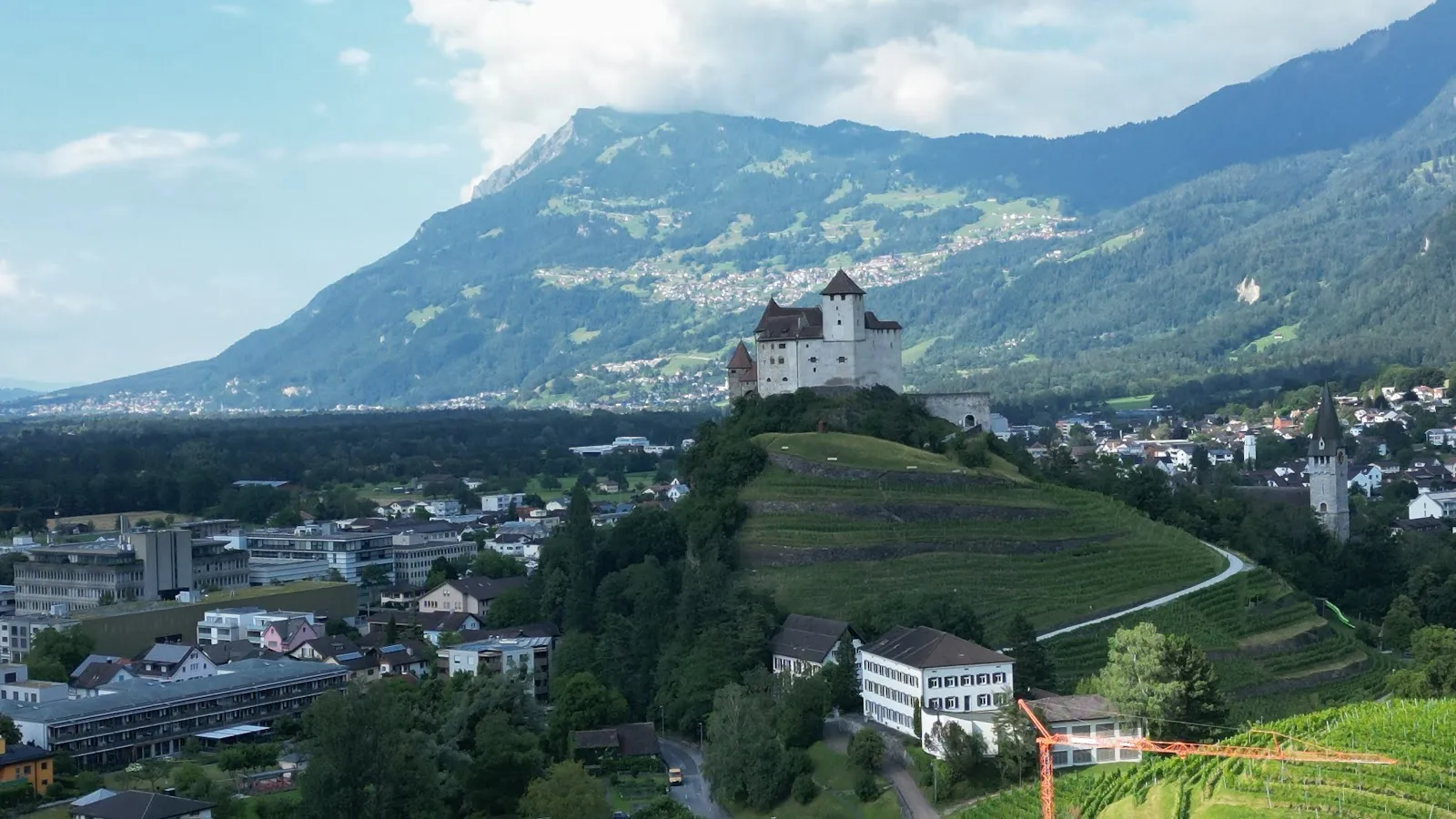 CountryLiechtensteinExplore
 CountryEstoniaExplore
 CountryAlbaniaExplore
 CountrySpainExplore
 CountryNorthern IrelandExplore
 CountryHungaryExplore
 CountryCyprusExplore
 CountrySlovakiaExplore
 CountrySwitzerlandExplore
 CountryLatviaExplore
 CountryThe United KingdomExplore
 CountryMonacoExplore
 CountryArmeniaExplore
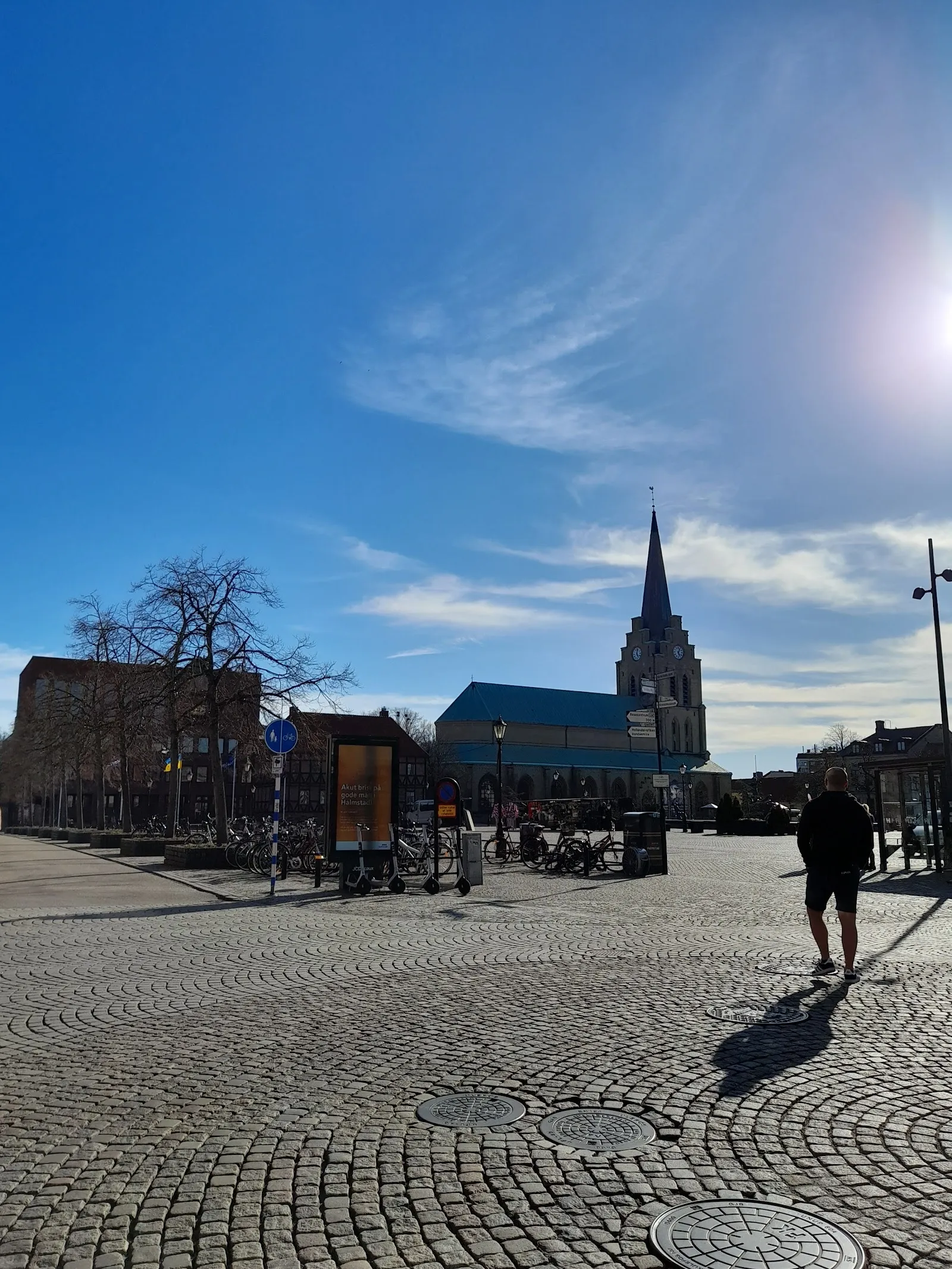 CountrySwedenExplore
 CountryBosnia & HercegovinaExplore
 CountryRomaniaExplore
 CountryGreenlandExplore
 CountryIrelandExplore
 CountryDenmarkExplore
 CountryNorth MacedoniaExplore
 CountrySerbiaExplore
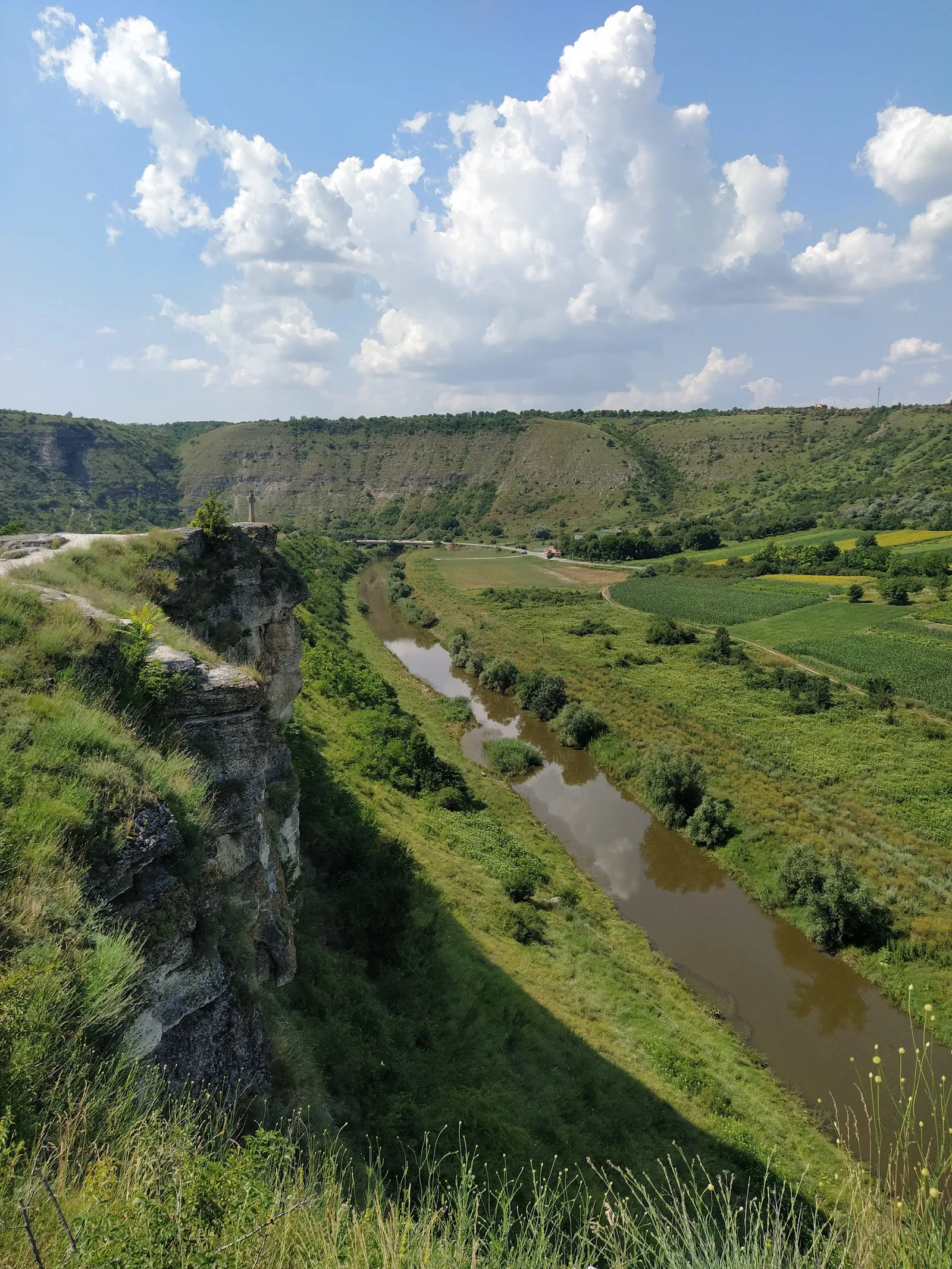 CountryMoldovaExplore
 CountryBelarusExplore
 CountryMaltaExplore
 CountryKosovoExplore
 CountryWalesExplore
 CountryRussiaExplore
 CountryUkraineExplore
 CountryAzerbaijanExplore
 CountryLuxembourgExplore
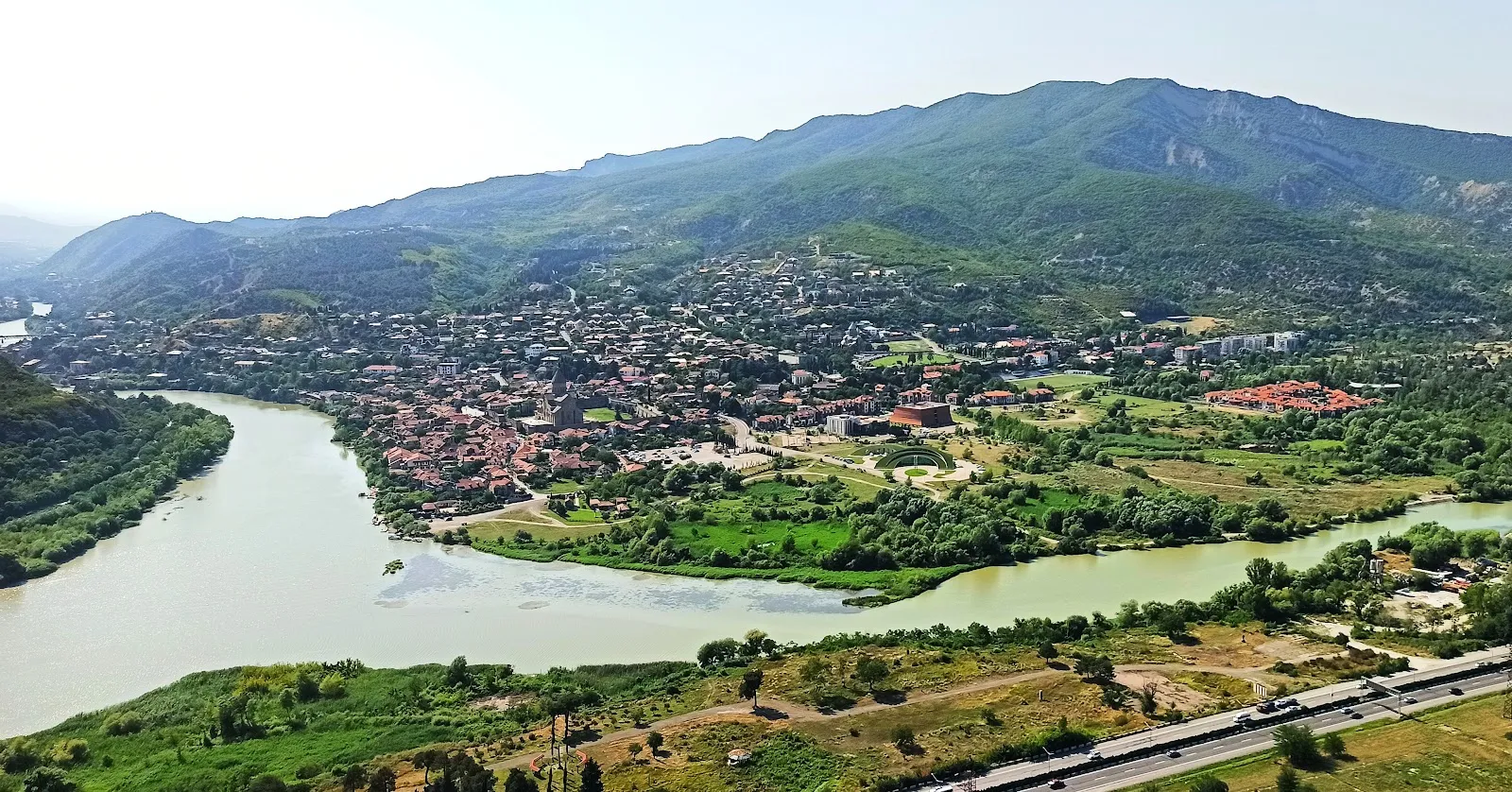 CountryGeorgiaExplore
 CountryCzechiaExplore
 CountryGermanyExplore
 CountrySloveniaExplore
 CountryIcelandExplore
 CountryPolandExplore
 CountryScotlandExplore
 CountrySan MarinoExplore
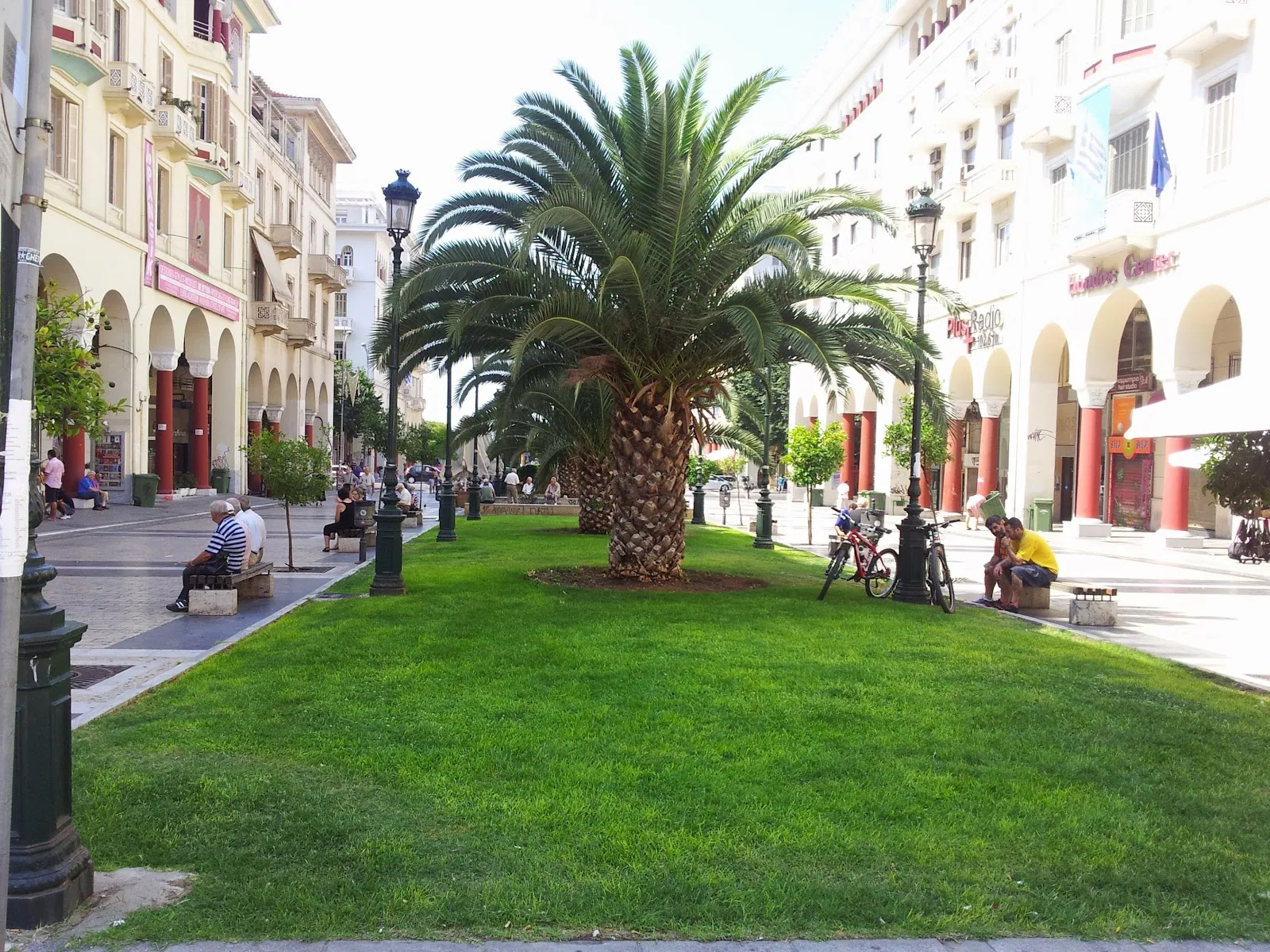 CountryGreeceExplore
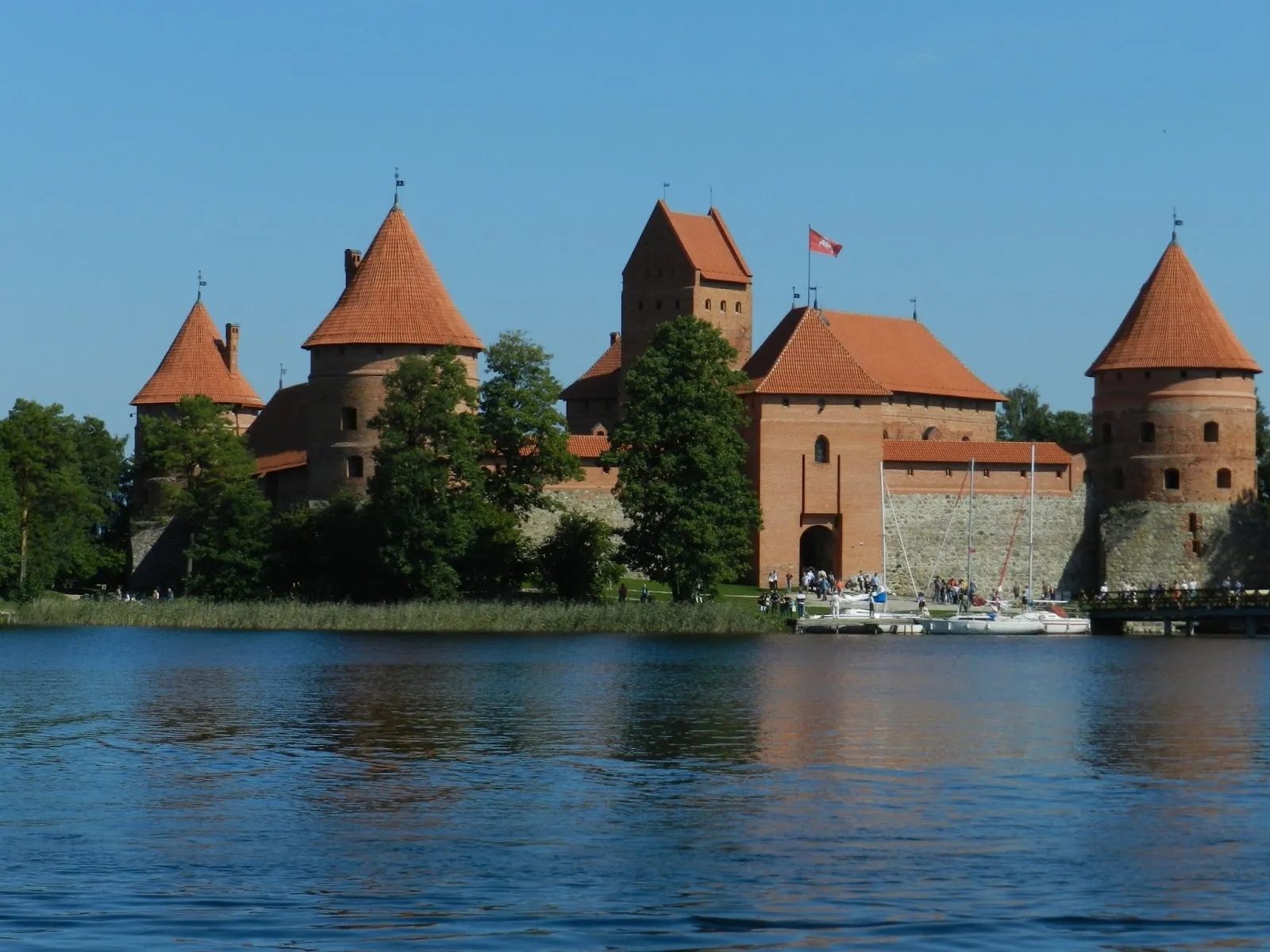 CountryLithuaniaExplore
 CountryTürkiyeExplore
 CountryCroatiaExplore
 CountryFinlandExplore
 CountryNorwayExplore
 CityLondonExplore
 CityKotorExplore
 CityAmsterdamExplore
 CityAntwerpExplore
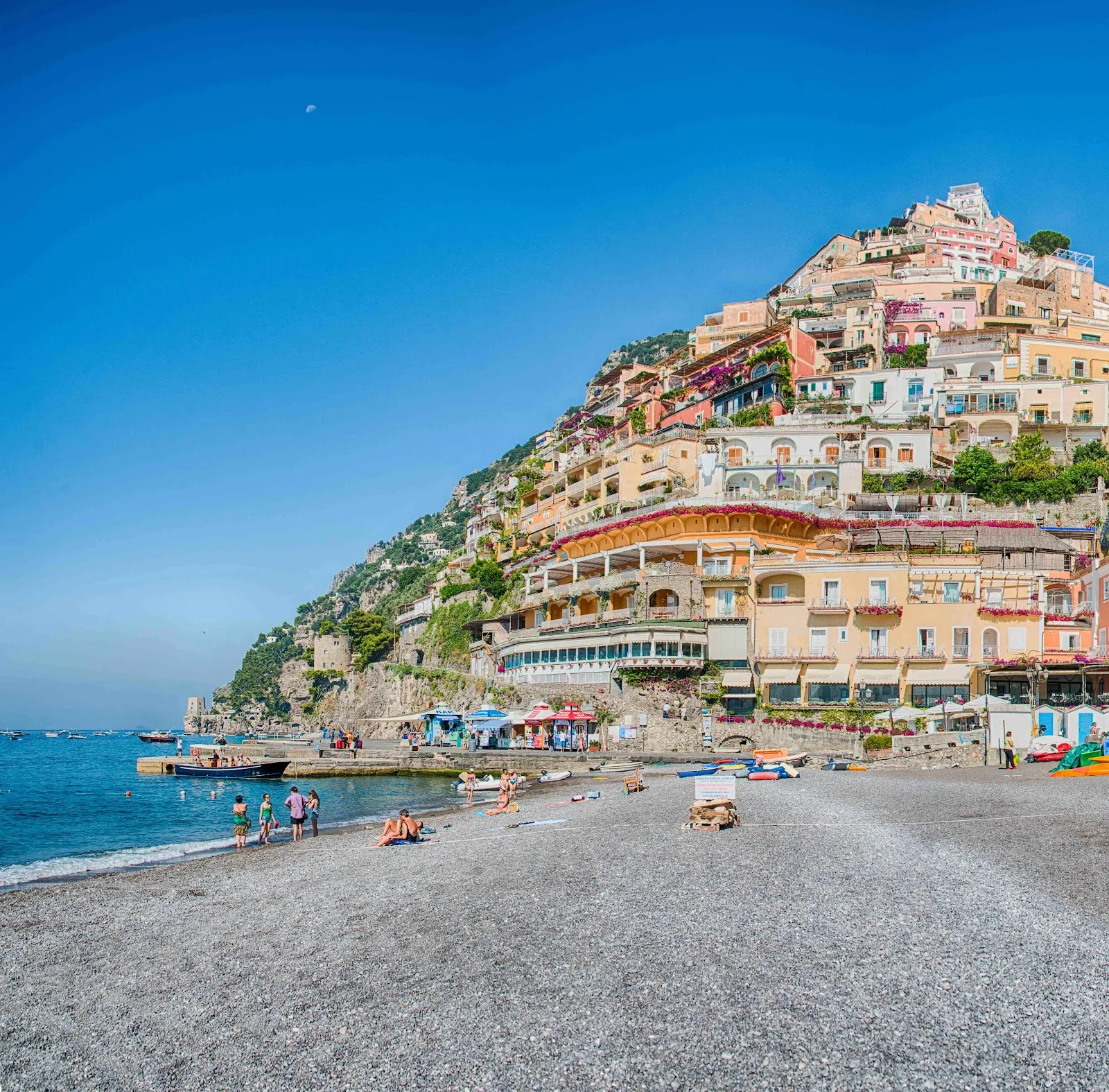 CityPositanoExplore
 CityParisExplore
 CityLisbonExplore
 CitySofiaExplore
 CityZagrebExplore
 CityBakuExplore
 CityCliffs of MoherExplore
 CityPamukkaleExplore
 CityStockholmExplore
 CityCórdobaExplore
 CityGöremeExplore
 CityBraşovExplore
 CityInvernessExplore
 CityLuganoExplore
 CitySintraExplore
 CityValenciaExplore
 CityVilniusExplore
 CityVillefranche-sur-MerExplore
 CityÖlüdenizExplore
 CityInterlakenExplore
 CityBerlinExplore
 CityLjubljanaExplore
 CityZadarExplore
 CityGivernyExplore
 CityCopenhagenExplore
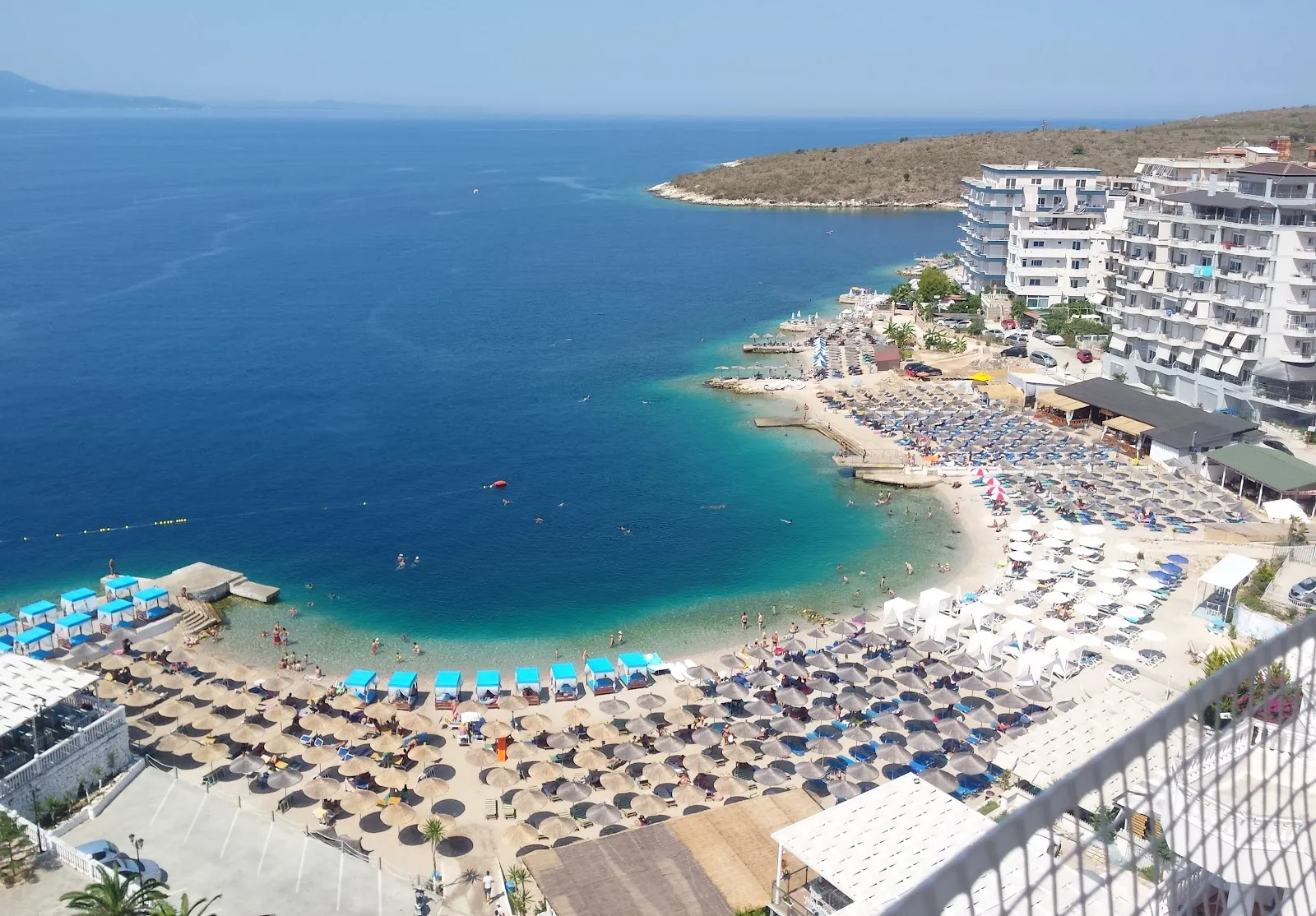 CitySarandaExplore
 CityChişinăuExplore
 CitySkopjeExplore
 CityBrugesExplore
 CityHelsinkiExplore
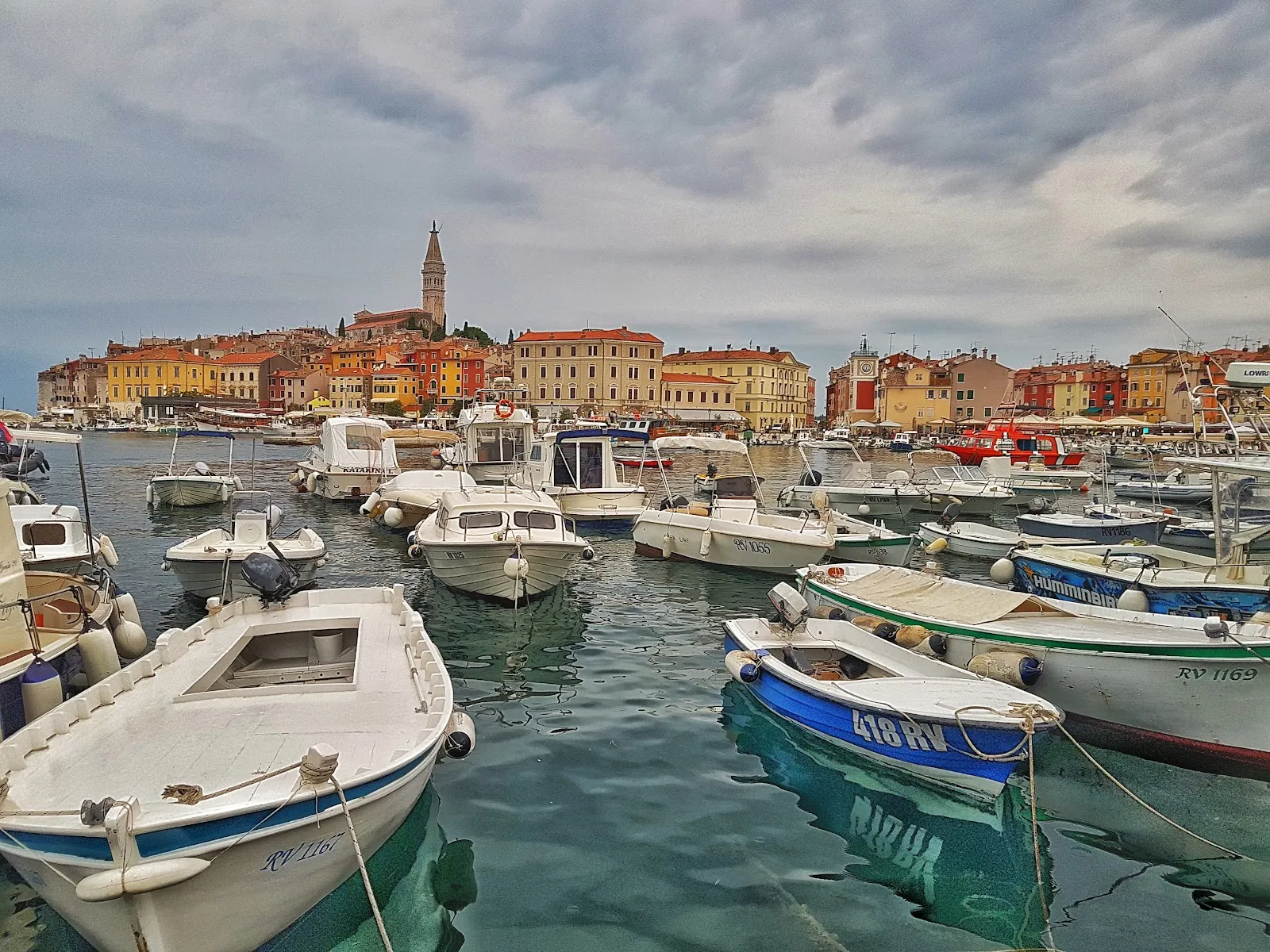 CityRovinjExplore
 CityMinskExplore
 CityNaplesExplore
 CityRotterdamExplore
 CityPaphosExplore
 CityGdańskExplore
 CitySan SebastiánExplore
 CityMilanExplore
 CityIschiaExplore
 CityVersaillesExplore
 CityZell am SeeExplore
 CitySevilleExplore
 CityÅlesundExplore
 CitySienaExplore
 CityGlasgowExplore
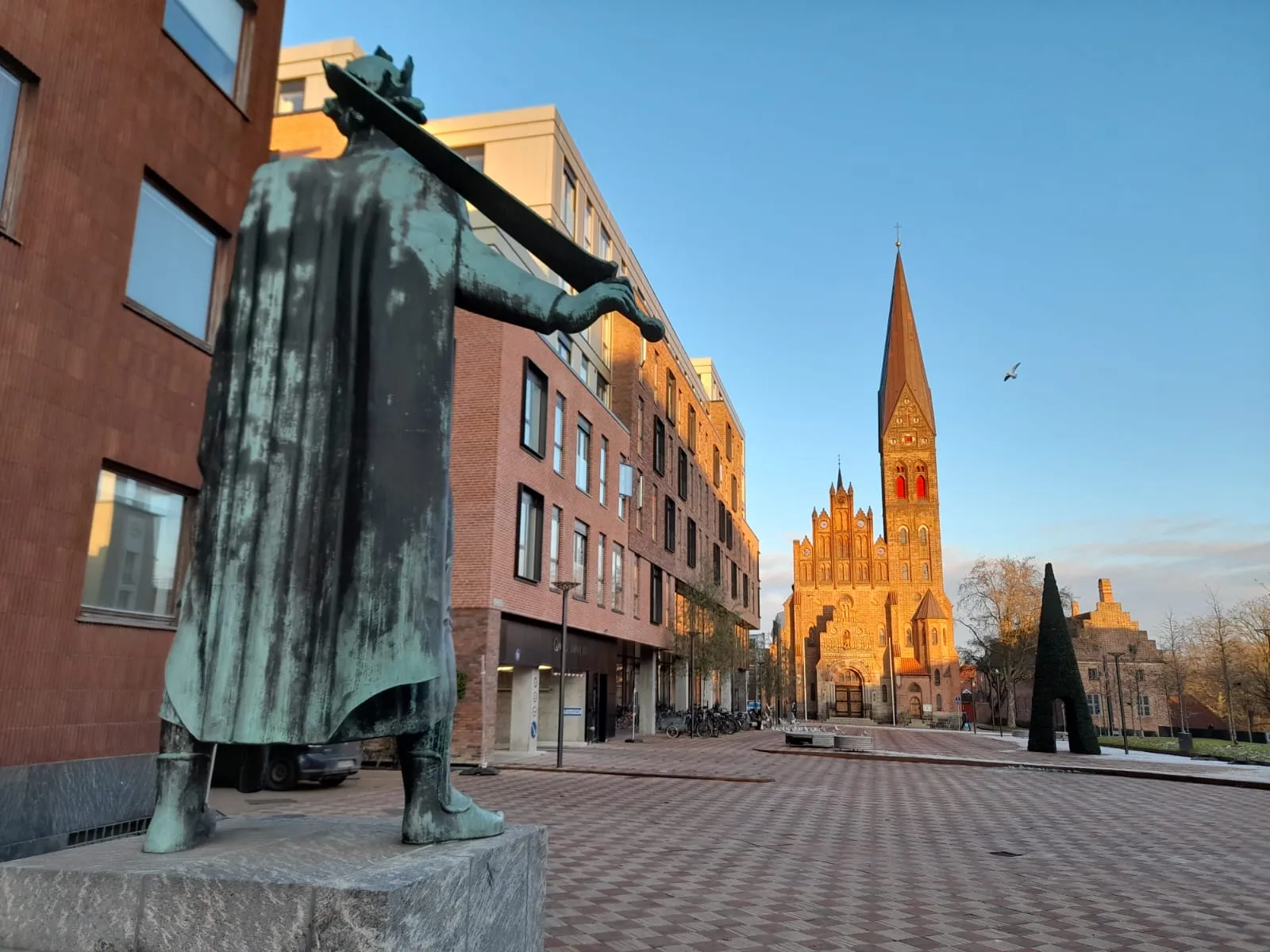 CityOdenseExplore
 CityFüssenExplore
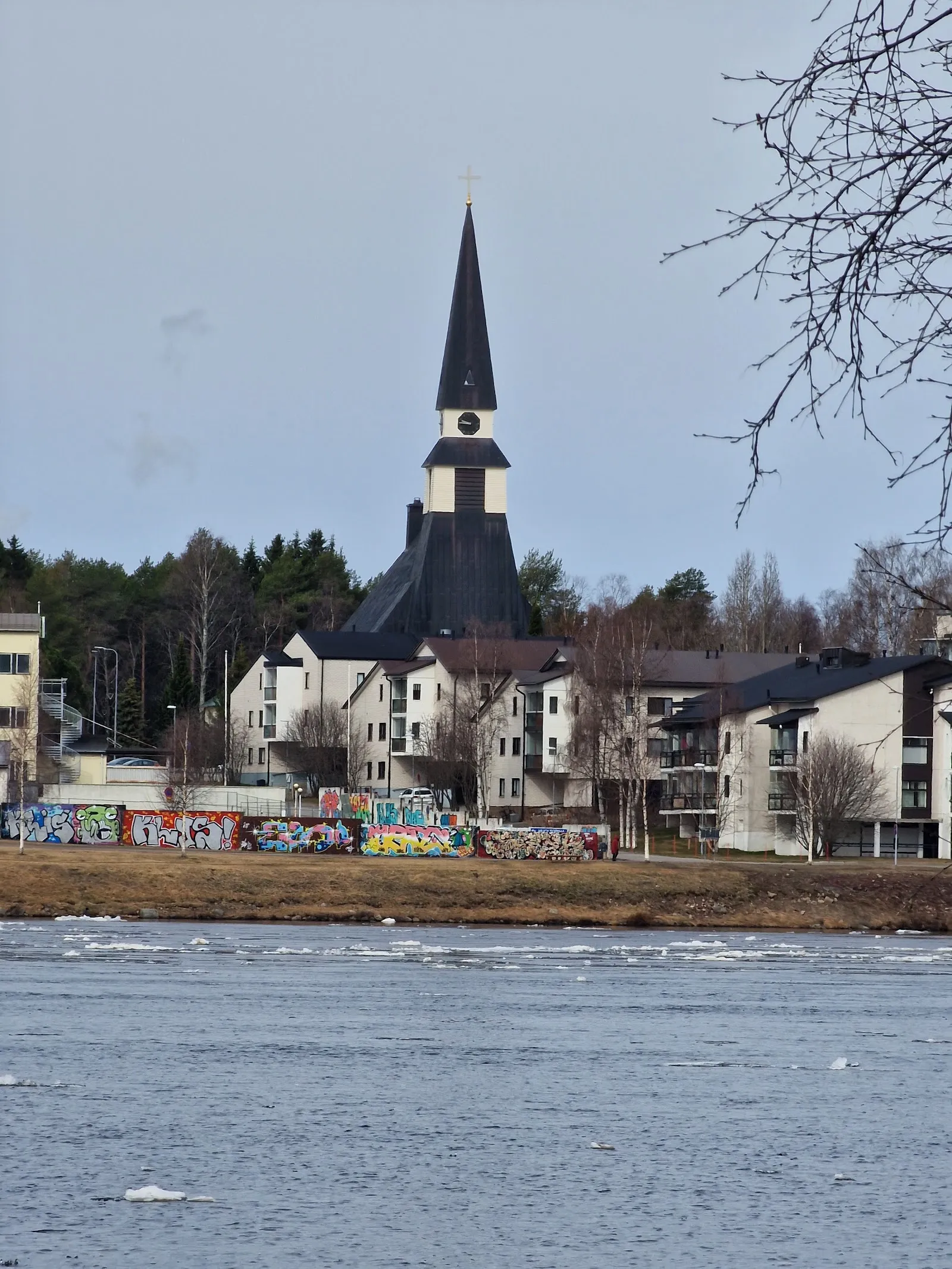 CityRovaniemiExplore
 CityBudvaExplore
 CityHamburgExplore
 CityPompeiiExplore
 CityIstanbulExplore
 CityAlbufeiraExplore
 CityGhentExplore
 CityWarsawExplore
 CityAalborgExplore
 CityGalwayExplore
 CityTbilisiExplore
 CityOiaExplore
 CityRothenburg ob der TauberExplore
 CityUtrechtExplore
 CityBratislavaExplore
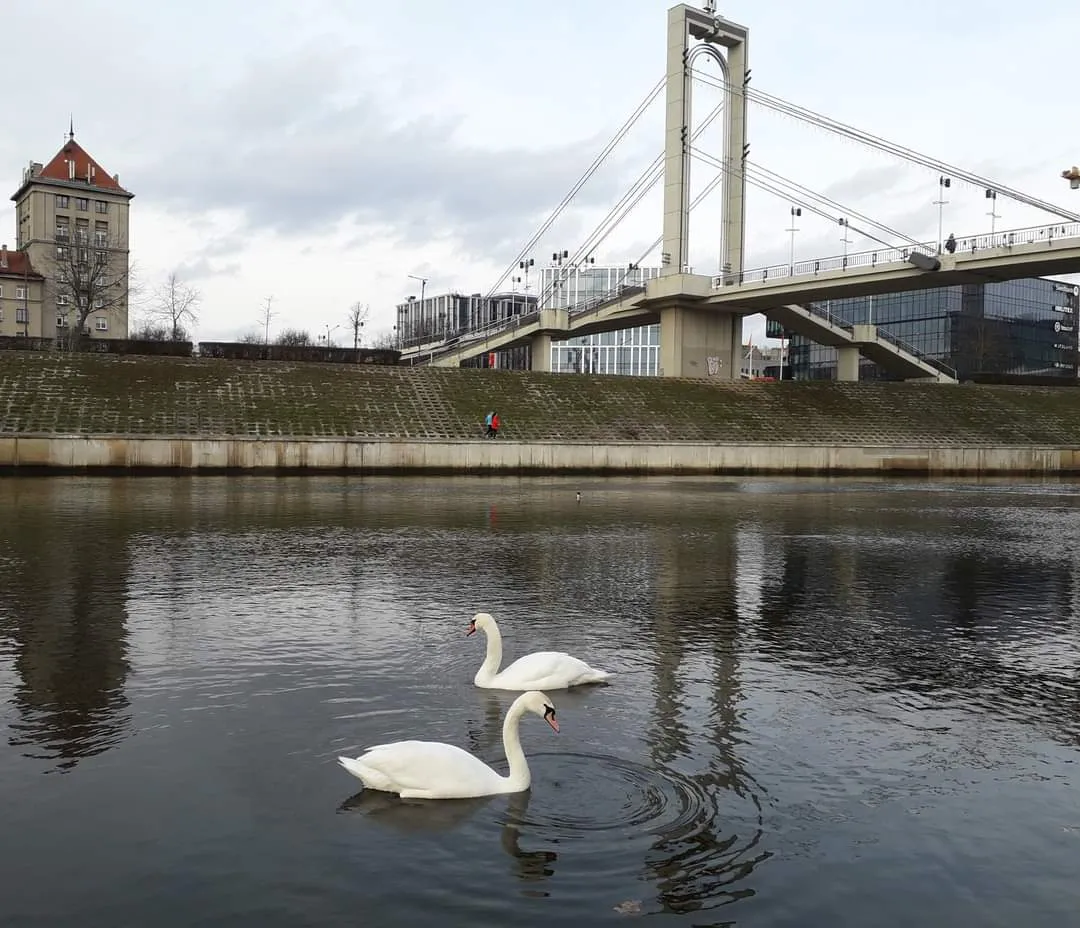 CityKaunasExplore
 CityTiranaExplore
 CityRīgaExplore
 CityMont St-MichelExplore
 CityHvar TownExplore
 CityLiverpoolExplore
 CityNazaréExplore
 CityMálagaExplore
 CityBergenExplore
 CityAlberobelloExplore
 CityTromsøExplore
 CityDerry (Londonderry)Explore
 CityDen HaagExplore
 CityCapriExplore
 CityEdinburghExplore
 CityGrindelwaldExplore
 CityKarlovy VaryExplore
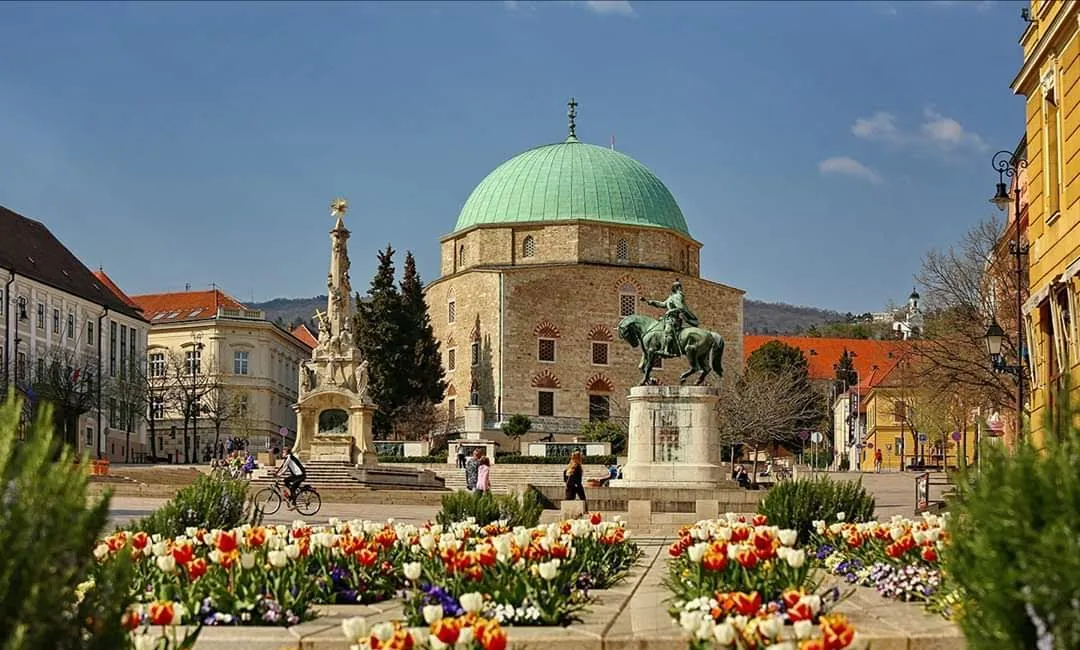 CityPécsExplore
 CityKošiceExplore
 CityBrusselsExplore
 CityČeský KrumlovExplore
 CityMadridExplore
 CityCataniaExplore
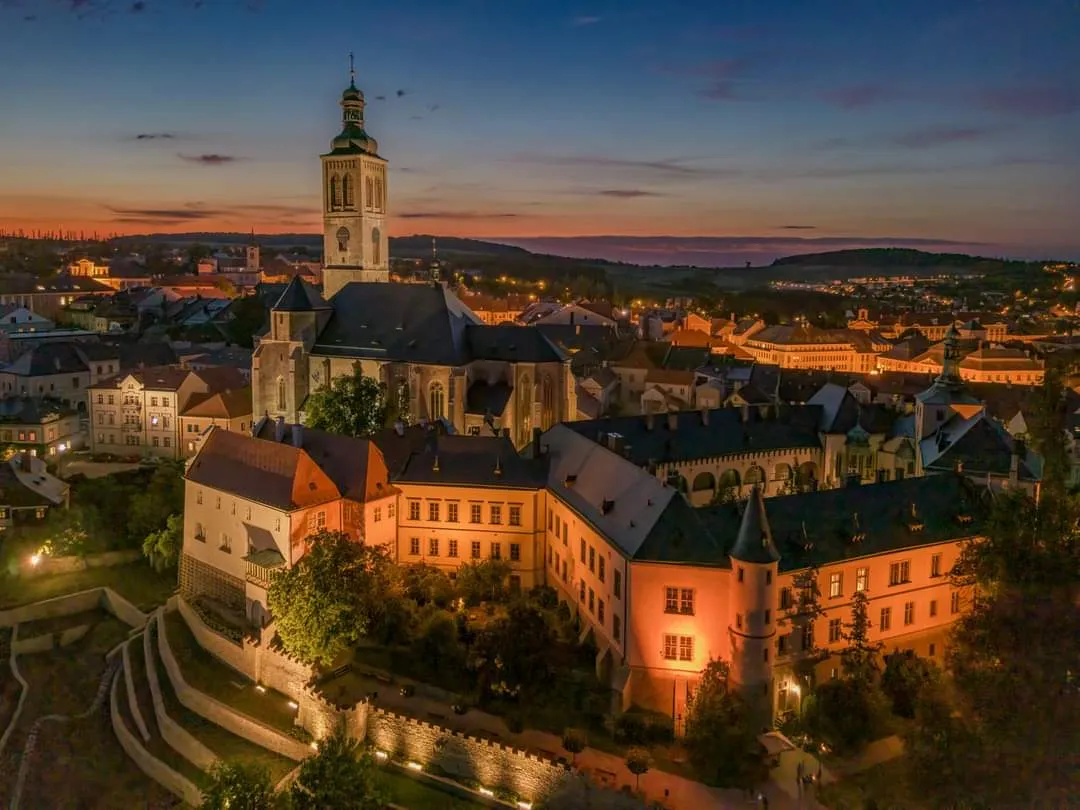 CityKutná HoraExplore
 CityYorkExplore
 CityKilkenny CityExplore
 CityHaniaExplore
 CityFort WilliamExplore
 CityFlorenceExplore
 CityEgerExplore
 CityBathExplore
 CityDubrovnikExplore
 CityZakopaneExplore
 CityZurichExplore
 CitySarajevoExplore
 CityMalmöExplore
 CityBatumiExplore
 CityÉvoraExplore
 CityBucharestExplore
 CityEphesusExplore
 CityHeidelbergExplore
 CityReykjavíkExplore
 CityPristinaExplore
 CityPortoExplore
 CityKrakówExplore
 CityRomeExplore
 CityİzmirExplore
 CitySt PetersburgExplore
 CityPlovdivExplore
 CityTampereExplore
 CityBelfastExplore
 CityBrnoExplore
 CityCardiffExplore
 CityZermattExplore
 CityGranadaExplore
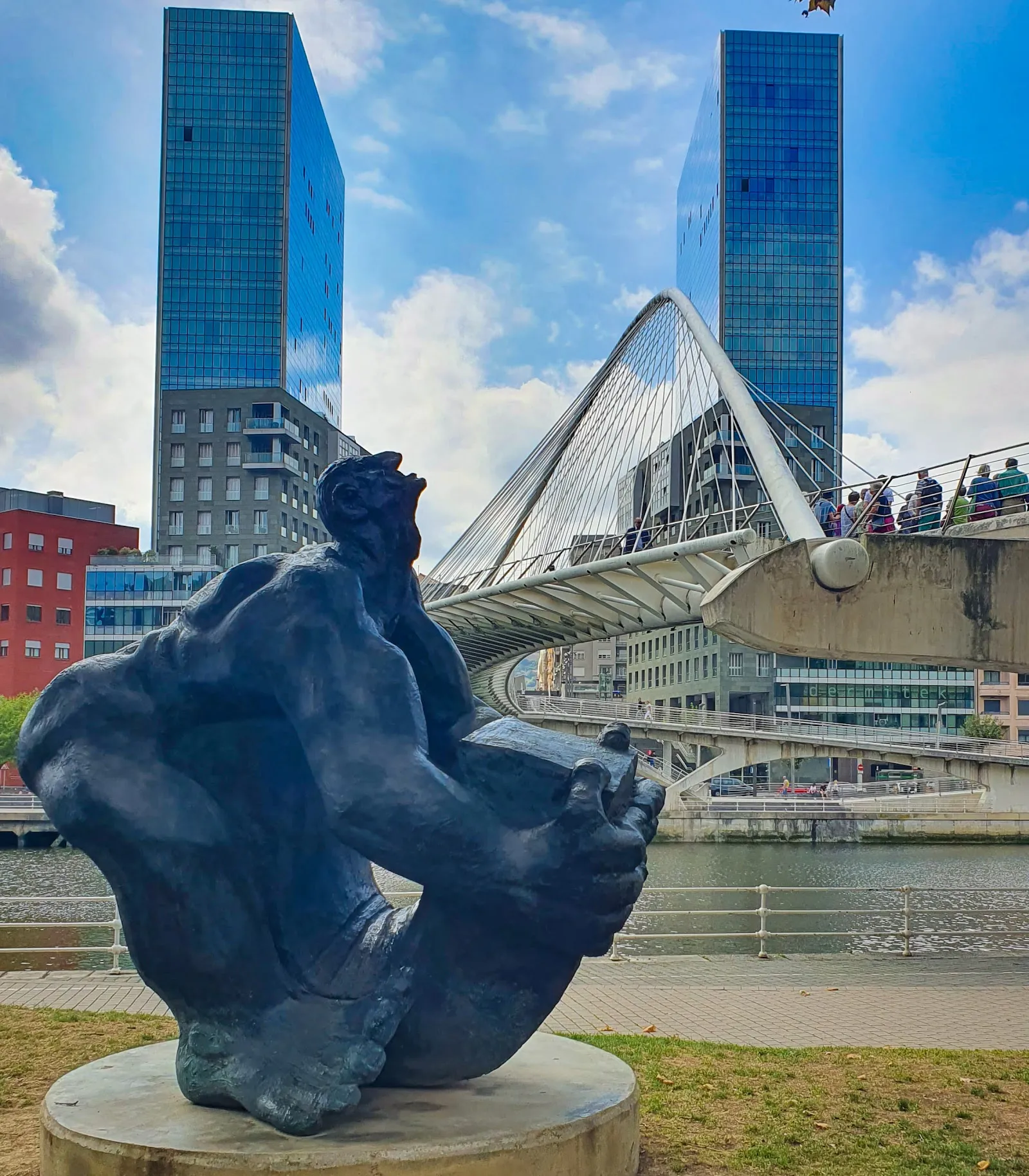 CityBilbaoExplore
 CityDresdenExplore
 CityAnnecyExplore
 CityCannesExplore
 CityChamonixExplore
 CityAthensExplore
 CityNovi SadExplore
 CityMateraExplore
 CityLimassolExplore
 CityVeniceExplore
 CityStavangerExplore
 CityGothenburgExplore
 CityHaarlemExplore
 CityYerevanExplore
 CityViennaExplore
 CityLauterbrunnenExplore
 CityFunchalExplore
 CityBarcelonaExplore
 CityOsloExplore
 CityBudapestExplore
 CityLucerneExplore
 CityOxfordExplore
 CityMostarExplore
 CityCologneExplore
 CityTallinnExplore
 CitySplitExplore
 CityMoscowExplore
 CityMunichExplore
 CityBordeauxExplore
 CityYpresExplore
 CityHallstattExplore
 CityStrasbourgExplore
 CityGenevaExplore
 CityAarhusExplore
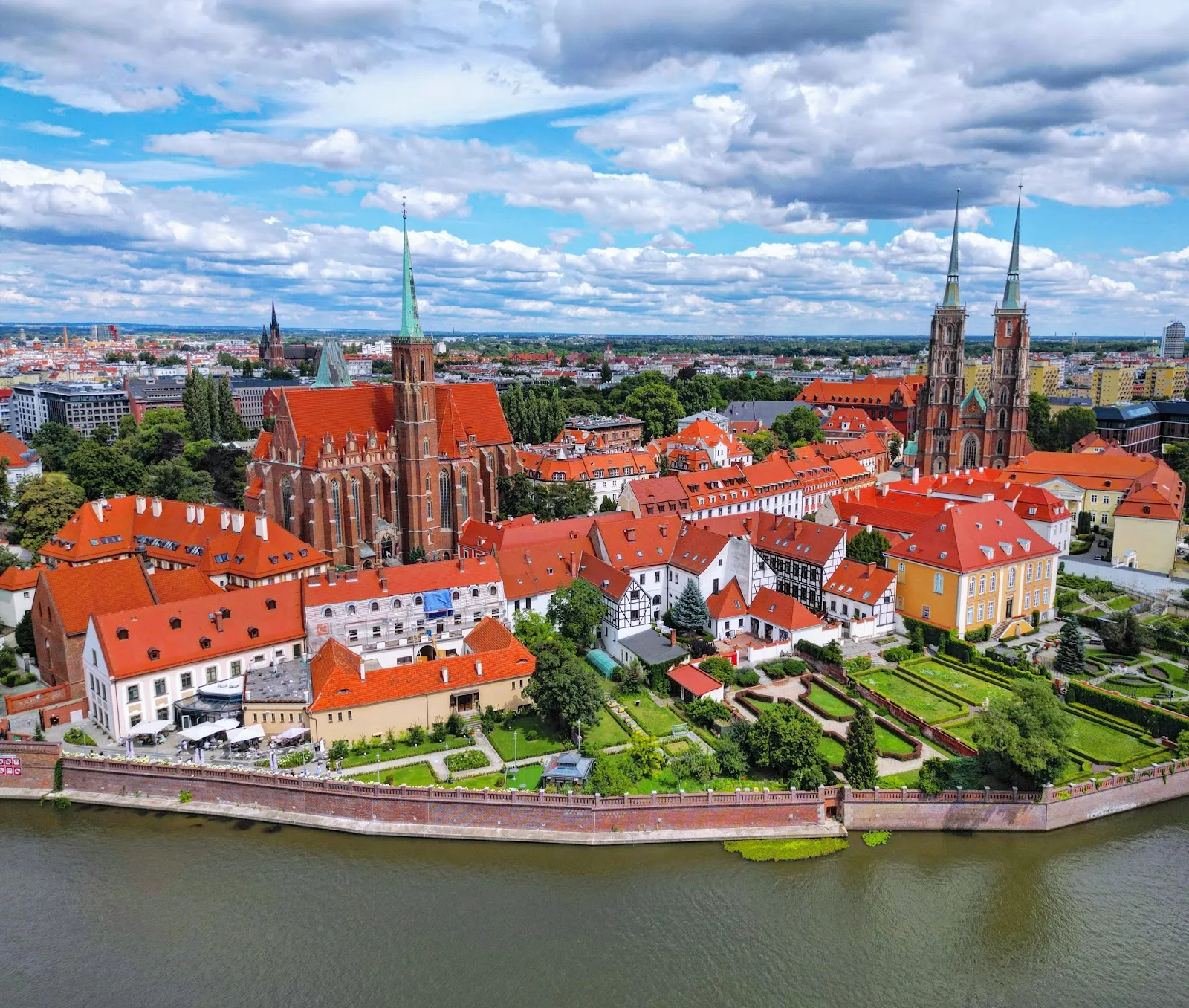 CityWrocławExplore
 CityBelgradeExplore
 CityBolognaExplore
 CityPisaExplore
 CitySalzburgExplore
 CityNiceExplore
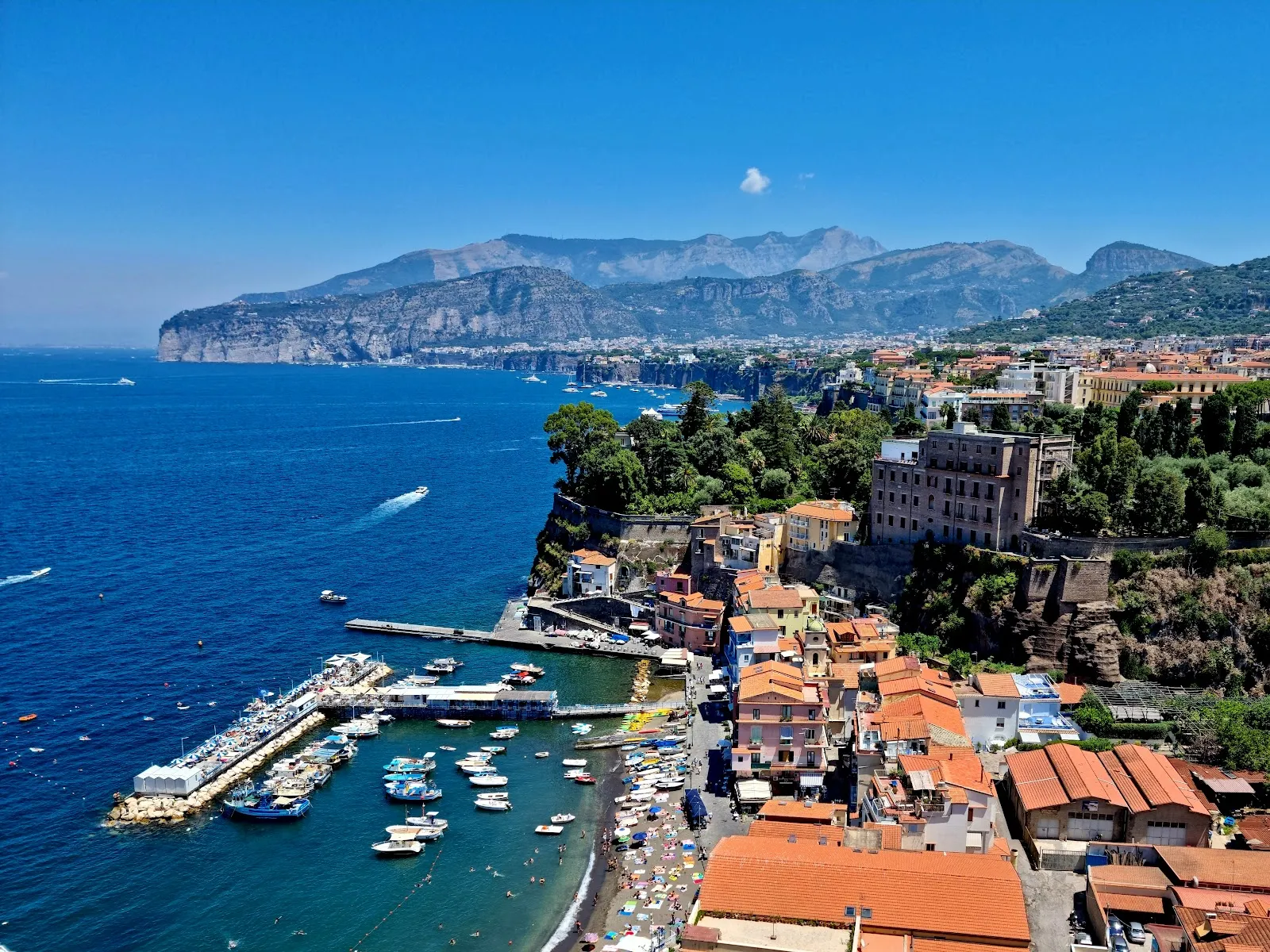 CitySorrentoExplore
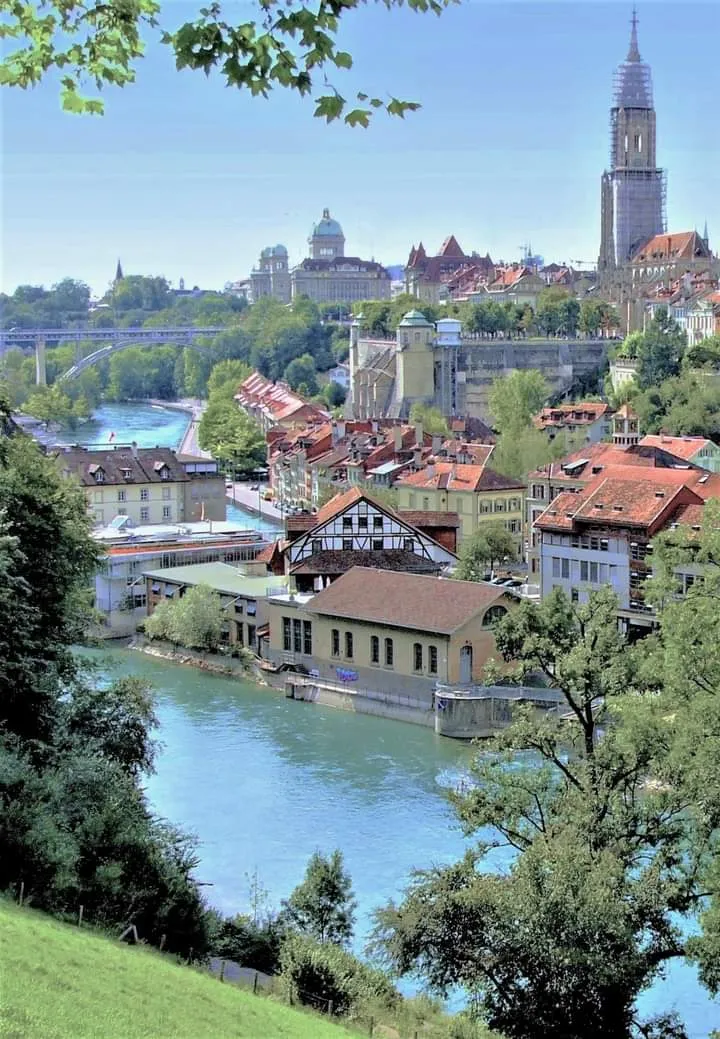 CityBernExplore
 CityPragueExplore
 CityDublinExplore
 CityAntalyaExplore
 CityVallettaExplore
 CityInnsbruckExplore
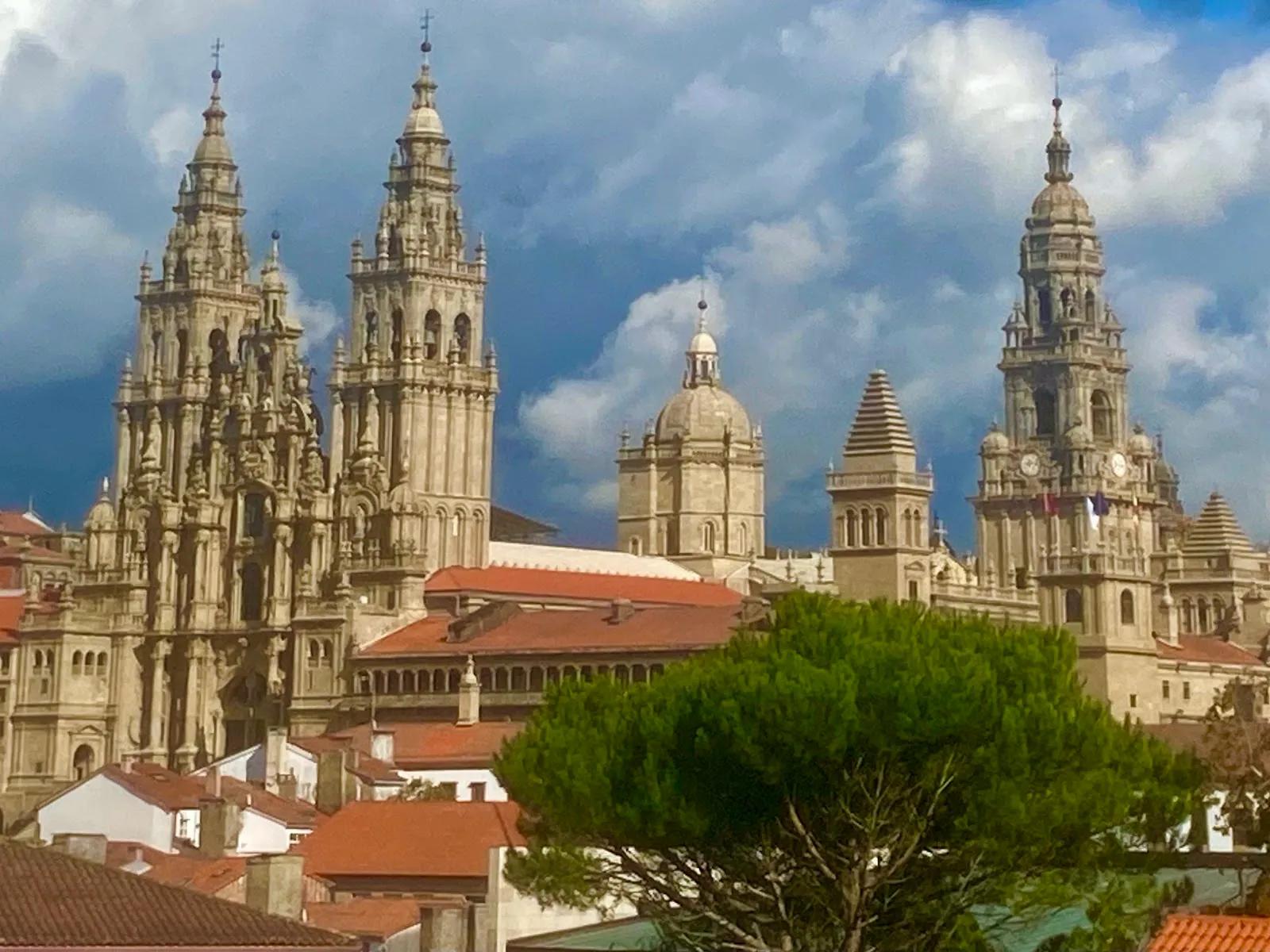 CitySantiago de CompostelaExplore
 CityAvignonExplore
 CityAkureyriExplore
 CityOhridExplore
 CityVeronaExplore
 CityLyonExplore
Europe travel guides
The questions every first trip to the region starts with.
Fingerprints at the Schengen border and what comes next.
Read the guideThe 90/180 ruleHow Schengen days add up across every member country.
Read the guideETIAS explainedNot running yet: what it will cost and who will need it.
Read the guideUK ETA explainedThe £20 permit for England, Scotland, Wales and NI.
Read the guideIs a Eurail pass worth it?When a pass beats booking trains one by one.
Read the guideTourist taxes in EuropeCity and hotel taxes, and who pays them.
Read the guideNight trains in EuropeHow to book, which berth to choose and what it costs.
Read the guideThe best eSIM for EuropeOne regional plan or a plan per country, and how to choose.
Read the guideBuying European train ticketsOfficial sites or resellers, and when the booking window opens.
Read the guide


All Europe destinations
No destinations match your filter.
Europe FAQ
Do I need a visa for Europe?
Many passports can visit the Schengen area visa-free for 90 days in any 180. Non-EU visitors now register under EES at the first Schengen border; ETIAS is not running yet and the EU will announce its start date months ahead.
Do I need a UK ETA as well as EES?
If you are visa-exempt and not British or Irish, yes. The UK is outside Schengen: England, Scotland, Wales and Northern Ireland need a UK ETA, while EES applies only in Schengen countries.
Which European countries are outside Schengen?
Among popular destinations, the UK, Ireland, Türkiye and much of the Balkans, including Serbia, Montenegro, North Macedonia and Kosovo. Days there do not count toward the Schengen 90 in 180.
Is a rail pass worth it in Europe?
Rarely for a short trip. Book fast trains early at saver fares and buy regional trains on the day; a pass pays off only for many long legs in a short time.
When is the best time to visit Europe?
May, June and September for most of it. July and August are hot and busy in the south, the Nordics shine in summer, and December is worth it for Christmas markets in Central Europe.