Friuli Venezia Giulia
Friuli Venezia Giulia is northeastern Italy's border region, with Habsburg-era cafés in Trieste, lagoon beaches in Grado and Venetian-era squares in Udine, all within about two hours' drive of one another.
We may earn a commission. It never decides our picks.
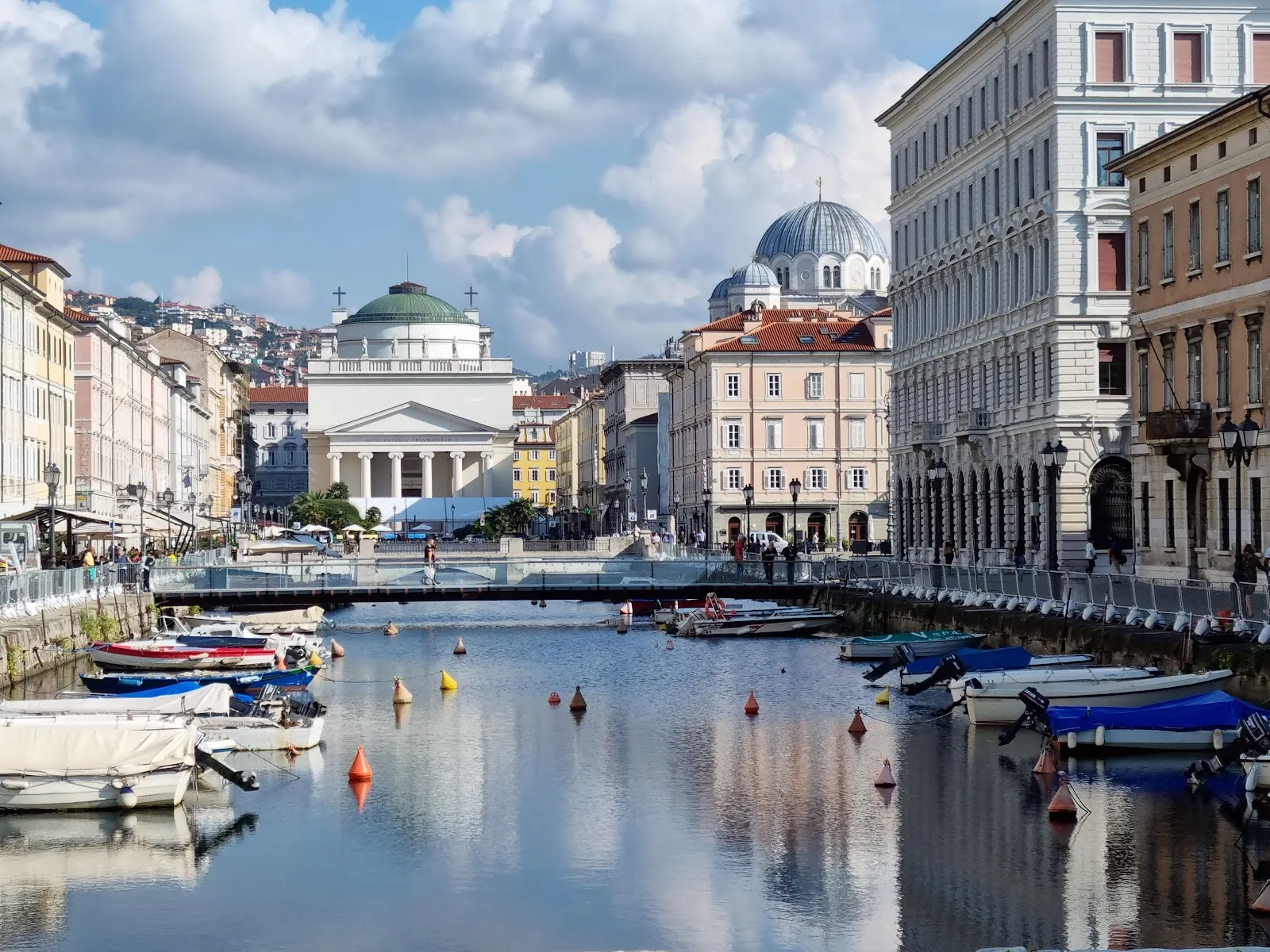
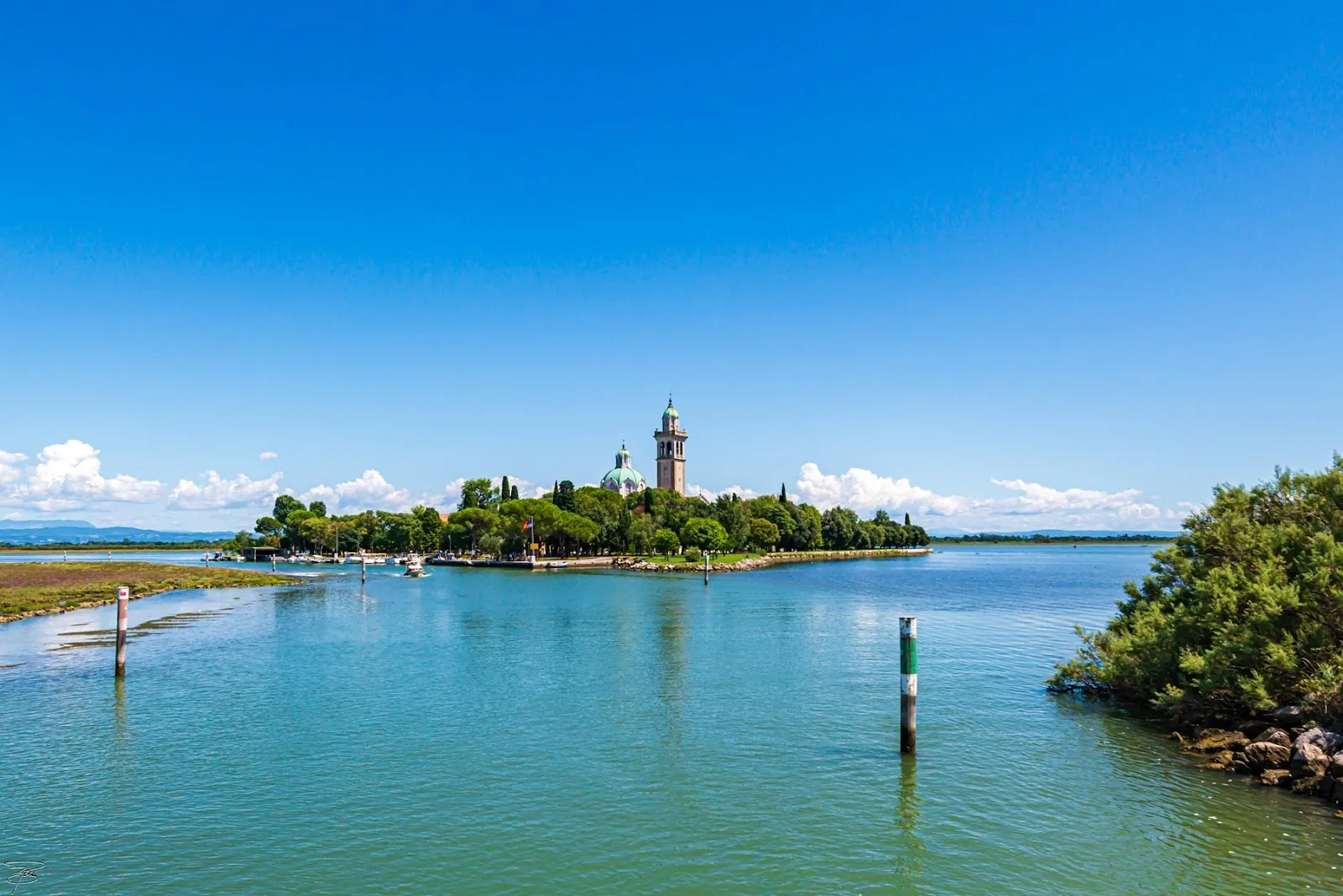
Friuli Venezia Giulia is a region in northeastern Italy on the Adriatic coast, bordering Slovenia and Austria. Trieste, the capital, is a port city that belonged to the Habsburg Empire until 1918, and its cafés and seafront squares still reflect that past. Udine, inland, has Venetian-era palaces around Piazza Libertà and a castle on a hill. Grado, a town on a lagoon island west of Trieste, has sandy beaches and an early basilica, and Aquileia, a Roman port city with a UNESCO-listed basilica, is a short drive away.
The region suits a trip with mixed pace: city days in Trieste and Udine, beach and lagoon time in Grado, and a day or two in the hills near the Slovenian border. Food is a reason to go, from prosciutto di San Daniele and frico to the wines of the Collio hills. Spring and early autumn suit walking and sea days best, while summer brings the most people to the coast. Plan at least four or five days for a first visit, and a week if you want the hills as well.
Friuli Venezia Giulia in five
- Plan the transfer from Trieste's airportRonchi dei Legionari airport is outside Trieste, not in the city. Book a transfer or check the bus into town before you land.
- Rent a car for the Carso and wine hillsTrains link Trieste, Udine and the coast, but the Carso plateau and the Collio wine villages are easier by car.Getting around
- Order a capo in b in Trieste's cafésLocals order a nero for a short espresso and a capo in b for a cappuccino served in a glass. Using these names gets you the drink you expect.Trieste
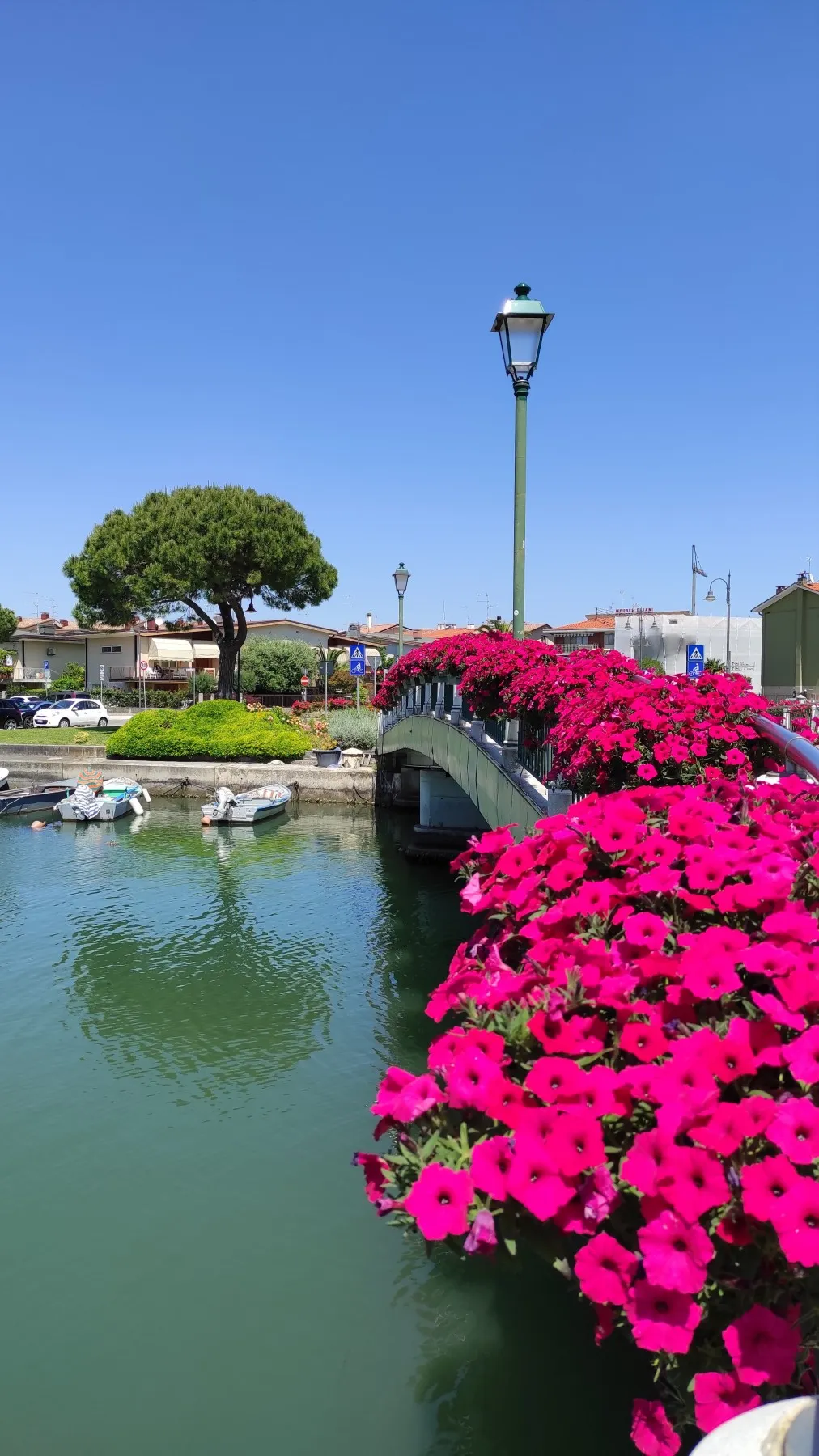
- Cross to Grado by the causewayGrado is a lagoon island town joined to the mainland by a causeway road. The old town and the beaches are close together, so a bike or a walk covers most of it.Grado
- Expect Slovene names near the borderVillages close to Slovenia often have both Italian and Slovene names, and some signs show both. Match the name on your map app to the road sign.
Neighborhoods

Trieste
- Price band: $$

Udine
- Price band: $$
Grado
- Price band: $
Things to do in Friuli Venezia Giulia
See all attractions in Friuli Venezia Giulia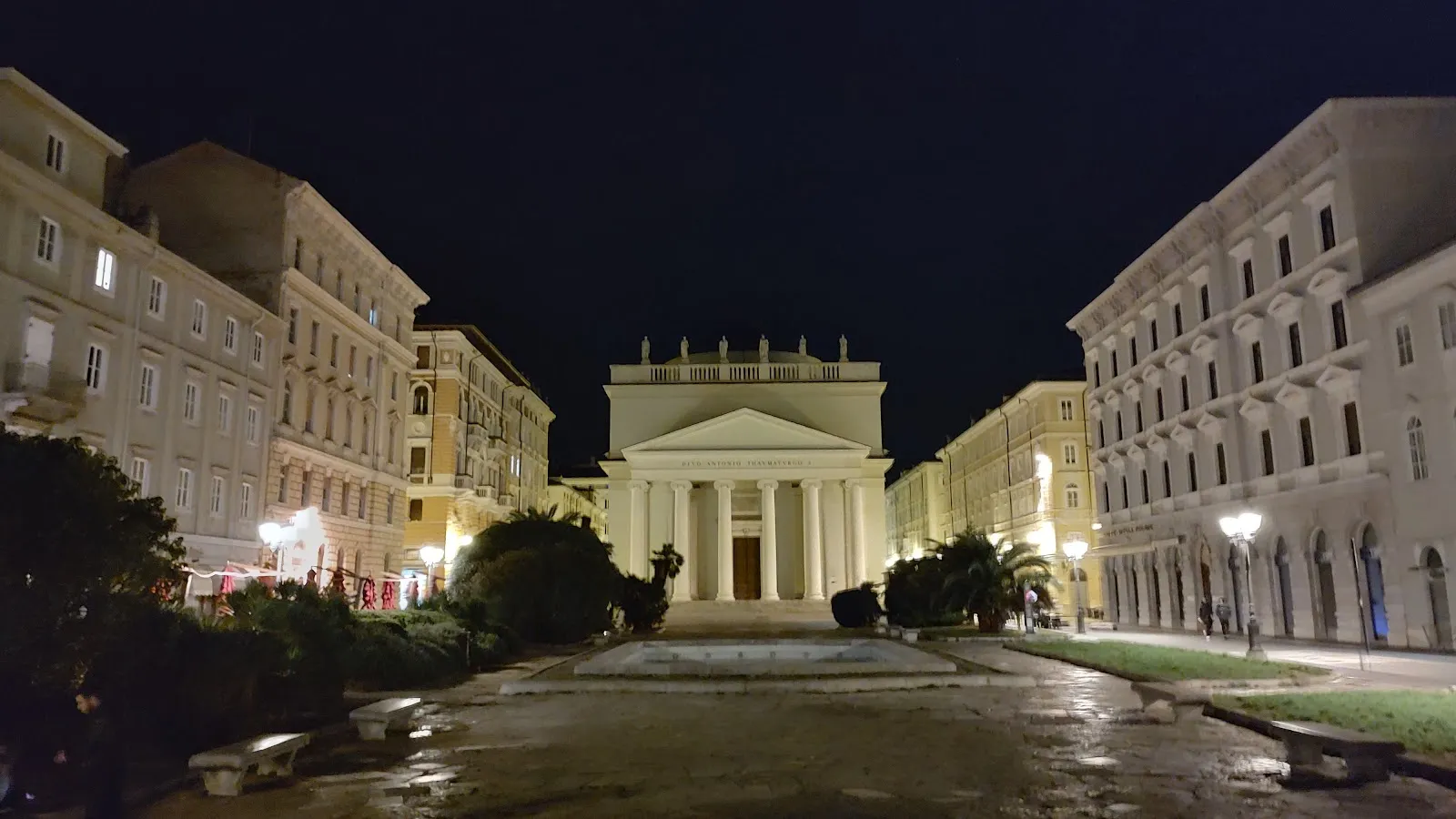








Need to know
- Currency
- Euro (EUR)
- Entry
- Schengen short stays for many passports Read more
- Emergency
- 112 for police, fire and ambulance
- Tipping
- Not required; rounding up the bill is common
- Time
- UTC+1, UTC+2 with daylight saving (CET/CEST)
Weather by month
- Best
- Good
- Mixed
- Poor
- JanuaryBora winds, cold
- FebruaryCold, carnival
- MarchSpring starts
- AprilMild, Easter
- MayMild, green
- JuneWarm, long days
- JulyHot, coast busy
- AugustHot, holidays
- SeptemberWarm, quieter
- OctoberHarvest, wine
- NovemberCool, misty
- DecemberCold, lights
Right now in Friuli Venezia Giulia
Local time, today's weather and the exchange rate, refreshed through the day.

12
- Feels like
- 10°
- Humidity
- 57%
- Wind
- 7 km/h
- Chance of rain
- 3%
Friuli Venezia Giulia
09:38 PM
Monday, November 2
- Today16°8°3%Monday: Cloudy. High 16°, Low 8°. Chance of rain 3%.
- Tue15°6°15%Tuesday: Cloudy. High 15°, Low 6°. Chance of rain 15%.
- Wed14°6°20%Wednesday: Cloudy. High 14°, Low 6°. Chance of rain 20%.
- Thu14°4°0%Thursday: Partly cloudy. High 14°, Low 4°. Chance of rain 0%.
- Fri14°4°8%Friday: Fog. High 14°, Low 4°. Chance of rain 8%.
- Sat11°2°26%Saturday: Fog. High 11°, Low 2°. Chance of rain 26%.
- Sun13°3°27%Sunday: Rain. High 13°, Low 3°. Chance of rain 27%.
Updated 05:43 PM local time · Powered by WeatherAPI.com · Weather data by Open-Meteo.com
What's on in Friuli Venezia Giulia
Concerts, festivals and big events in and around the city
Events calendarDay trips by train
- Gradoabout 45 min to 1 hour by car from TriesteA lagoon island town with beaches and an early basilica.Read the guide
- Udineabout 1 to 1.5 hours by train from TriesteA compact inland city with a castle hill and a Venetian-era square.Read the guide
- Triesteabout 1 to 1.5 hours by train from UdineA port city with a Habsburg-era grid district and sea-front squares.Read the guide
Before you go to Friuli Venezia Giulia
Rules for Friuli Venezia Giulia, checked
- Non-EU visitors from many countries can stay up to 90 days in any 180-day period across the Schengen area. Check entry rules on the Italian visa site before you book.
- Cover shoulders and knees before entering churches, including the basilica in Grado.
- Dial 112 for police, fire or an ambulance anywhere in Italy.
- Check with the Italian Ministry of Culture before you buy antiques, since some need an export licence to leave the EU.
Plan around Friuli Venezia Giulia
Wider Italian routes, entry and transport for a north-east trip
Read the guideTrieste on the coastThe port city with historic cafés and sea-front squares
Read the guideUdine inland baseA compact inland city with a castle hill and a central square
Read the guideGrado lagoon townBeaches and an early basilica on a lagoon island
Read the guideGetting aroundTrains, buses and car rental between the three cities
Read the guideWhere to stayHotels and guesthouses in Trieste, Udine and Grado
Read the guideFriuli Venezia Giulia FAQ
Is Friuli Venezia Giulia worth visiting?
Yes, for sea towns, karst hills and wine country in one trip. Trieste, Udine and Grado each feel different, so pick two if you have only a few days.
How many days do you need in Friuli Venezia Giulia?
Three to four days covers Trieste, Udine and a day at Grado. Add a car day for the Carso and the Collio wine hills if you can.
Can you get around Friuli Venezia Giulia without a car?
Trains link Trieste and Udine, and buses reach many smaller towns. The Carso plateau and the wine villages are harder to reach without a car.
Is Grado good for a beach holiday?
Yes, for a relaxed stay on a lagoon island with an old town and beaches close by. Stay the night if you want the beach early in the morning or in the evening.
Is Trieste or Udine better?
Trieste suits a sea-facing city with cafés and Habsburg-era streets. Udine suits a compact inland city with a Venetian-era square.
Is Trieste worth a day trip from Venice?
Yes, by train, but one day gives you the centre and a café stop only. Two nights leave room for the Carso and the coast.