Travel advisory · Guinea-BissauSome governments advise against travel to parts of Guinea-Bissau.The warnings cover only these areas: 20 km strip along the Senegal border.Advice depends on your passport. Read your own government's advice before you book.Official advice
- 20 km strip along the Senegal border · avoid non-essential travel · Canada, France
Also named by one government: Northwest part bordering the Casamance region (New Zealand), Peripheral neighbourhoods of Bissau at night (Spain), Secondary roads in northern border areas (Spain)
| Government | Advice | Updated | Read the advice |
|---|---|---|---|
| United Kingdom (FCDO) | No specific advice against travel; general precautions only | – | Read the advice |
| United States (State Dept) | Level 3: Reconsider Travel | Dec 11, 2025 | Read the advice |
| Canada (Global Affairs) | Exercise a high degree of caution (regional advisories) | – | Read the advice |
| Germany (Auswärtiges Amt) | Erhöhte Vorsicht, Sicherheitslage kann sich schnell verschlechtern | Oct 22, 2026 | Read the advice |
| New Zealand (SafeTravel) | Exercise increased caution elsewhere (regional advisories) | – | Read the advice |
| France (Ministry for Europe and Foreign Affairs) | Vigilance renforcée sur l'ensemble du territoire (regional advisories) | – | Read the advice |
Checked daily from the governments' published advice; last checked Nov 2, 2026. RoamLedger summarises official advice; it is not advice from any government.
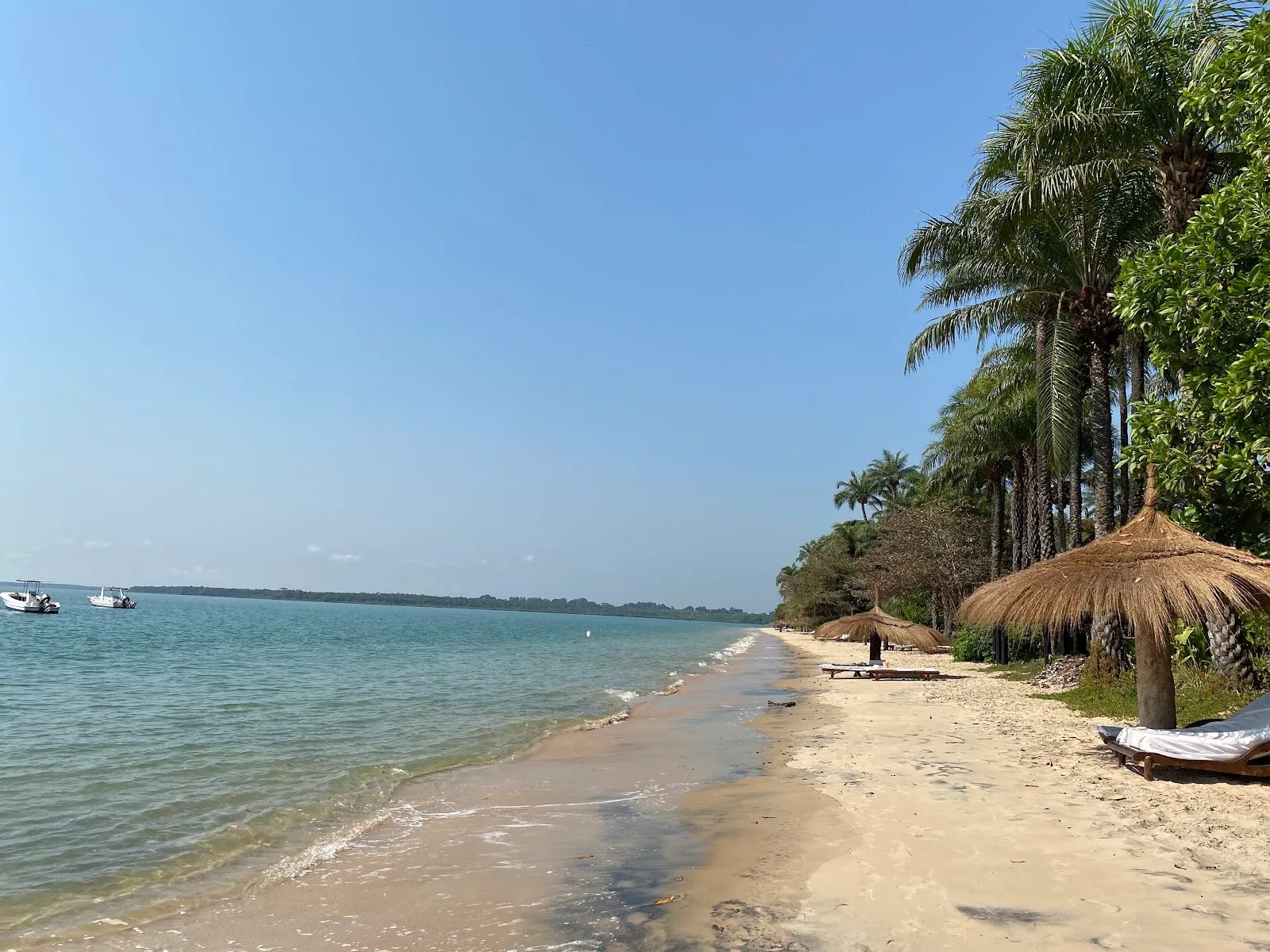
Guinea-Bissau
A small Atlantic country in West Africa, known mainly for the Bijagós islands and their unspoilt nature and beaches.
Guinea-Bissau is a small country on West Africa's Atlantic coast, with Senegal to the north and Guinea to the south and east. Bissau is the capital. The country covers about 36,126 sq km, a little larger than Belgium, and most of the land is low, flat and often swampy. Mangrove swamps line the coast, while the interior to the east is a mix of forest and savanna.
The Bijagós Archipelago, a group of islands off the coast, draws visitors who want unspoilt nature and beaches. Its biosphere reserve was listed by UNESCO in 1996 and is the country's main protected area. Portuguese is the official language, but Guinea-Bissau Creole is the main lingua franca. Gumbe, a polyrhythmic genre, is the main musical export, and Carnival has grown into one of the country's biggest cultural events. The dry season, roughly December to early May, is the usual time to visit, since roads and travel within the country are easier. Soldiers seized power on 26 November 2025, so check the security situation before you plan a trip.
Five things to know before Guinea-Bissau
- Arrange your visa before you travel
British visitors need a visa, and the UK advice lists no visa on arrival. Apply through a Guinea-Bissau embassy before you fly, and check the rule for your own passport there. Visas and entry
- Carry your yellow fever certificate
A yellow fever vaccination certificate is required to enter Guinea-Bissau.
- Plan Bijagós boats before you arrive
Public boats to Bubaque run only a few times a week, and many island lodges arrange their own transfers. Book the lodge and boat together.
- Visit in the dry season
November to May is dry. Turtles nest on Poilão and other islands mainly from about August to November, when rain is still heavy.
- Carry enough CFA francs
Cards are rarely accepted and ATMs taking foreign cards are few and mostly in Bissau. Take enough cash for the islands.
Guinea-Bissau travel guides
Practical guides from writers who live there.
Visa rules, yellow fever proof and passport validity.
Read the guideTravel insuranceCover for boat travel and remote islands.
Read the guidePhones and eSIMData in Bissau and what to expect on the islands.
Read the guideMoney and cardsCFA francs and why cash is essential.
Read the guideGetting aroundBoats to the Bijagós and road travel on the mainland.
Read the guide


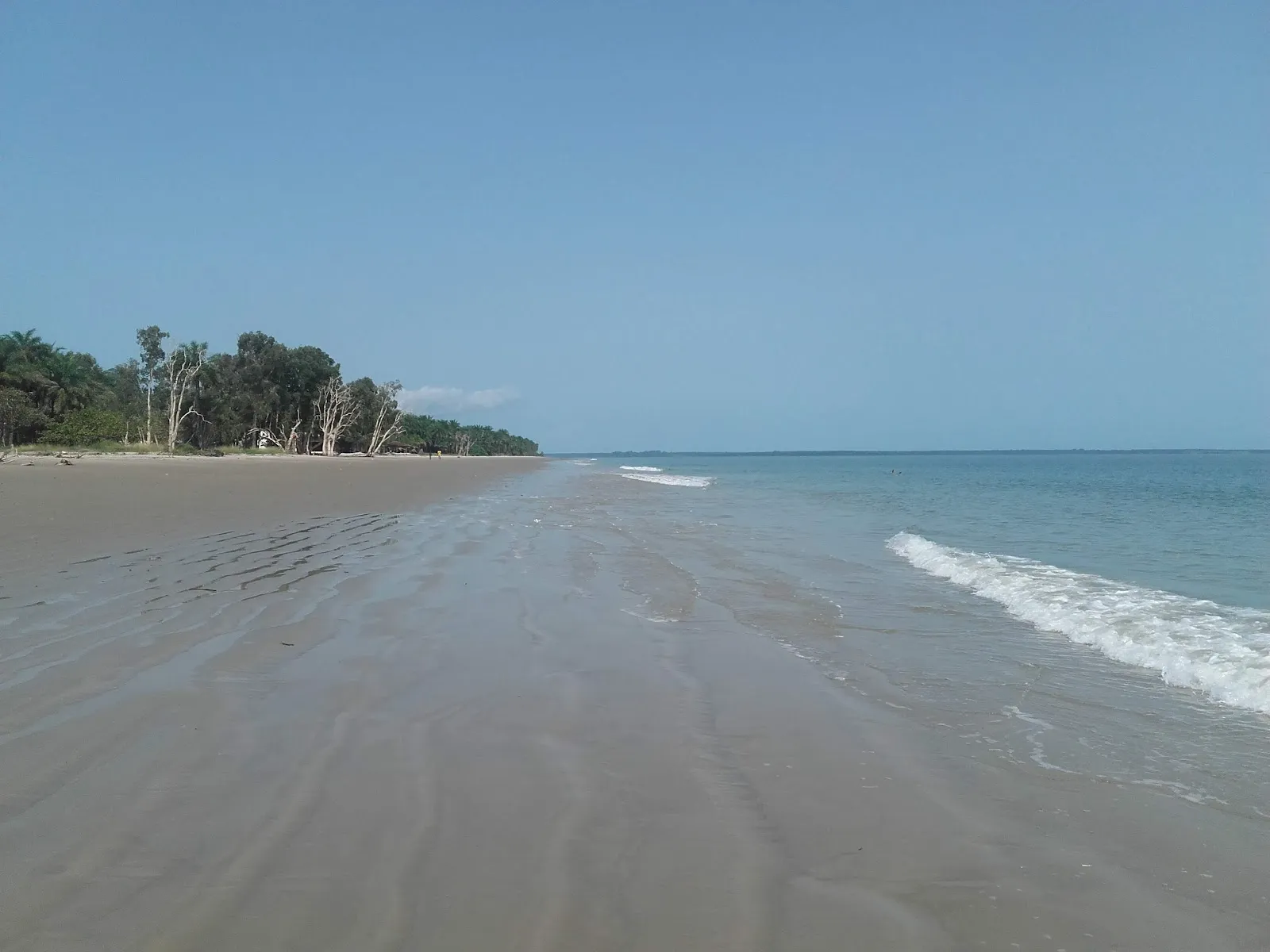
Destinations in Guinea-Bissau
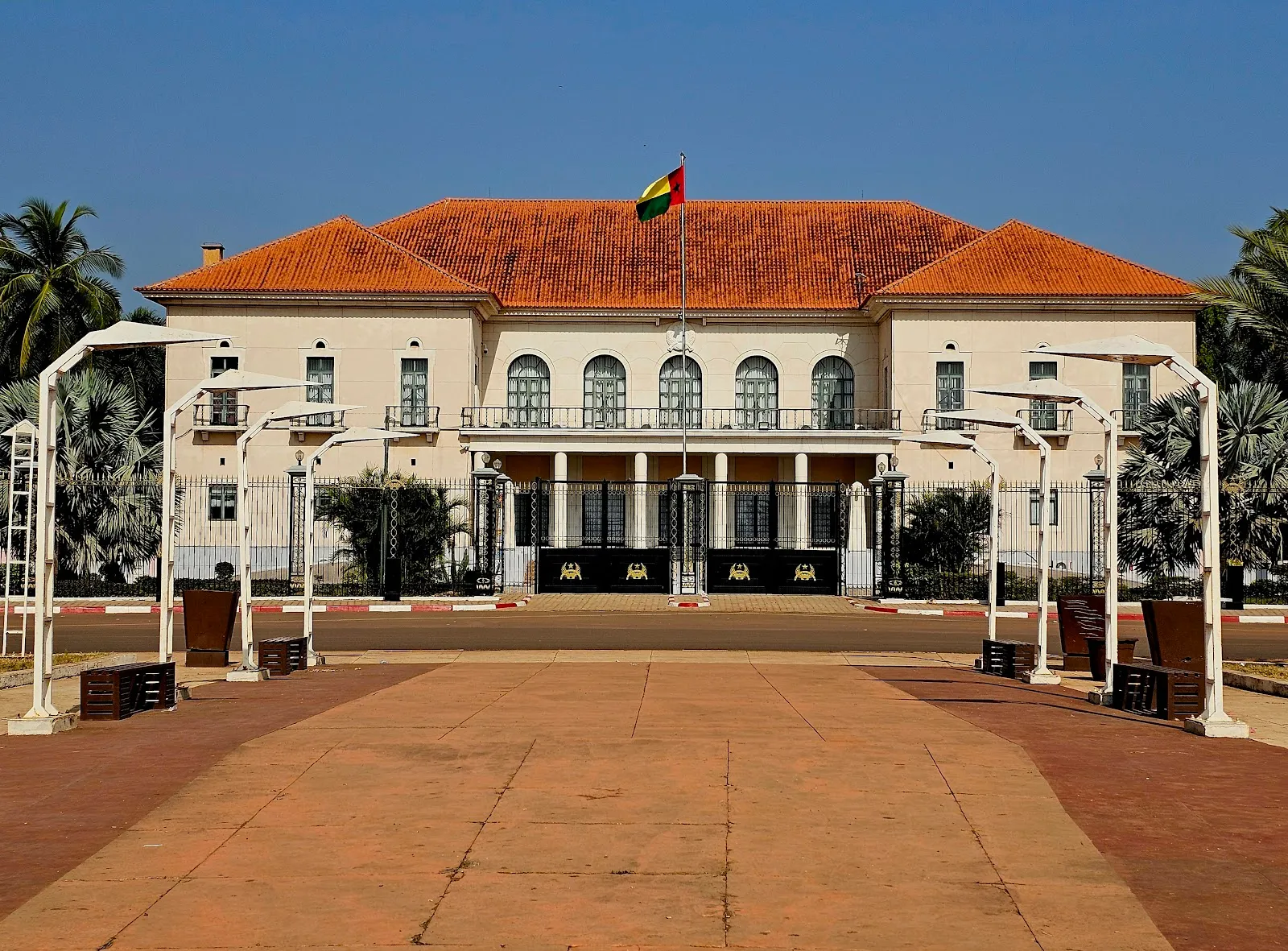
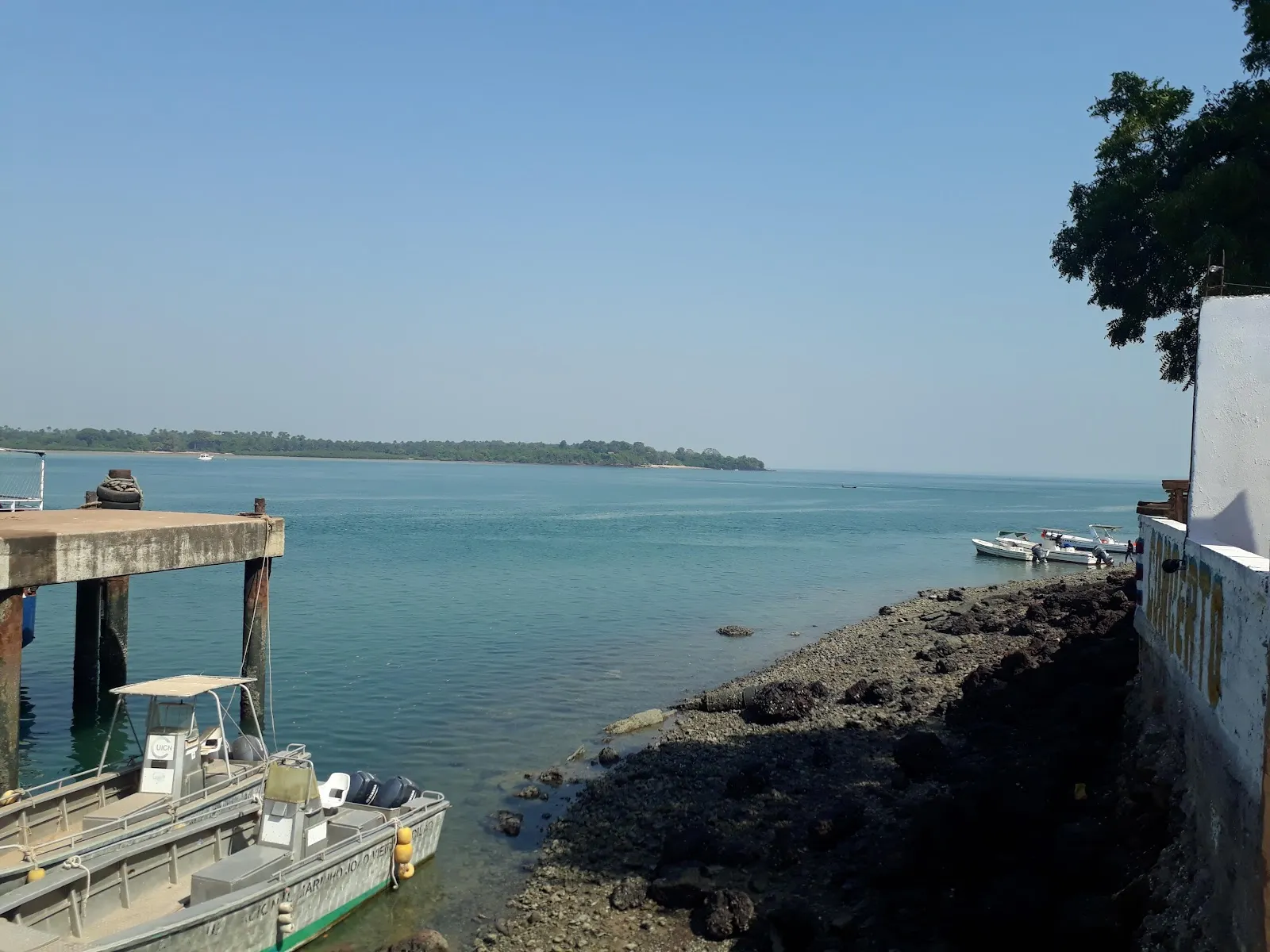
When to go
- Rainy days
- Best
- JanuaryClear0 rainy daysHigh34°Low21°Dry, sunnyJanuaryClear
Best
- High
- 34°
- Low
- 21°
- Precipitation
- 0 mm
- Rainy days
- 0
- Snowy days
- 0
- Days with storms
- 0
Dry, sunny
- FebruaryClear0 rainy daysHigh34°Low22°Dry, hotFebruaryClear
Best
- High
- 34°
- Low
- 22°
- Precipitation
- 0 mm
- Rainy days
- 0
- Snowy days
- 0
- Days with storms
- 0
Dry, hot
- MarchClear0 rainy daysHigh34°Low22°Dry, hotMarchClear
Best
- High
- 34°
- Low
- 22°
- Precipitation
- 0 mm
- Rainy days
- 0
- Snowy days
- 0
- Days with storms
- 0
Dry, hot
- AprilClear0 rainy daysHigh34°Low23°Dry, hotAprilClear
- High
- 34°
- Low
- 23°
- Precipitation
- 0 mm
- Rainy days
- 0
- Snowy days
- 0
- Days with storms
- 0
Dry, hot
- MayClear1 rainy dayHigh33°Low24°HumidMayClear
- High
- 33°
- Low
- 24°
- Precipitation
- 5 mm
- Rainy days
- 1
- Snowy days
- 0
- Days with storms
- 0
Humid
- JunePartly cloudy11 rainy daysHigh31°Low25°Rains startJunePartly cloudy
- High
- 31°
- Low
- 25°
- Precipitation
- 84 mm
- Rainy days
- 11
- Snowy days
- 0
- Days with storms
- 0
Rains start
- JulyRain28 rainy daysHigh29°Low25°WetJulyRain
- High
- 29°
- Low
- 25°
- Precipitation
- 495 mm
- Rainy days
- 28
- Snowy days
- 0
- Days with storms
- 0
Wet
- AugustRain29 rainy daysHigh28°Low25°WettestAugustRain
- High
- 28°
- Low
- 25°
- Precipitation
- 657 mm
- Rainy days
- 29
- Snowy days
- 0
- Days with storms
- 0
Wettest
- SeptemberRain27 rainy daysHigh29°Low25°WetSeptemberRain
- High
- 29°
- Low
- 25°
- Precipitation
- 418 mm
- Rainy days
- 27
- Snowy days
- 0
- Days with storms
- 0
Wet
- OctoberRain20 rainy daysHigh31°Low25°Rains easeOctoberRain
- High
- 31°
- Low
- 25°
- Precipitation
- 166 mm
- Rainy days
- 20
- Snowy days
- 0
- Days with storms
- 0
Rains ease
- NovemberClear3 rainy daysHigh33°Low24°Drying outNovemberClear
- High
- 33°
- Low
- 24°
- Precipitation
- 14 mm
- Rainy days
- 3
- Snowy days
- 0
- Days with storms
- 0
Drying out
- DecemberClear0 rainy daysHigh33°Low22°Dry, sunnyDecemberClear
Best
- High
- 33°
- Low
- 22°
- Precipitation
- 1 mm
- Rainy days
- 0
- Snowy days
- 0
- Days with storms
- 0
Dry, sunny
Average daily high and low in Bissau, 2016–2025. Rainy day: 1 mm of rain or more.
Right now in Guinea-Bissau
Local time, today's weather and the exchange rate, refreshed through the day.

28
- Feels like
- 32°
- Humidity
- 78%
- Wind
- 12 km/h
- Chance of rain
- 76%
Bissau
08:06 PM
Monday, November 2
- Today34°24°76%Monday: Drizzle. High 34°, Low 24°. Chance of rain 76%.
- Tue34°25°16%Tuesday: Cloudy. High 34°, Low 25°. Chance of rain 16%.
- Wed34°24°38%Wednesday: Fog. High 34°, Low 24°. Chance of rain 38%.
- Thu35°25°8%Thursday: Thunderstorms. High 35°, Low 25°. Chance of rain 8%.
- Fri36°25°0%Friday: Fog. High 36°, Low 25°. Chance of rain 0%.
- Sat36°26°0%Saturday: Fog. High 36°, Low 26°. Chance of rain 0%.
- Sun36°26°4%Sunday: Clear. High 36°, Low 26°. Chance of rain 4%.
Updated 04:27 PM local time · Powered by WeatherAPI.com · Weather data by Open-Meteo.com
Money
Mid-market rate1 USD = 587.8 XOF
Rates from Nov 2, 2026 · Rates By Exchange Rate API

Before you go to Guinea-Bissau
Guinea-Bissau FAQ
Do I need a visa for Guinea-Bissau?
British visitors do, and the UK advice lists no visa on arrival. Apply through a Guinea-Bissau embassy before you travel; other passports should ask the embassy about their rule.
How do I get to the Bijagós islands?
By public boat from Bissau to Bubaque, which runs only a few times a week, or by transfers arranged by island lodges.
When is the best time to visit Guinea-Bissau?
November to May, the dry season. The rains from June to October make roads and boat crossings harder.
Where can I see saltwater hippos?
On Orango, in the Bijagós, where hippos live in freshwater lagoons and swim in the sea. Visits are arranged with local guides.
What language is spoken in Guinea-Bissau?
Portuguese is official, and Kriol is spoken by most people. French is useful near the borders.