Travel advisory · EcuadorSome governments advise against travel to parts of Ecuador.The warnings cover only these areas: 20 km strip along the Colombian border, Durán, Esmeraldas City and all areas north of it, Colombian border zone, El Fortín, El Oro province, Esmeraldas province, Flor de Bastión, Guayaquil city, Guayaquil south of Portete de Tarquí Avenue, Guayas province, Huaquillas and Arenillas, Los Ríos province, Manabí province, Monte Sinaí, Nueva Prosperina, Paraíso de la Flor, Pascuales, Quevedo, Santa Elena province, Santo Domingo de los Tsáchilas, Sucumbíos province.Advice depends on your passport. Read your own government's advice before you book.Official advice
- 20 km strip along the Colombian border · avoid all travel · Canada, New Zealand, UK
- Durán · avoid all travel · Canada, Germany, Spain, New Zealand, US
- Esmeraldas City and all areas north of it · avoid all travel · Germany, Italy, US
- Colombian border zone · avoid non-essential travel · Spain, France, Italy
- El Fortín · avoid non-essential travel · Canada, New Zealand
- El Oro province · avoid non-essential travel · Canada, Spain, France, UK
- Esmeraldas province · avoid non-essential travel · Canada, Spain, France, New Zealand, UK
- Flor de Bastión · avoid non-essential travel · Canada, New Zealand
- Guayaquil city · avoid non-essential travel · France, New Zealand
- Guayaquil south of Portete de Tarquí Avenue · avoid non-essential travel · Germany, US
- Guayas province · avoid non-essential travel · Canada, Spain, France, UK
- Huaquillas and Arenillas · avoid non-essential travel · Canada, US
- Los Ríos province · avoid non-essential travel · Canada, Spain, France, UK
- Manabí province · avoid non-essential travel · Spain, France, UK
- Monte Sinaí · avoid non-essential travel · Canada, New Zealand
- Nueva Prosperina · avoid non-essential travel · Canada, US
- Paraíso de la Flor · avoid non-essential travel · Canada, New Zealand
- Pascuales · avoid non-essential travel · Canada, US
- Quevedo · avoid non-essential travel · Canada, US
- Santa Elena province · avoid non-essential travel · Spain, France, UK
- Santo Domingo de los Tsáchilas · avoid non-essential travel · Spain, France, UK
- Sucumbíos province · avoid non-essential travel · Spain, New Zealand
Also named by one government: Chinchipe canton, within 2 km of the Peruvian border (Canada), Ciudad de Dios (New Zealand), El Pangui canton, within 2 km of the Peruvian border (Canada), Entrada de la 8 (New Zealand), Nangaritza canton, within 2 km of the Peruvian border (Canada), Pueblo Viejo (US), Quinsaloma (US), Socio Vivienda (New Zealand), Yantzaza canton, within 2 km of the Peruvian border (Canada), Babahoyo (Canada), Bastión Popular (northern Guayaquil) (Canada), Esteros (southern Guayaquil) (Canada), La Florida (northern Guayaquil) (Canada), Las Orquídeas (northern Guayaquil) (Canada), Machala (Canada), Milagro (Canada), Monte Bello (northern Guayaquil) (Canada), Mucho Lote (northern Guayaquil) (Canada), Nueva Loja (France), Orellana province (Spain), Portete (southern Guayaquil) (Canada), Southern and western Guayaquil (Spain), Sur (southern Guayaquil) (Canada)
| Government | Advice | Updated | Read the advice |
|---|---|---|---|
| United Kingdom (FCDO) | No advice against the whole country (regional advisories) | – | Read the advice |
| United States (State Dept) | Exercise increased caution (regional advisories) | Aug 18, 2026 | Read the advice |
| Canada (Global Affairs) | Exercise a high degree of caution (regional advisories) | – | Read the advice |
| Germany (Auswärtiges Amt) | No advice against the whole country (regional advisories) | Oct 13, 2026 | Read the advice |
| New Zealand (SafeTravel) | Exercise increased caution (regional advisories) | – | Read the advice |
| France (Ministry for Europe and Foreign Affairs) | Zone de vigilance renforcée (reste du pays) (regional advisories) | – | Read the advice |
Checked daily from the governments' published advice; last checked Nov 2, 2026. RoamLedger summarises official advice; it is not advice from any government.

Ecuador
Ecuador puts Galápagos wildlife, high-altitude cities and Amazon rainforest within one country's borders.
Ecuador is a presidential republic in northwestern South America, bordered by Colombia to the north, Peru to the east and south, and the Pacific Ocean to the west. The equator runs through it. Its four regions are the coast, the Andean highlands, the Amazon and the Galápagos Islands, about 1,000 km west in the Pacific. Quito, the capital, sits in the highlands at about 2,850 metres, the second-highest capital city in the world. Guayaquil, the largest city, is on the coast.
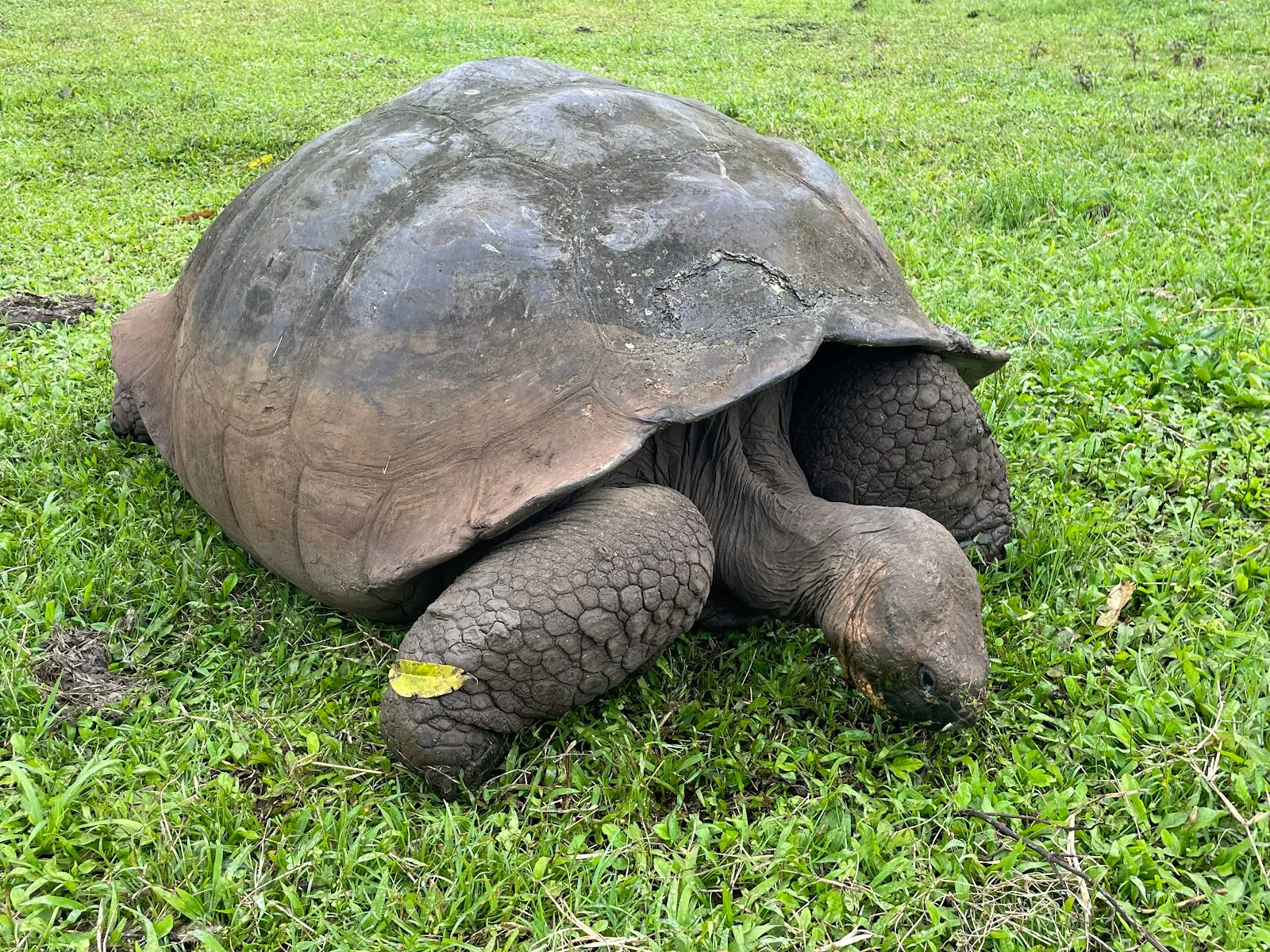
The Galápagos draw travelers for endemic wildlife, including giant tortoises, which helped inspire Charles Darwin's theory of evolution. Quito and Cuenca are both UNESCO World Heritage Sites, and Cotopaxi, one of the world's highest active volcanoes, lies just south of Quito. Altitude sets the climate. The Pacific coast has a rainy season from about December to May, the highlands are temperate and relatively dry, and the Amazon is humid year-round. Because the regions differ so much, a short trip works best when it covers one or two of them.
Five things to know before Ecuador
- Check the current UK advice before you book
Security conditions in Ecuador change quickly, and the UK government advises against travel to some regions. Read the current advice for the places on your route before you book and again before you fly. UK travel advice
- Prepare the Galápagos paperwork before you fly
Get the transit control card through the official system before your flight, and show a lodging booking and a return flight. Stays are capped at 60 days; check the park's official site for the entry fee. Galápagos entry fee and rules
- Take Quito's altitude slowly
Quito sits at about 2,850 m, and the airport is almost an hour's drive from the old town. Plan an easy first day before hikes or the Galápagos. Quito
- Bring US dollars in small notes
Ecuador uses the US dollar. Many shops, taxis and buses refuse $50 and $100 bills, so carry $1, $5, $10 and $20 notes. Money on the road
- Carry a criminal record check if you arrive overland
Visitors crossing by land or river from Peru or Colombia must show a criminal record certificate covering five years, apostilled and translated into Spanish.
Ecuador travel guides
Practical guides from writers who live there.
Cruise or island-hopping, and how to choose.
Read the guideGalápagos entry rulesThe park fee, the transit control card and what is banned.
Read the guideQuitoThe old town, the altitude and getting in from the airport.
Read the guideCuencaThe colonial center and Cajas National Park.
Read the guideVisas and entryVisa-free stays and rules for land borders.
Read the guideTravel insuranceDiving, altitude and cover the islands ask for.
Read the guide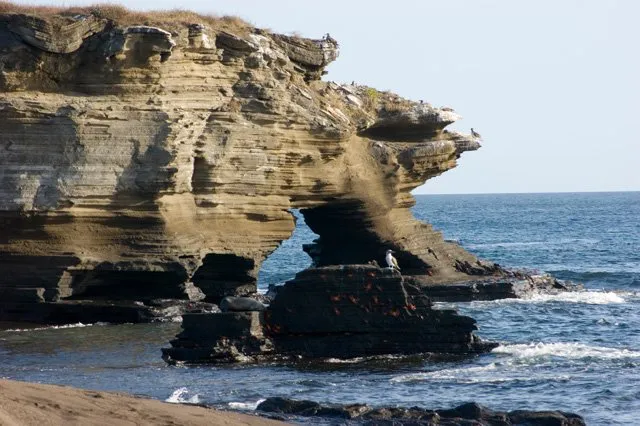






Hostel beds, cheap eats, buses and free sights.
- Bed a night
- $12
- Food
- $10
- Transport
- $1
- Sights
- Free
A 3-star room, casual restaurants, public transport and one paid sight a day.
- Bed a night
- $30
- Food
- $30
- Transport
- $7
- Sights
- $10
A 4-star room, good restaurants, taxis and a guided tour.
- Bed a night
- $65
- Food
- $70
- Transport
- $25
- Sights
- $80
When to go
- Rainy days
- Days with storms
- Best
- JanuaryRain25 rainy daysHigh17°Low10°Rainy afternoonsJanuaryRain
- High
- 17°
- Low
- 10°
- Precipitation
- 381 mm
- Rainy days
- 25
- Snowy days
- 0
- Days with storms
- 0
Rainy afternoons
- FebruaryRain26 rainy daysHigh17°Low10°Rainy afternoonsFebruaryRain
- High
- 17°
- Low
- 10°
- Precipitation
- 444 mm
- Rainy days
- 26
- Snowy days
- 0
- Days with storms
- 0
Rainy afternoons
- MarchRain29 rainy daysHigh17°Low10°RainyMarchRain
- High
- 17°
- Low
- 10°
- Precipitation
- 571 mm
- Rainy days
- 29
- Snowy days
- 0
- Days with storms
- 0
Rainy
- AprilRain28 rainy daysHigh17°Low10°RainiestAprilRain
- High
- 17°
- Low
- 10°
- Precipitation
- 481 mm
- Rainy days
- 28
- Snowy days
- 0
- Days with storms
- 0
Rainiest
- MayRain25 rainy daysHigh17°Low10°Rain easingMayRain
- High
- 17°
- Low
- 10°
- Precipitation
- 299 mm
- Rainy days
- 25
- Snowy days
- 0
- Days with storms
- 0
Rain easing
- JuneRain20 rainy days1 day with stormsHigh17°Low9°Dry seasonJuneRain
Best
- High
- 17°
- Low
- 9°
- Precipitation
- 158 mm
- Rainy days
- 20
- Snowy days
- 0
- Days with storms
- 1
Dry season
- JulyCloudy12 rainy daysHigh18°Low9°Dry, sunnyJulyCloudy
Best
- High
- 18°
- Low
- 9°
- Precipitation
- 77 mm
- Rainy days
- 12
- Snowy days
- 0
- Days with storms
- 0
Dry, sunny
- AugustRain15 rainy days2 days with stormsHigh19°Low9°Dry, windyAugustRain
Best
- High
- 19°
- Low
- 9°
- Precipitation
- 79 mm
- Rainy days
- 15
- Snowy days
- 0
- Days with storms
- 2
Dry, windy
- SeptemberRain17 rainy days2 days with stormsHigh19°Low9°Dry seasonSeptemberRain
Best
- High
- 19°
- Low
- 9°
- Precipitation
- 114 mm
- Rainy days
- 17
- Snowy days
- 0
- Days with storms
- 2
Dry season
- OctoberRain26 rainy days2 days with stormsHigh18°Low10°Showers returnOctoberRain
- High
- 18°
- Low
- 10°
- Precipitation
- 295 mm
- Rainy days
- 26
- Snowy days
- 0
- Days with storms
- 2
Showers return
- NovemberRain28 rainy days1 day with stormsHigh17°Low10°Rainy afternoonsNovemberRain
- High
- 17°
- Low
- 10°
- Precipitation
- 401 mm
- Rainy days
- 28
- Snowy days
- 0
- Days with storms
- 1
Rainy afternoons
- DecemberRain26 rainy daysHigh17°Low10°Rainy afternoonsDecemberRain
- High
- 17°
- Low
- 10°
- Precipitation
- 382 mm
- Rainy days
- 26
- Snowy days
- 0
- Days with storms
- 0
Rainy afternoons
Average daily high and low in Quito, 2016–2025. Rainy day: 1 mm of rain or more.
Right now in Ecuador
Local time, today's weather and the exchange rate, refreshed through the day.

19
- Feels like
- 17°
- Humidity
- 56%
- Wind
- 9 km/h
- Chance of rain
- 94%
Quito
03:05 PM
Monday, November 2
- Today18°10°94%Monday: Rain. High 18°, Low 10°. Chance of rain 94%.
- Tue19°11°91%Tuesday: Rain. High 19°, Low 11°. Chance of rain 91%.
- Wed18°11°99%Wednesday: Rain. High 18°, Low 11°. Chance of rain 99%.
- Thu17°10°100%Thursday: Rain. High 17°, Low 10°. Chance of rain 100%.
- Fri17°11°100%Friday: Rain. High 17°, Low 11°. Chance of rain 100%.
- Sat17°11°94%Saturday: Rain. High 17°, Low 11°. Chance of rain 94%.
- Sun20°10°55%Sunday: Drizzle. High 20°, Low 10°. Chance of rain 55%.
Updated 12:35 PM local time · Powered by WeatherAPI.com · Weather data by Open-Meteo.com
Money
Mid-market rate1 EUR = 1.116 USD
Rates from Nov 2, 2026 · Rates By Exchange Rate API


On tour in Ecuador: Karol G Tropitour Quito, Jan 15 – 17, 2027
Before you go to Ecuador
Ecuador FAQ
Do I need a visa for Ecuador?
UK and Canadian citizens can visit visa-free for up to 90 days in any 12 months; check other passports on Ecuador's official site. Keep at least six months of passport validity beyond your planned departure.
How do I get to the Galápagos?
By flight from Quito or Guayaquil to Baltra or San Cristóbal. Get the transit control card before you fly, and check the park's official site for the entry fee and how to pay.
Is it safe to travel to Ecuador right now?
The UK government advises against travel to some parts of the country, and conditions change. Check the current official advice for the regions on your route before you book and again before you fly.
How many days do I need in Ecuador?
Five to eight days for the Galápagos, plus two in Quito. Add three days for Cuenca or the Amazon for a two-week trip.
When is the best time to visit the Galápagos?
Any month works. December to May is warmer with calmer seas; June to November is cooler and drier, with rougher water and more marine life.