Travel advisory · JapanSome governments advise against travel to parts of Japan.The warnings cover only these areas: Fukushima Daiichi evacuation and restricted zones.Advice depends on your passport. Read your own government's advice before you book.Official advice
- Fukushima Daiichi evacuation and restricted zones · avoid all travel · Germany, France
| Government | Advice | Updated | Read the advice |
|---|---|---|---|
| United Kingdom (FCDO) | No advice against travel to the country | – | Read the advice |
| United States (State Dept) | Exercise normal precautions | May 15, 2025 | Read the advice |
| Canada (Global Affairs) | Take normal security precautions | – | Read the advice |
| Germany (Auswärtiges Amt) | No advice against the whole country; travel to other parts of Japan is radiologically harmless (regional advisories) | Oct 13, 2026 | Read the advice |
| New Zealand (SafeTravel) | Exercise normal safety and security precautions | – | Read the advice |
| Ireland (Department of Foreign Affairs) | Normal Precautions | – | Read the advice |
| France (Ministry for Europe and Foreign Affairs) | No advice against the whole country (regional advisories) | – | Read the advice |
Checked daily from the governments' published advice; last checked Nov 2, 2026. RoamLedger summarises official advice; it is not advice from any government.

Japan
Japan is known for old temples and cities linked by fast trains, with Mount Fuji, hot springs and mountain trails beyond the big cities.
Japan is a country of islands in East Asia, with the Pacific Ocean on one side and the Sea of Japan on the other. It is made up of about 14,125 islands. Four are main islands: Hokkaido, Honshu, Shikoku and Kyushu. Okinawa is often counted as a fifth. About three-quarters of the land is mountainous or hilly, so most people live on the narrow coastal plains. Tokyo is the capital in practice and the largest city, while Kyoto and Nara are old capitals with many temples.
Travelers come for temples, shrines and castles, for food such as sushi, ramen and tempura, and for hot springs and mountain trails. Mount Fuji, at 3,776 m, is the country's highest peak. Shinkansen bullet trains link the big cities. The climate varies widely: Hokkaido has cold, snowy winters, while Okinawa is subtropical, with a rainy season that starts in early May and hot summers. Spring and autumn are the most comfortable seasons across most of the country.
Five things to know before Japan
- Get an IC card before your first train
Suica and Pasmo work on most trains, buses and many shops in the big cities. Many small shops, rural places and shrine offerings still need cash, so carry some yen too. Money in Japan: cash, cards and IC cards
- Price your route before you buy a JR Pass
The pass covers JR trains but not private railways, and its price changes. Add up your own legs before you buy. A trip inside one region can cost less without it. Is the JR Pass still worth it? Price your route first
- Check the tattoo rule before you bathe
Many onsen and public baths refuse people with visible tattoos, and each place sets its own rule. Read the sign at the entrance and ask staff before you undress. Onsen etiquette and the tattoo rule: what signs say
- Set up data before you land
Maps and transit apps help you find platforms and exits from the first hour. Buy an eSIM or pocket Wi-Fi before you arrive so you do not have to look for a shop with your bags. Phones and eSIM
- Ask your hotel about quakes and tsunami
Japan sits on the Pacific Ring of Fire, so earthquakes and tsunami are real risks in many regions. Ask where the evacuation route and shelter are on your first day, and save the emergency numbers.
Japan travel guides
Practical guides from writers who live there.
Month by month, with the rainy season, heat and autumn color.
Read the guideGetting aroundTrains, buses and how to pay for them across the country.
Read the guideMoney and costsCash, cards and what a day in Japan costs.
Read the guideVisas and entryEntry rules by passport and what to expect at the border.
Read the guideWhere to stayHotels, hostels and ryokan by region, with availability checks.
Read the guide

Destinations in Japan


 CityTokyoExplore
 CityOsakaExplore
 CityKōbeExplore
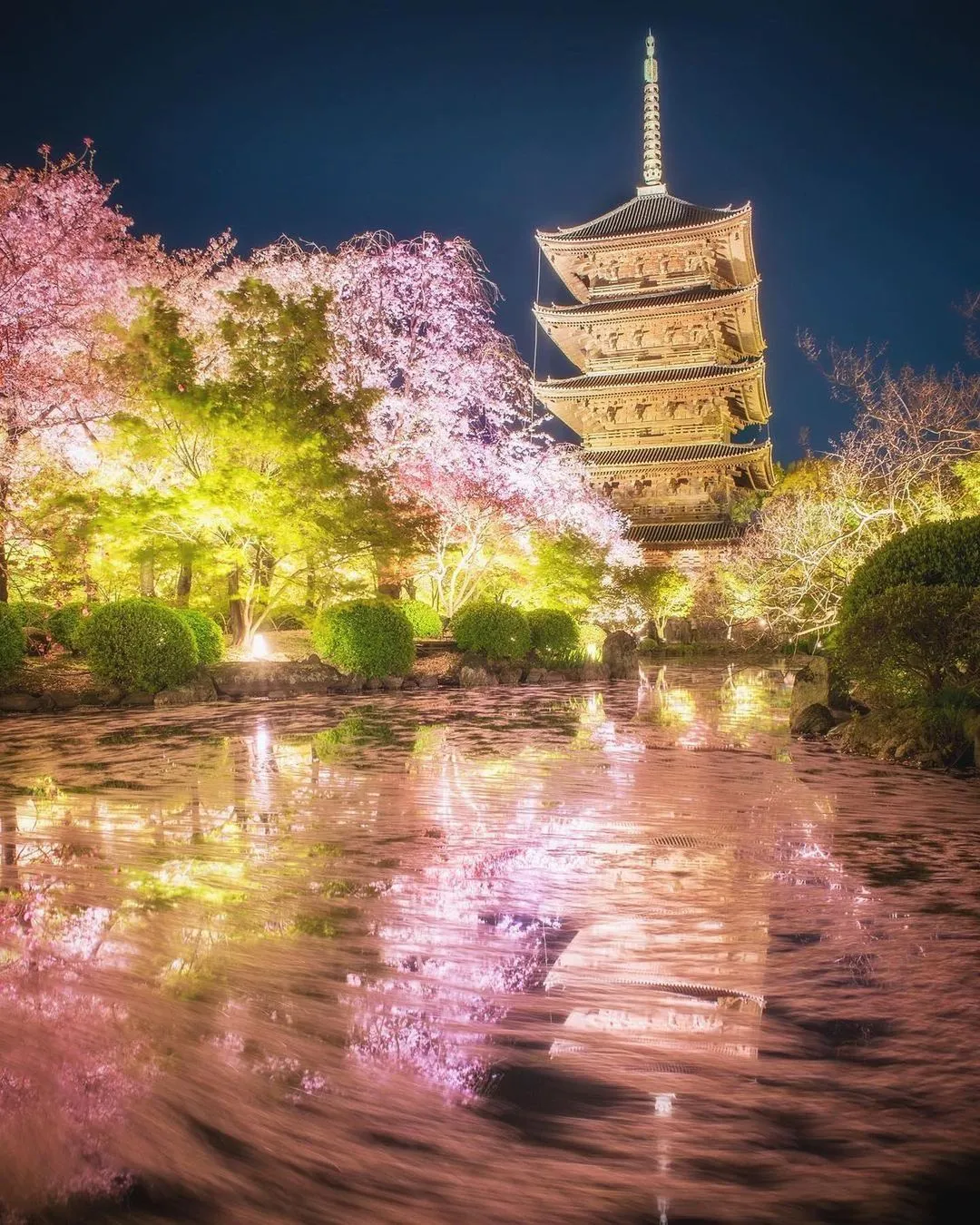 CityKyotoExplore
 CityNagasakiExplore
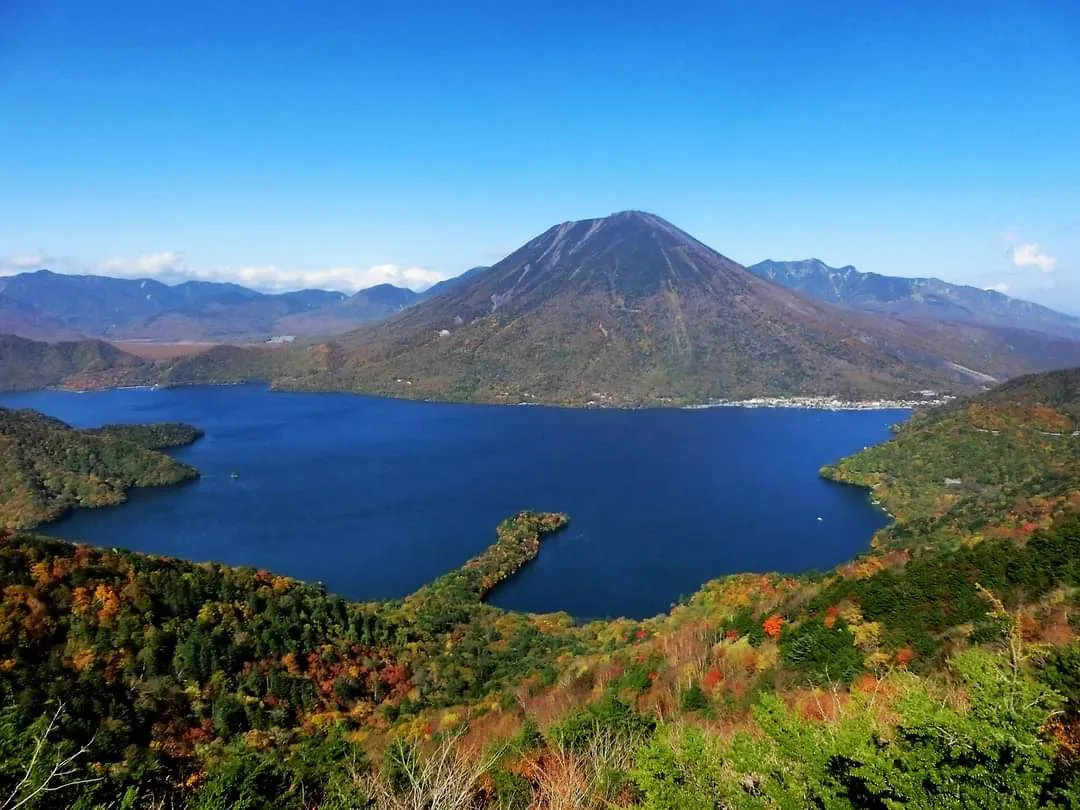 CityNikkōExplore
 CityKanazawaExplore
 CityNaraExplore
 CityFukuokaExplore
 CityTakayamaExplore
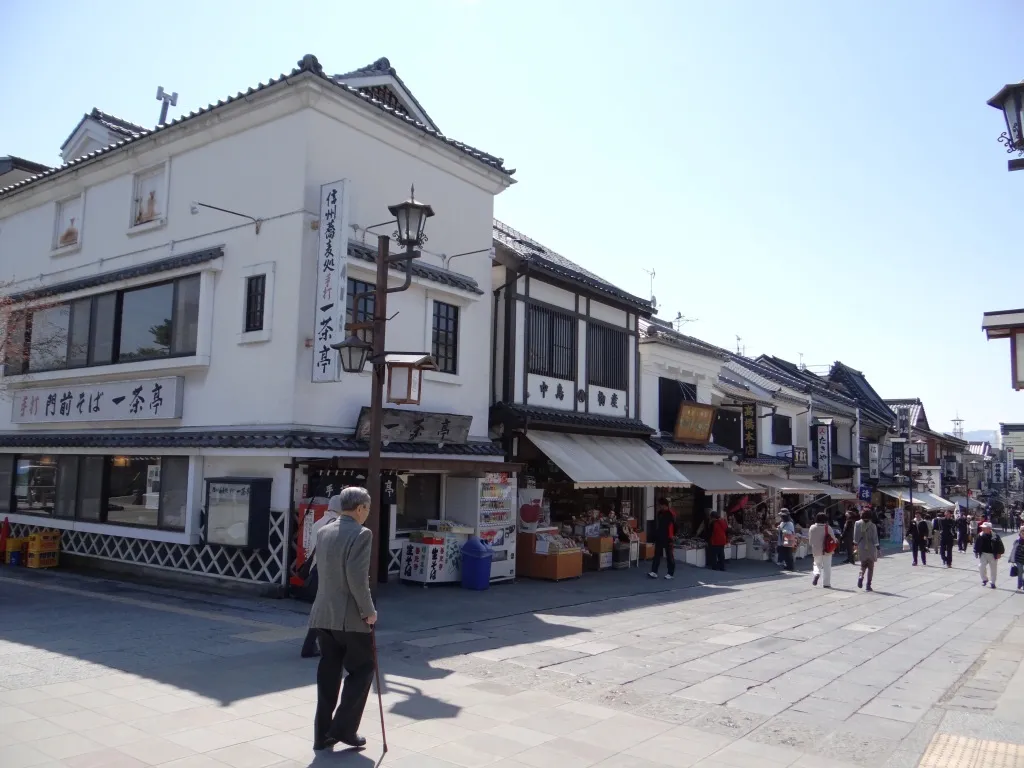 CityNaganoExplore
 CityHiroshimaExplore
 CityBeppuExplore
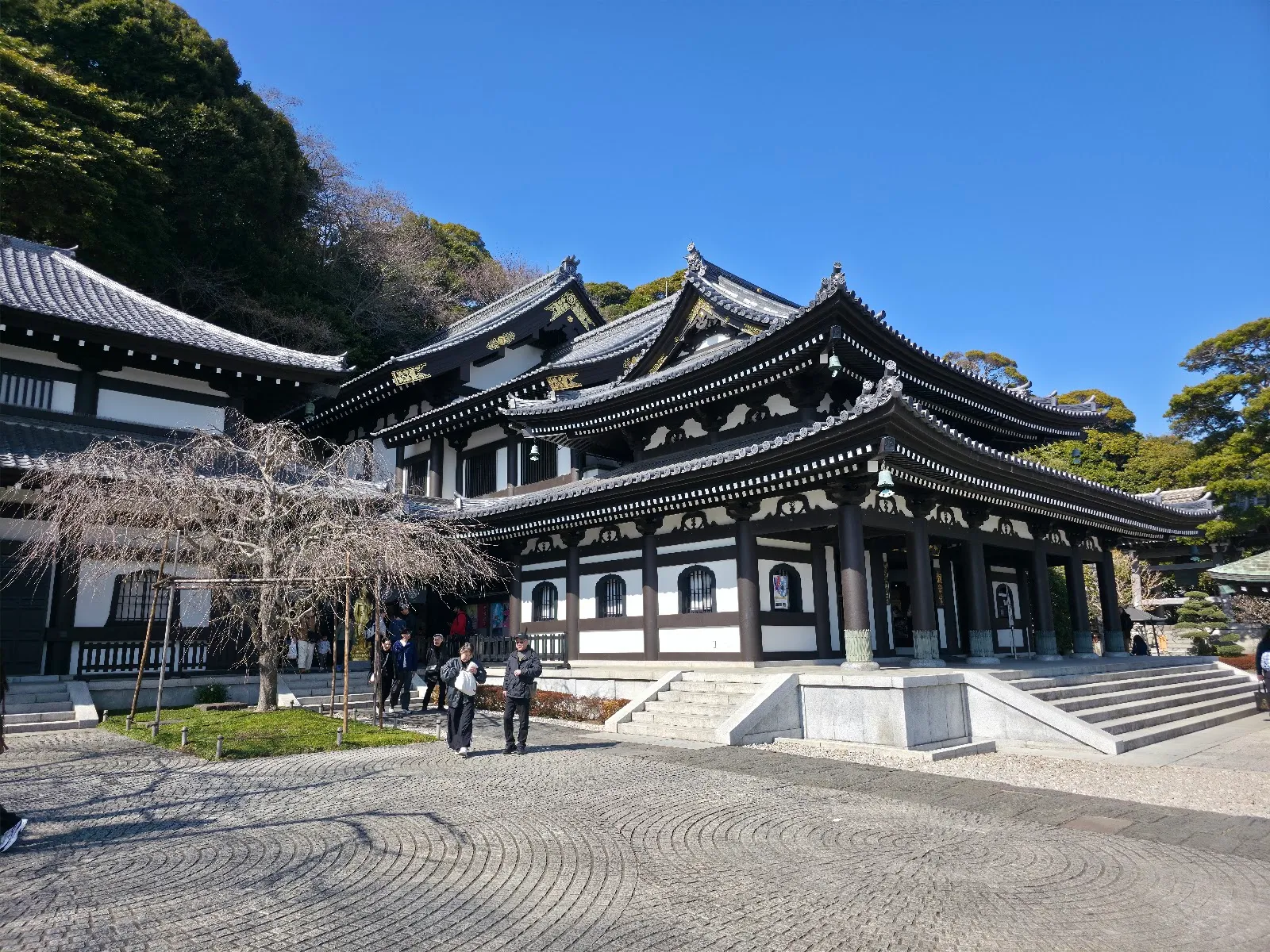 CityKamakuraExplore
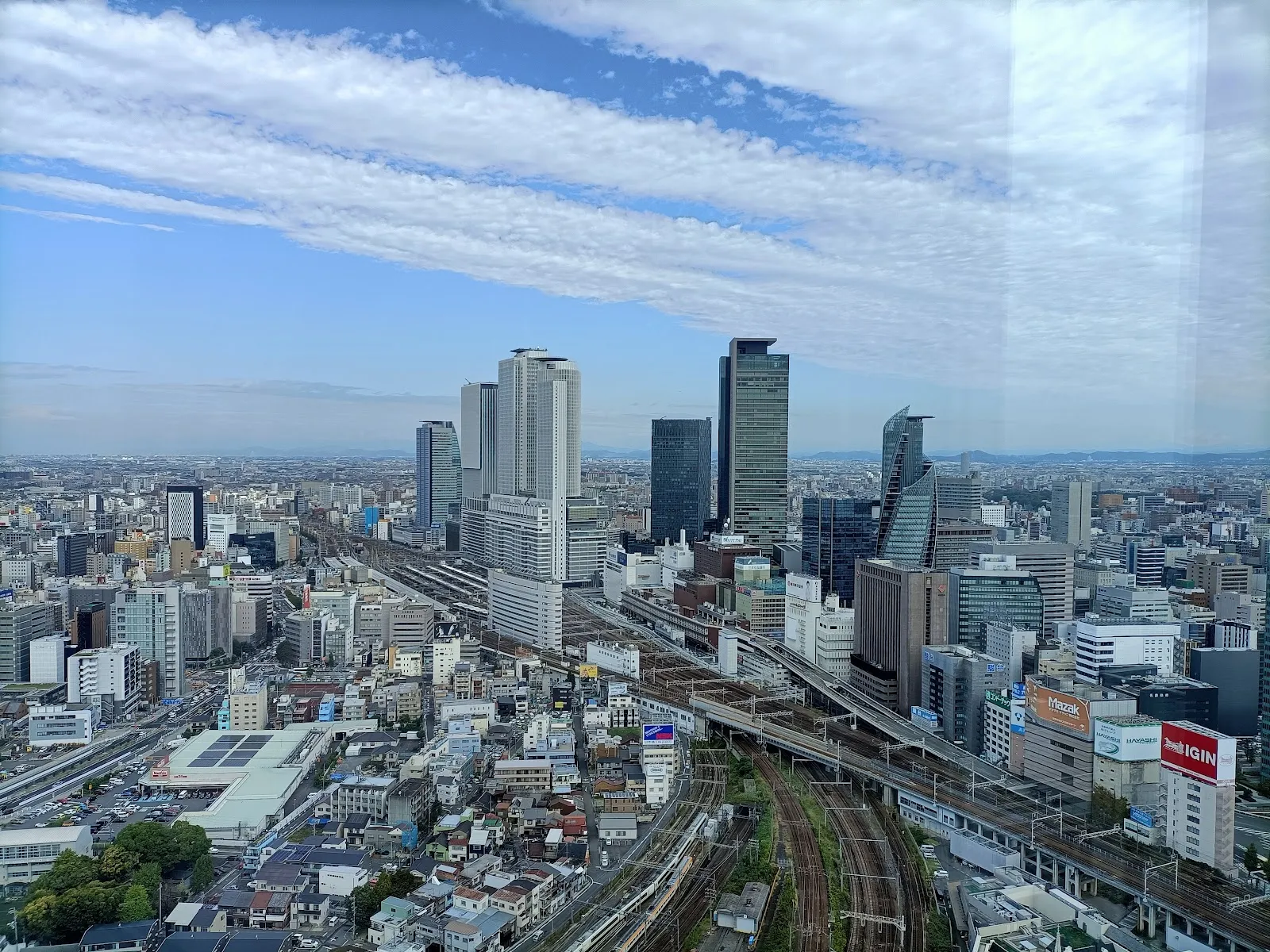 CityNagoyaExplore
 CitySapporoExplore
 CityMatsumotoExplore
 CityYokohamaExplore
 CityKumamotoExplore
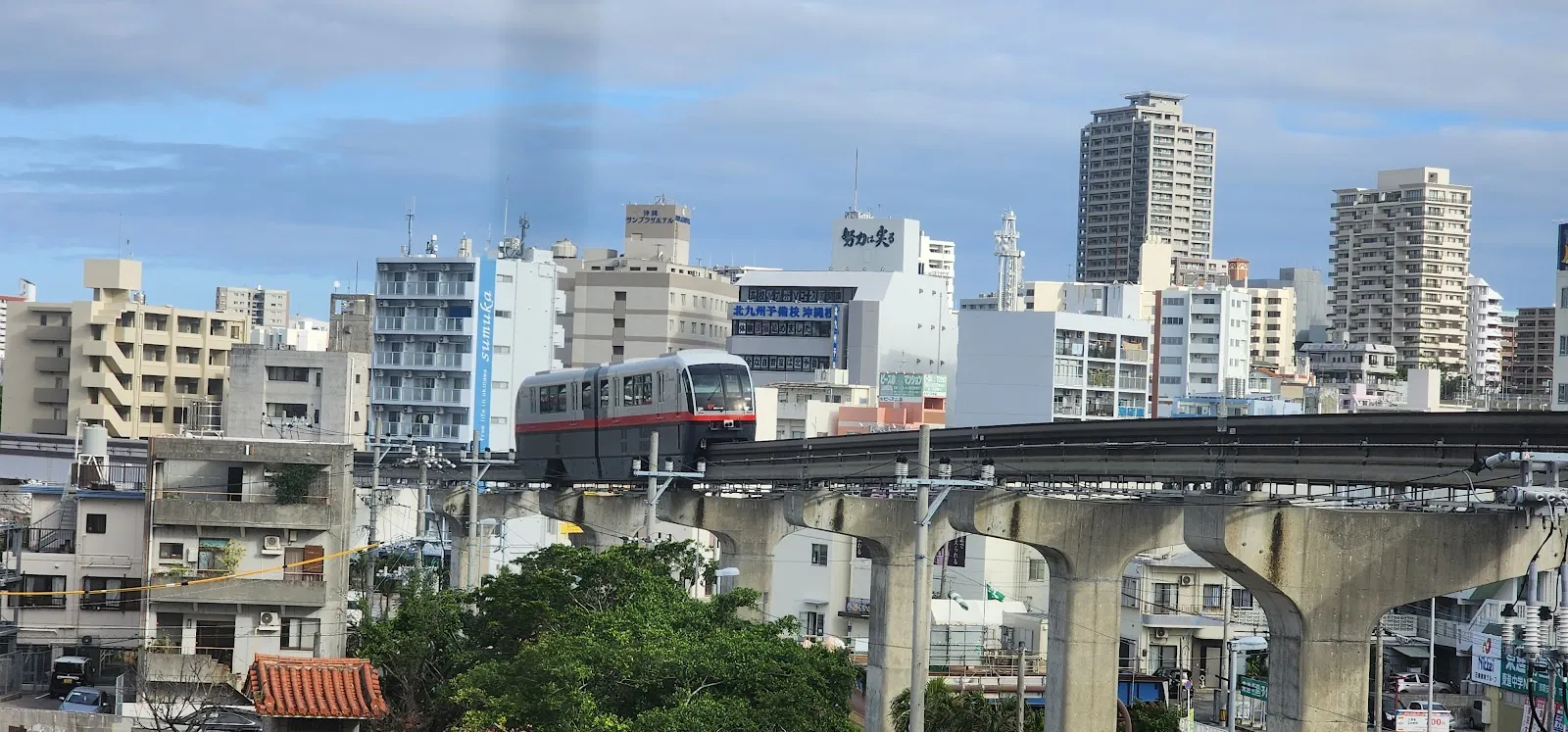 CityNahaExplore
 CityFuranoExplore
 CitySendaiExplore
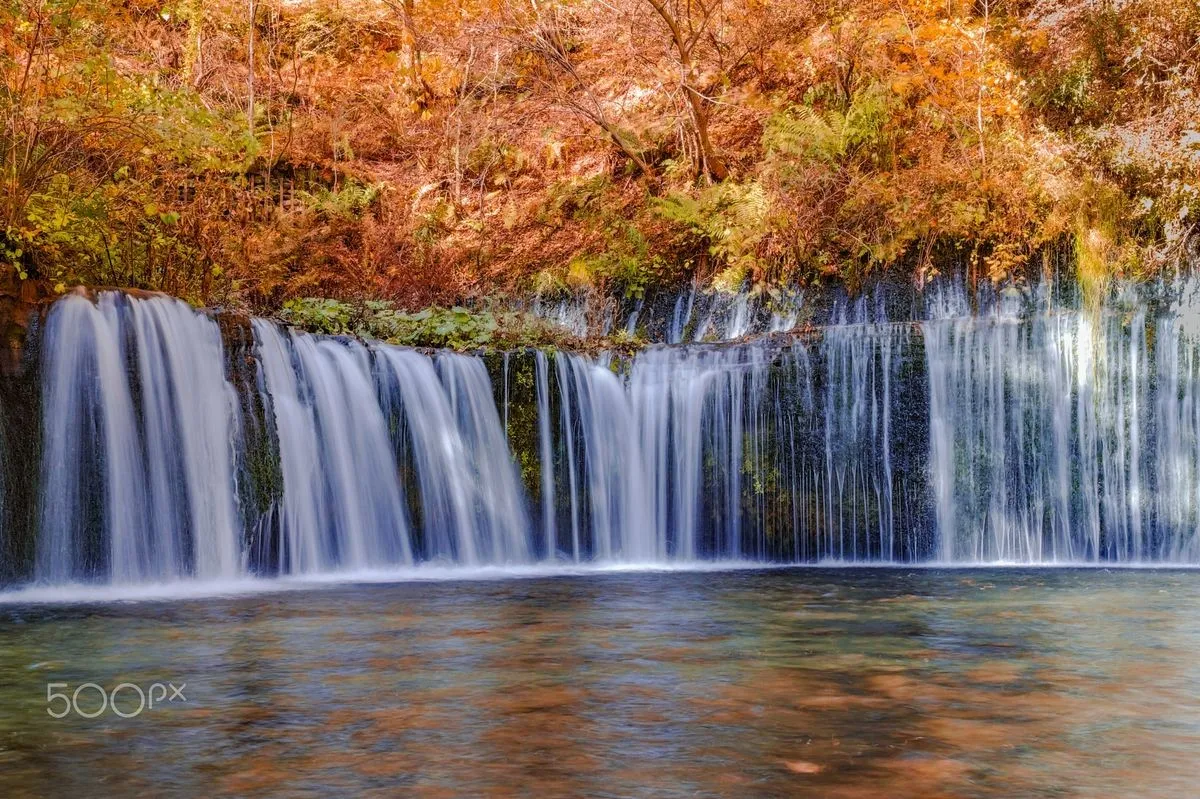 CityKaruizawaExplore
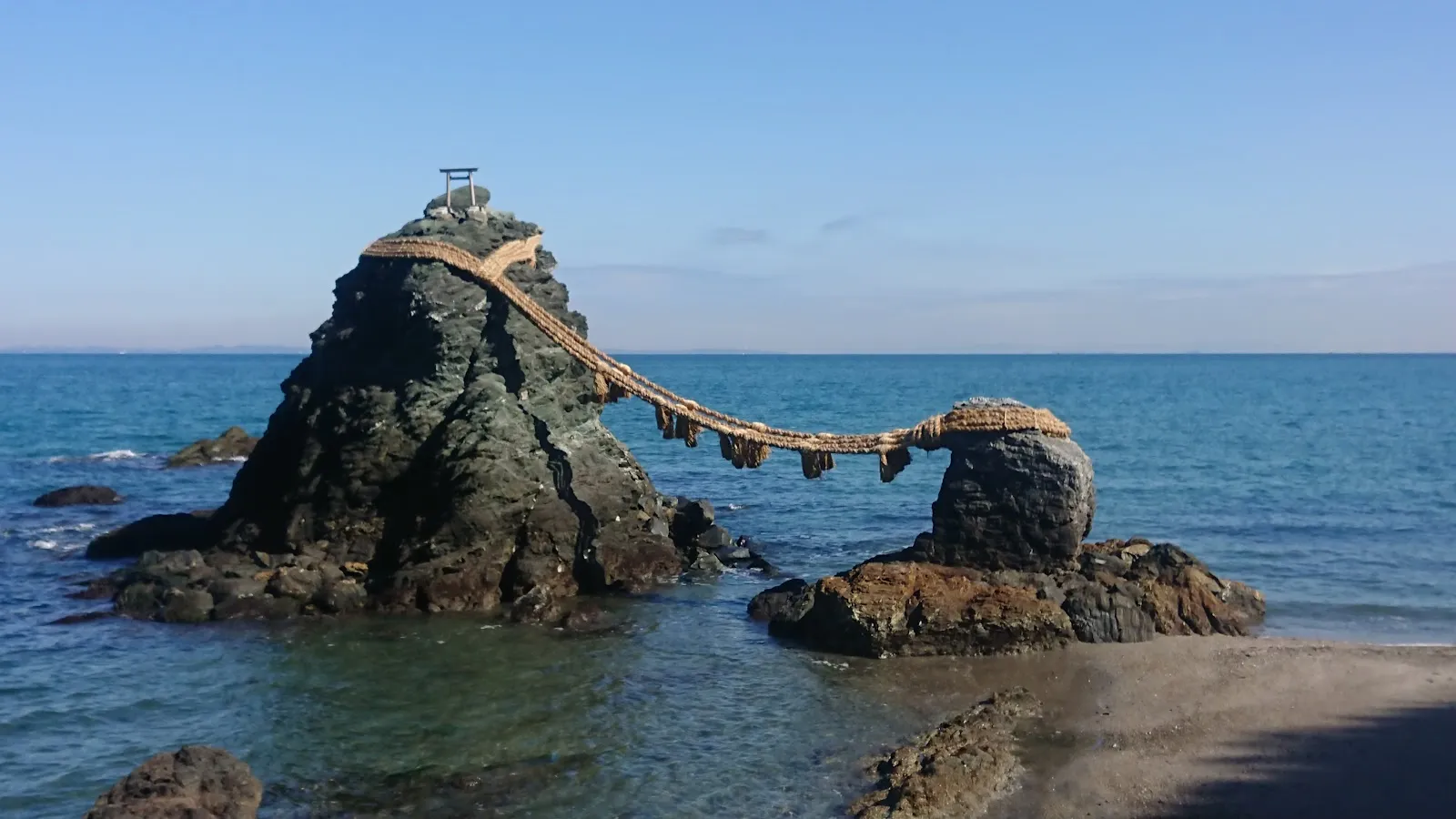 CityIseExplore
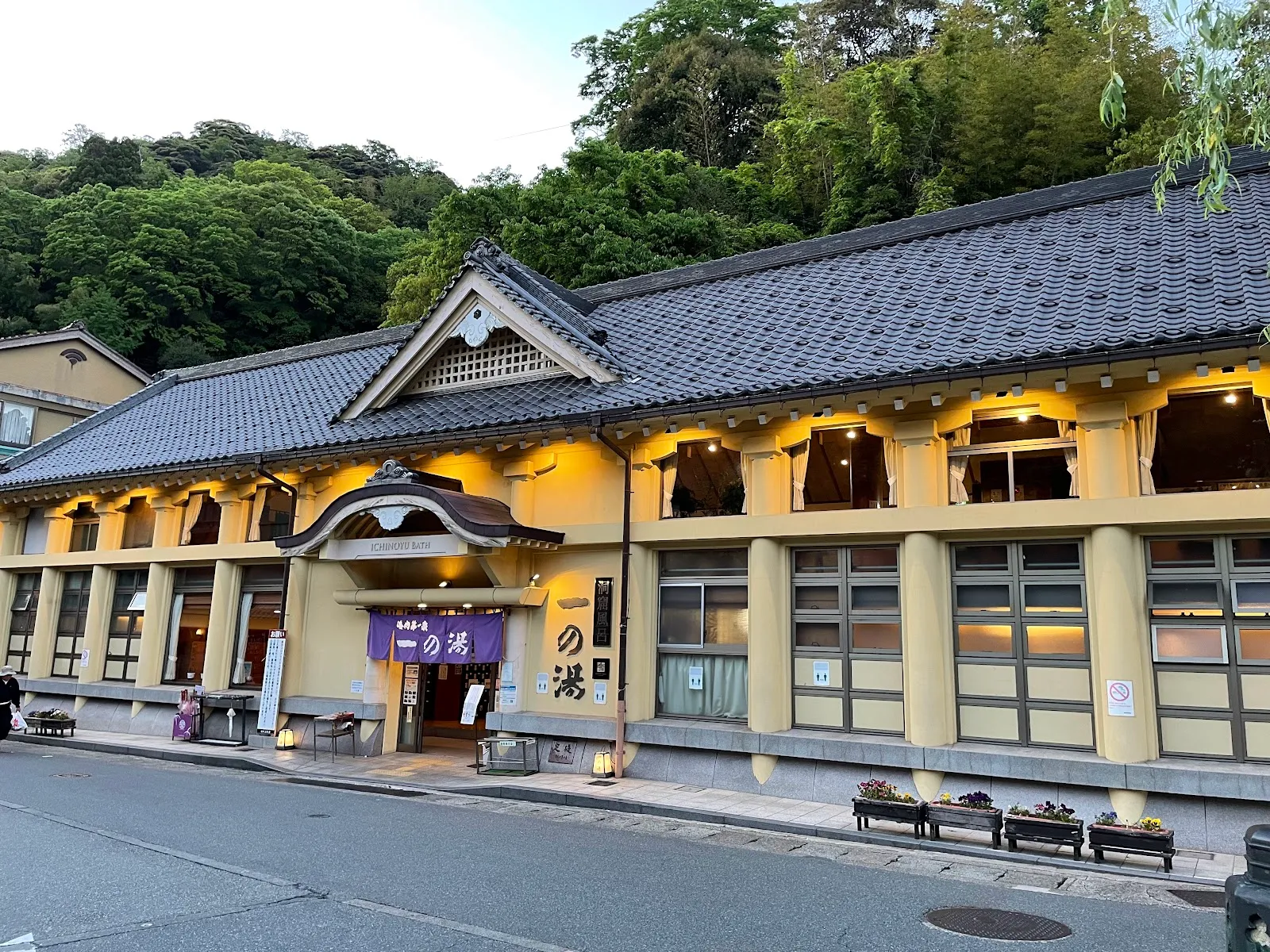 CityKinosaki OnsenExplore
 CityTakamatsuExplore
 CityTottoriExplore
 CityHimejiExplore
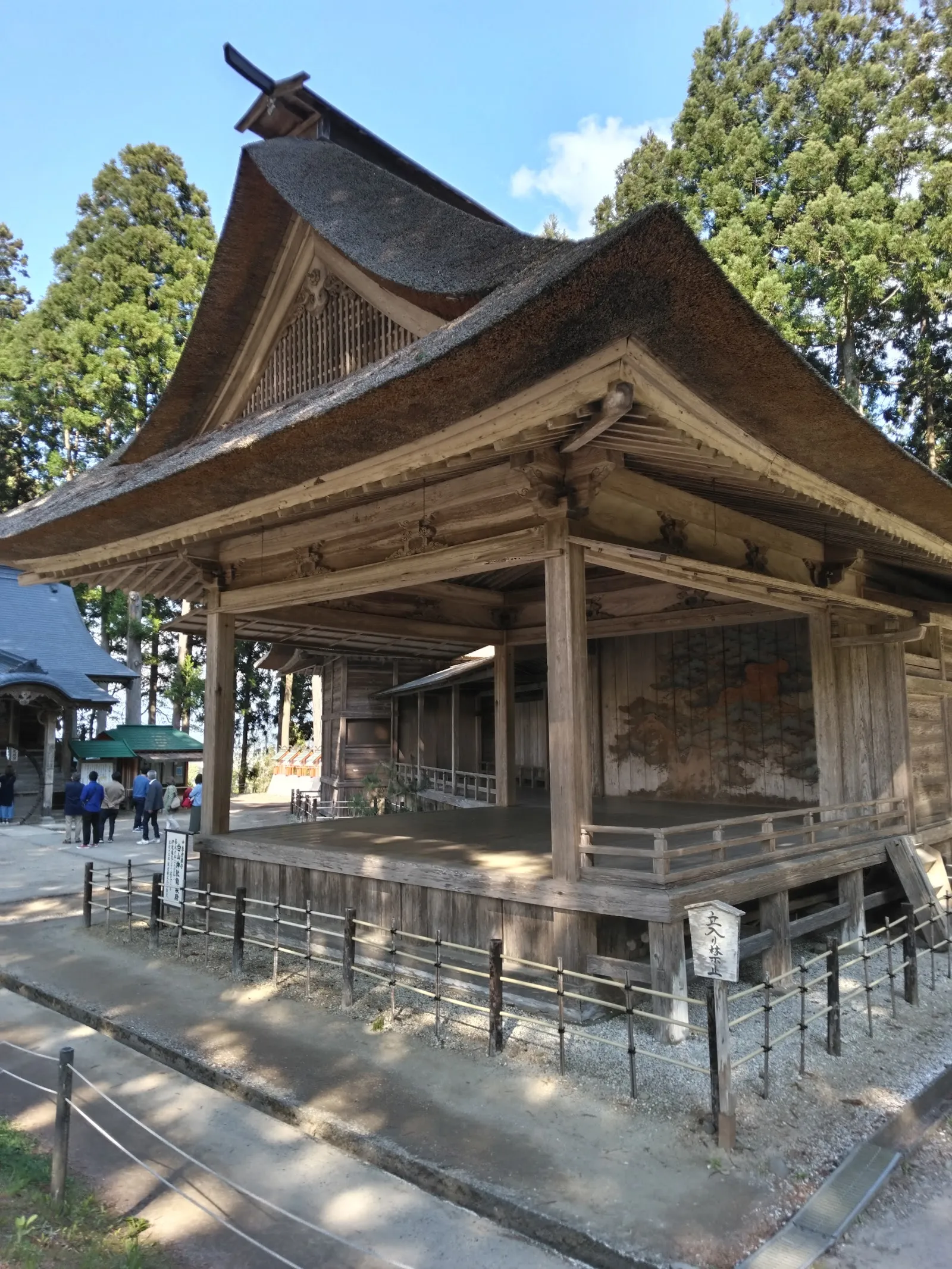 CityHiraizumiExplore
 CityOnomichiExplore
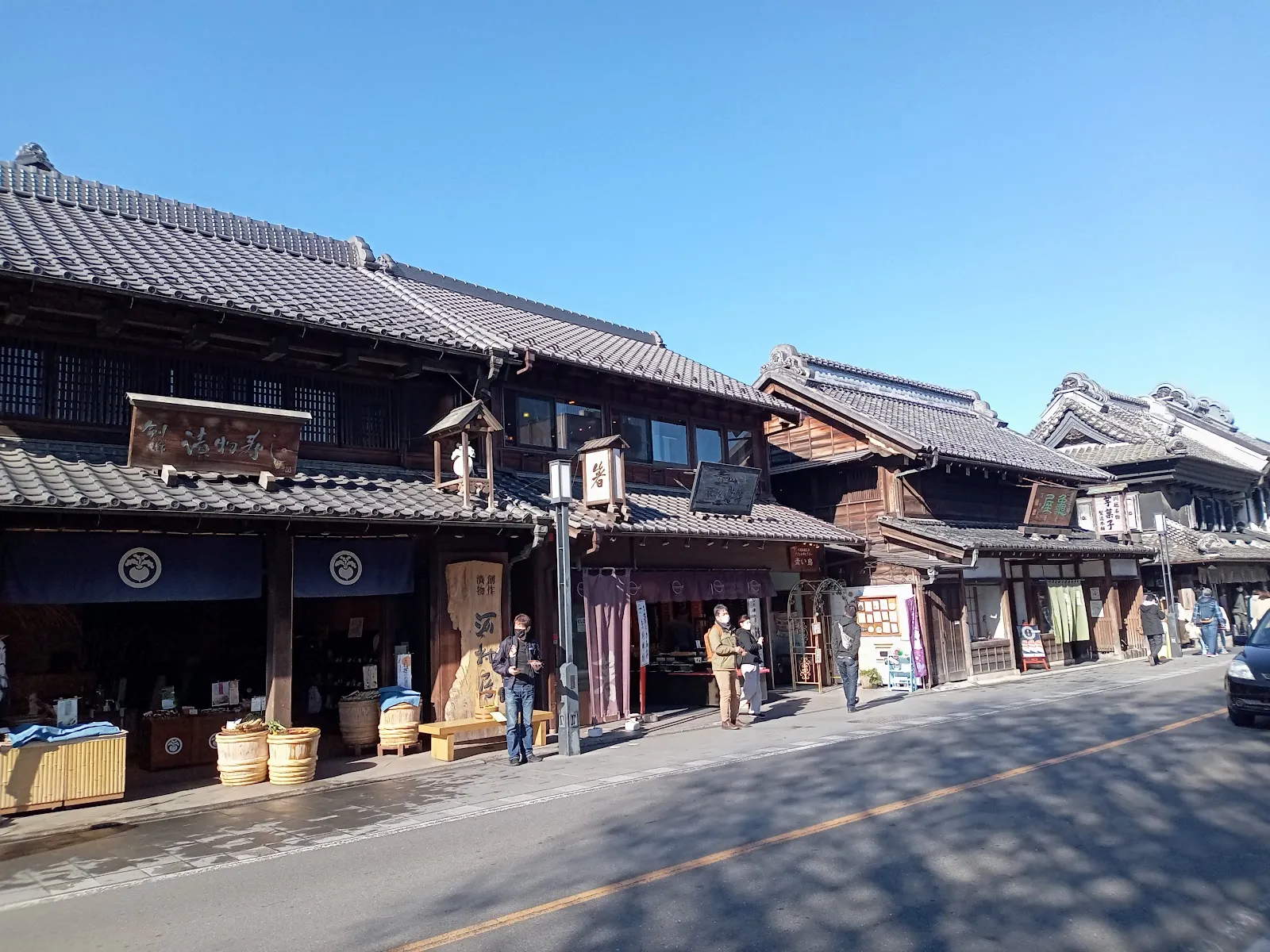 CityKawagoeExplore
 CityKurashikiExplore
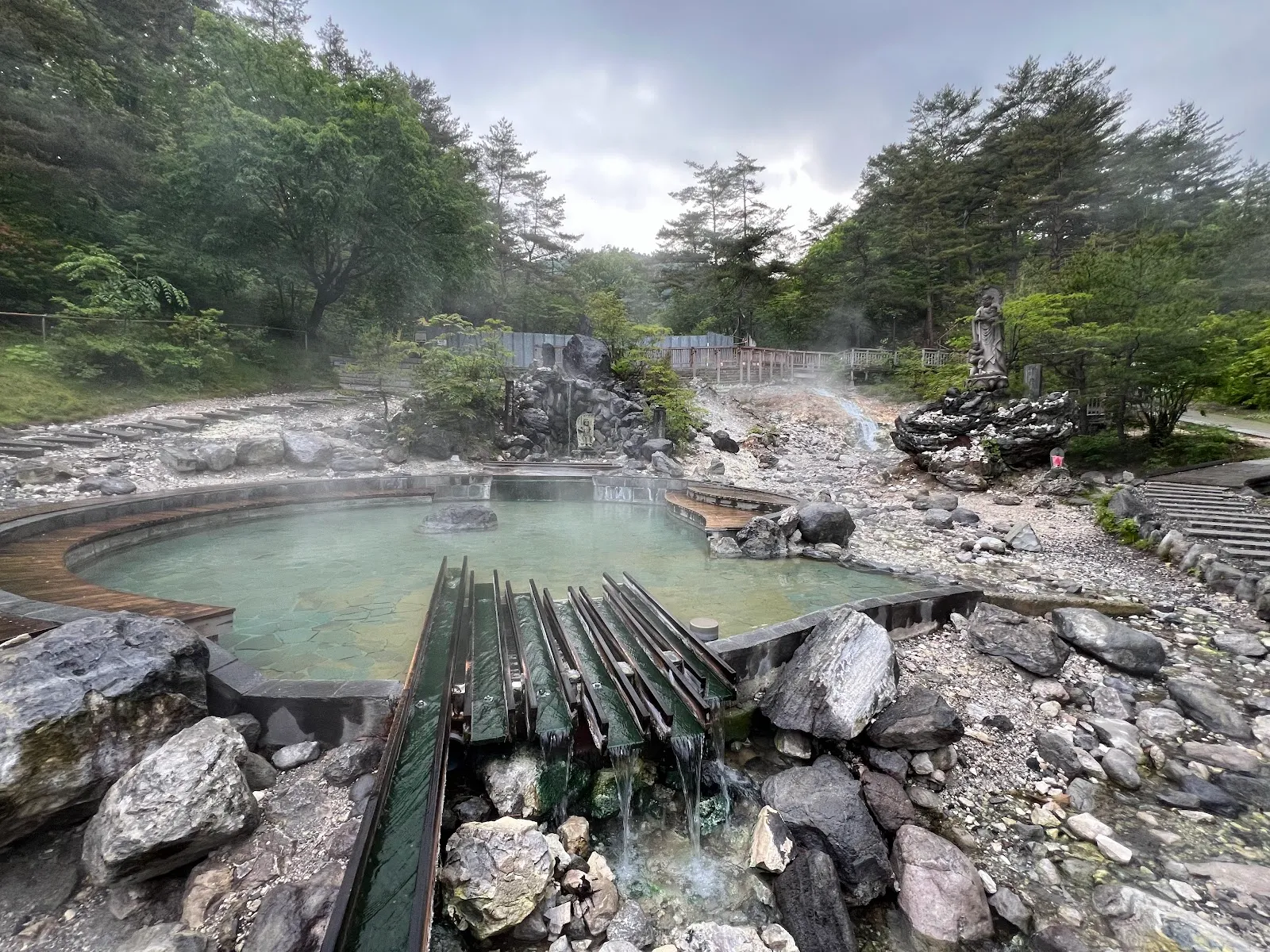 CityKusatsu OnsenExplore
 CityNisekoExplore
 CityKawaguchikoExplore
 CityHakodateExplore
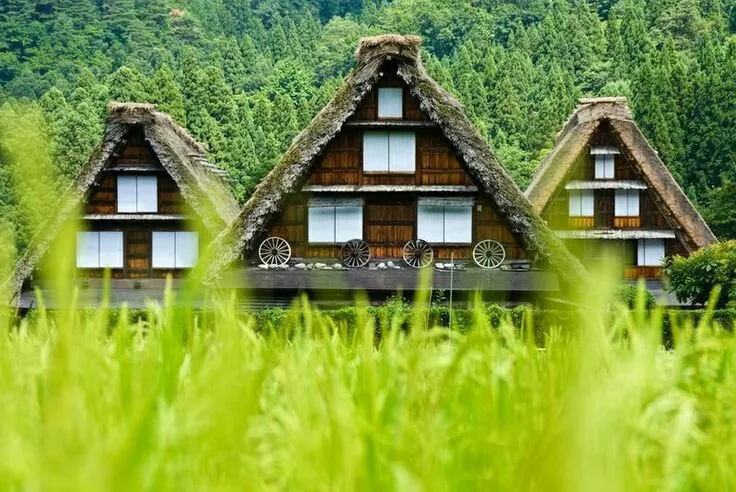 CityShirakawa-goExplore
 CityKagoshimaExplore
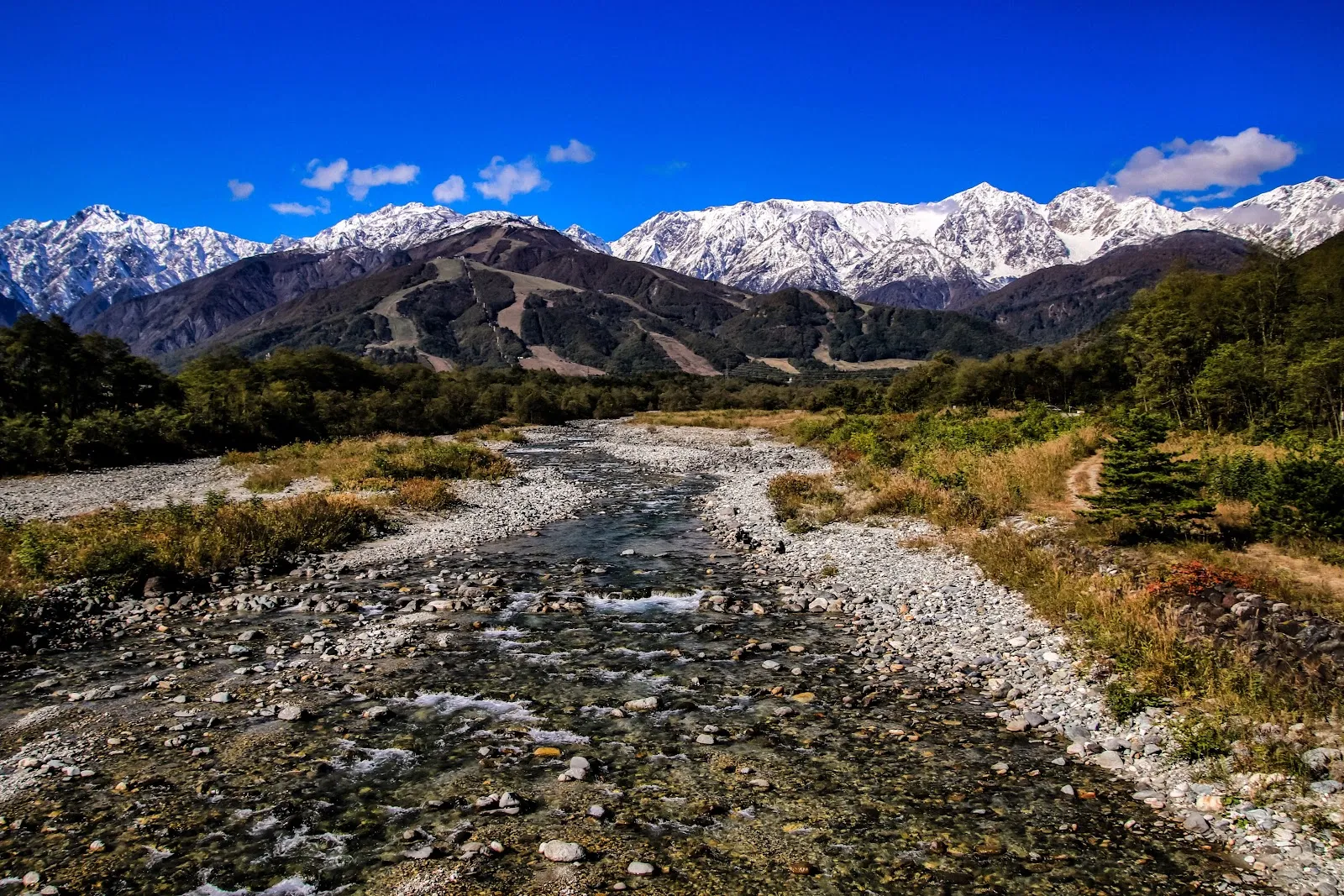 CityHakubaExplore
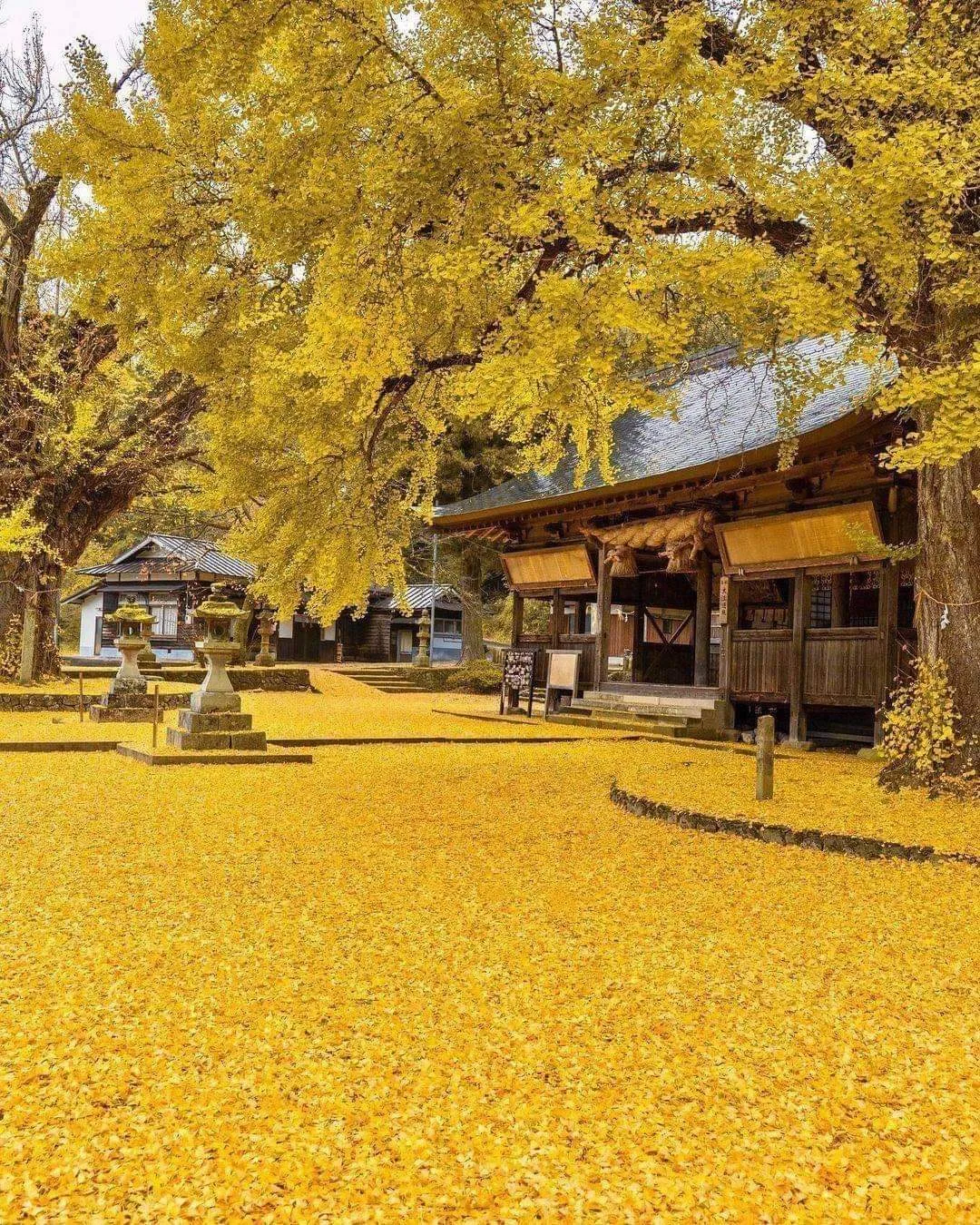 CityOkayamaExplore
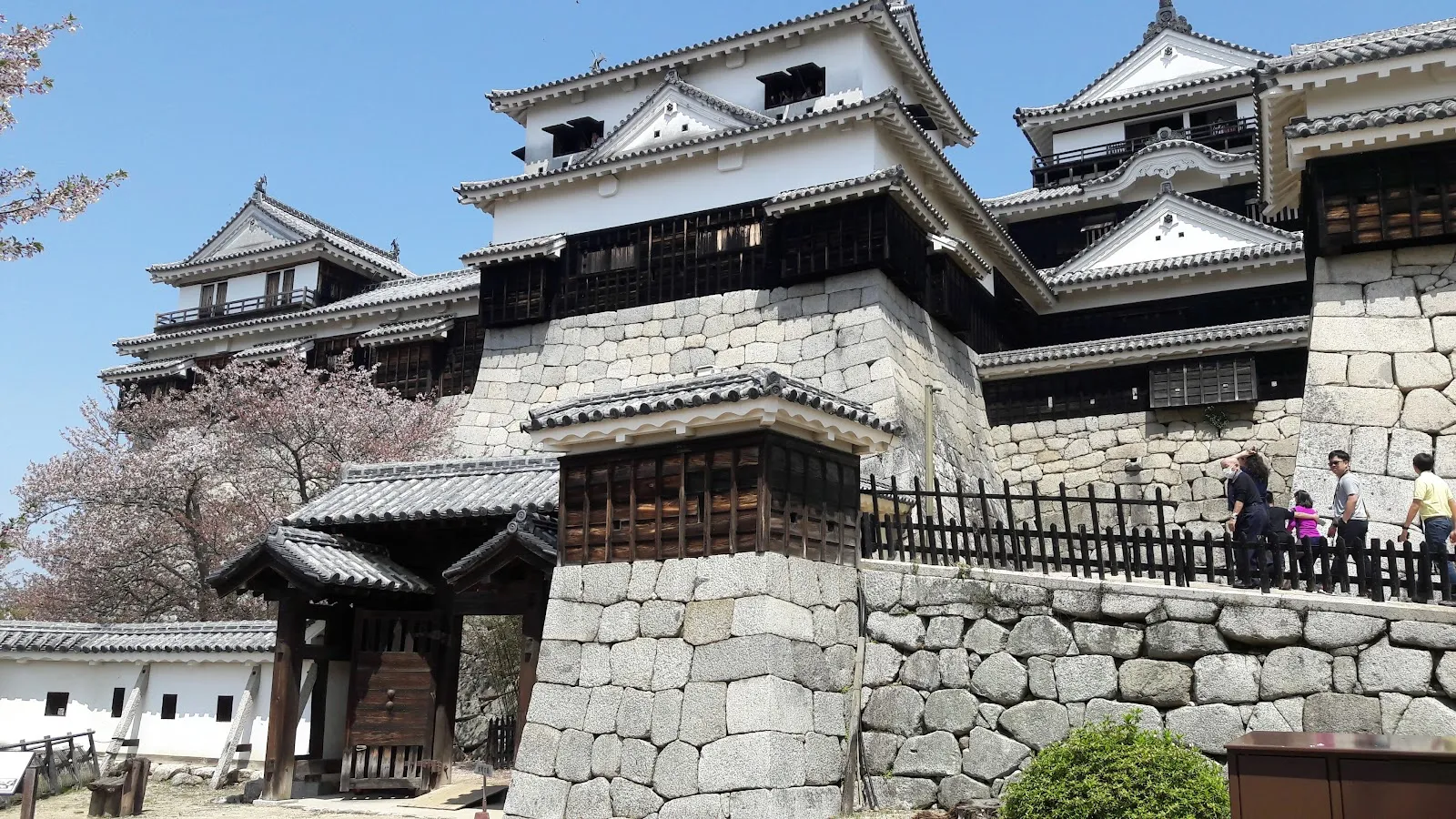 CityMatsuyamaExplore
 CityOtaruExplore
 CityGinzan OnsenExplore
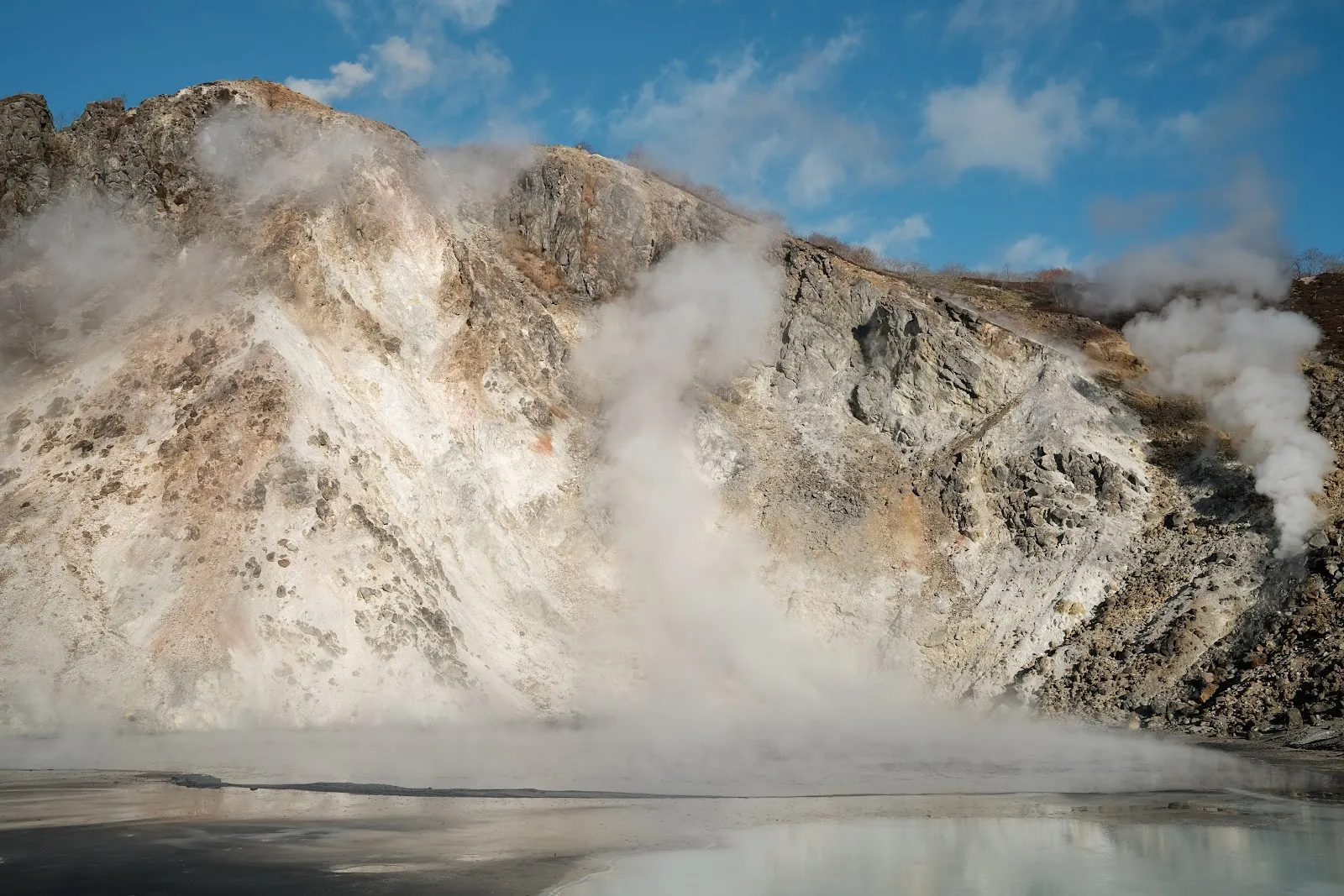 CityNoboribetsuExplore
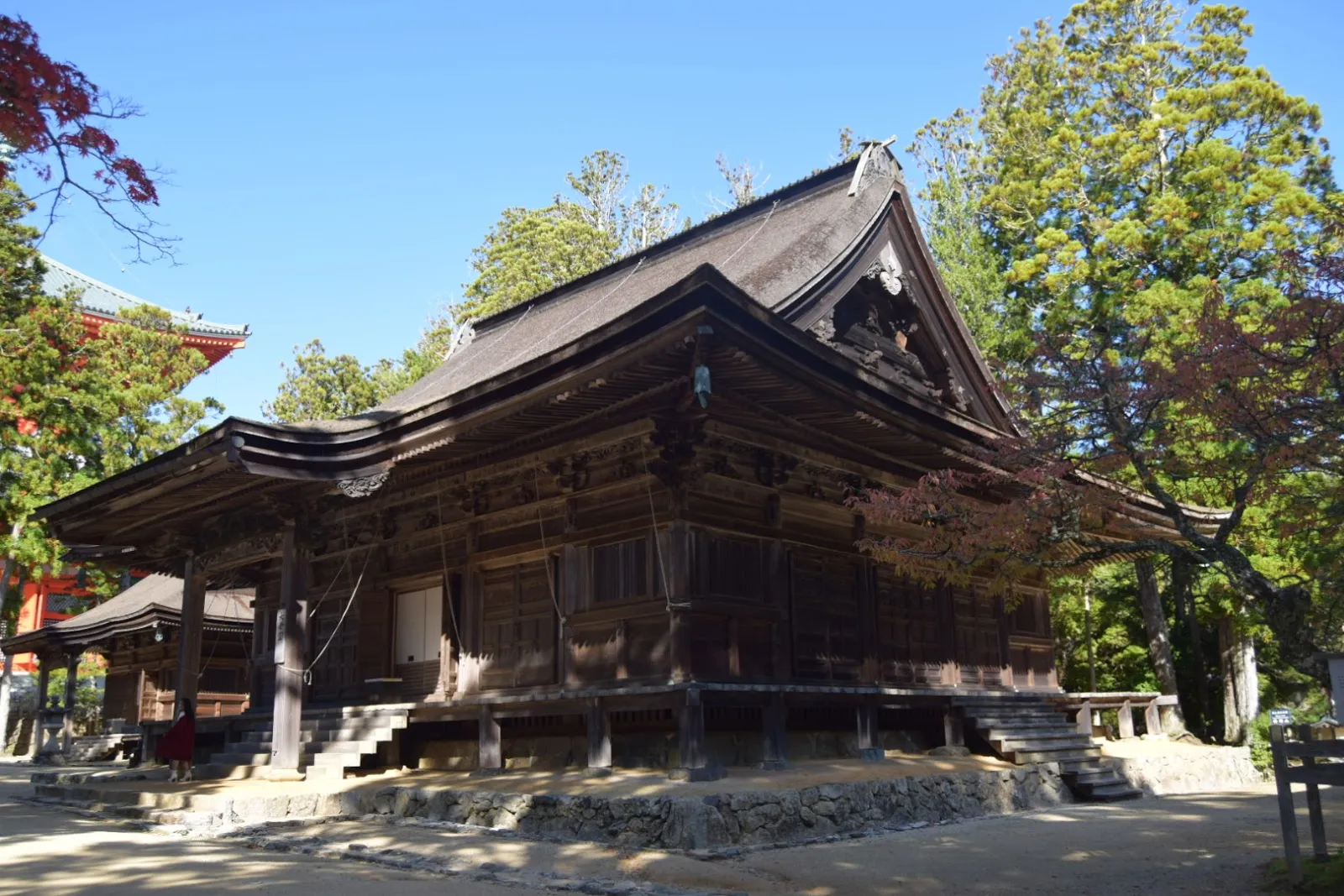 CityKoyasanExplore


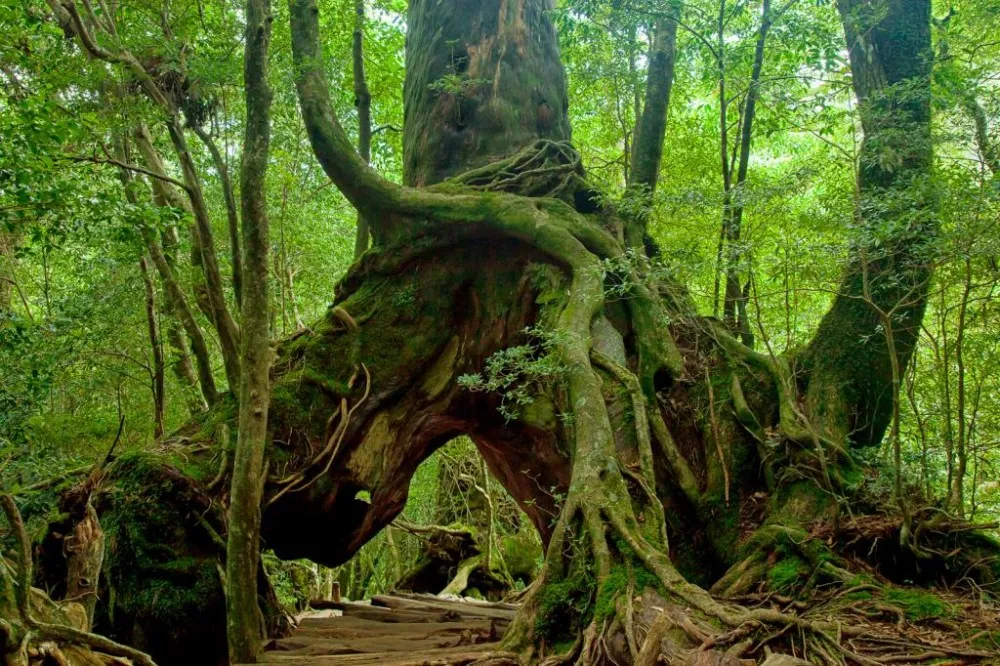
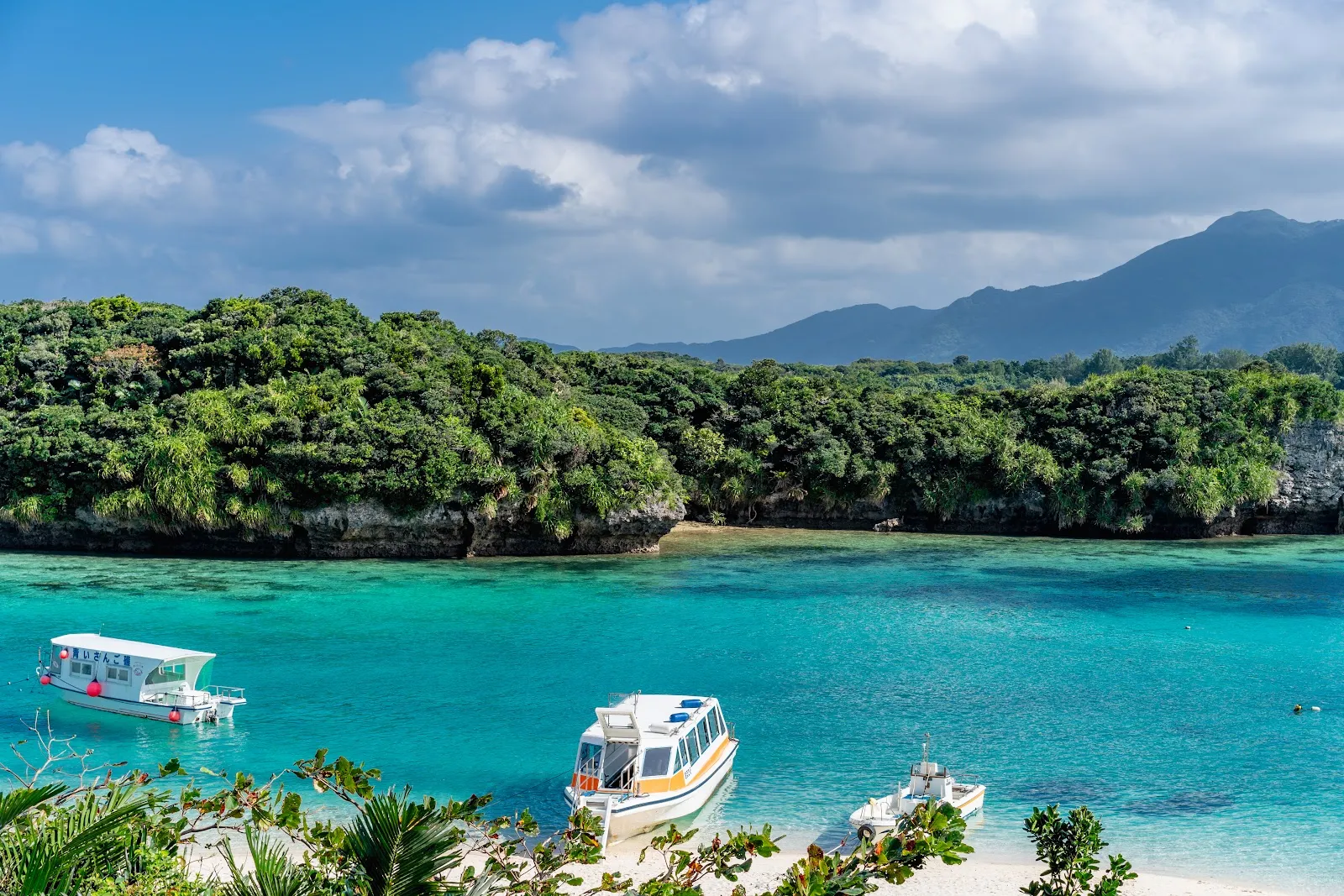





Itineraries
 2 daysOsaka in 2 days: the south one day, the castle and Umeda the next
 7 daysTokyo to Kyoto via the Japan Alps: a 7-day route with train times
 4 daysFour days on the Kumano Kodo, inn to inn, with one bag sent ahead
 7 daysShikoku in 7 days: a rail itinerary from Takamatsu to Matsuyama
 10 daysThe first-timer's loop: Japan in 10 days
 1 dayHiroshima and Miyajima in a day: a timed route from 7:30am to dinner
 10 daysTohoku by local train: 10 days from Sendai to Aomori
When to go
- Rainy days
- Best
- JanuaryClear6 rainy daysHigh10°Low2°Cold, dryJanuaryClear
- High
- 10°
- Low
- 2°
- Precipitation
- 55 mm
- Rainy days
- 6
- Snowy days
- 0
- Days with storms
- 0
Cold, dry
- FebruaryPartly cloudy7 rainy daysHigh11°Low3°Cold, dryFebruaryPartly cloudy
- High
- 11°
- Low
- 3°
- Precipitation
- 52 mm
- Rainy days
- 7
- Snowy days
- 0
- Days with storms
- 0
Cold, dry
- MarchRain13 rainy daysHigh15°Low7°Spring, mildMarchRain
Best
- High
- 15°
- Low
- 7°
- Precipitation
- 152 mm
- Rainy days
- 13
- Snowy days
- 0
- Days with storms
- 0
Spring, mild
- AprilRain12 rainy daysHigh19°Low11°Cherry blossomAprilRain
Best
- High
- 19°
- Low
- 11°
- Precipitation
- 140 mm
- Rainy days
- 12
- Snowy days
- 0
- Days with storms
- 0
Cherry blossom
- MayRain12 rainy daysHigh23°Low16°Golden WeekMayRain
- High
- 23°
- Low
- 16°
- Precipitation
- 161 mm
- Rainy days
- 12
- Snowy days
- 0
- Days with storms
- 0
Golden Week
- JuneRain14 rainy daysHigh26°Low20°Rainy seasonJuneRain
- High
- 26°
- Low
- 20°
- Precipitation
- 186 mm
- Rainy days
- 14
- Snowy days
- 0
- Days with storms
- 0
Rainy season
- JulyRain16 rainy daysHigh30°Low24°Hot, humidJulyRain
- High
- 30°
- Low
- 24°
- Precipitation
- 192 mm
- Rainy days
- 16
- Snowy days
- 0
- Days with storms
- 0
Hot, humid
- AugustRain15 rainy daysHigh31°Low26°Hot, humidAugustRain
- High
- 31°
- Low
- 26°
- Precipitation
- 150 mm
- Rainy days
- 15
- Snowy days
- 0
- Days with storms
- 0
Hot, humid
- SeptemberRain15 rainy daysHigh28°Low23°Typhoon riskSeptemberRain
- High
- 28°
- Low
- 23°
- Precipitation
- 216 mm
- Rainy days
- 15
- Snowy days
- 0
- Days with storms
- 0
Typhoon risk
- OctoberRain13 rainy daysHigh22°Low16°Autumn colorOctoberRain
Best
- High
- 22°
- Low
- 16°
- Precipitation
- 207 mm
- Rainy days
- 13
- Snowy days
- 0
- Days with storms
- 0
Autumn color
- NovemberPartly cloudy9 rainy daysHigh17°Low11°Autumn colorNovemberPartly cloudy
Best
- High
- 17°
- Low
- 11°
- Precipitation
- 92 mm
- Rainy days
- 9
- Snowy days
- 0
- Days with storms
- 0
Autumn color
- DecemberClear7 rainy daysHigh12°Low5°Cold, dryDecemberClear
- High
- 12°
- Low
- 5°
- Precipitation
- 54 mm
- Rainy days
- 7
- Snowy days
- 0
- Days with storms
- 0
Cold, dry
Average daily high and low in Tokyo, 2016–2025. Rainy day: 1 mm of rain or more.
Right now in Japan
Local time, today's weather and the exchange rate, refreshed through the day.

6
- Feels like
- 4°
- Humidity
- 98%
- Wind
- 10 km/h
- Chance of rain
- 90%
Japan
05:05 AM
Tuesday, November 3
- Today10°4°90%Tuesday: Partly cloudy. High 10°, Low 4°. Chance of rain 90%.
- Wed13°4°12%Wednesday: Partly cloudy. High 13°, Low 4°. Chance of rain 12%.
- Thu13°7°85%Thursday: Rain. High 13°, Low 7°. Chance of rain 85%.
- Fri18°4°12%Friday: Drizzle. High 18°, Low 4°. Chance of rain 12%.
- Sat6°-3°22%Saturday: Partly cloudy. High 6°, Low -3°. Chance of rain 22%.
- Sun8°-3°8%Sunday: Snow. High 8°, Low -3°. Chance of rain 8%.
- Mon8°-2°6%Monday: Fog. High 8°, Low -2°. Chance of rain 6%.
Updated 01:46 AM local time · Powered by WeatherAPI.com · Weather data by Open-Meteo.com
Money
Mid-market rate1 USD = 157.5 JPY
Rates from Nov 2, 2026 · Rates By Exchange Rate API


Festivals by month
- JanGrand Sumo in TokyoTokyoHatsumōdeAcross Japan
- FebSapporo Snow FestivalHokkaidoSetsubunAcross Japan
- MarCherry blossomAcross JapanHinamatsuriAcross Japan
- AprTakayama FestivalTakayamaShingen-ko FestivalFuji Five Lakes
- MayTado FestivalNagoyaHiroshima Flower FestivalHiroshima
- JunSannō MatsuriTokyo
- JulGion MatsuriKyotoHakata Gion Yamakasa FestivalFukuoka
- AugAwa OdoriShikokuFukagawa MatsuriTokyo
- SepKishiwada Danjiri MatsuriOsaka
- OctNagasaki KunchiNagasakiJidai MatsuriKyoto
- NovShichi-Go-SanAcross Japan
- DecKobe LuminarieKōbe
On tour in Japan: Stray Kids World Tour "RUN IT" Tokyo, Nov 6 – 8, 2026 · ENHYPEN World Tour 'BLOOD SAGA' Tokyo, Nagoya, Fukuoka, Osaka, Dec 1, 2026 – Feb 20, 2027 · Bruno Mars The Romantic Tour Nagoya, Sapporo, Tokorozawa, Osaka, Fukuoka, Tokyo, Jan 4 – 28, 2027
Before you go to Japan


Japan FAQ
Do I need a visa for Japan?
Many passports can enter visa-free for short stays, but the allowed length and conditions depend on your nationality. Check the Ministry of Foreign Affairs visa page before you book.
What currency is used in Japan?
The yen (JPY). Card acceptance varies, so small shops and rural places may need cash.
Is Japan safe for tourists?
Violent crime is very low by international standards, according to UN Office on Drugs and Crime data. The main risks are earthquakes, typhoons and heavy rain in late summer and early autumn.
Do you tip in Japan?
No. Tipping is not expected in restaurants, taxis or hotels.
What language do they speak in Japan?
Japanese. Signs in major cities and transport hubs often use English, but English skills vary widely.
When is the best time to visit Japan?
Spring and autumn are the most comfortable seasons across most of the country. Hokkaido has cold, snowy winters, and Okinawa's rainy season starts in early May.