Travel advisory · Papua New GuineaSome governments advise against all but essential travel to Papua New Guinea.Advice depends on your passport. Read your own government's advice before you book.Official advice
- Manam Island · avoid all travel · Spain, France
- Panguna mine area (Central Bougainville) · avoid all travel · Spain, Italy, US
- Border with Indonesia (Irian Jaya) · avoid non-essential travel · France, Italy
- Enga Province · avoid non-essential travel · Germany, France, New Zealand, UK
- Hela Province · avoid non-essential travel · Germany, France, New Zealand, UK
- Southern Highlands Province · avoid non-essential travel · Germany, France, New Zealand, UK
- Western Highlands Province · avoid non-essential travel · Germany, France
Also named by one government: Highlands region (excluding Mt. Hagen and Goroka) (US), Bismarck and Solomon Seas (US), Bougainville Island (Germany), East Sepik (France), Eastern Highlands (France), Jiwaka (France), Porgera (Italy), Port Moresby (Germany), Simbu (France), Tabubil (Italy), West Sepik (France)
| Government | Advice | Updated | Read the advice |
|---|---|---|---|
| United Kingdom (FCDO) | No advice against the whole country (regional advisories) | – | Read the advice |
| United States (State Dept) | Reconsider travel | Apr 29, 2025 | Read the advice |
| Canada (Global Affairs) | Avoid non-essential travel | – | Read the advice |
| Germany (Auswärtiges Amt) | No advice against the whole country (regional advisories) | Oct 14, 2026 | Read the advice |
| New Zealand (SafeTravel) | Exercise increased caution (regional advisories) | – | Read the advice |
| France (Ministry for Europe and Foreign Affairs) | Exercise high caution across the country; travel possible with precautions (regional advisories) | – | Read the advice |
Checked daily from the governments' published advice; last checked Nov 2, 2026. RoamLedger summarises official advice; it is not advice from any government.

Papua New Guinea
Highland villages, rainforest and coral reefs, reached mostly by domestic flights where terrain makes roads hard to build.
Papua New Guinea takes up the eastern half of New Guinea, plus a scatter of islands north of Australia. Port Moresby is the capital and the main gateway for international flights. The country sits just south of the equator, with Indonesia to the west. Mountains cover at least 72% of the land, and around 840 languages are spoken, more than in any other country.
The highlands suit travelers who want villages where dances, sing-sings and wood carving continue. The forests shelter the national emblem and over 700 bird species. Coral reefs surround the country and suit divers and snorkelers. The Kokoda Track and Milne Bay both carry reminders of the Second World War. Only two of the five highways reach the interior, so domestic flights are often the most reliable way between regions. The dry season runs from May to November in many areas, though this varies by location.
Five things to know before Papua New Guinea
- Check your visa rules before you book flights
Entry rules depend on your passport. Check the current visa or eVisa requirement with the Papua New Guinea immigration department before you book flights. Visas and entry
- Carry kina cash for markets and small shops
The kina is the currency. Carry small kina notes for markets, fares and purchases in villages. Money and costs
- Book domestic flights, not long road trips
Roads are poorly maintained, some close in the wet season, and only two of the five highways reach the interior. Air is the most reliable way between provinces. Getting around
- Ask landowners before you enter a village
About 97% of the land is customary land held by communities, and visits to village land may need landowner permission. Ask your guide or host before you walk in.
- Check security advice for each town and region
Gang violence occurs in urban and rural areas, and tribal fighting with firearms is common in parts of the highlands. Check current government advice for each place before you go.
Papua New Guinea travel guides
Practical guides from writers who live there.
Main gateway, capital and government offices.
Read the guideGetting aroundWhy air beats road travel between provinces.
Read the guideMoney and costsKina cash, small notes and typical prices.
Read the guideVisas and entryEntry rules by passport and what to check.
Read the guideWhere to stayPlaces to sleep and what to book ahead.
Read the guide
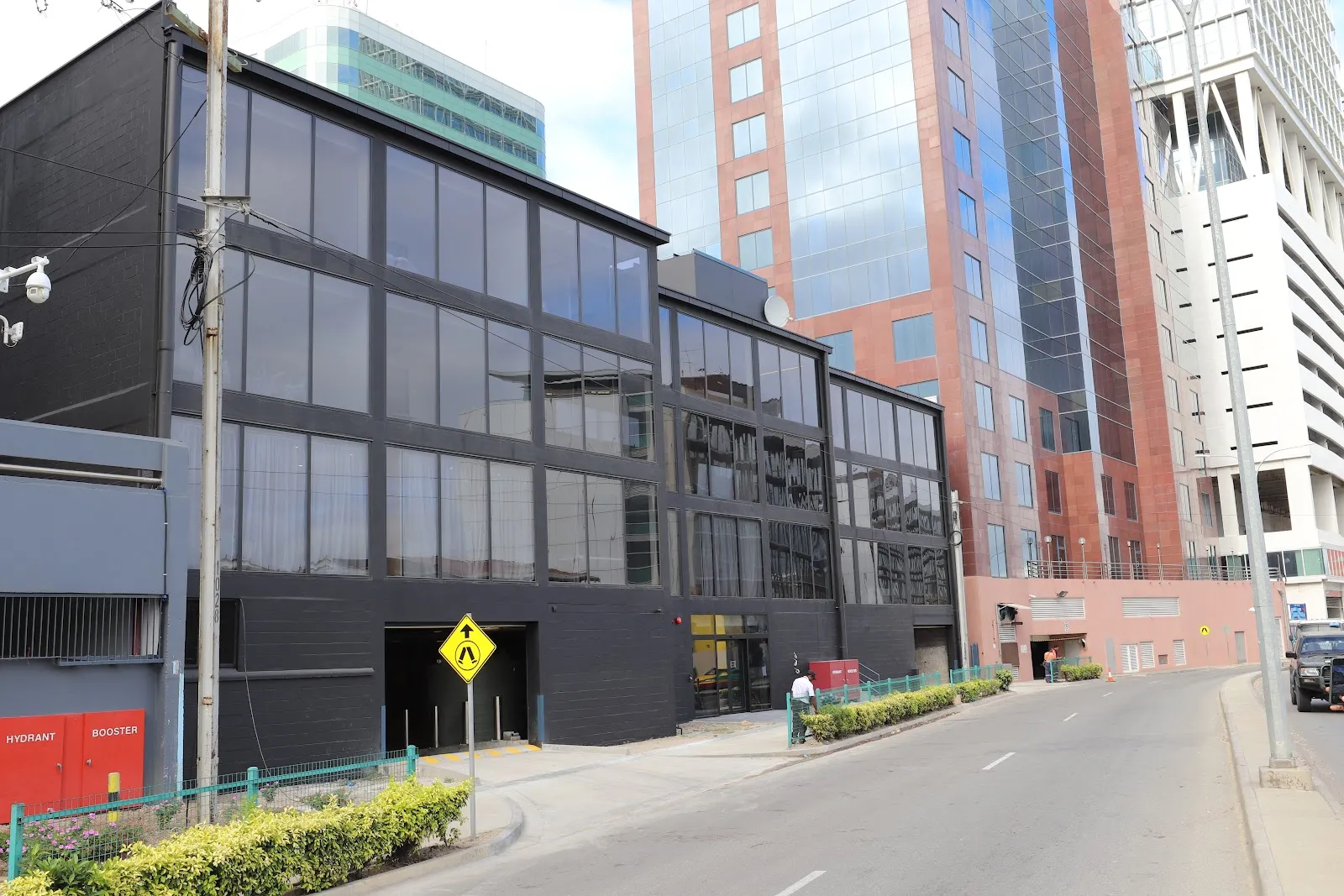
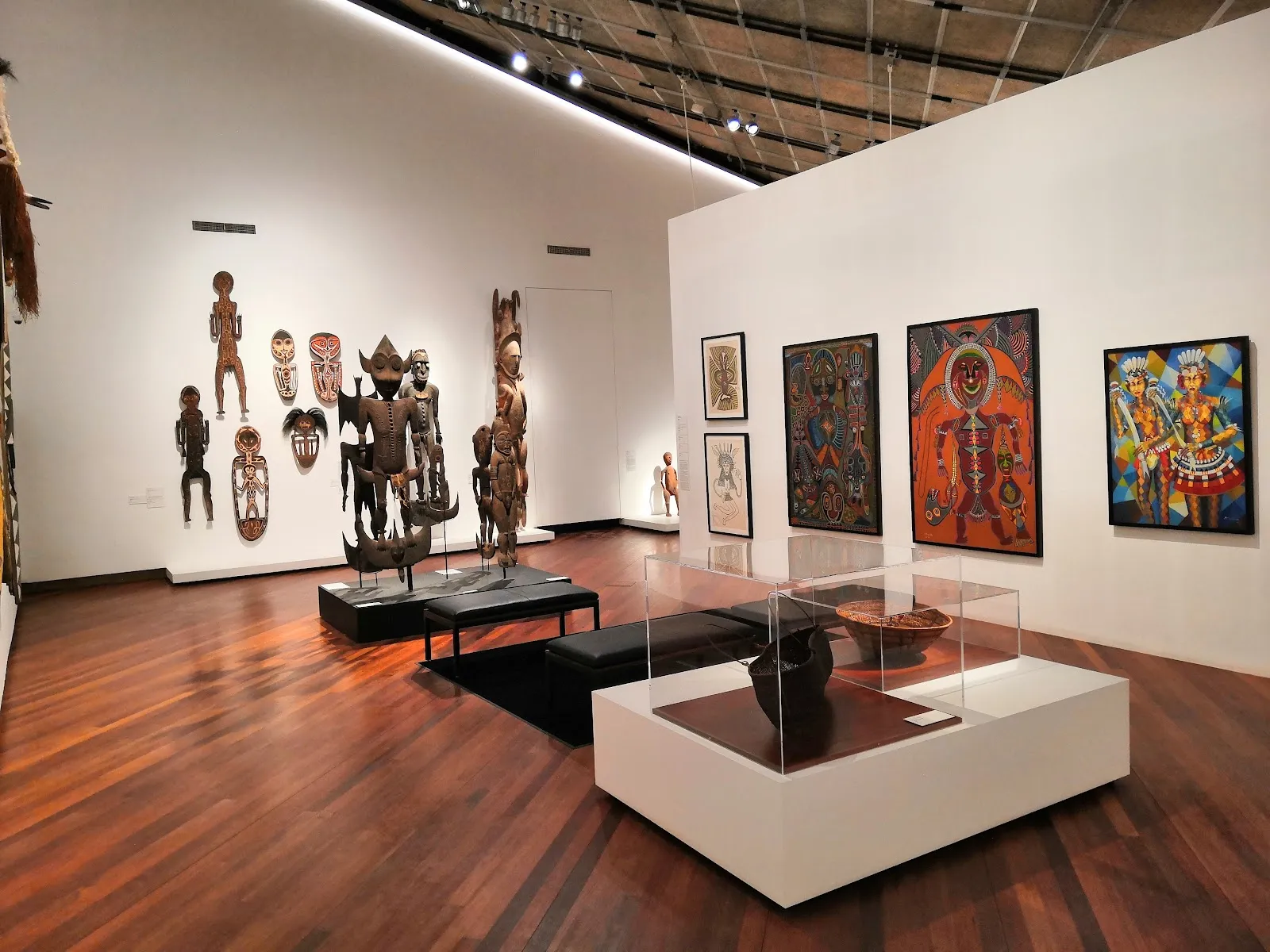
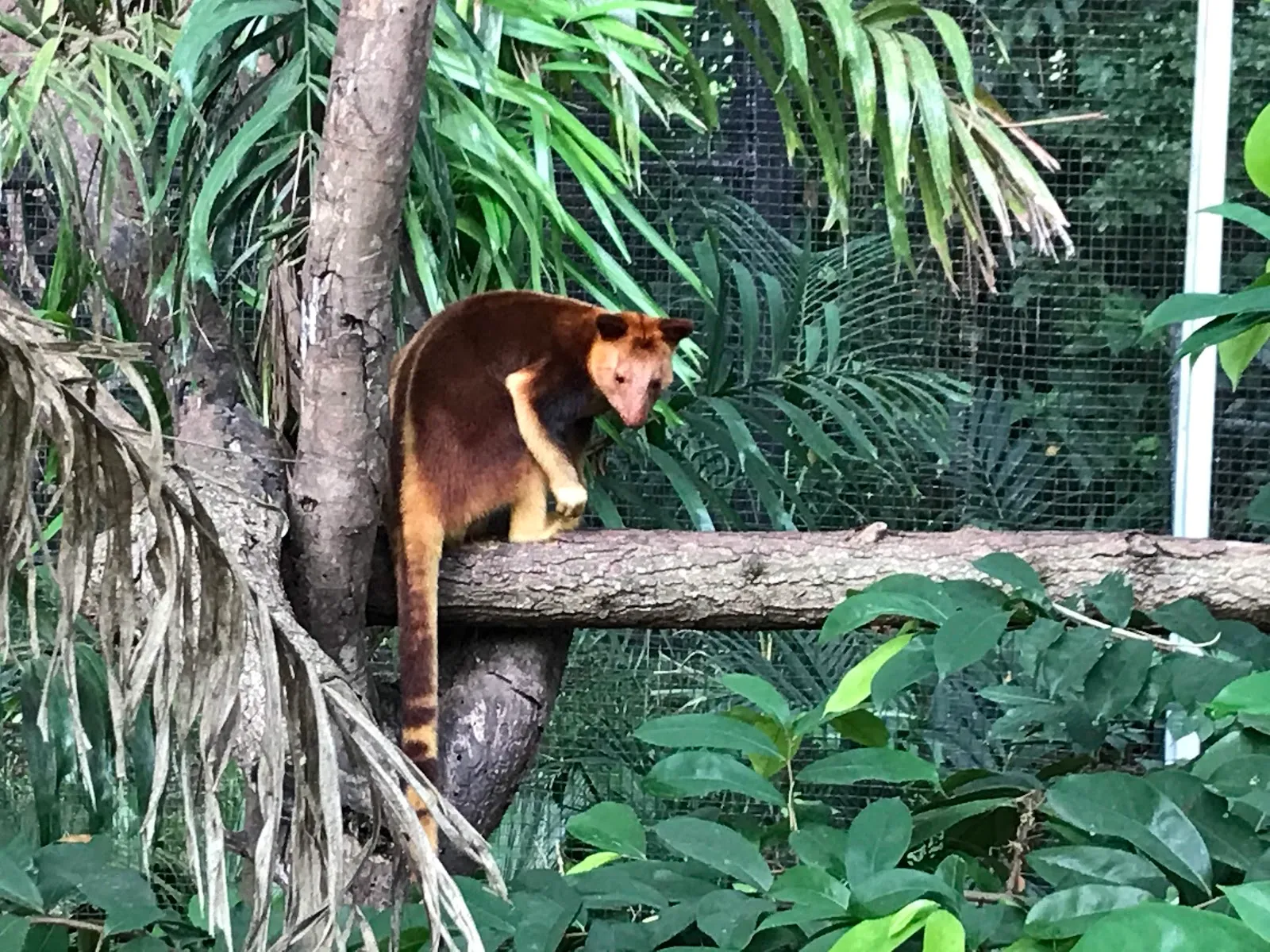
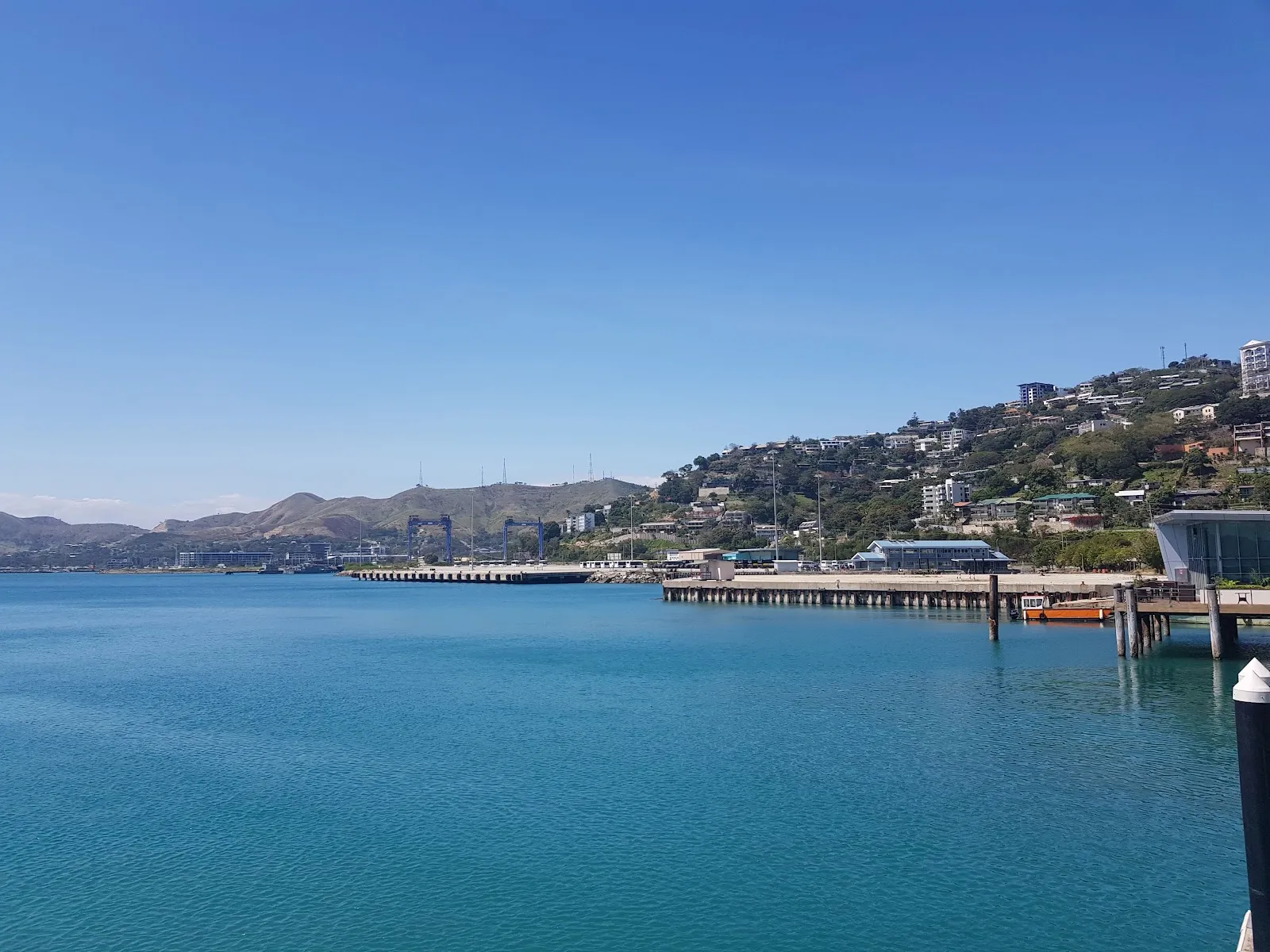
Destinations in Papua New Guinea
When to go
- Rainy days
- Best
- JanuaryRain22 rainy daysHigh30°Low25°Wet, cyclone riskJanuaryRain
- High
- 30°
- Low
- 25°
- Precipitation
- 321 mm
- Rainy days
- 22
- Snowy days
- 0
- Days with storms
- 0
Wet, cyclone risk
- FebruaryRain20 rainy daysHigh30°Low24°Wet, cyclone riskFebruaryRain
- High
- 30°
- Low
- 24°
- Precipitation
- 234 mm
- Rainy days
- 20
- Snowy days
- 0
- Days with storms
- 0
Wet, cyclone risk
- MarchRain26 rainy daysHigh30°Low24°Wet, cyclone riskMarchRain
- High
- 30°
- Low
- 24°
- Precipitation
- 335 mm
- Rainy days
- 26
- Snowy days
- 0
- Days with storms
- 0
Wet, cyclone risk
- AprilRain24 rainy daysHigh29°Low24°Transition monthAprilRain
- High
- 29°
- Low
- 24°
- Precipitation
- 255 mm
- Rainy days
- 24
- Snowy days
- 0
- Days with storms
- 0
Transition month
- MayRain16 rainy daysHigh29°Low24°Dry season startsMayRain
Best
- High
- 29°
- Low
- 24°
- Precipitation
- 149 mm
- Rainy days
- 16
- Snowy days
- 0
- Days with storms
- 0
Dry season starts
- JuneRain13 rainy daysHigh29°Low24°Dry, SE windsJuneRain
Best
- High
- 29°
- Low
- 24°
- Precipitation
- 73 mm
- Rainy days
- 13
- Snowy days
- 0
- Days with storms
- 0
Dry, SE winds
- JulyPartly cloudy12 rainy daysHigh28°Low23°Dry, SE windsJulyPartly cloudy
Best
- High
- 28°
- Low
- 23°
- Precipitation
- 60 mm
- Rainy days
- 12
- Snowy days
- 0
- Days with storms
- 0
Dry, SE winds
- AugustPartly cloudy11 rainy daysHigh28°Low23°Dry, SE windsAugustPartly cloudy
Best
- High
- 28°
- Low
- 23°
- Precipitation
- 58 mm
- Rainy days
- 11
- Snowy days
- 0
- Days with storms
- 0
Dry, SE winds
- SeptemberRain14 rainy daysHigh29°Low23°Dry, SE windsSeptemberRain
Best
- High
- 29°
- Low
- 23°
- Precipitation
- 101 mm
- Rainy days
- 14
- Snowy days
- 0
- Days with storms
- 0
Dry, SE winds
- OctoberRain19 rainy daysHigh29°Low24°Late dry, SE windsOctoberRain
- High
- 29°
- Low
- 24°
- Precipitation
- 128 mm
- Rainy days
- 19
- Snowy days
- 0
- Days with storms
- 0
Late dry, SE winds
- NovemberRain18 rainy daysHigh30°Low24°Dry season endsNovemberRain
- High
- 30°
- Low
- 24°
- Precipitation
- 122 mm
- Rainy days
- 18
- Snowy days
- 0
- Days with storms
- 0
Dry season ends
- DecemberRain23 rainy daysHigh30°Low24°Wet, NW winds, cyclone riskDecemberRain
- High
- 30°
- Low
- 24°
- Precipitation
- 207 mm
- Rainy days
- 23
- Snowy days
- 0
- Days with storms
- 0
Wet, NW winds, cyclone risk
Average daily high and low in Port Moresby, 2016–2025. Rainy day: 1 mm of rain or more.
Right now in Papua New Guinea
Local time, today's weather and the exchange rate, refreshed through the day.

24
- Feels like
- 28°
- Humidity
- 92%
- Wind
- 4 km/h
- Chance of rain
- 88%
Papua New Guinea
06:07 AM
Tuesday, November 3
- Today29°24°88%Tuesday: Drizzle. High 29°, Low 24°. Chance of rain 88%.
- Wed29°24°39%Wednesday: Fog. High 29°, Low 24°. Chance of rain 39%.
- Thu30°25°82%Thursday: Drizzle. High 30°, Low 25°. Chance of rain 82%.
- Fri31°25°96%Friday: Drizzle. High 31°, Low 25°. Chance of rain 96%.
- Sat31°24°96%Saturday: Drizzle. High 31°, Low 24°. Chance of rain 96%.
- Sun31°24°90%Sunday: Partly cloudy. High 31°, Low 24°. Chance of rain 90%.
Updated 03:04 AM local time · Powered by WeatherAPI.com · Weather data by Open-Meteo.com
Money
Mid-market rate1 USD = 4.522 PGK
Rates from Nov 2, 2026 · Rates By Exchange Rate API


Before you go to Papua New Guinea
Papua New Guinea FAQ
Do I need a visa for Papua New Guinea?
Entry rules depend on your passport. Check the current visa or eVisa requirement with the Papua New Guinea immigration department before you book flights.
Is Papua New Guinea safe for tourists?
Security varies widely between towns and regions. Gang violence occurs in urban and rural areas, and tribal fighting with firearms is common in parts of the highlands, so check current government advice for each place.
What language do people speak in Papua New Guinea?
Tok Pisin is the most widely spoken language in towns and villages. English is the official language of government and most schools, and Hiri Motu is also official.
When is the best time to visit Papua New Guinea?
In many areas the dry season runs from May to November, which is the drier and more comfortable window. Cyclones can hit during the December to March wet season.
Do I need warm clothes in the highlands?
Yes. Frosts are common above 2,100 metres, and daytime temperatures there rarely exceed 22°C. Pack a warm layer for every highland trip.
Can I buy timber carvings or wood products to take home?
Only buy timber products with proof they were legally sourced, since up to 70% of logging may be illegal. Ask the seller for documents before you pay.