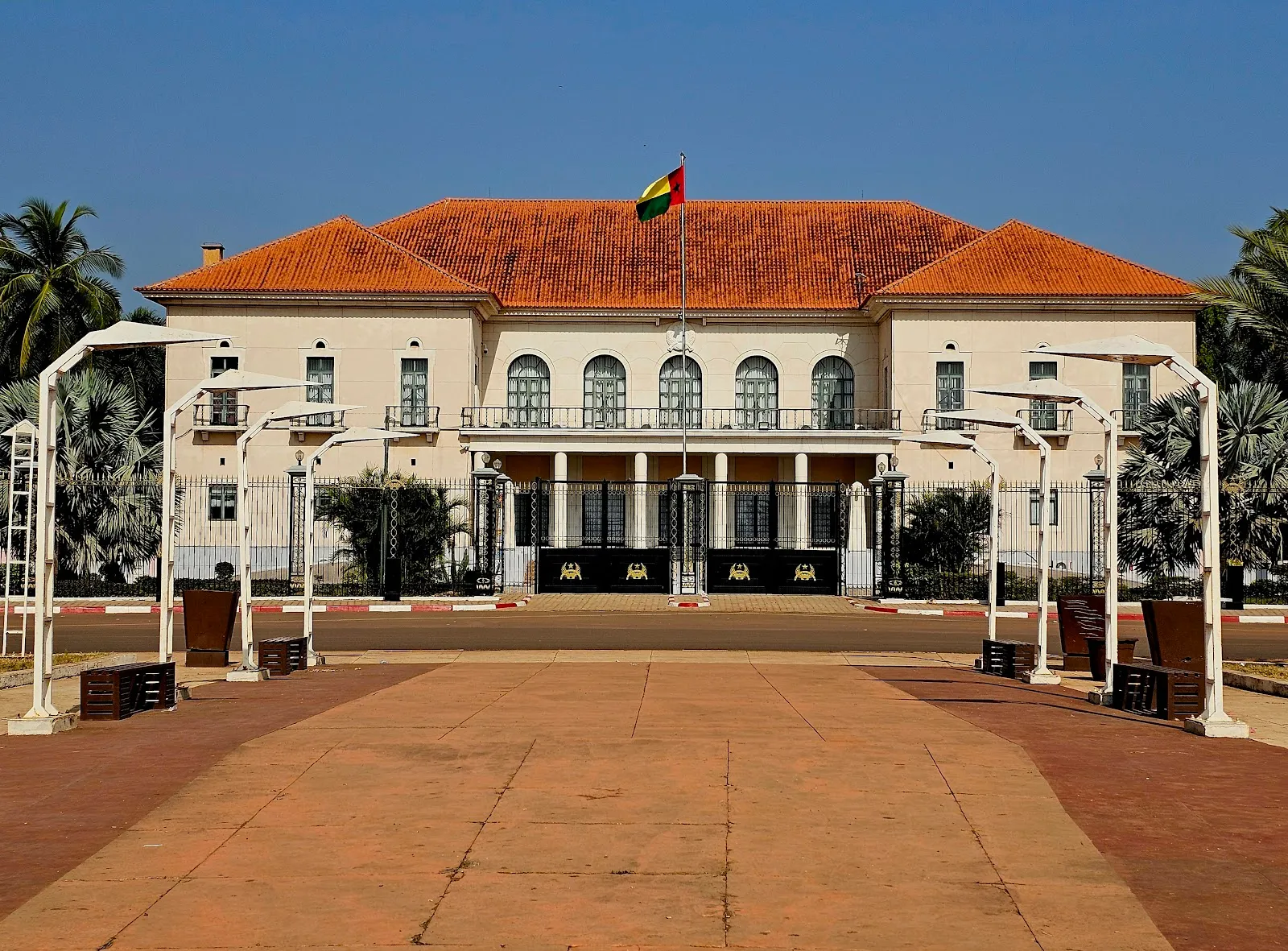
Bissau
Guinea-Bissau's capital is a short stop on the Atlantic coast, with colonial-era streets, a working harbor and a boat link to the Bijagós islands.
We may earn a commission. It never decides our picks.
Bissau is the capital and largest city of Guinea-Bissau, a small country on West Africa's Atlantic coast. It sits on the Geba estuary and was the administrative center of Portuguese Guinea until independence in 1974. The colonial past shows in low colonial-era buildings and in the harbor, which still shapes daily life. Portuguese is the official language, and Kriol is the everyday language for most people. The Central Market is a good place to see daily trade, with fish, fruit and cashew nuts, one of the country's main exports.
Bissau suits travelers who want a short city stop with a distinct West African character, or who are heading to the Bijagós archipelago, which is reached by boat from the capital. Plan two or three days for the city, and add more time if islands are on the list. The dry season, roughly December to May, is the usual time to go, with less rain. Expect a slower pace and basic infrastructure, and confirm transport and lodging before you arrive.
Bissau in five
- Apply for a visa before you flyMost passports need a visa for Guinea-Bissau, so apply through an embassy or consulate before you book flights. Check the requirement for your own nationality first.Visas and entry
- Carry CFA francs in small notesThe currency is the West African CFA franc (XOF). Card payments are limited in Bissau, so bring enough cash and ask your lodging about nearby ATMs.Money and costs
- Arrange pickup from Osvaldo Vieira airportOsvaldo Vieira International Airport (OXB) is the main airport for Bissau. Ask your lodging to arrange pickup and agree the fare before you land.Where to stay
- Check eSIM coverage before you flySome eSIM plans leave Guinea-Bissau out, so check that yours covers it. Download offline maps before you leave home.Phones and eSIM
- Buy insurance that covers medical evacuationMedical care in Bissau is limited, so a policy that pays for evacuation to another country is the cover to check first.Travel insurance
Things to do in Bissau
See all attractions in Bissau


Need to know
- Currency
- West African CFA franc (XOF)
- Entry
- Visa needed for most passports; apply through an embassy before you travel
- Emergency
- Not verified for this guide; ask your lodging and embassy before you go
- Tipping
- Small tips appreciated, not required
- Time
- UTC+0, no daylight saving
Weather by month
- Best
- Mixed
- Poor
- JanuaryDry season
- FebruaryDry season
- MarchDry season
- AprilDry season
- MayHot, dry
- JuneHot, rains near
- JulyRains start
- AugustRainy season
- SeptemberRainy season
- OctoberRainy season
- NovemberRains ending
- DecemberDry season starts
Right now in Bissau
Local time, today's weather and the exchange rate, refreshed through the day.

28
- Feels like
- 32°
- Humidity
- 78%
- Wind
- 12 km/h
- Chance of rain
- 76%
Bissau
08:38 PM
Monday, November 2
- Today34°24°76%Monday: Drizzle. High 34°, Low 24°. Chance of rain 76%.
- Tue34°25°16%Tuesday: Cloudy. High 34°, Low 25°. Chance of rain 16%.
- Wed34°24°38%Wednesday: Fog. High 34°, Low 24°. Chance of rain 38%.
- Thu35°25°8%Thursday: Thunderstorms. High 35°, Low 25°. Chance of rain 8%.
- Fri36°25°0%Friday: Fog. High 36°, Low 25°. Chance of rain 0%.
- Sat36°26°0%Saturday: Fog. High 36°, Low 26°. Chance of rain 0%.
- Sun36°26°4%Sunday: Clear. High 36°, Low 26°. Chance of rain 4%.
Updated 04:27 PM local time · Powered by WeatherAPI.com · Weather data by Open-Meteo.com
Money
Mid-market rate1 USD = 587.8 XOF
Rates from Nov 2, 2026 · Rates By Exchange Rate API
Day trips by train
- Bolamaabout half a day by boatThe former colonial capital, reached by boat, with quiet streets and old administrative buildings.
- Bijagós islandsone or more days by boatA chain of islands with beaches and wildlife, best planned with a local guide.
- Cacheua few hours by roadA Portuguese-era fort town on the Cacheu River, with a colonial history to read about on site.
Before you go to Bissau
Rules for Bissau, checked
- Most passports need a visa for Guinea-Bissau. Check the requirement for your nationality with the embassy or consulate before you book.
- Carry proof of yellow fever vaccination if your route requires it, and check the rule with a travel health service before you fly.
- Ask permission before you photograph police, soldiers, government buildings or the port, and keep your passport with you.
- Check your government's current travel advice, since Guinea-Bissau has a history of political instability.
Plan around Bissau
Regions, entry and money for a Guinea-Bissau trip
Read the guideVisas and entryWho needs a visa and how to apply before you travel
Read the guideMoney and costsCash, ATMs and typical prices for a day in Bissau
Read the guideGetting aroundTaxis, airport transfers and trips out of the city
Read the guideWhere to stayGuesthouses and hotels, by area of the city
Read the guideBissau FAQ
Is Bissau worth visiting?
Yes, if you want a West African capital off the usual tourist route, with a working port, busy markets and Portuguese and Kriol spoken in daily life. Expect limited infrastructure and few set sights, so plan around the city's pace.
How do you get to Bissau?
By air through Osvaldo Vieira International Airport (OXB), the main gateway to the city. Routes and connections change, so check flights with your airline before you book.
Do you need a visa for Guinea-Bissau?
Most passports need one. Apply through an embassy or consulate before you travel, and check the current requirement for your nationality.
Is Bissau safe for tourists?
Guinea-Bissau has a history of political instability and coups. Check your government's current travel advice before you book, and ask your lodging about the situation in the city.
What language is spoken in Bissau?
Portuguese is the official language. Kriol is the common language in daily life and in markets, so a few words of either will help with greetings and small purchases.
How many days do you need in Bissau?
Two to three days covers the city, its markets and a boat day trip to Bolama. Add time if you want to reach the Bijagós islands.
When is the best time to visit Bissau?
The dry season runs roughly from December to May, and the rains run from about June to October. The dry months are the easiest for getting around.