Valencia is a city on Spain's Mediterranean coast and the capital of the Valencian Community, the region that also takes in countryside and beaches to its north and south. It is the country's third-largest city and the home of paella, the rice dish that originated here. The old center sits beside the Turia riverbed, which the city turned into a long green park after a major flood in 1957.
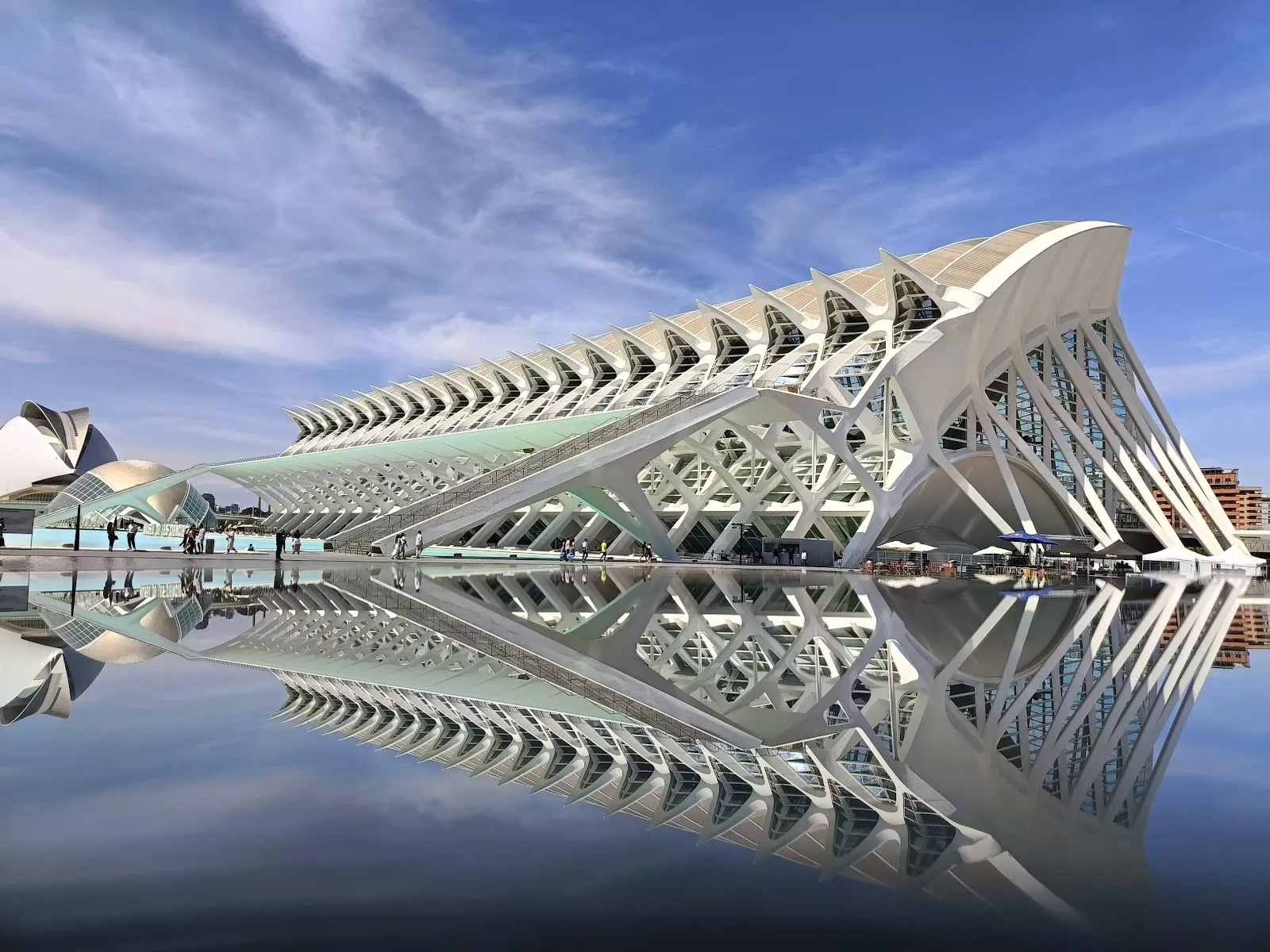
The city's best-known sights are the Silk Exchange (La Lonja de la Seda), a 15th-century Gothic hall listed as a UNESCO World Heritage Site, the Central Market, and the City of Arts and Sciences, a modern complex designed by Santiago Calatrava. South of the city, the Albufera lagoon and its rice fields are a short trip away. Las Fallas, held in March, fills the streets with large papier-mâché figures that are burned in the festival's final days. Spring and autumn suit walking the city best, and summer is hot. Plan two or three days in the city, and add a day for the Albufera or the beaches.
Valencia Region in five
- Validate a Metrovalencia ticket before boardingMetrovalencia links the airport, the centre and the beach. Validate your card or paper ticket at the gate before you board, or you may be fined.Getting around
- Book Fallas beds early if you visit in MarchThe Fallas festival runs for several days in mid-March, with daily mascletà blasts at lunchtime and huge sculptures burned on the last night. Hotels fill early, so book beds before you fix your dates.Festivals
- Carry cash for markets and small barsMost shops and restaurants take cards, but market stalls and small bars often want coins and notes. Keep some cash for the Mercat Central and for tapas counters.Money and costs
- Plan meals around Spanish dining hoursMany kitchens close in the afternoon between lunch and dinner service, so an early dinner can find a closed kitchen.
- Set up an eSIM before you land at Valencia airportEU roaming rules cover only some home plans, so check yours before you fly. An eSIM loaded at home lets you use maps and transport apps from the baggage hall.Phones and eSIM
Things to do in Valencia Region
See all attractions in Valencia Region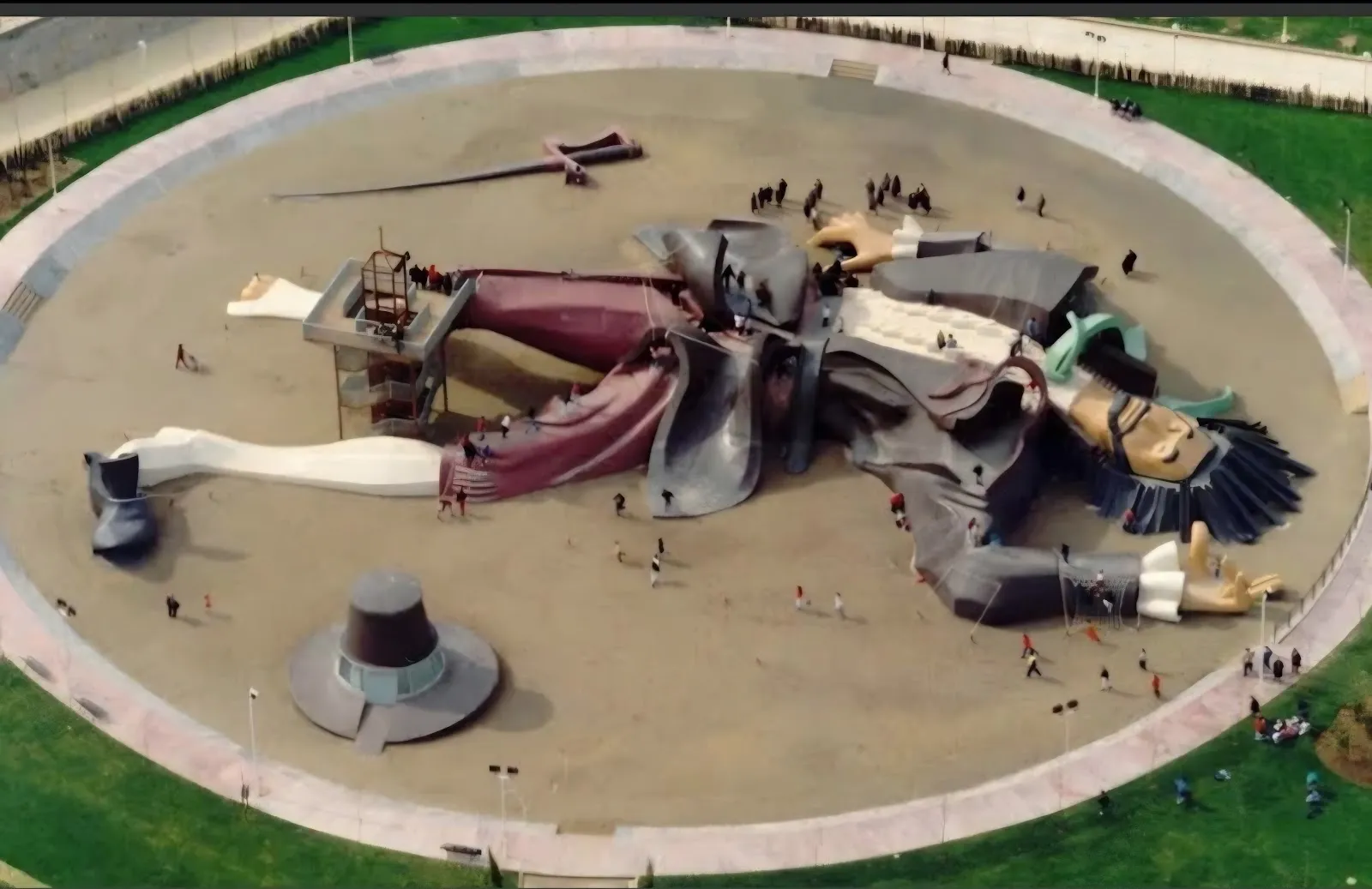

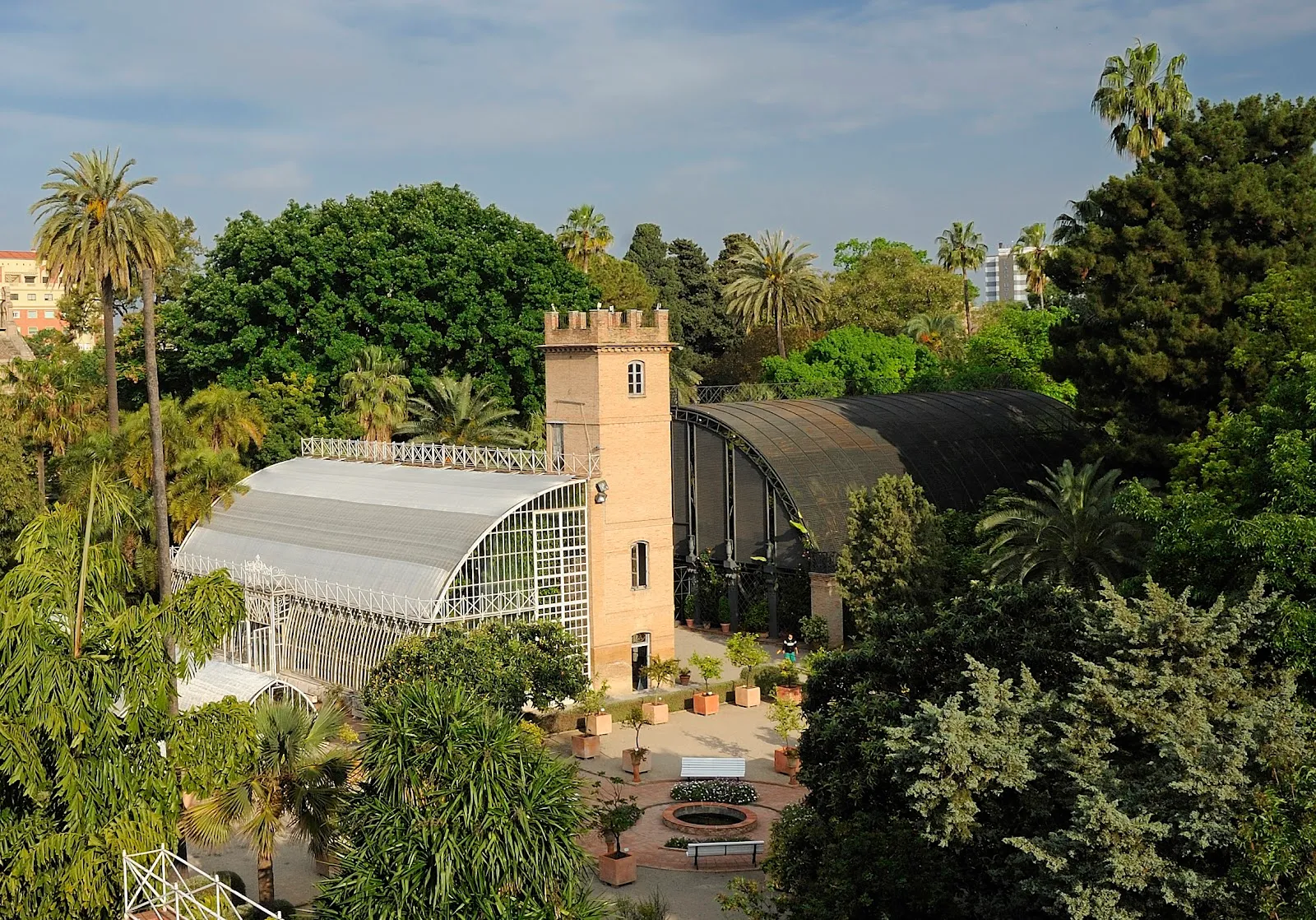

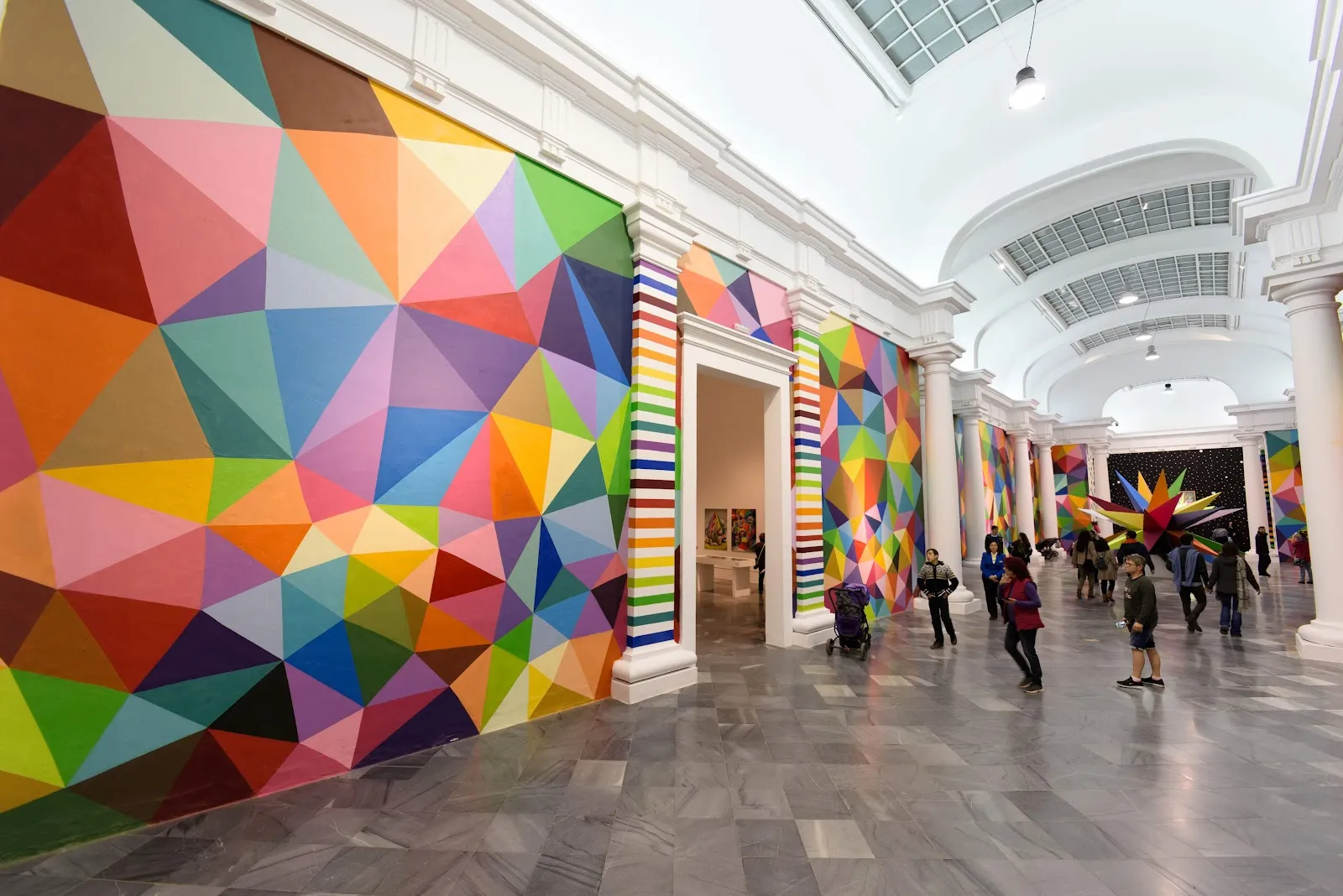


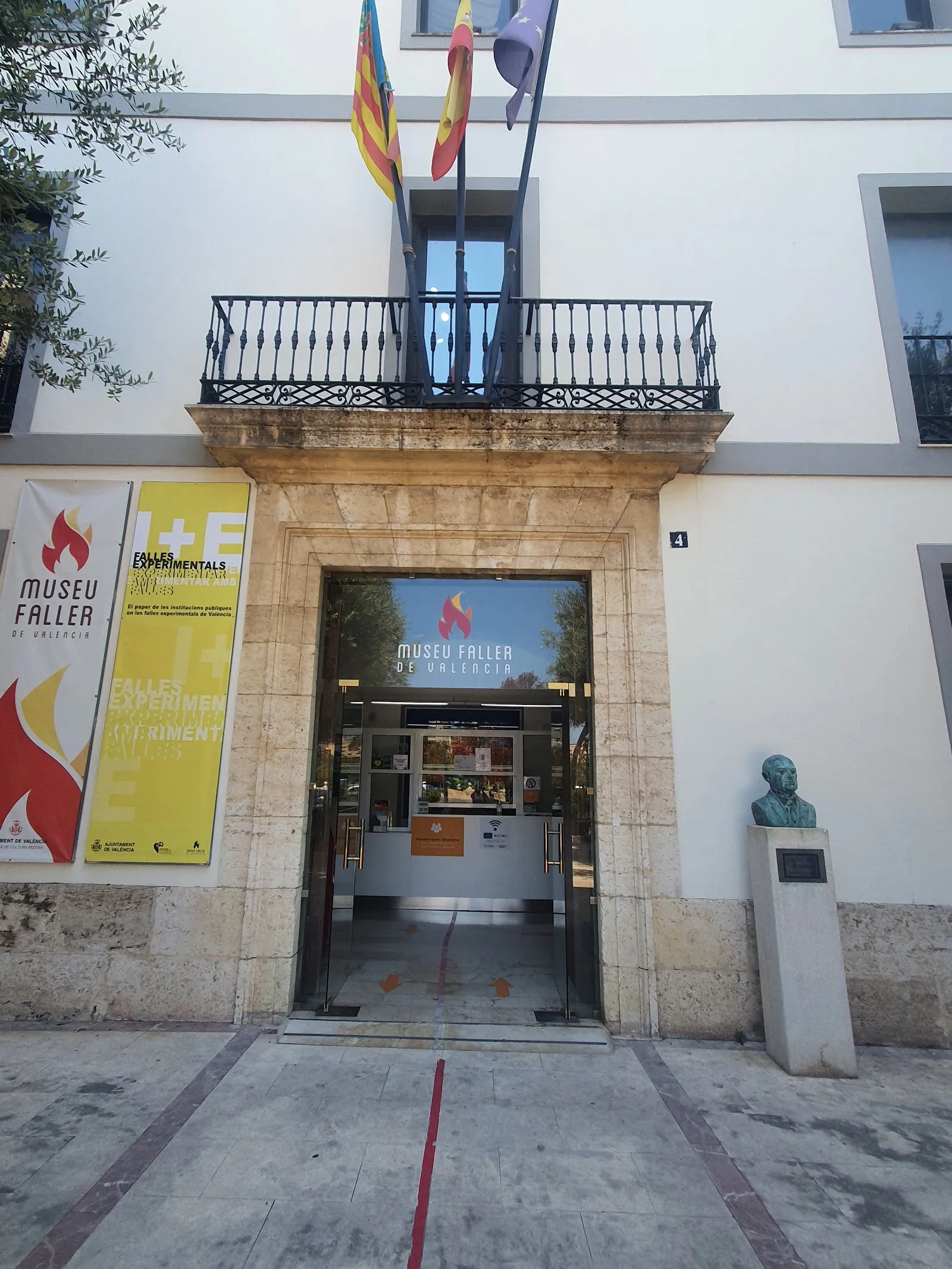




Need to know
- Currency
- Euro (EUR)
- Entry
- Schengen short-stay rules, visa-free for many passports Read more
- Emergency
- 112 for all emergencies; 091 National Police
- Tipping
- Not expected; rounding up the bill is common
- Time
- UTC+1 in winter, UTC+2 in summer (daylight saving)
Weather by month
- Best
- Good
- Mixed
- JanuaryMild, quiet
- FebruaryMild, changeable
- MarchFallas festival
- AprilMild, sunny
- MayWarm, calm
- JuneHot, beach season
- JulyHot, crowded
- AugustHot, quieter streets
- SeptemberWarm sea, calm
- OctoberWarm, easy
- NovemberMild, showers
- DecemberMild, quiet
Right now in Valencia Region
Local time, today's weather and the exchange rate, refreshed through the day.

19
- Feels like
- 18°
- Humidity
- 69%
- Wind
- 9 km/h
- Chance of rain
- 0%
Valencia
10:16 PM
Monday, November 2
- Today21°14°0%Monday: Cloudy. High 21°, Low 14°. Chance of rain 0%.
- Tue18°14°33%Tuesday: Fog. High 18°, Low 14°. Chance of rain 33%.
- Wed16°10°20%Wednesday: Rain. High 16°, Low 10°. Chance of rain 20%.
- Thu20°12°30%Thursday: Rain. High 20°, Low 12°. Chance of rain 30%.
- Fri20°9°4%Friday: Cloudy. High 20°, Low 9°. Chance of rain 4%.
- Sat22°11°15%Saturday: Cloudy. High 22°, Low 11°. Chance of rain 15%.
- Sun21°16°18%Sunday: Rain. High 21°, Low 16°. Chance of rain 18%.
Updated 09:32 PM local time · Powered by WeatherAPI.com · Weather data by Open-Meteo.com
What's on in Valencia Region
Concerts, festivals and big events in and around the city
Events calendarComing up
Every year
- SepFestivity of ‘la Mare de Déu de la Salut’ of AlgemesíValencia, a day trip
Day trips by train
- Albuferaabout 30 min to 1 hour by bus or carA freshwater lagoon among rice fields south of the city, known for boat trips and rice dishes.
- Saguntoabout 40 min to 1 hour by trainA Roman theatre and a castle on the hill above the town, good for a half day.
- Xàtivaabout 1 hour by trainA castle on a hill above a market town, with wide views over the plain.
- Peñíscolaabout 1.5 to 2 hours by carA castle on a rock above the sea, with a walled old town and beaches.
Before you go to Valencia Region
Rules for Valencia Region, checked
- Spain follows Schengen short-stay rules. Confirm your passport and entry requirements on the Spanish foreign ministry site before you book.Source
- Non-EU visitors may have fingerprints and a photo taken at the Spanish border under the EU Entry/Exit System.
- Read the beach flag before you swim on the Malvarrosa. A red flag means swimming is not allowed.

Plan around Valencia Region
Ciutat Vella, Russafa, Malvarrosa and other areas compared
Read the guideGetting around ValenciaMetro, buses, Cercanías trains and the airport link
Read the guideFallas and festivalsThe March festival and other events through the year
Read the guideMoney and costsCash, cards and typical prices for a day in the city
Read the guideVisas and entrySchengen short-stay rules and the entry check
Read the guideTours and ticketsDay trips and paid sights, and when to book them
Read the guideValencia Region FAQ
Is Valencia worth visiting?
Yes, for a long weekend if you want old streets, a big market, paella and a city beach. It is a weaker choice for a quiet beach week in August, when the city is hot and busy.
When is the best time to visit Valencia?
April, May, September and October bring mild weather and fewer crowds than summer. March suits Fallas, but expect full hotels and street closures.
Can you visit Valencia without a car?
Yes. The city runs on the metro and buses, and the metro reaches the airport. A car helps for Peñíscola and small inland towns.
Is Madrid a day trip from Valencia?
It is possible but tiring, because the high-speed train takes about 2 hours each way. Two nights give you more time.
Is paella from Valencia?
Yes. Traditional paella valenciana uses rice, chicken or rabbit and green beans, and seafood versions are also common in the city.
What is Fallas?
A March festival where neighborhoods build large papier-mâché sculptures called falles and burn them at the end of the festival.