Plan a trip
Language: English
Trip plannerPlan your trip on a map

Top destinations

EnglishDeutschFrançaisEspañolPortuguêsPortuguês (BR)Italiano
Travel advisory · MexicoSome governments advise against travel to parts of Mexico.The warnings cover only these areas: Colima, Guerrero, Sinaloa, Chiapas, Chihuahua, Federal Highway 199 San Cristóbal de las Casas–Palenque, Guanajuato, south of Highways 43D and 45D, Guatemala border region, Chiapas, Lagunas de Zempoala National Park, Michoacán, Nayarit, within 20 km of Sinaloa and Durango border, Nuevo León, except Monterrey, Piedras Negras, Route 85 Monterrey–Nuevo Laredo, Sonora, Tamaulipas, Tecate, Tijuana, US border region, Zacatecas.Advice depends on your passport. Read your own government's advice before you book.Official advice
Areas with warnings
  • Colima · avoid all travel · Canada, Germany, France, UK
  • Guerrero · avoid all travel · Canada, Germany, Spain, France, New Zealand, UK
  • Sinaloa · avoid all travel · Canada, Germany, Spain, France, New Zealand, UK
  • Chiapas · avoid non-essential travel · Canada, Spain, France
  • Chihuahua · avoid non-essential travel · Canada, France, UK
  • Federal Highway 199 San Cristóbal de las Casas–Palenque · avoid non-essential travel · France, UK
  • Guanajuato, south of Highways 43D and 45D · avoid non-essential travel · Canada, New Zealand
  • Guatemala border region, Chiapas · avoid non-essential travel · Germany, France, New Zealand
  • Lagunas de Zempoala National Park · avoid non-essential travel · Canada, New Zealand
  • Michoacán · avoid non-essential travel · Canada, Germany, New Zealand, UK
  • Nayarit, within 20 km of Sinaloa and Durango border · avoid non-essential travel · Canada, New Zealand
  • Nuevo León, except Monterrey · avoid non-essential travel · Canada, New Zealand
  • Piedras Negras · avoid non-essential travel · Spain, France
  • Route 85 Monterrey–Nuevo Laredo · avoid non-essential travel · Spain, France
  • Sonora · avoid non-essential travel · Canada, New Zealand
  • Tamaulipas · avoid non-essential travel · Canada, France, UK
  • Tecate · avoid non-essential travel · France, UK
  • Tijuana · avoid non-essential travel · France, UK
  • US border region · avoid non-essential travel · Germany, Spain, France
  • Zacatecas · avoid non-essential travel · Canada, Germany, Spain, France, UK

Also named by one government: Celaya–Irapuato–Salamanca triangle, Guanajuato (France), Culiacán and surrounding area (France), North of Ciudad Victoria, Tamaulipas (Germany), Route 129 Martinez de la Torre–Teziutlán (France), Route 131 Tapacoyan–Perote (France), Route 180 Martinez de la Torre–Papantla secondary roads (France), Route 40 Monterrey–Reynosa (France), Southern Michoacán from Uruapán to the coast (France), Acapulco (France), Baja California, except Tijuana and Tecate (France), Ciudad Acuña (Spain), Ciudad Juárez and surrounding area (Spain), Ciudad Obregón (France), Coahuila, except southern part (New Zealand), Coatzacoalcos (France), Colonias north and north-east of the Zócalo, Mexico City (France), Durango (France), East Nuevo León, bordering Tamaulipas (France), Guanajuato (Spain), Guanajuato, Highway 45 between León and Irapuato (New Zealand), Guanajuato, south-west of Highway 45D (UK), Jalisco, within 50 km of Michoacán border (Canada), Monclova (Spain), Morelos (France), Nayarit (France), Nogales (France), Non-tourist rural areas of Baja California (Spain), Non-tourist rural areas of Chihuahua (Spain), Non-tourist rural areas of Coahuila (Spain), Non-tourist rural areas of Durango (Spain), Non-tourist rural areas of Sonora (Spain), Northern municipalities of Jalisco (UK), Northern Tamaulipas from San Fernando to US border (Spain), Northern Veracruz bordering Tamaulipas (Spain), Northern Veracruz from Martinez de la Torre (France), Route 150D Puebla–Orizaba (France), Route 190 Oaxaca–Santo Domingo Tehuantepec (France), Route 85 and 83 Monterrey–Ciudad Victoria–Tampico (France), Route 95 Mexico City–Cuernavaca (France), Selva Lacandona (France), South and south-west of Lake Chapala, Jalisco (UK), South-west Jalisco and Los Altos, except Puerto Vallarta (France), South-west Michoacán (France), South-west Tamaulipas (France), Southern Guanajuato state (France), Southern Michoacán south of Morelia (Spain), Strip within 40 km of Guatemalan border, Chiapas (UK), Tepic (New Zealand), Toluca (France), Veracruz city (France)

GovernmentAdviceUpdatedRead the advice
United Kingdom (FCDO)No advice against the whole country (regional advisories)–Read the advice
United States (State Dept)Exercise increased cautionMay 29, 2026Read the advice
Canada (Global Affairs)Exercise a high degree of caution (regional advisories)–Read the advice
Germany (Auswärtiges Amt)Besondere Vorsicht walten lassen (Sicherheitslage) (regional advisories)Oct 19, 2026Read the advice
New Zealand (SafeTravel)Exercise increased caution (regional advisories)–Read the advice
France (Ministry for Europe and Foreign Affairs)Vigilance renforcée pour le reste du pays (regional advisories)–Read the advice

Checked daily from the governments' published advice; last checked Nov 2, 2026. RoamLedger summarises official advice; it is not advice from any government.

a large church with a clock tower on top of it
Landmark

Plaza de la Liberación

Plaza de la Liberación in Guadalajara, between the cathedral and Teatro Degollado. Two cup-shaped fountains, Sunday street performers and the Hidalgo monument. Open 24 hours.

Plaza de la Liberación is the central square of Guadalajara, Jalisco, set between the cathedral on the west and the Teatro Degollado on the east. Locals also call it Plaza de las Dos Copas, after its two fountains shaped like cups. The square is open at all hours, so you can see the historic center in daylight or after dark. Sunday afternoons bring magicians, mimes, musicians and street vendors. The bronze monument of Miguel Hidalgo breaking the chains of slavery marks the square's link to the abolition of slavery in Mexico.

Abolition of slavery and the Hidalgo monument
Plaza de la Liberación

The square's main monument makes its meaning clear. A bronze statue shows Miguel Hidalgo y Costilla, known as the father of Mexican independence, breaking the chains of slavery.

Hidalgo signed the decree abolishing slavery in Mexico in Guadalajara in 1810. The plaza itself was built in 1952 by Ignacio Díaz Morales to remember that abolition.

The buildings around the square
Plaza de la Liberación

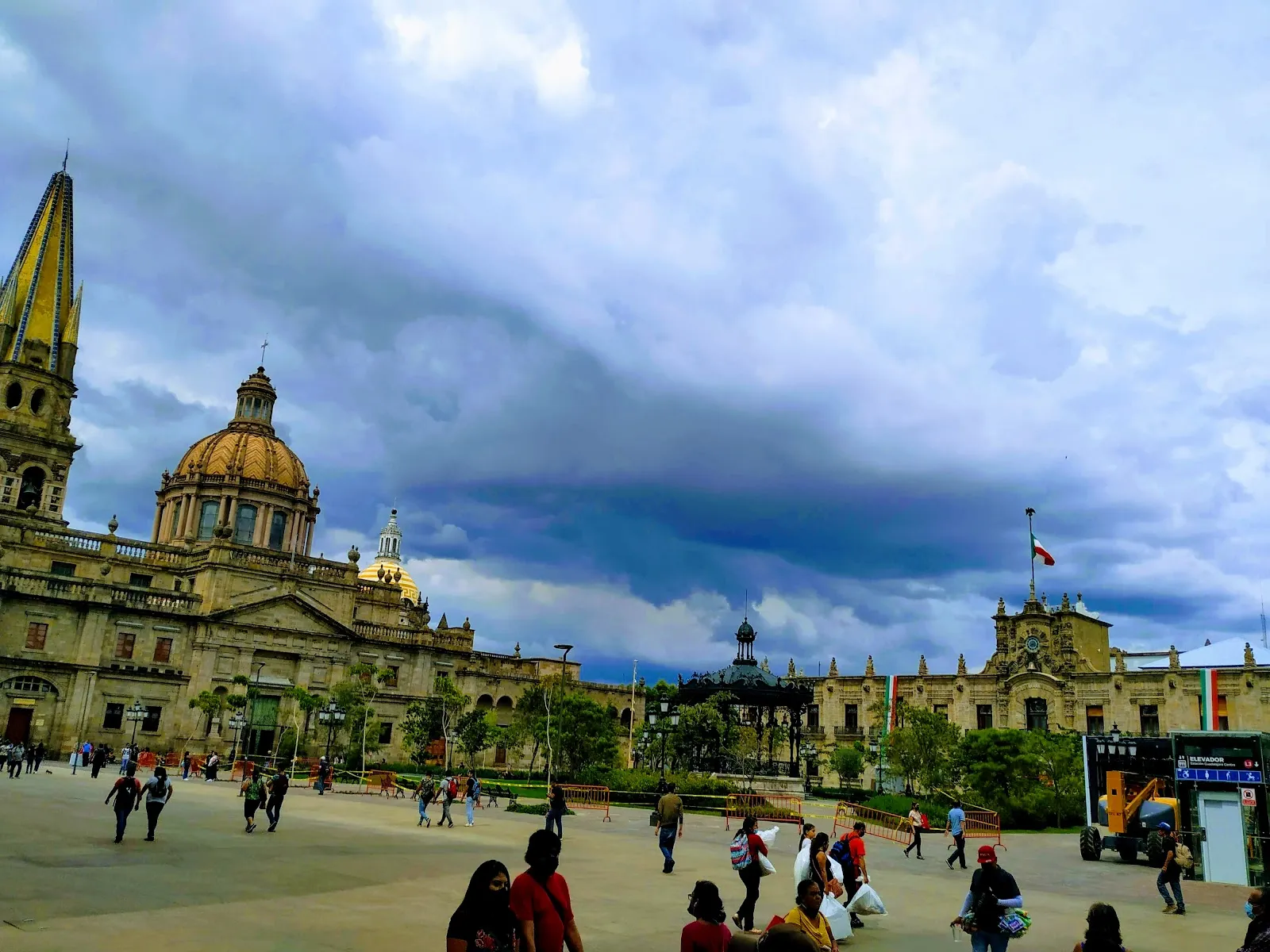
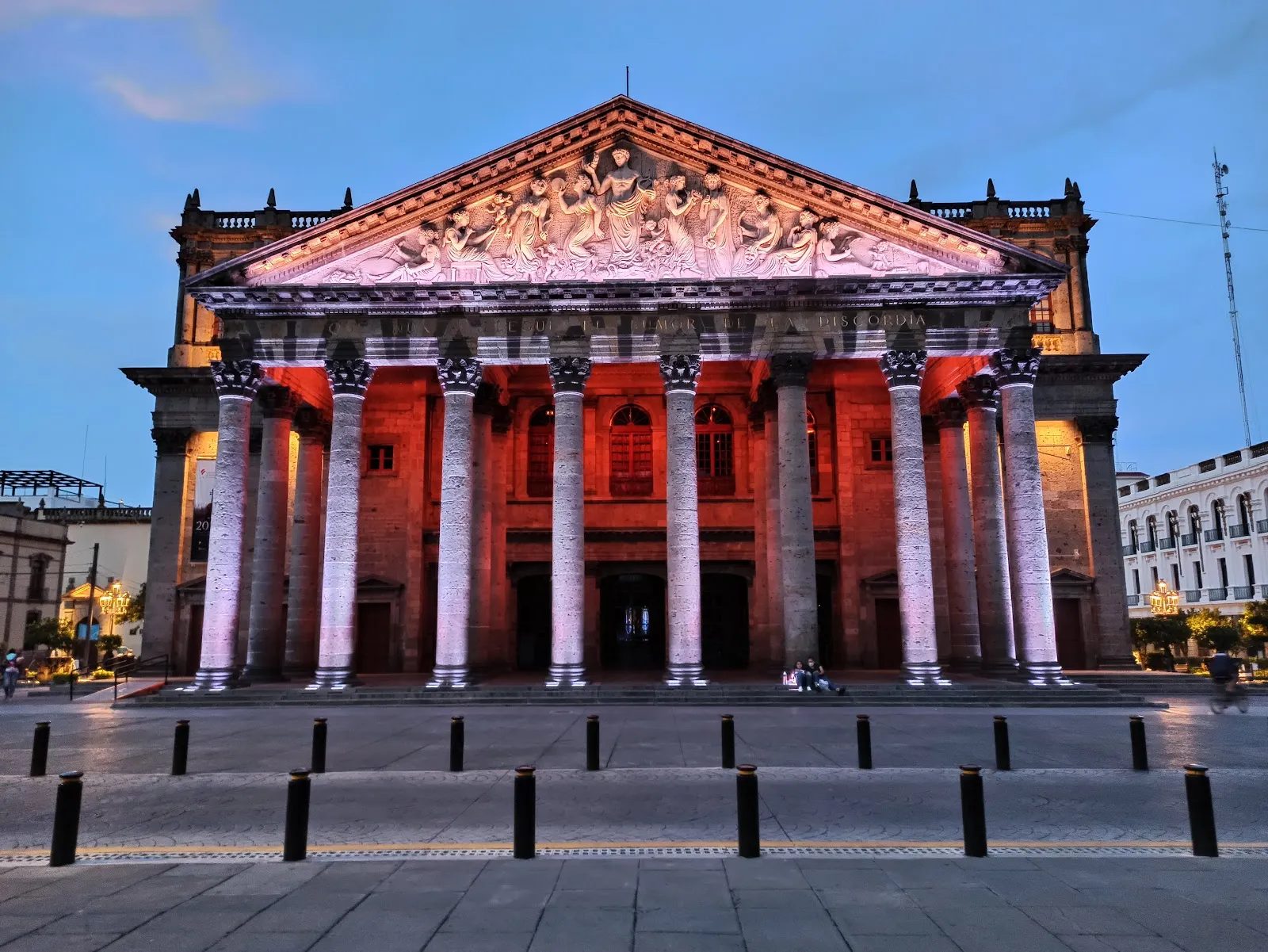
The square runs from the Guadalajara Cathedral on the west to the Teatro Degollado on the east. The cathedral's towers are Neo-Gothic, while its façade is more baroque.

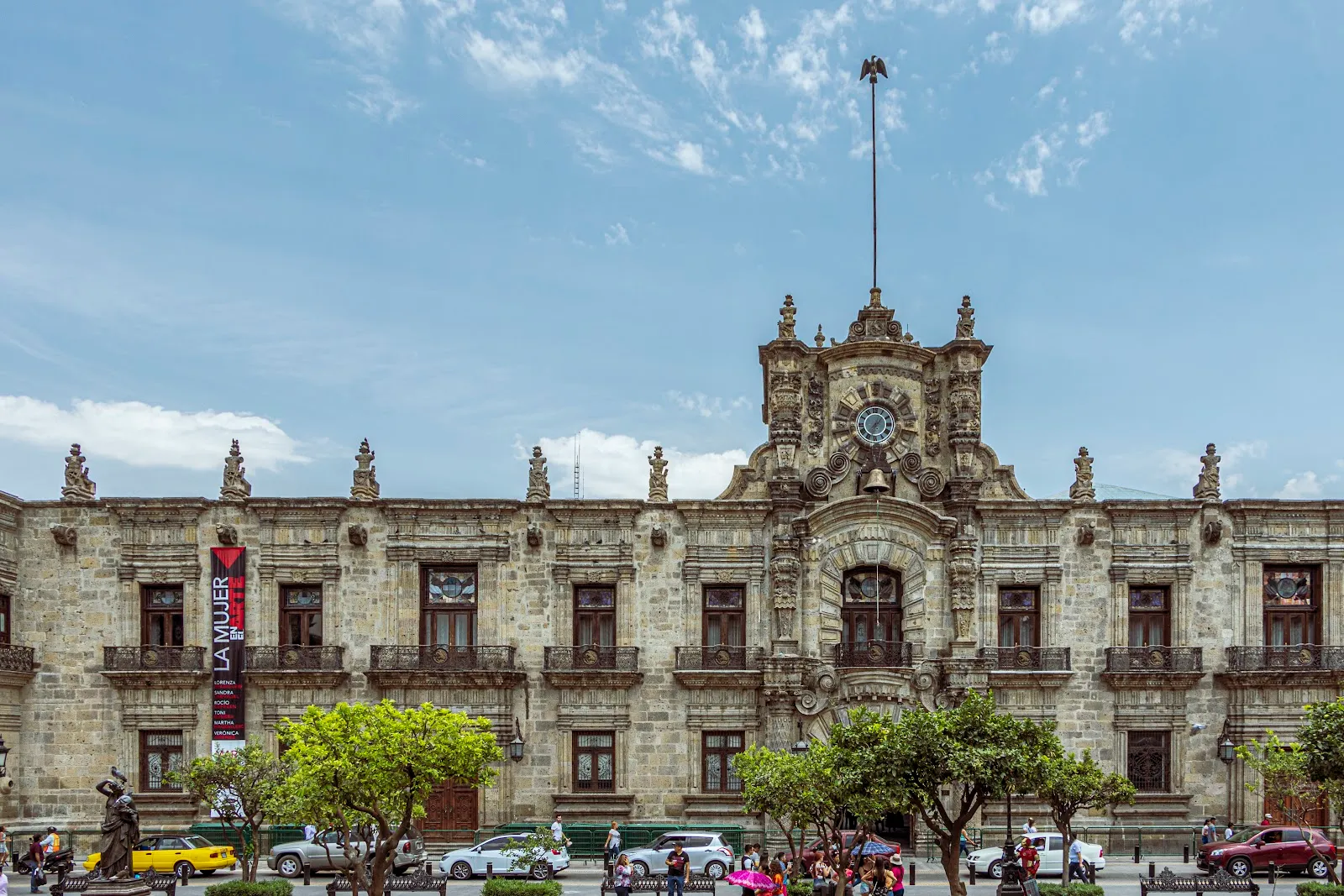
On the north side, next to the Museo Regional de Guadalajara, stands the legislative palace. Its thick stone columns make it easy to recognize. East of the square, across Calle Belén, is the Palacio de la Justicia. It was built in 1588 as the city's first nunnery, and a mural by Guillermo Chávez is inside.

Fountains, events and everyday life

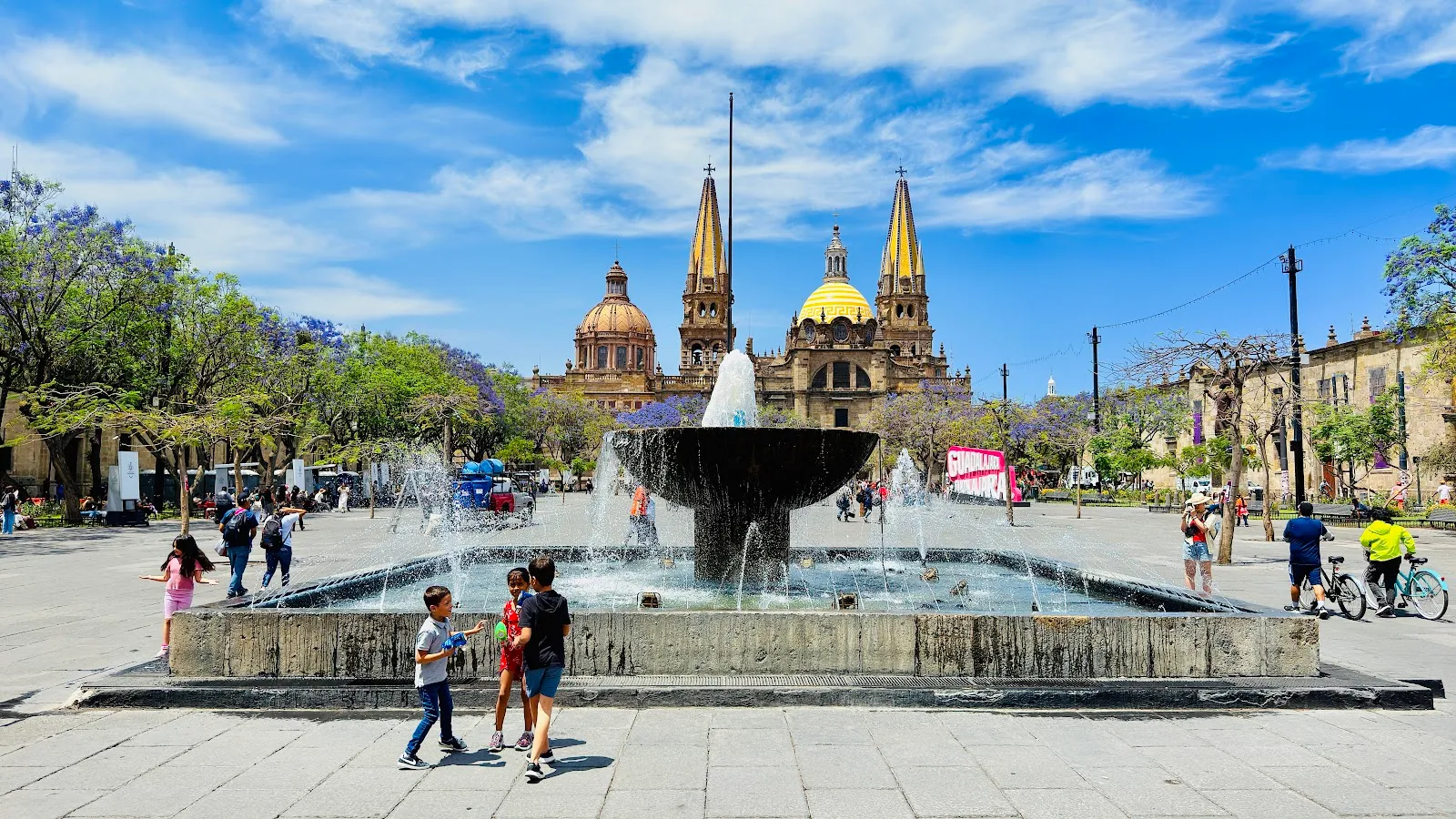
The two fountains are shaped like cups, which gives the square its nickname, Plaza de las Dos Copas. Locals also call it Plaza de los Tres Poderes.

The wide open space hosts exhibitions, fairs, cultural and gastronomic events, free concerts and city festivities. Christmas displays appear here, and car shows have been held in the square. Each year the Guadalajara Pride Parade ends in the plaza.

Visiting the square

Street food stalls and small cafés line the edges of the square, and shoe polishing stations stand around the perimeter. National Guard members are present in the square and talk with people.

A hop-on, hop-off city tour stops right beside the square, so it works well as a starting point for a walk through the historic center. The Museo Regional and Plaza Tapatía are close by, which makes the square easy to combine with other stops.

FAQ

Is Plaza de la Liberación open at night?

Yes. The square is open 24 hours a day, and evenings are a pleasant time to walk around the fountains and the historic buildings.

Is the plaza wheelchair accessible?

Yes. The entrance, the restroom and the parking lot are wheelchair accessible.

Do I need cash?

Yes. The square is cash only, so bring cash for street food and other purchases.

What happens on Sunday afternoons?

Magicians, mimes, musicians and street vendors gather among the fountains, which makes it the liveliest time to visit.

More must-sees in Guadalajara

Explore all