Museum Bank Indonesia traces the country’s financial story inside the former De Javasche Bank in Jakarta’s Old Town. Its exhibits connect trade and colonial rule with Indonesia’s changing economy, banking system and currency. Follow the museum’s organized route through historical scenes, dioramas and displays of coins and banknotes, then look for the section on the 1997 financial crisis. The restored building is part of the visit too, with neoclassical details that incorporate local influences. It suits anyone curious about how money and national history intersect.
A former bank in Jakarta’s Old Town
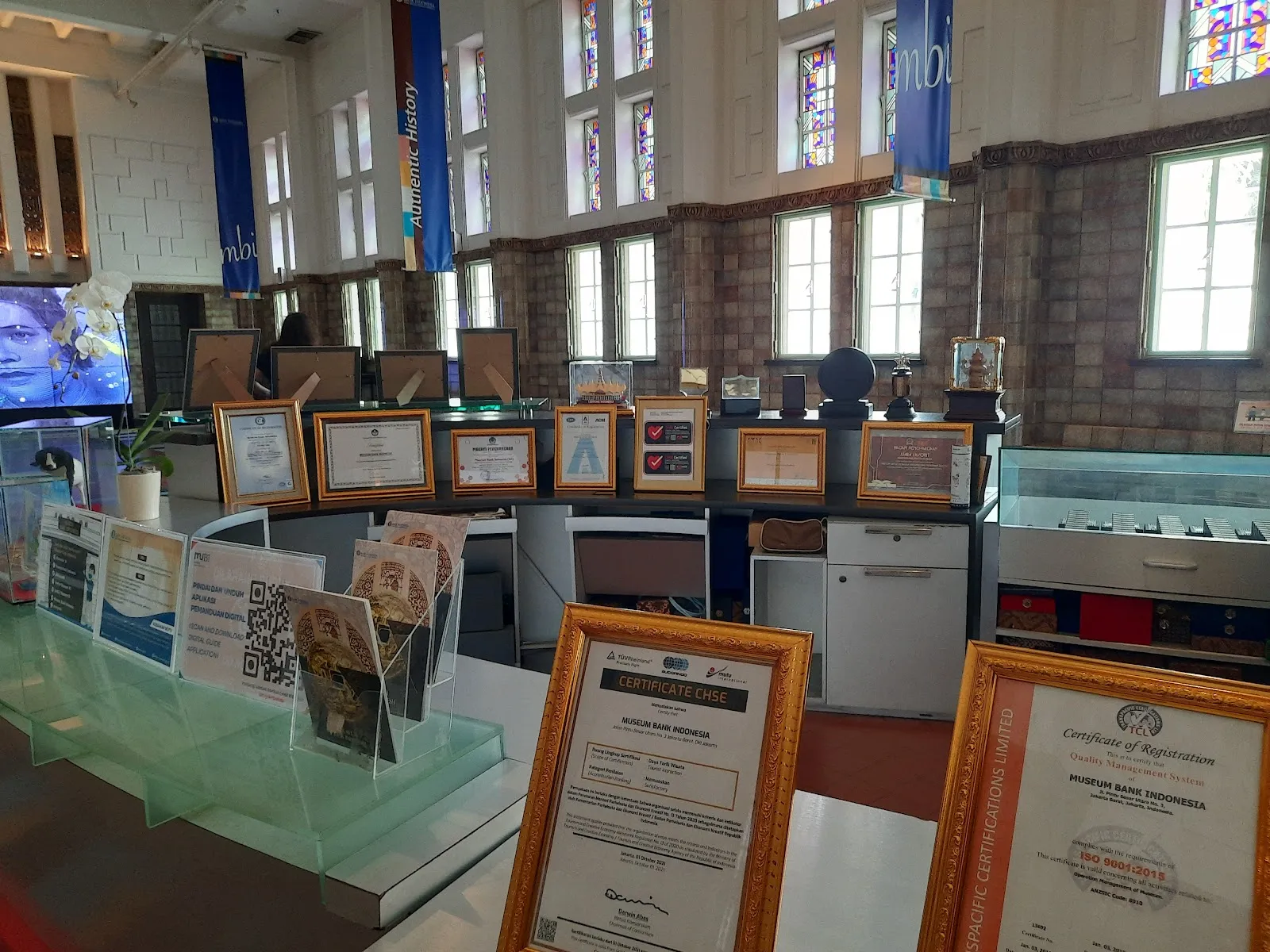
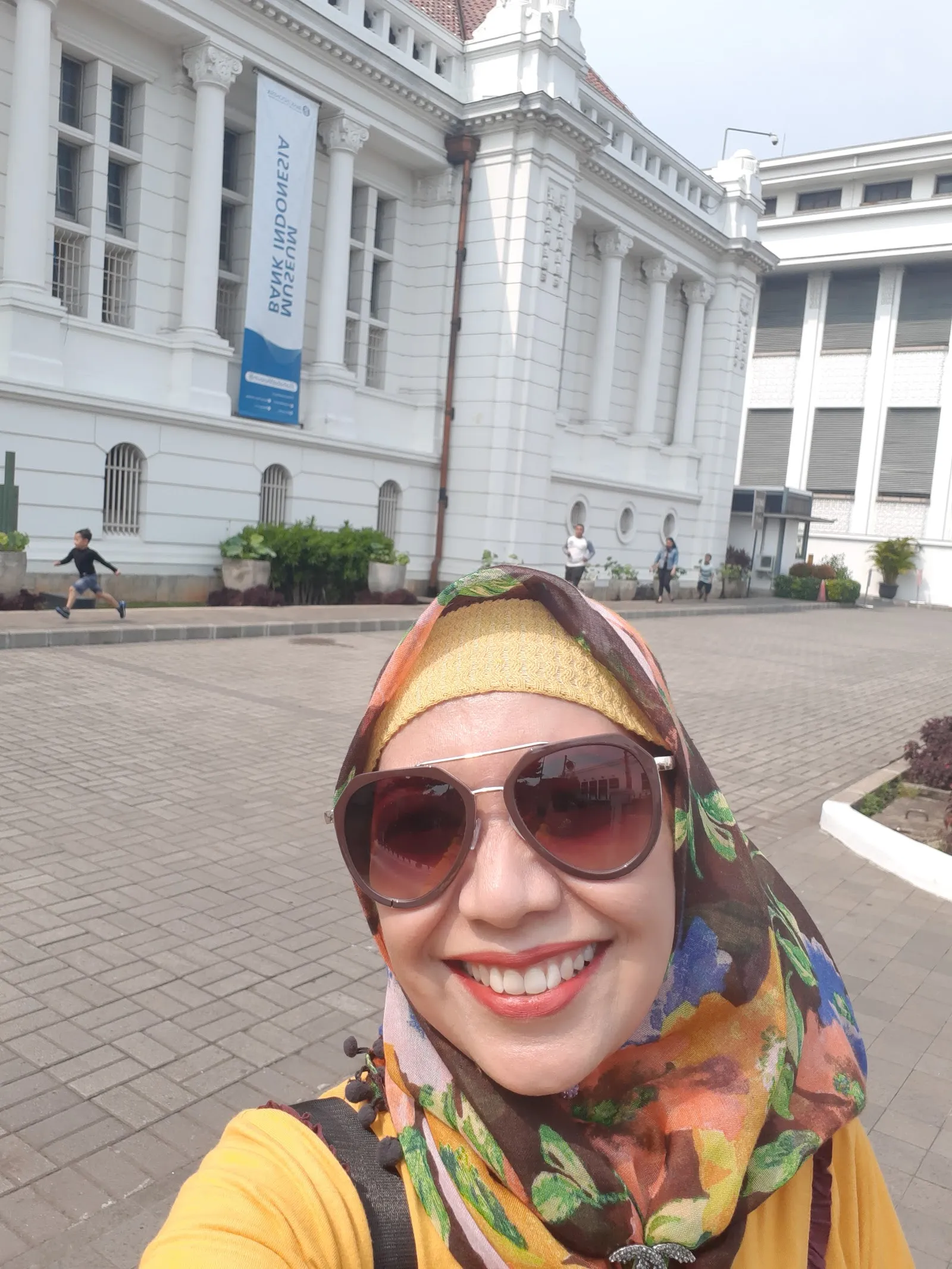
Museum Bank Indonesia occupies the historic building associated with De Javasche Bank, the central bank of the Dutch East Indies. The institution later became Bank Indonesia after the country’s independence. The museum opened in 2009, giving the former bank a new role as a place to explore Indonesia’s financial history.
The building’s neoclassical design includes local influences. Its preserved interiors and antique furnishings help set the scene for exhibits that connect the history of banking with the country’s wider past.
From trade to currency
The displays begin with the archipelago’s earlier trade and colonial-era history, then follow the development of Indonesia’s economy and banking. Dioramas, videos and other audiovisual elements explain how financial institutions and policies changed over time. The route also touches on major political periods, including Dutch rule, Japanese occupation and the establishment of Bank Indonesia in 1953.
A section on the 1997 financial crisis links economic events to their effects on the country. The presentation is largely text-based, so visitors who enjoy reading historical displays will get the most from a steady visit through the galleries.
Coins, banknotes and the building
The currency displays are a highlight for anyone interested in numismatics. They include coins and notes from different periods of Indonesian history, alongside examples of international currency. The collection helps show how money changed from earlier eras through the present day.
Look out for the gallery devoted to currency and the exhibits on the spice trade. Other displays use realistic figures and detailed scenes to depict historical trading settings. The museum also has interactive areas and a theater that shows short documentaries. English is available for many displays, though some videos are not in English or have subtitles only.
FAQ
Where is Museum Bank Indonesia?
It is at Jl. Pintu Besar Utara No. 3 in Jakarta’s Old Town, in the former De Javasche Bank building.
How long should I allow for a visit?
Allow about 1 to 2 hours to follow the exhibits and explore the currency galleries.
Is Museum Bank Indonesia open on Mondays?
No. It is listed as closed on Mondays and open Tuesday through Sunday in the afternoon.
What can you see inside Museum Bank Indonesia?
Exhibits cover trade, Indonesia’s financial and banking history, the 1997 crisis, and coins and banknotes from different periods. There are also dioramas and audiovisual displays.