Plan a trip
Language: English
Trip plannerPlan your trip on a map

Top destinations

EnglishDeutschFrançaisEspañolPortuguêsPortuguês (BR)Italiano
Travel advisory · BrazilSome governments advise against travel to parts of Brazil.The warnings cover only these areas: Ceilandia, Favelas, Paranoá, Santa Maria, São Sebastião, Venezuela border area.Advice depends on your passport. Read your own government's advice before you book.Official advice
Areas with warnings
  • Ceilandia · avoid non-essential travel · Italy, US
  • Favelas · avoid non-essential travel · Germany, Spain, New Zealand, US
  • Paranoá · avoid non-essential travel · Italy, US
  • Santa Maria · avoid non-essential travel · Italy, US
  • São Sebastião · avoid non-essential travel · Italy, US
  • Venezuela border area · avoid non-essential travel · Germany, France

Also named by one government: 160 km strip along Brazil's land borders (US), Complexo da Maré (Canada), Complexo da Penha (Canada), 20 km strip along the Bolivian border (excluding Pantanal National Park) (Canada), 20 km strip along the Colombian border (Canada), 20 km strip along the French Guiana border (Canada), 20 km strip along the Guyanese border (Canada), 20 km strip along the Paraguayan border (Canada), 20 km strip along the Peruvian border (Canada), 20 km strip along the Surinamese border (Canada), 50 km strip along the Venezuelan border (Canada), Amazonas River and tributaries, Amazonas State (between Codajás and Belém do Solimões) (UK), Border zones (unspecified) (France), Chapada Diamantina National Park (trilha do 21) (Spain), Planaltina (Italy), Samambaia (Italy)

GovernmentAdviceUpdatedRead the advice
United Kingdom (FCDO)No advice against the whole country (regional advisories)–Read the advice
United States (State Dept)Exercise increased caution (regional advisories)Aug 31, 2026Read the advice
Canada (Global Affairs)Exercise a high degree of caution (regional advisories)–Read the advice
Germany (Auswärtiges Amt)No advice against the whole country (regional advisories)Oct 27, 2026Read the advice
New Zealand (SafeTravel)Exercise increased caution due to high crime rates (regional advisories)–Read the advice
France (Ministry for Europe and Foreign Affairs)Vigilance renforcée (pays à risque) (regional advisories)–Read the advice

Checked daily from the governments' published advice; last checked Nov 2, 2026. RoamLedger summarises official advice; it is not advice from any government.

Museum Júlio de Castilhos
Museum

Museum Júlio de Castilhos

Explore Rio Grande do Sul’s history at Porto Alegre’s oldest museum, with Guarani artifacts, Gaúcho objects and outdoor displays. Admission is free.

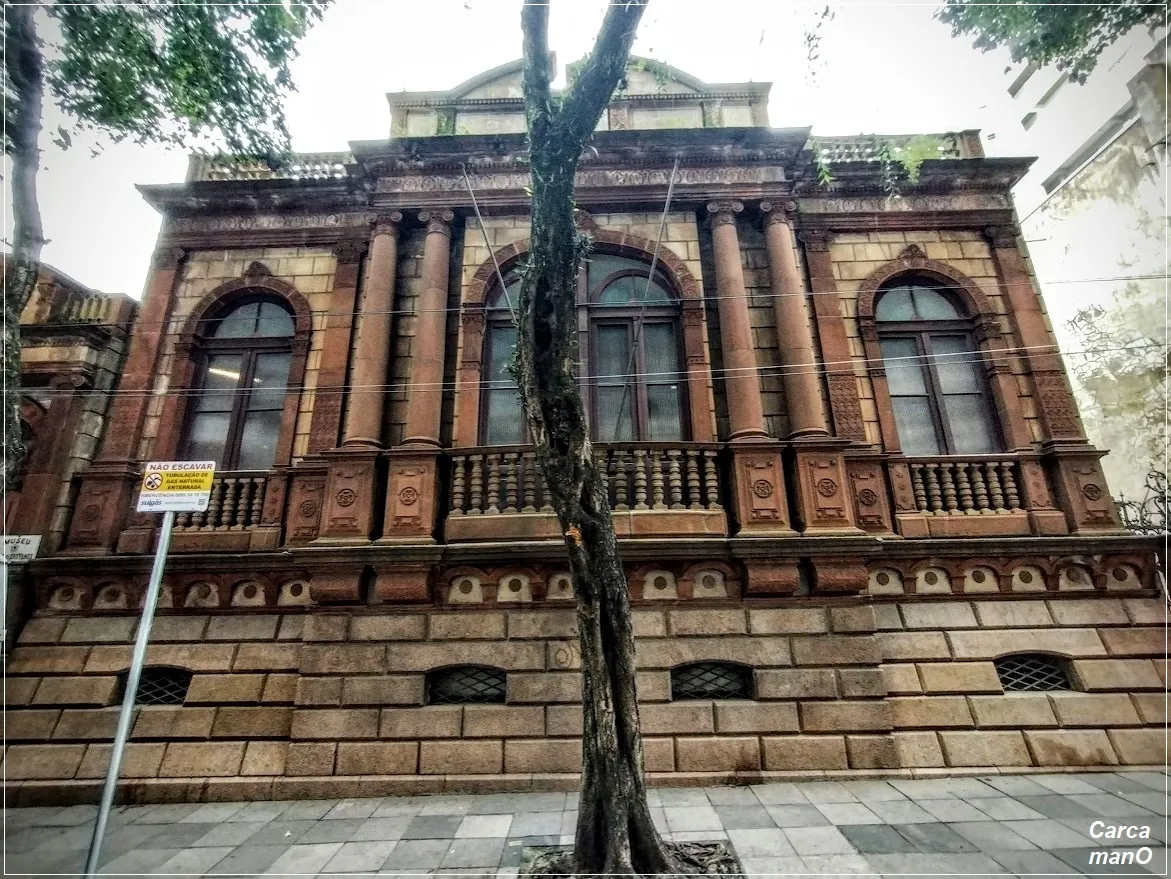
The Museum Júlio de Castilhos traces the history of Rio Grande do Sul from its address on Rua Duque de Caxias in Porto Alegre’s Centro Histórico. The state’s oldest museum holds more than 11,000 objects across 22 collections, including Indigenous artifacts, Gaúcho clothing and riding gear, weapons, documents and household items. Look for pieces connected to the Guarani and the Seven Missions, as well as outdoor displays and a very old car. The collection ranges widely, though some rooms have little context to explain what is on view.

A museum devoted to the state’s past
Museum Júlio de Castilhos

The Museum Júlio de Castilhos opened in 1903, after state president Borges de Medeiros signed the decree creating Rio Grande do Sul’s first museum. It was named in tribute to Júlio de Castilhos, a journalist and politician who served twice as the state’s governor.

The collection brings together material from different periods and parts of local life. Its 22 collections include photographs, paintings, engravings, clothing, accessories, weapons, documents, machinery and household utensils. Indigenous culture, the history of missions and objects connected to slavery are also represented.

What to look for in the collections
Museum Júlio de Castilhos

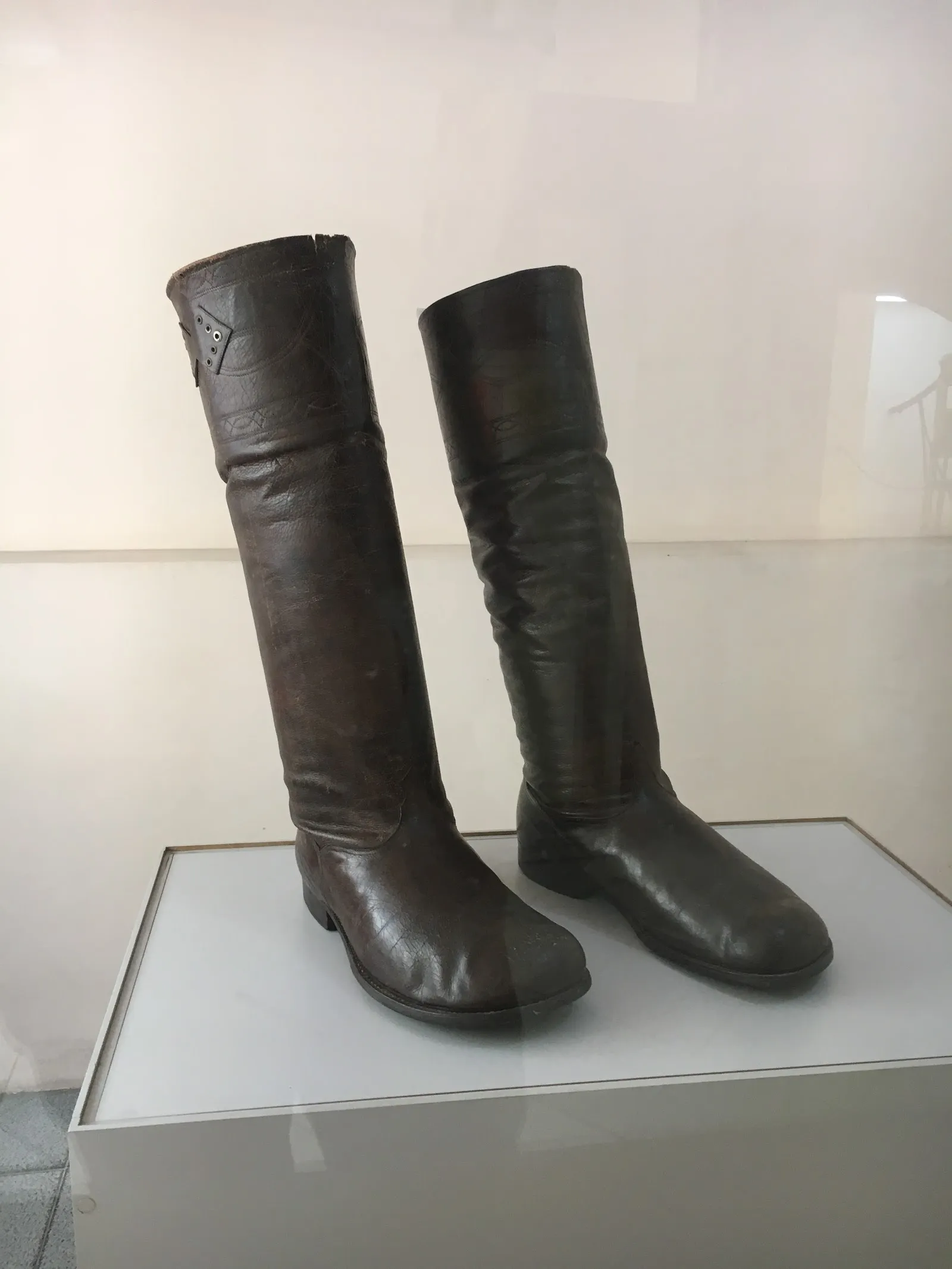
Gaúcho traditions appear in objects such as ponchos, mate gourds and horse-riding equipment, linking everyday belongings to the region’s ranching culture. Other pieces relate to conflict and political history, including the War of the Ragamuffins and the War of the Triple Alliance.

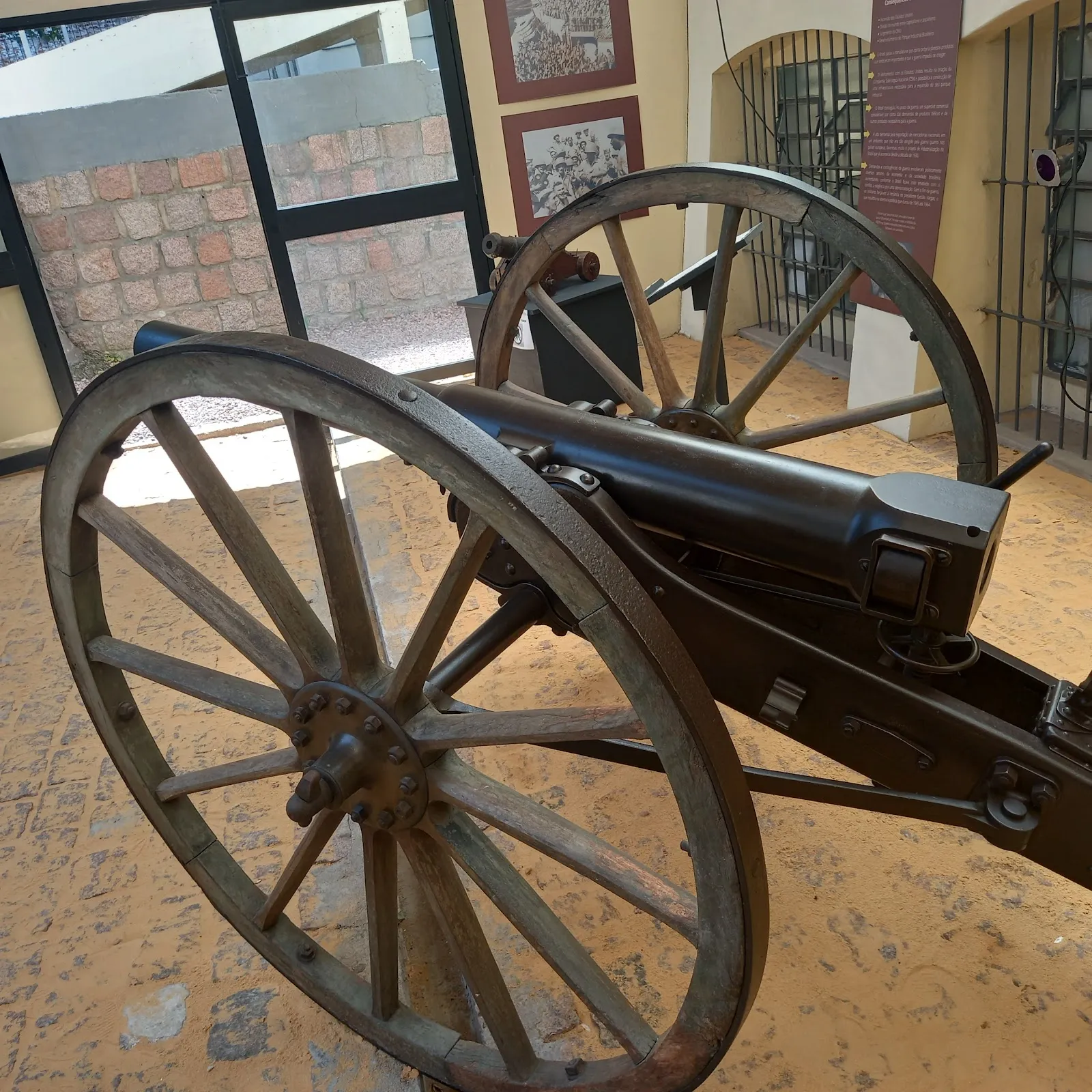
Among the Indigenous material, look for masks and pottery, as well as objects connected to the Guarani and the Seven Missions. The museum also displays old vehicles and cannons, with some exhibits set outdoors. The range is broad, but interpretation varies between rooms, so some objects may be easier to understand than others.

FAQ

Is admission to the Museum Júlio de Castilhos free?

Yes. Admission is free.

What can you see at the museum?

The collections cover Rio Grande do Sul’s history and include Indigenous artifacts, Gaúcho clothing and riding equipment, weapons, documents, machinery and household objects.

Where is the Museum Júlio de Castilhos?

It is at Rua Duque de Caxias, 1205, in Porto Alegre’s Centro Histórico.

Is the museum wheelchair accessible?

The museum has a wheelchair-accessible elevator.

More must-sees in Porto Alegre

Explore all