Planeje uma viagem
Idioma: Português (BR)
Planejador de viagensPlaneje sua viagem em um mapa

Principais destinos

EnglishDeutschFrançaisEspañolPortuguêsPortuguês (BR)Italiano
Alerta de viagem · BrasilAlguns governos recomendam evitar viagens a partes de Brasil.Os alertas cobrem apenas estas áreas: Ceilândia, Favelas, Paranoá, Santa Maria, São Sebastião, Takad ar frontier gant Venezuela.As recomendações dependem do seu passaporte. Leia a recomendação do governo do seu país antes de reservar.Recomendação oficial
Áreas com alertas
  • Ceilândia · evitar viagens não essenciais · Itália, EUA
  • Favelas · evitar viagens não essenciais · Alemanha, Espanha, Nova Zelândia, EUA
  • Paranoá · evitar viagens não essenciais · Itália, EUA
  • Santa Maria · evitar viagens não essenciais · Itália, EUA
  • São Sebastião · evitar viagens não essenciais · Itália, EUA
  • Takad ar frontier gant Venezuela · evitar viagens não essenciais · Alemanha, França

Também indicado por um governo: Bandenn 160 km a-hed harzoù douar Brazil (EUA), Complexo da Maré (Canadá), Complexo da Penha (Canadá), Bandenn 20 km a-hed ar frontier gant Bolivia (hep Park-broadel Pantanal) (Canadá), Bandenn 20 km a-hed ar frontier gant Kolombia (Canadá), Bandenn 20 km a-hed ar frontier gant Gwiana Frañs (Canadá), Bandenn 20 km a-hed ar frontier gant Guyana (Canadá), Bandenn 20 km a-hed ar frontier gant Paraguay (Canadá), Bandenn 20 km a-hed ar frontier gant Peru (Canadá), Bandenn 20 km a-hed ar frontier gant Surinam (Canadá), Bandenn 50 km a-hed ar frontier gant Venezuela (Canadá), Stêr Amazonas ha he c'hlevioù, Stad Amazonas (etre Codajás ha Belém do Solimões) (Reino Unido), Takadoù a-dro d'ar frontier (diresput) (França), Park-broadel Chapada Diamantina (Trilha do 21) (Espanha), Planaltina (Itália), Samambaia (Itália)

GovernoRecomendaçõesAtualizadoLeia a recomendação
Reino Unido (FCDO)No advice against the whole country (regional advisories)–Leia a recomendação
Estados Unidos (Departamento de Estado)Exercise increased caution (regional advisories)31 de ago. de 2026Leia a recomendação
Canadá (Global Affairs)Exercise a high degree of caution (regional advisories)–Leia a recomendação
Alemanha (Auswärtiges Amt)No advice against the whole country (regional advisories)27 de out. de 2026Leia a recomendação
Nova Zelândia (SafeTravel)Exercise increased caution due to high crime rates (regional advisories)–Leia a recomendação
França (Ministério da Europa e Relações Exteriores)Vigilance renforcée (pays à risque) (regional advisories)–Leia a recomendação

Verificado diariamente com base nas recomendações publicadas pelos governos; última verificação em 2 de nov. de 2026.RoamLedger resume recomendações oficiais; não são recomendações de nenhum governo.

Museum Júlio de Castilhos
Museu

Museum Júlio de Castilhos

The Museum Júlio de Castilhos traces the history of Rio Grande do Sul from its address on Rua Duque de Caxias in Porto Alegre’s Centro Histórico.

The Museum Júlio de Castilhos traces the history of Rio Grande do Sul from its address on Rua Duque de Caxias in Porto Alegre’s Centro Histórico. The state’s oldest museum holds more than 11,000 objects across 22 collections, including Indigenous artifacts, Gaúcho clothing and riding gear, weapons, documents and household items. Look for pieces connected to the Guarani and the Seven Missions, as well as outdoor displays and a very old car. The collection ranges widely, though some rooms have little context to explain what is on view.

A museum devoted to the state’s past
Museum Júlio de Castilhos

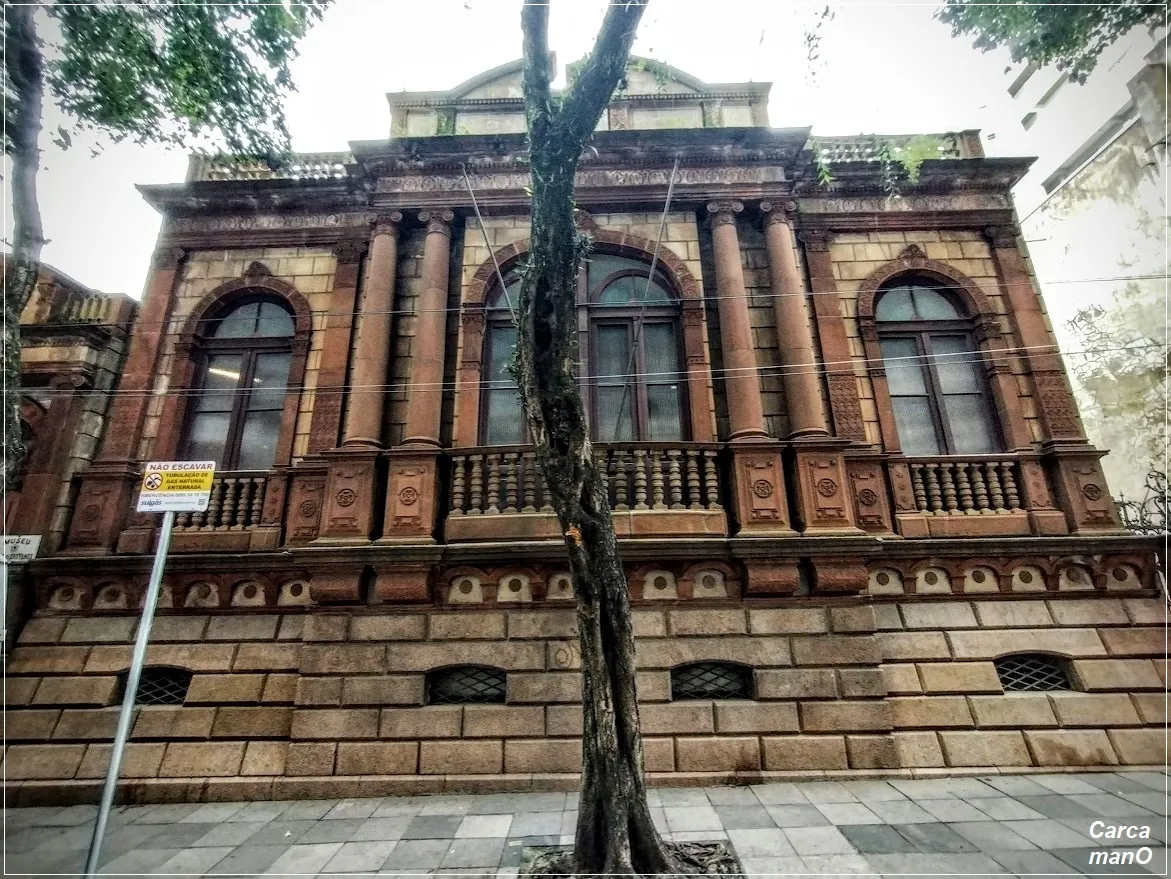
The Museum Júlio de Castilhos opened in 1903, after state president Borges de Medeiros signed the decree creating Rio Grande do Sul’s first museum. It was named in tribute to Júlio de Castilhos, a journalist and politician who served twice as the state’s governor.

The collection brings together material from different periods and parts of local life. Its 22 collections include photographs, paintings, engravings, clothing, accessories, weapons, documents, machinery and household utensils. Indigenous culture, the history of missions and objects connected to slavery are also represented.

What to look for in the collections
Museum Júlio de Castilhos

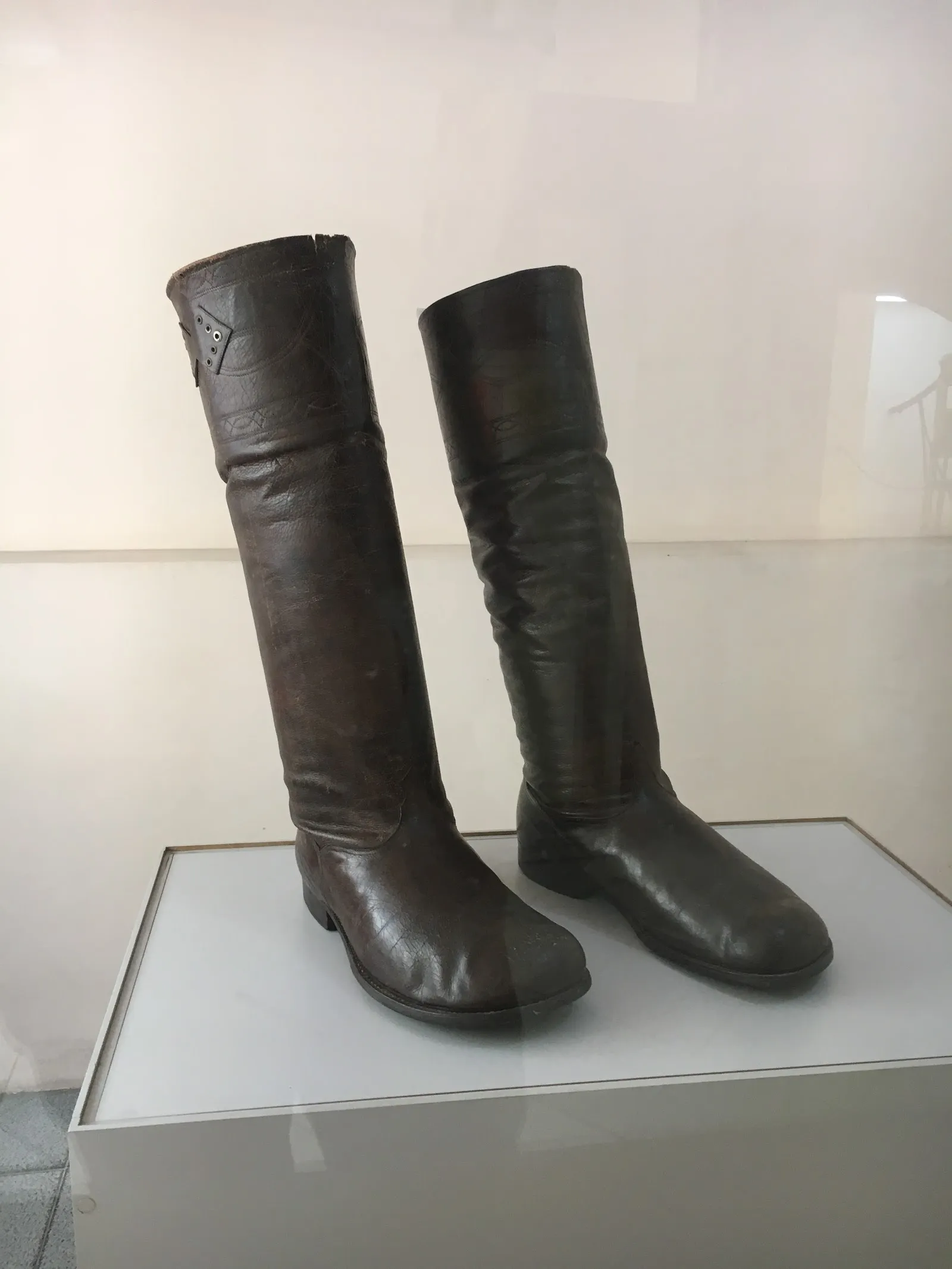
Gaúcho traditions appear in objects such as ponchos, mate gourds and horse-riding equipment, linking everyday belongings to the region’s ranching culture. Other pieces relate to conflict and political history, including the War of the Ragamuffins and the War of the Triple Alliance.

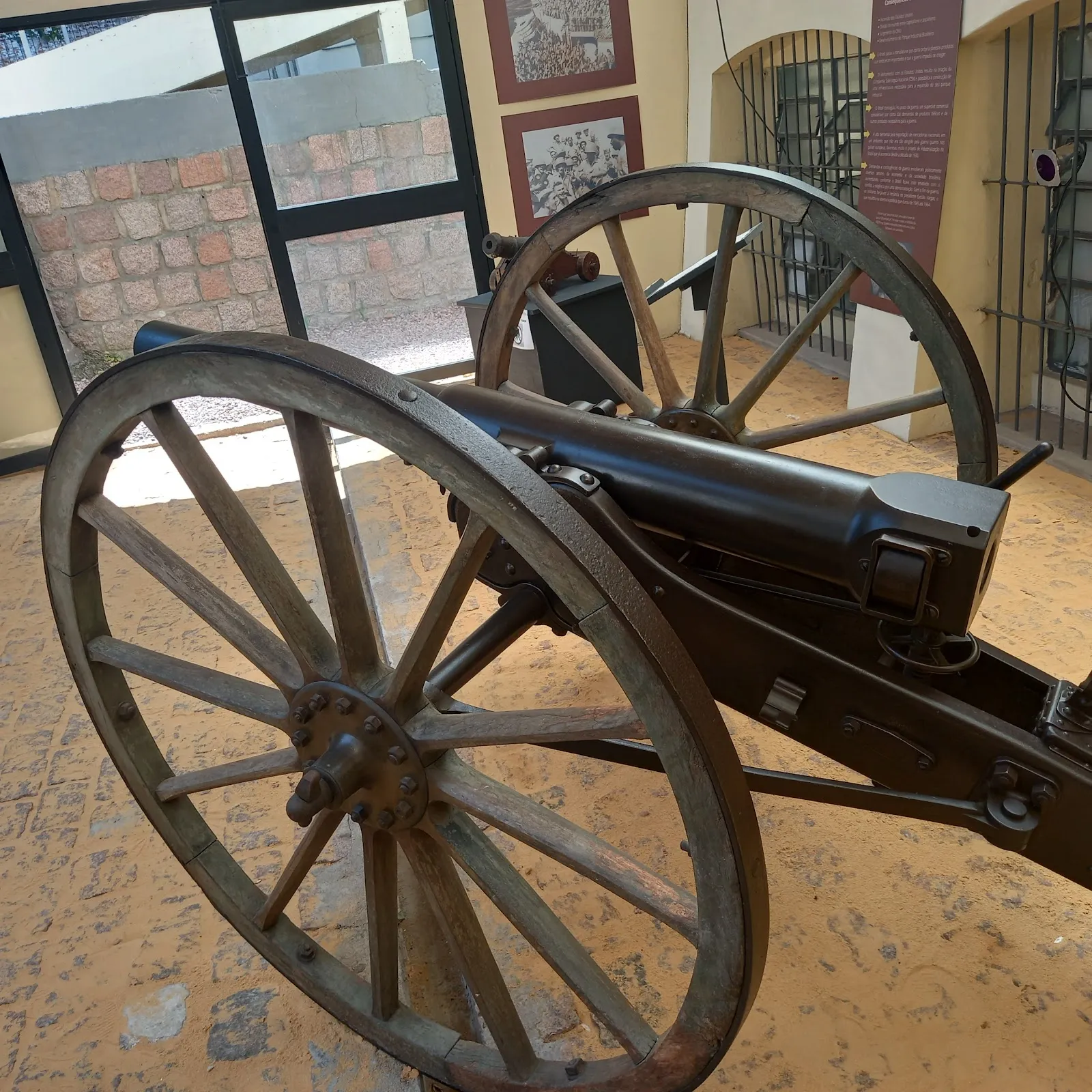
Among the Indigenous material, look for masks and pottery, as well as objects connected to the Guarani and the Seven Missions. The museum also displays old vehicles and cannons, with some exhibits set outdoors. The range is broad, but interpretation varies between rooms, so some objects may be easier to understand than others.

Perguntas frequentes

Is admission to the Museum Júlio de Castilhos free?

Yes. Admission is free.

What can you see at the museum?

The collections cover Rio Grande do Sul’s history and include Indigenous artifacts, Gaúcho clothing and riding equipment, weapons, documents, machinery and household objects.

Where is the Museum Júlio de Castilhos?

It is at Rua Duque de Caxias, 1205, in Porto Alegre’s Centro Histórico.

Is the museum wheelchair accessible?

The museum has a wheelchair-accessible elevator.

Mais atrações imperdíveis em Porto Alegre

Explorar tudo