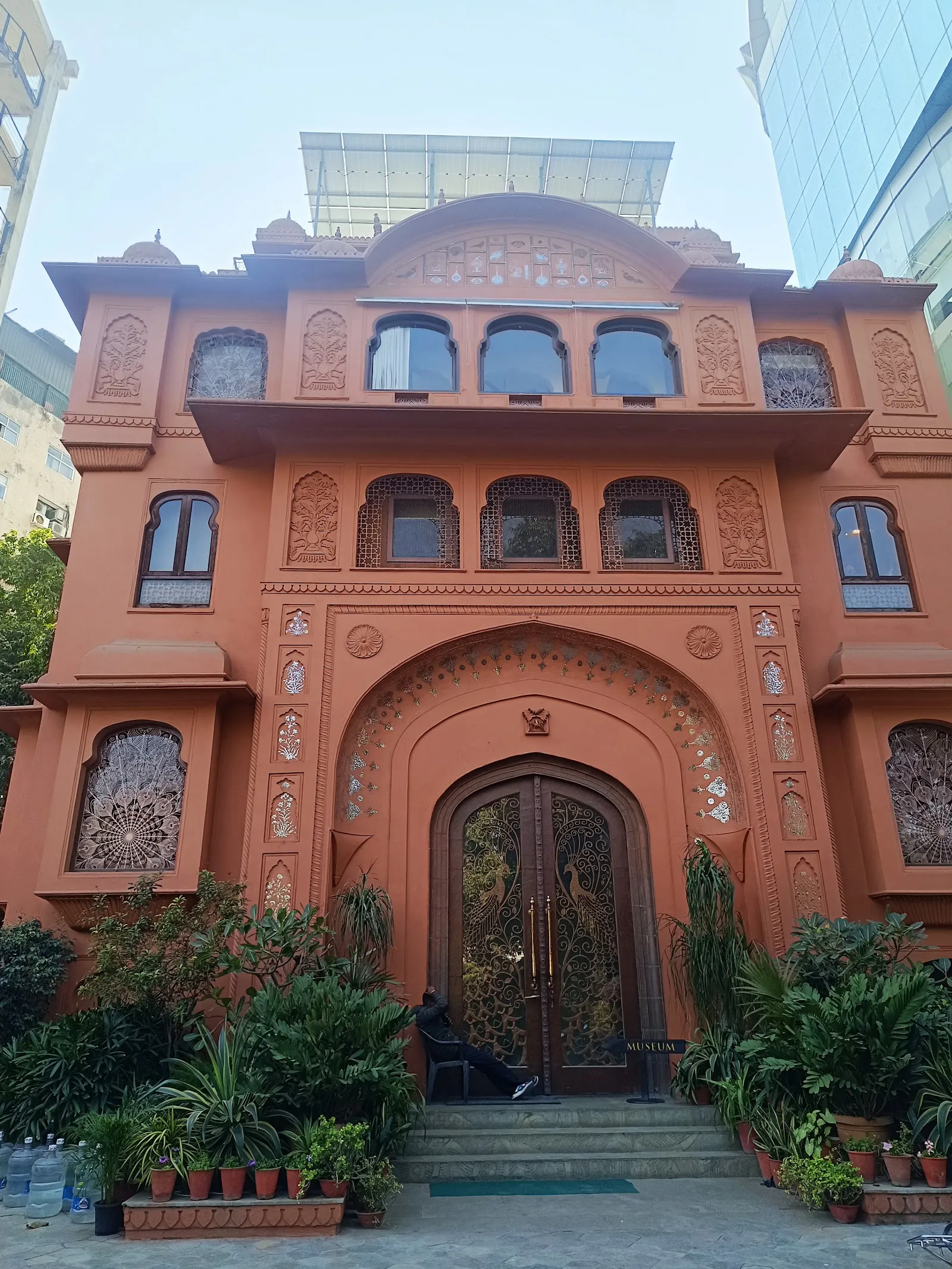
Amrapali Museum, on Ashok Marg in Jaipur’s C Scheme, is devoted to Indian jewellery and decorative metalwork. Its collection spans more than 4,000 objects, with pieces from different regions and periods, including tribal ornaments and Mughal-era work. Look for jewellery made in gold, silver and other metals, as well as objects such as silver horse ornaments and decorated doors. An audio guide adds context to the displays. Check both floors and the visual storage cases, where more of the collection can be seen.
A collection built around Indian jewellery
Amrapali Museum was founded by Rajiv Arora and Rajesh Ajmera, who also established Amrapali Jewels. Their collecting began with a focus on preserving traditional and family jewellery, including pieces at risk of being melted down. The museum opened in 2018 after decades of collecting and research across India.
The collection holds more than 4,000 objects from the Indian subcontinent. It includes antique and modern jewellery, decorative objects and examples of metalwork. The pieces span varied traditions and periods, giving the displays a focus on how jewellery was made and worn in different communities.
What to look for in the displays
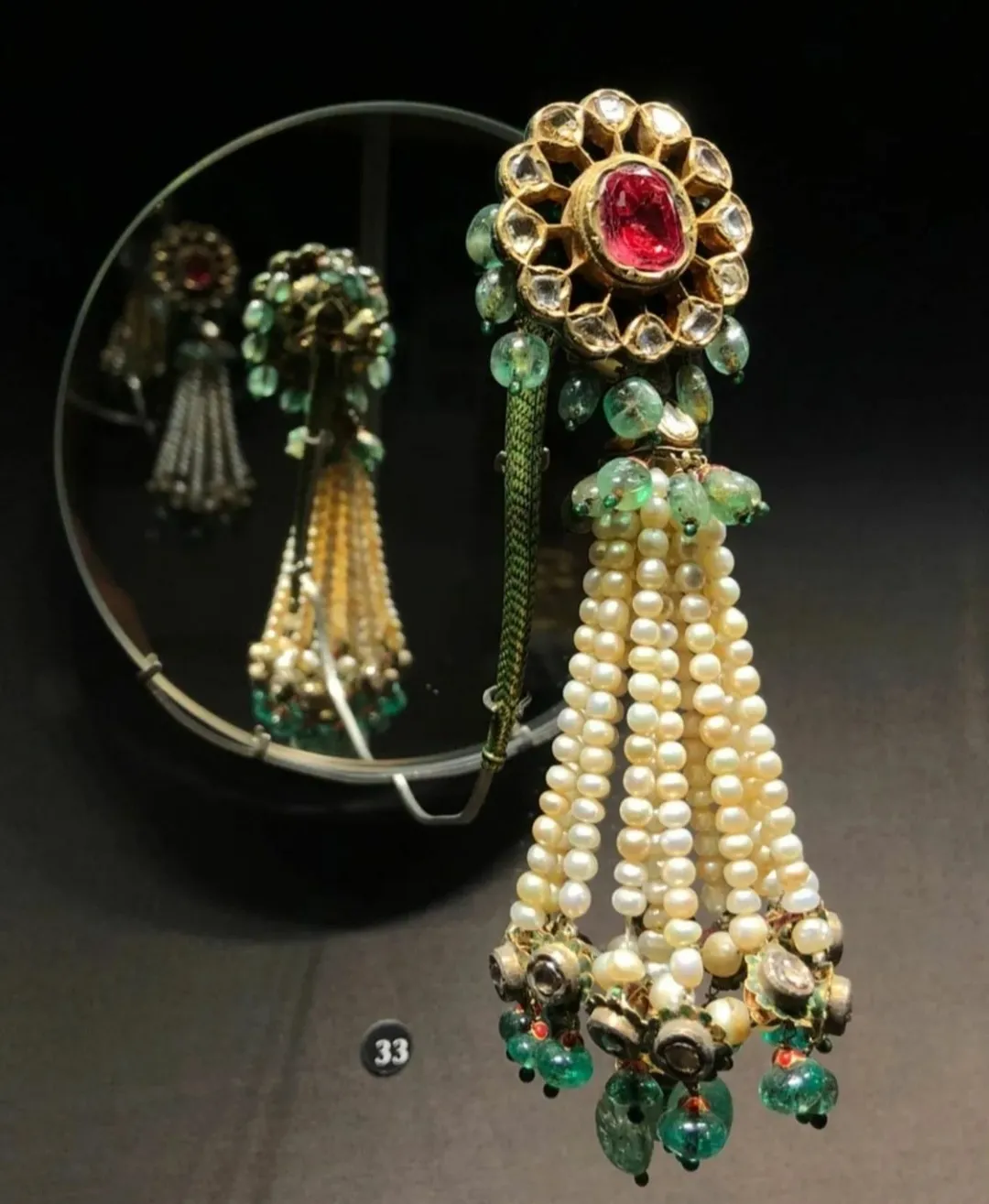
Jewellery is shown alongside objects that extend beyond necklaces, earrings, bracelets and rings. The collection includes tribal ornaments, silver anklets made for horses, decorated footwear, crowns and chariots covered in silver. There are also finely worked silver doors and other household objects. Together, these pieces show how metalwork and ornament appeared in daily life as well as in ceremonial settings.
Some objects use precious metals and gemstones, while others draw attention to the shape and surface of the metal itself. The collection includes designs connected with Mughal, Rajput and temple traditions, as well as regional and tribal work. The displays trace changes in style and craft without limiting the visit to jewellery made for royalty.
Making time for a closer look
More than 800 objects are displayed across two floors; others can be viewed in visual storage cases. Make time for both floors and the storage displays if you want to see beyond the main cases. The museum provides an audio guide with headphones, which gives additional background on the objects as you move through the galleries.
Traditional tools and jewellery-making techniques are also part of the museum experience. Artisan demonstrations are described as part of its programming, and the museum has educational activities and workshops related to jewellery making. Availability can depend on what is scheduled during your visit. Photography is not allowed inside, so plan to take in the details in person rather than record the displays.
FAQ
How long should I spend at Amrapali Museum?
Allow several hours to explore the collection across both floors and the visual storage displays.
Can you take photographs inside Amrapali Museum?
No. Photography is not allowed inside the museum.
How many objects are on display?
The collection has more than 4,000 objects, with over 800 displayed across two floors. More can be seen in visual storage cases.
Does Amrapali Museum provide an audio guide?
Yes. Audio guides with headphones provide background on the objects.


