Sejong Center for the Performing Arts is a major arts venue at 175 Sejong-daero in Seoul’s Gwanghwamun district, beside Gwanghwamun Square. Its program ranges from Korean musical theatre and original productions such as Ilmu (One Dance) to classical concerts and exhibitions. The building combines Korean and Western design and contains several theatres, an art museum and event spaces. Check the language support for a performance before booking: some shows use Korean-only subtitles. After the curtain, Gwanghwamun Square is close by for a walk.
A major stage for Korean performing arts
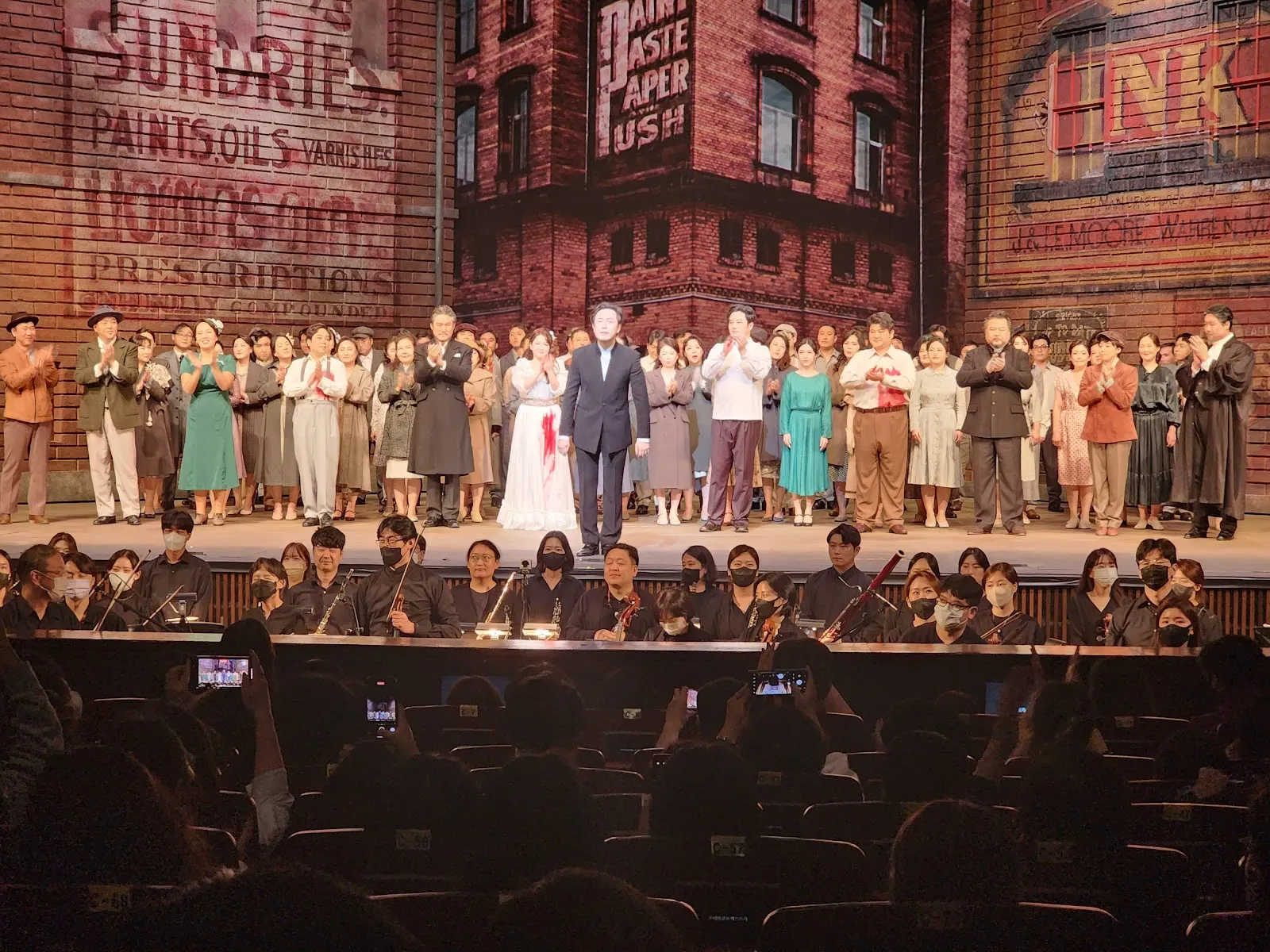
Sejong Center is a multipurpose arts complex established by the Seoul city government. Its program includes performances by Korean artists, original productions and special events. Ilmu (One Dance) is one example of the center’s own work; classical concerts have also appeared on its stages.
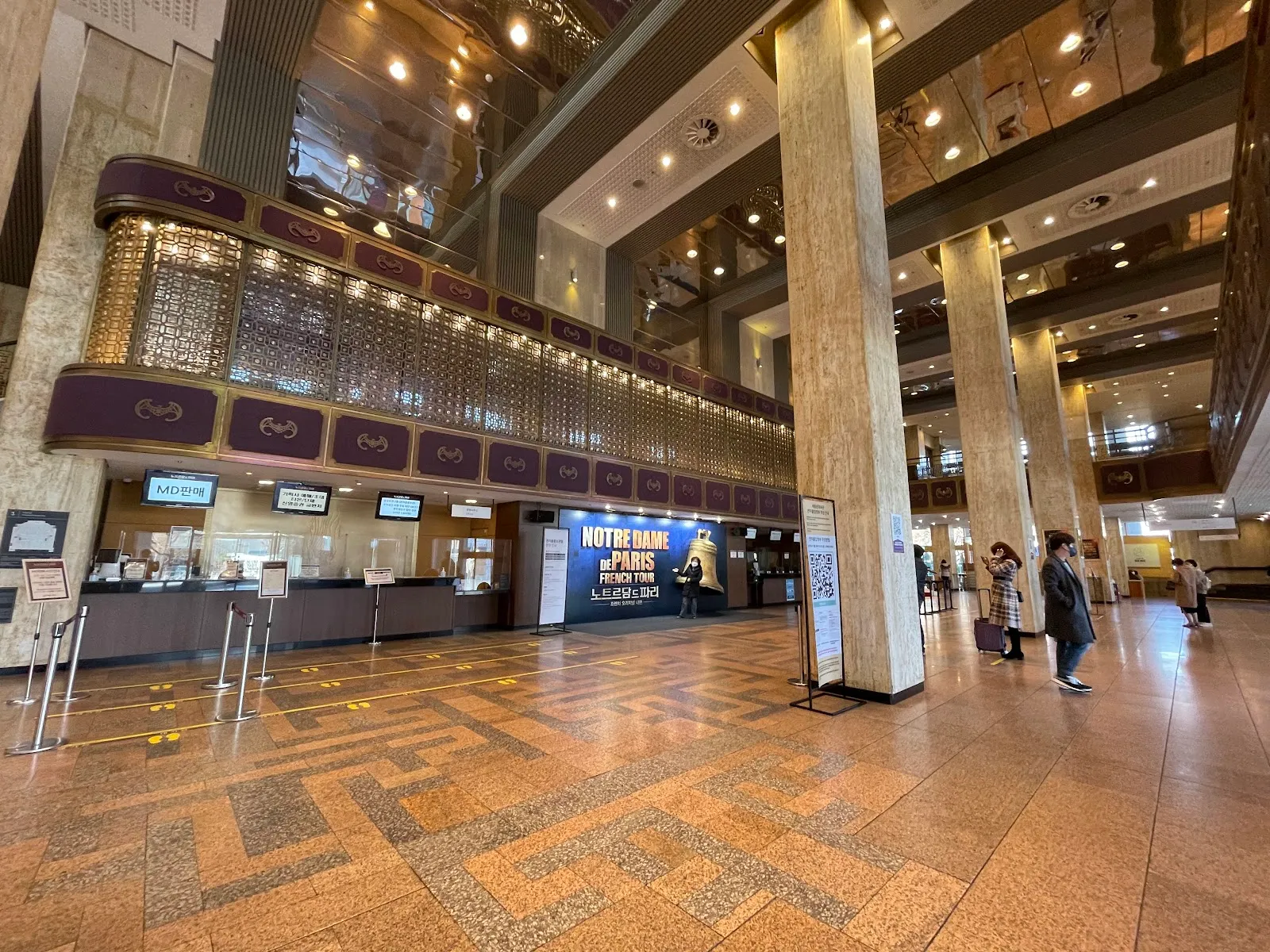
The complex contains several theatres, an art museum, a convention center, a conference hall and meeting rooms. The Grand Theater is its largest auditorium, with capacity reported at more than 3,000. The center’s scale makes it a setting for a wide range of events, from musical theatre to orchestral performances and exhibitions.
Architecture and history
The building brings together Korean and Western architectural influences. Its original structure dates to 1974, and the center opened in 1978. The venue was remodeled in the 2000s, though some facilities may feel dated compared with newer spaces.
When it opened, its pipe organ was described as the largest in Asia. The instrument reflected the importance attached to the center as a public cultural institution. Today, its significance also lies in its long role in Seoul’s performing arts scene.
Choosing a performance and planning your visit
Check the current program before you go: the center hosts different kinds of performances and exhibitions, and language support depends on the event. Some musicals use Korean-only subtitles, which can make a production harder to follow if you do not understand Korean. Look for subtitle details before buying a ticket.
Advance booking is recommended. For a better view, consider seats closer to the stage. If you arrive early, you can locate your theatre and use the unmanned lockers on the second floor. There is no traditional cloakroom. Water vending machines are available on each floor.
The venue is at 175 Sejong-daero, near Gwanghwamun Square. Seoul Subway Line 5 serves Gwanghwamun Station, a convenient option in an area where road traffic can be heavy. The square is nearby for a walk before or after the event.
FAQ
How do I get to Sejong Center?
Take Seoul Subway Line 5 to Gwanghwamun Station. The center is at 175 Sejong-daero, beside Gwanghwamun Square.
Should I book tickets in advance?
Yes. Advance booking is recommended, and seats closer to the stage can provide a better view.
Are performances subtitled in English?
Subtitle language depends on the event. Some productions use Korean-only subtitles, so check the performance details before booking.
Is there a cloakroom?
There is no traditional cloakroom. Unmanned lockers are available on the second floor.