At 198 Sejong-daero in Seoul’s Gwanghwamun area, the National Museum of Korean Contemporary History traces the country’s story from the late 19th century to the present. Its exhibitions are arranged across four halls by period, covering Korea’s turbulent earlier decades as well as post-war change, industrialisation and democratic development. Admission to the permanent exhibition is free. After exploring the galleries, head to the rooftop on the 8th floor for views of Gyeongbokgung Palace and the surrounding mountains.
Four halls tracing modern Korea
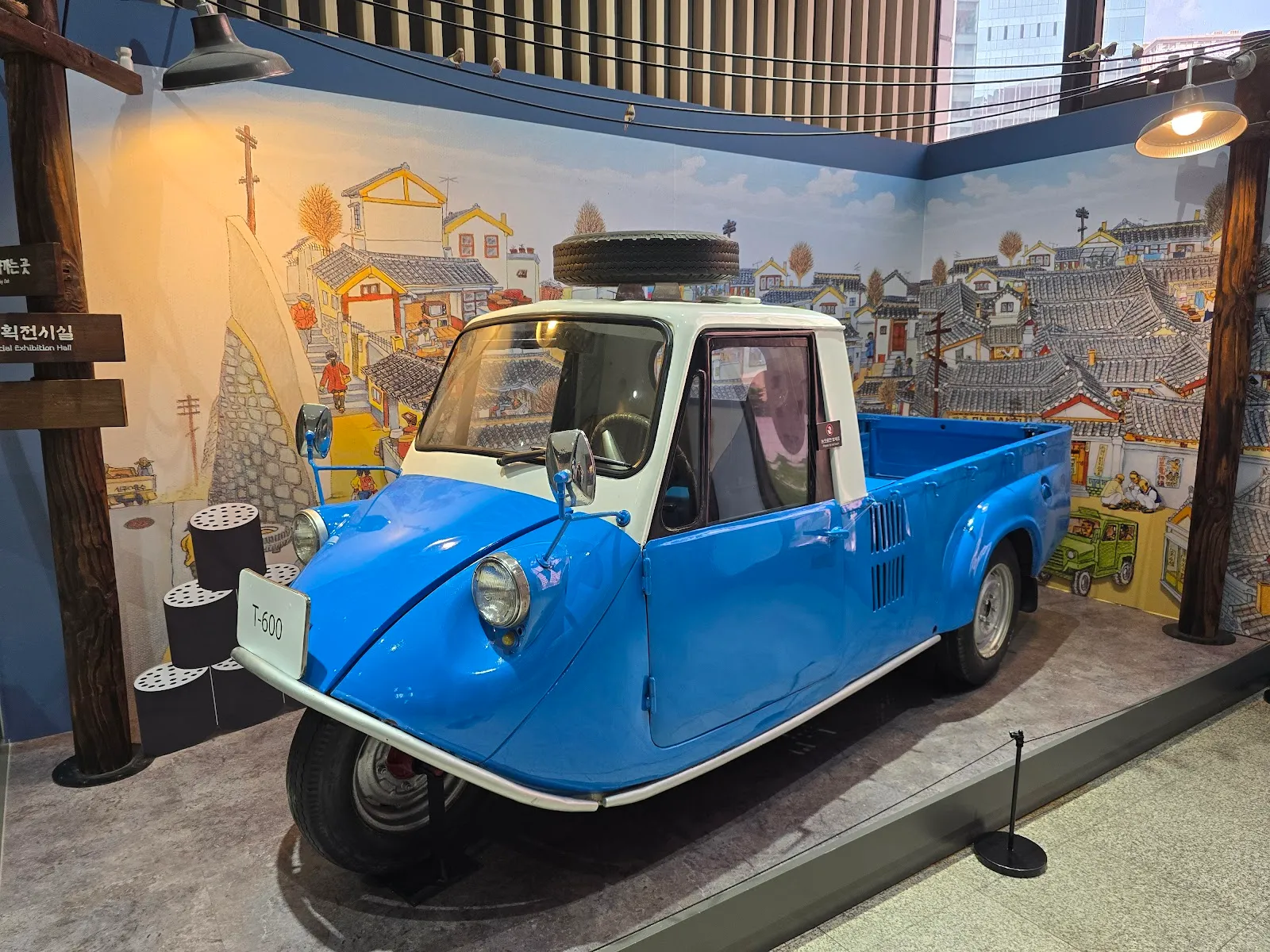
The museum covers Korea’s history from the late 19th century to the present. Its four exhibition halls focus on different periods, giving the visit a clear chronological structure. Displays span a turbulent era marked by conflict, occupation and division, then follow post-war development, industrialisation and democratic change.
Exhibits also explore the growth of transport, the automotive and electronics industries, and Korean culture. Interactive displays and objects from different periods add detail to the historical overview. English explanations appear in the general exhibitions, and audio guides are available in English, Korean, Japanese and Mandarin.
A rooftop view over Gwanghwamun
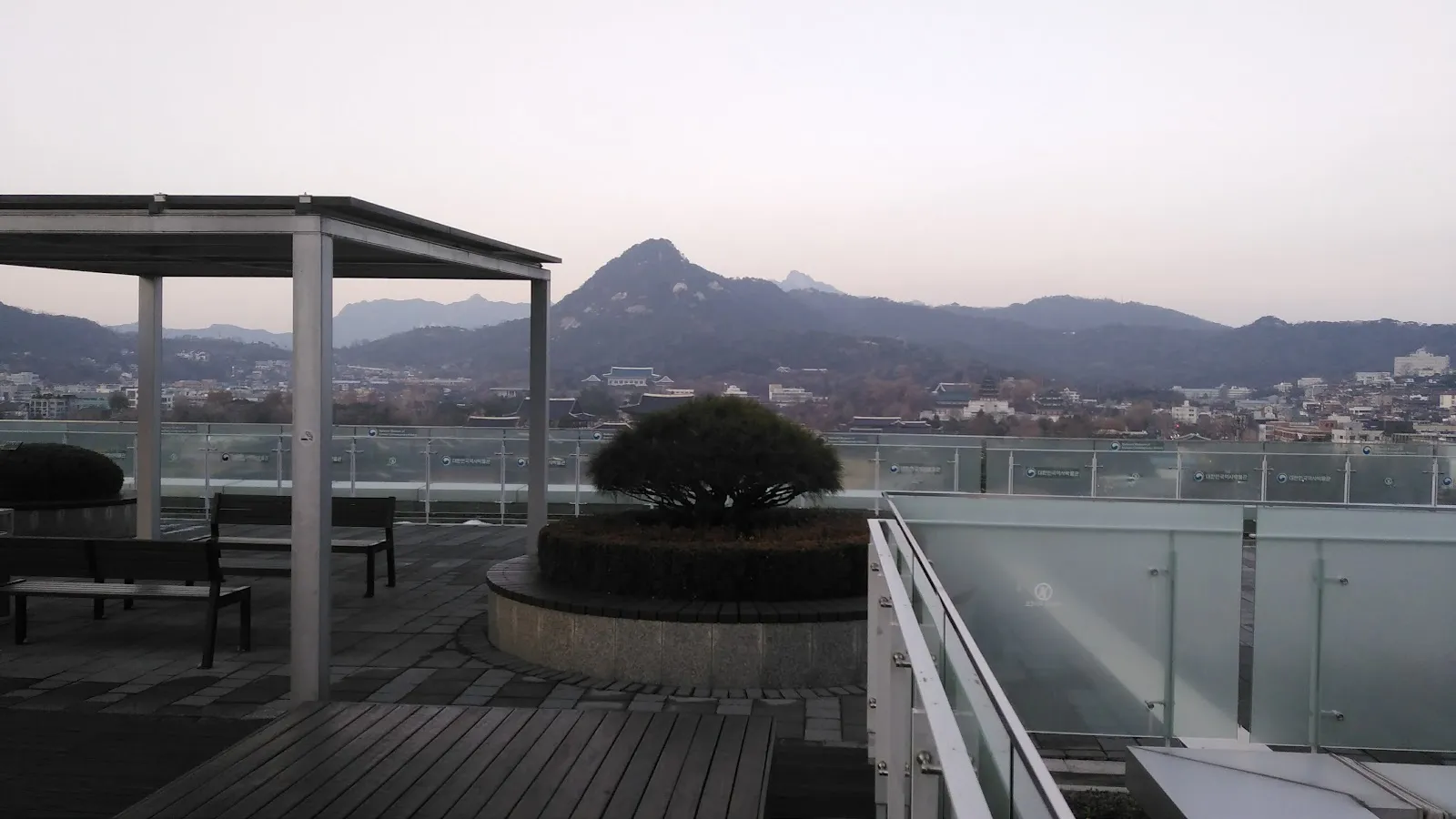
The rooftop observatory on the 8th floor looks toward Gyeongbokgung Palace and the Gwanghwamun area, with surrounding mountains in view. It makes a natural final stop after the galleries, and gives you a different perspective on the palace complex and central Seoul.
The museum stands at 198 Sejong-daero, near Gyeongbokgung Palace and Gwanghwamun Square. Its site previously housed the Ministry of Education headquarters. The museum also has a library, a cafe and a restaurant.
FAQ
Is admission to the museum free?
Admission to the permanent exhibition is free.
How far back does the museum’s history coverage go?
The exhibitions cover Korea’s history from the late 19th century to the present.
What can you see from the rooftop?
The 8th-floor rooftop has views of Gyeongbokgung Palace, the Gwanghwamun area and surrounding mountains.
Are audio guides available in English?
Yes. Audio guides are available in English, Korean, Japanese and Mandarin.