Gangwon-do
A mountain province on South Korea's East Sea coast, known for Seoraksan's granite peaks, autumn color and the pine-lined beaches of Gangneung.
We may earn a commission. It never decides our picks.
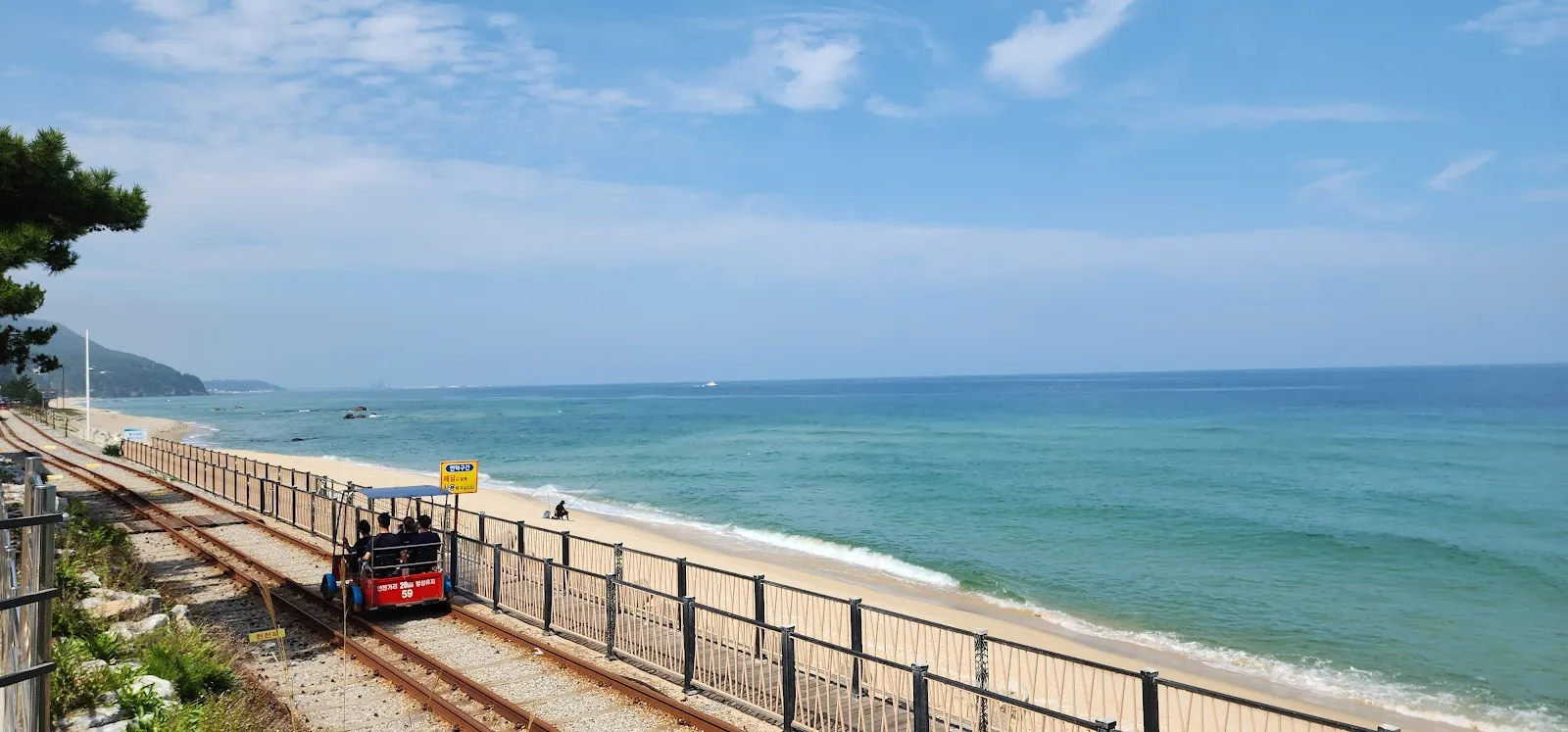
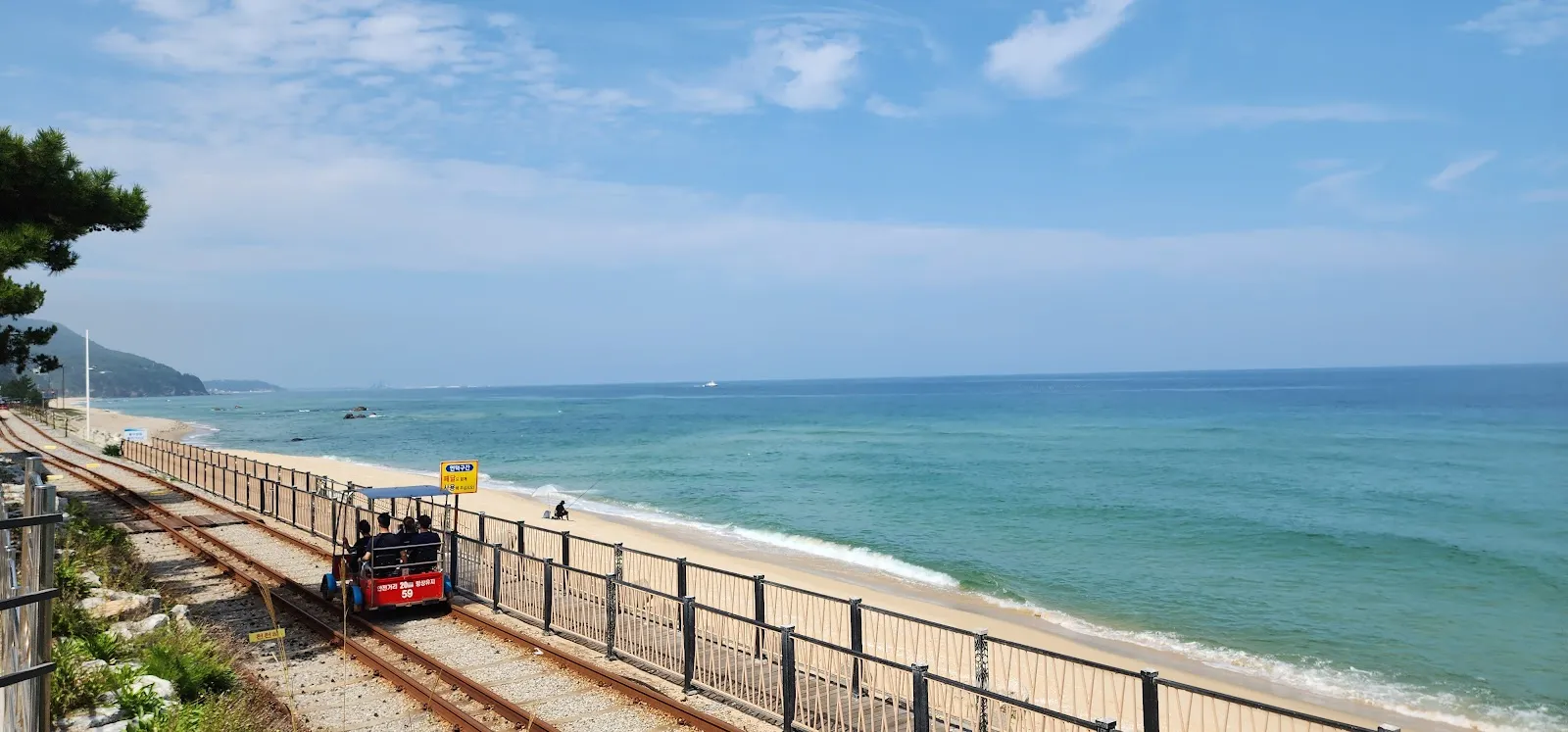
Gangwon-do is a province in northeastern South Korea on the East Sea coast. It is the largest province in the country and one of the least densely populated, and most of it is mountainous. The Taebaek Mountains run through the province and reach almost to the sea, so much of the east coast is steep and rocky. Seoraksan National Park is the main draw, known for granite peaks and autumn foliage. Gangneung has a row of beaches running north to south, backed by pine forests. Chuncheon is the provincial capital, and Wonju is the largest city.
The province divides into two regions along the mountains, and they have different climates. Yeongdong, on the coast, includes Gangneung and Sokcho. Yeongseo, to the west, includes Chuncheon and Wonju. Winters are cold and snowy, and summers are hot and humid. Autumn suits hikes in Seoraksan, and summer suits the beaches. The KTX train runs from Seoul to Gangneung. Three to five days allows one base in the mountains and one on the coast.
Gangwon-do in five
- Choose a base before you book transportSokcho and Seoraksan, Gangneung's beaches and Chuncheon's lakes are far enough apart that one hotel rarely covers all three. Pick two bases for a longer trip.Seoraksan travel guide
- Use express buses for the coast and mountainsKTO lists Gangneung, Donghae, Samcheok, Sokcho, Yangyang, Wonju and Chuncheon among Gangwon routes from Seoul Express Bus Terminal. Buy tickets at terminals or on integrated booking platforms.Transport planning
- Ride the ITX-Cheongchun to ChuncheonKTO lists an ITX-Cheongchun train from Yongsan Station to Chuncheon, the gateway to Nami Island. Nami's ferry from Gapyeongnaru Pier runs at 10 to 20 minute intervals after 09:00.
- Check DMZ access before you book a tourYanggu and Goseong have DMZ sites, but KTO said in July 2024 that some were closed, and civilian access can change with security conditions. Read the DMZ page first.The DMZ
- Expect typhoon and heavy rain in summerThe UK government says typhoon season normally runs June to November and that heavy rain in June and July can cause landslides in mountain areas. Keep refundable bookings.
Neighborhoods
Gangneung
- Price band: $$
Sokcho
- Price band: $$

Seoraksan National Park
- Price band: $$
Things to do in Gangwon-do
See all attractions in Gangwon-do


Need to know
- Getting there
- KTX Gangneung Line, ITX-Cheongchun to Chuncheon, express buses
- Getting around
- Intercity buses; a car helps for remote sights
- Best base
- Gangneung for the coast, Sokcho for Seoraksan, Chuncheon for Nami
- Nami Island
- 08:00 to 21:00; admission is listed on the KTO page
- Time needed
- 3 to 5 days for two bases
Weather by month
- Best
- Good
- Mixed
- JanuarySnow, cold
- FebruaryCold, clear
- MarchThaw
- AprilSpring blossoms
- MayWarm, green
- JuneRainy season
- JulyHot, humid
- AugustTyphoon risk
- SeptemberClear, cooler
- OctoberAutumn color
- NovemberCrisp
- DecemberSnow, cold
Right now in Gangwon-do
Local time, today's weather and the exchange rate, refreshed through the day.

2
- Feels like
- 0°
- Humidity
- 58%
- Wind
- 9 km/h
- Chance of rain
- 0%
Gangwon-do
05:41 AM
Tuesday, November 3
- Today7°-2°0%Tuesday: Partly cloudy. High 7°, Low -2°. Chance of rain 0%.
- Wed10°2°0%Wednesday: Cloudy. High 10°, Low 2°. Chance of rain 0%.
- Thu9°4°73%Thursday: Rain. High 9°, Low 4°. Chance of rain 73%.
- Fri5°-6°0%Friday: Fog. High 5°, Low -6°. Chance of rain 0%.
- Sat2°-7°0%Saturday: Partly cloudy. High 2°, Low -7°. Chance of rain 0%.
- Sun5°-5°4%Sunday: Cloudy. High 5°, Low -5°. Chance of rain 4%.
- Mon7°-2°3%Monday: Clear. High 7°, Low -2°. Chance of rain 3%.
Updated 02:44 AM local time · Powered by WeatherAPI.com · Weather data by Open-Meteo.com
Money
Mid-market rate1 USD = 1,333 KRW
Rates from Nov 2, 2026 · Rates By Exchange Rate API
Every year
- May–JunGangneung DanojeGangneung, a day trip
Day trips by train
- Seoraksan National Parkfrom Sokcho by local busThe province's best-known mountain park, with trails and a cable car.Read the guide
- Gangneungby KTX or express busBeaches, a coffee street and the rail line to the east coast.Read the guide
- DMZ sitesby organized tour; check accessObservatories and exhibition halls near the border in Yanggu and Goseong.Read the guide
Before you go to Gangwon-do
We may earn a commission. It never decides our picks.
Rules for Gangwon-do, checked
- Nami Island opens 08:00 to 21:00; ferries from Gapyeongnaru Pier run every 30 minutes from 08:00 to 09:00 and every 10 to 20 minutes from 09:00 to 18:00.Checked Oct 4, 2026 · Source
- Gangneung Line: KTX runs 237.7 km from Cheongnyangni Station in Seoul to Gangneung via Yangpyeong, Seowonju and Pyeongchang.Checked Oct 4, 2026 · Source

Plan around Gangwon-do
Cities, KTX routes and entry rules
Read the guideSeoraksan travel guideTrails, cable car and closures
Read the guideGangneung travel guideBeaches and the coffee street
Read the guideThe DMZOfficial access rules and tour options
Read the guideSeoul travel guideThe usual gateway to Gangwon
Read the guideTrains and transportKTX, ITX and express buses
Read the guideGangwon-do FAQ
What is Gangwon-do best known for?
Seoraksan National Park, the east coast beaches around Gangneung, Nami Island in Chuncheon and DMZ sites near the border. Choose mountains, coast or lake as the theme and base accordingly.
How do you get around Gangwon-do without a car?
Use KTX or express buses between the main towns and local buses for the last leg, such as bus 7 or 7-1 from Sokcho to Seoraksan. Remote sights are easier with a car or a tour.
Is Nami Island worth visiting?
It suits an easy day trip from Seoul by ITX-Cheongchun and a ferry, with a promenade, cafés and cycling. The KTO lists regular admission, so check the current fare. Skip it on peak weekends if you dislike crowds.
How many days do you need in Gangwon-do?
Three days cover Seoraksan and Gangneung, and five let you add Chuncheon or a DMZ tour. Split the stay between two bases rather than commuting from one.
When is the best time to visit Gangwon-do?
Late spring and early autumn for open trails, with foliage in autumn and snow scenery in winter. Summer brings the rainy season and typhoon risk, and Seoraksan's upper trails close in spring and late autumn.