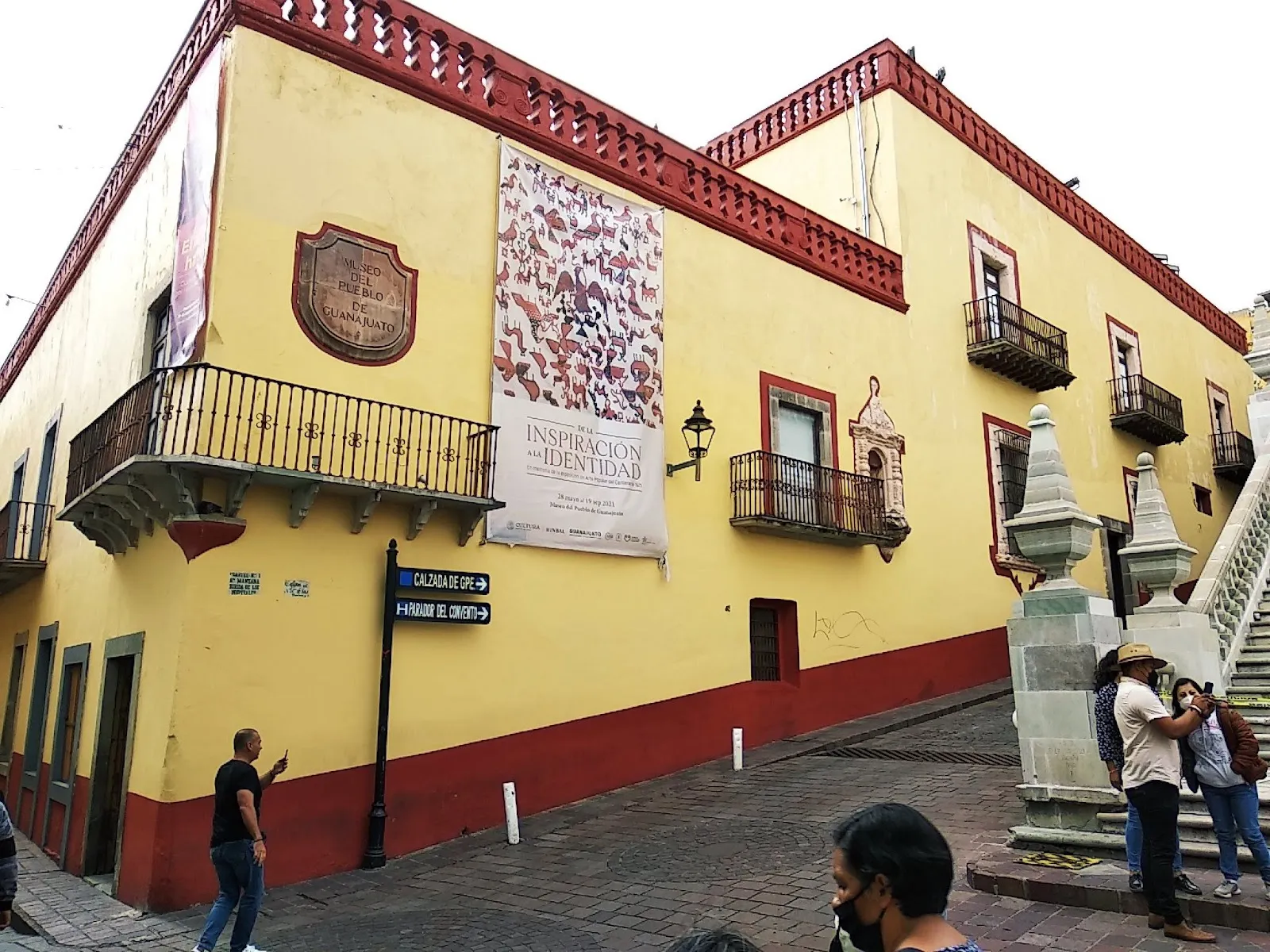
The Museum of the Mummies sits beside the municipal cemetery on the edge of Guanajuato, a short ride from the center. It displays dozens of naturally mummified bodies, many with faces and skin still intact. They were exhumed when families could no longer pay the cemetery's fees, and the dry climate and mineral-rich soil had preserved them. The collection includes people of all ages, among them a six-month-old baby. The visit is short and can be heavy, so go with a calm, respectful mind. Written panels give the stories behind some of the mummies in Spanish and English.
Why the bodies were exhumed
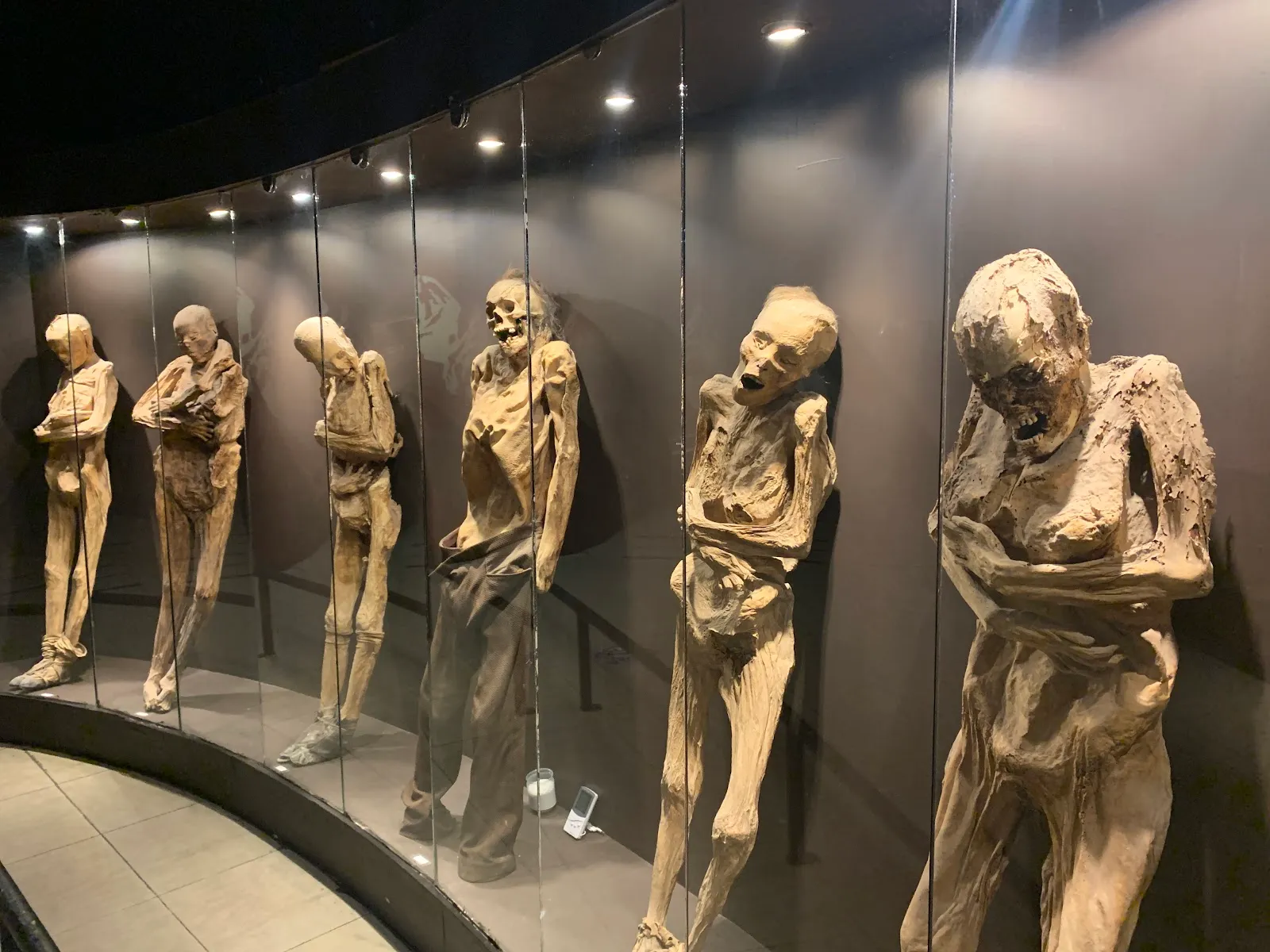
The mummies come from the municipal cemetery of Guanajuato, which was overcrowded. Graves were held under a paid arrangement, and when relatives did not keep up the payments, the remains were exhumed to make room. Instead of skeletons, the workers found bodies that had kept their skin and features.
The dry climate and the mineral-rich soil are the usual explanations. The mummification was natural, so there was no embalming and no ritual, which sets these bodies apart from the deliberate mummies of ancient Egypt. Many of the dead are linked to a cholera outbreak in the 19th century.
The museum began almost by accident. Cemetery staff started charging curious visitors a small fee to see the bodies, word spread, and the display grew into one of the city's best-known sights. Mexicans often associate Guanajuato with it, and the country's long familiarity with death, seen in the Day of the Dead on 2 November, is part of the context.
What you see inside
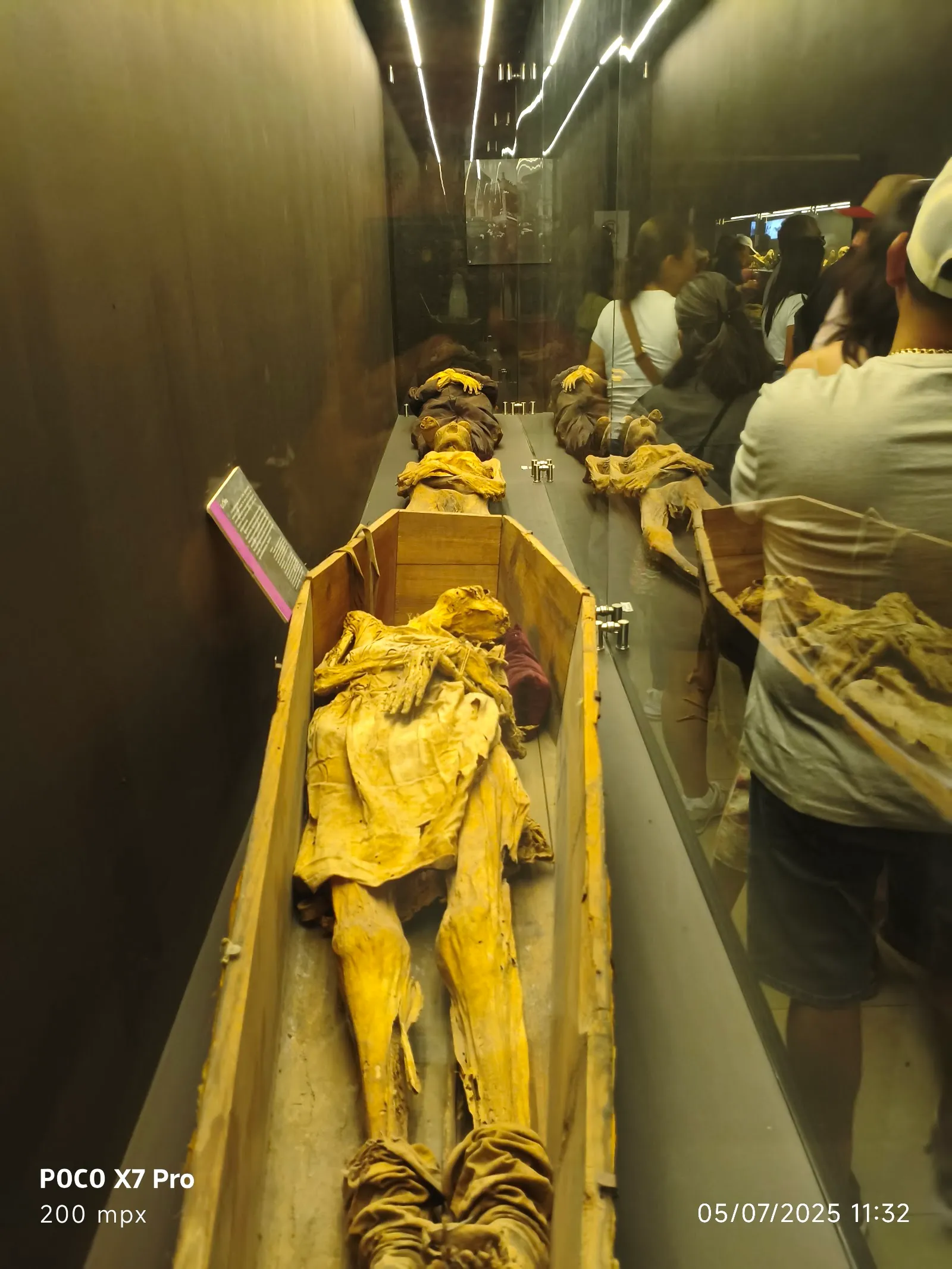
The bodies on display include men, women and children, as well as fetuses and pregnant women. Many show facial expressions, which is what makes the rooms affecting. The collection numbers dozens of mummies.
Two stories are told more often than the rest. The first mummy ever found was a priest, which is why he is well known locally. The most moving is the mummy of a six-month-old baby.
Panels tell the stories of some of the mummies in Spanish and English, but not all of them. If you want to understand the history of the exhumations and the burial fees, do some background reading first, because the explanations inside are brief.
Some areas of the museum are only open with the full ticket, so ask what your ticket includes before you go in.
Getting there and planning the visit
The museum is on the Explanada del Panteón Municipal, on the northwest edge of Guanajuato and up a hill from the center. A short walk from the center is possible but uphill. A local bus marked "Momias" leaves from the Plaza de la Paz, and you can ask the driver to tell you when to get off. A taxi works too. Both cost only a few US dollars.
Outside the entrance, vendors sell souvenirs in the parking area, and prices at the shop and the stalls differ, so compare before you buy. The museum has a wheelchair accessible entrance, restroom and parking lot, and buying tickets in advance is recommended.
Group tours are led by a guide, and the rooms are small, so a busy day makes it hard to hear. Arriving early gives you more space and time to read each panel.
Who it suits
This is a place to approach quietly. The people on display were real residents of the city, and some visitors find the experience moving as much as eerie. If you are not comfortable seeing human remains, you may prefer to skip it.
Parents should decide for themselves. The museum is open to families, but the display includes babies and faces with strong expressions.
FAQ
Is there an entry fee at the Museum of the Mummies?
Yes, there is an admission fee. A basic ticket does not cover every area, so ask for the full ticket if you want to see the whole museum.
How long does a visit take?
Plan 30 to 60 minutes. The museum is small and the visit can take under half an hour, but queues and guided groups can add time on busy days.
How do I get to the museum from the center of Guanajuato?
Take the local bus marked "Momias" from the Plaza de la Paz, or a taxi. The museum is on the northwest edge of the city, up a hill, and both options cost only a few US dollars.
Are the explanations available in English?
The written stories are in Spanish and English, though only some of the mummies have one. Guided tours are in Spanish, so reading about the history beforehand helps.
Is the museum suitable for children?
It is open to families, but it displays human remains, including babies and fetuses. Parents should decide based on how their child reacts to such things.
When is the best time to avoid crowds?
Early morning, and Monday, which is usually the quietest day. Sundays bring long lines and crowded rooms.