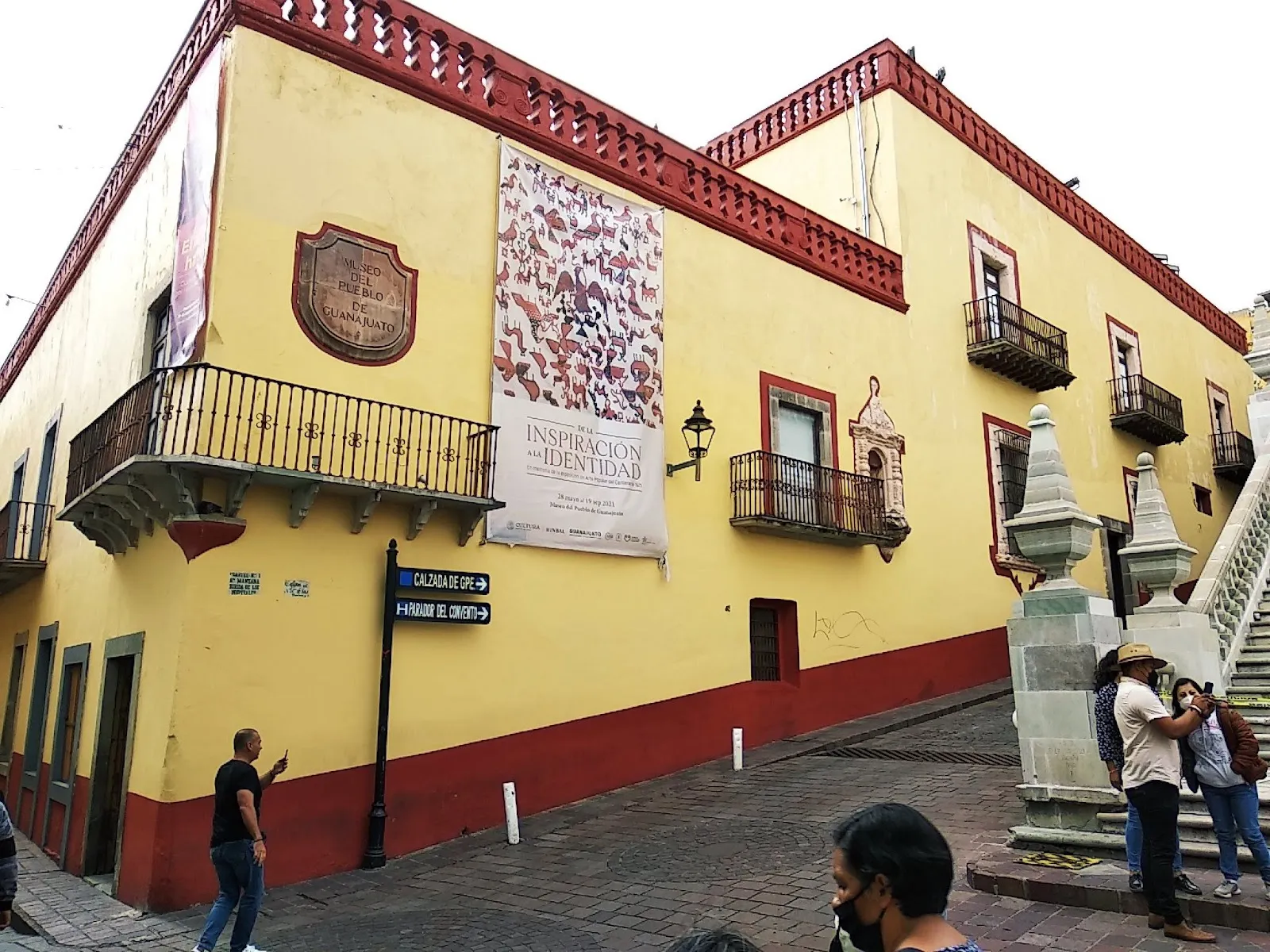
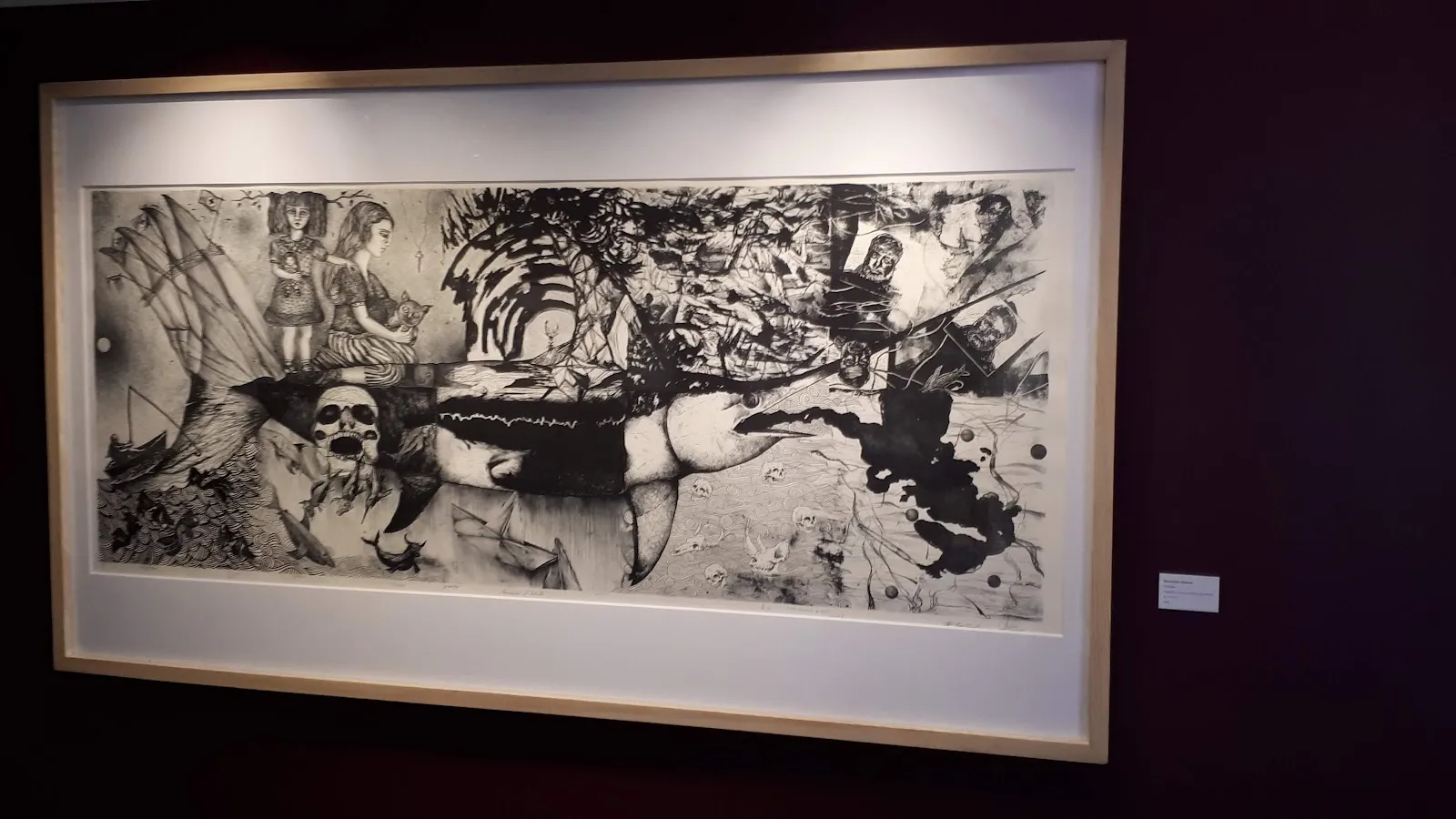
The Alhóndiga de Granaditas Regional Museum stands on Calle Mendizábal in central Guanajuato. It is a stone granary finished in 1809 that became a fortress in the first major clash of the 1810 War of Independence. Today the rooms around its central courtyard trace the history of Guanajuato and Mexico from the pre-Hispanic era to the Revolution. You will find murals by José Chávez Morado, colonial pottery, Mesoamerican pieces and rotating temporary exhibitions. Most labels are in Spanish, so bring a translation app and allow a couple of hours.
From grain store to fortress
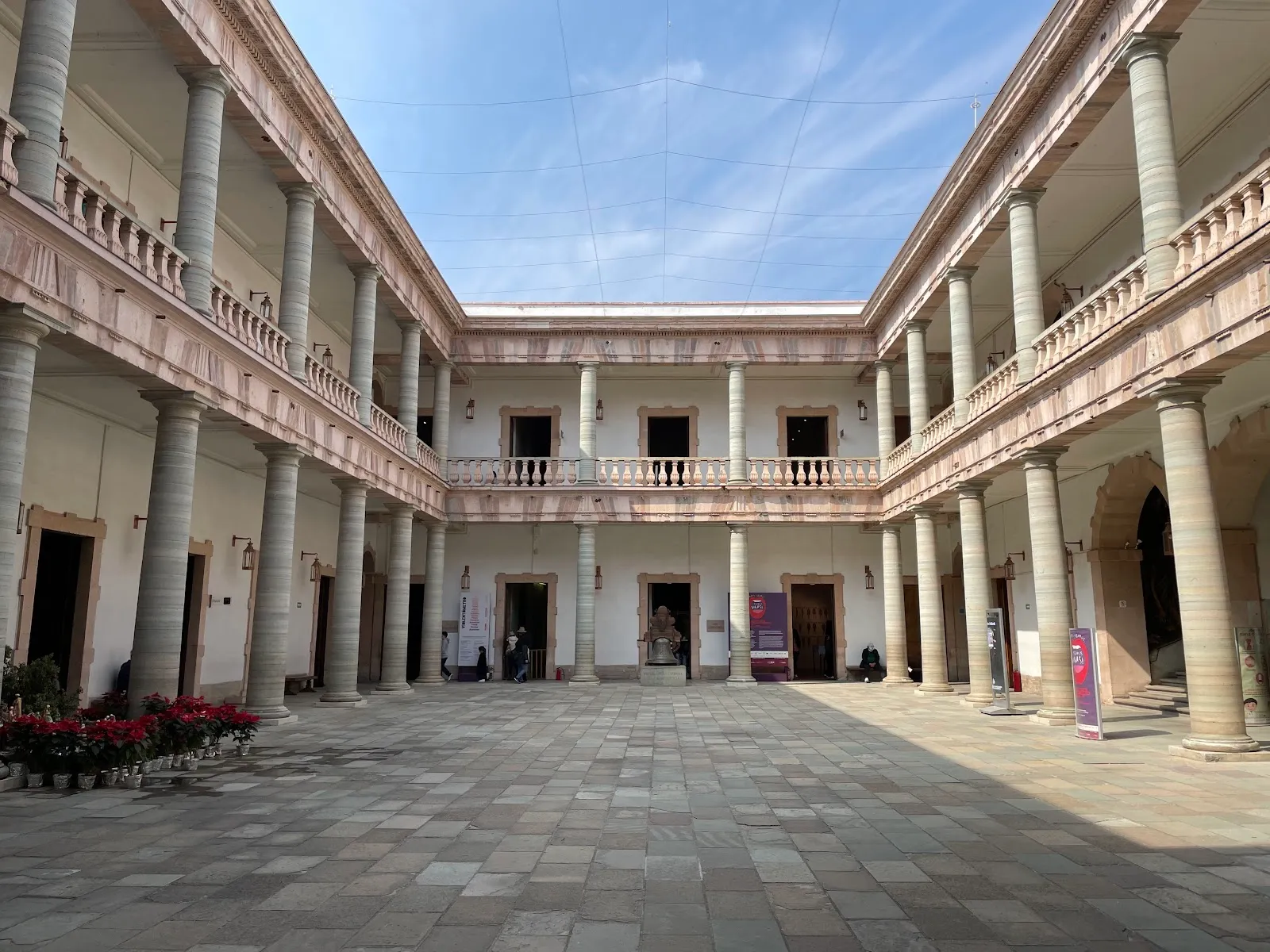
The word alhóndiga comes from Arabic and means a place to store grain. The Spanish crown built this one as a public granary after the famine of 1786. The original design dates from 1796, work began in 1798, and the building was completed in 1809. Its thick stone walls and square plan give it the look of a castle, and its Neoclassical lines are softened by arches and a central patio of the kind seen in Andalusia.
It served as a granary for only a short time. Over the following years it was also used as a marketplace, an armory, a military barracks, a hospital, a tobacco factory, a school and a prison, before it became a museum.
The events of 28 September 1810
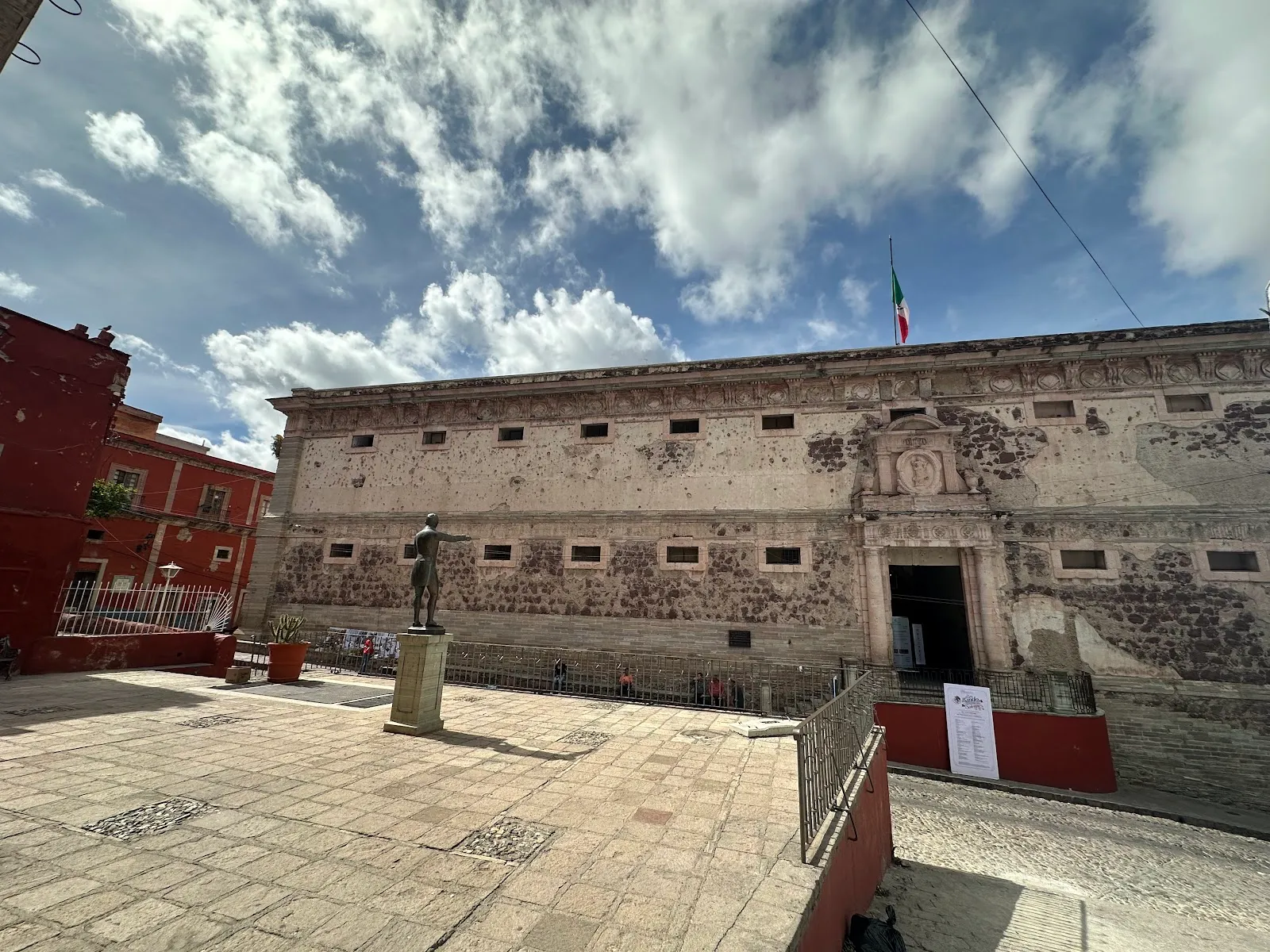
The building is closely tied to the start of the War of Independence. After Miguel Hidalgo's call to arms in nearby Dolores, Spanish troops and loyalists barricaded themselves inside the Alhóndiga, along with a store of silver. Insurgent forces surrounded it and took the building on 28 September 1810, in the first major victory of the movement.
Tradition links the assault to a miner known as El Pípila, said to be Juan José de los Reyes Martínez. He is remembered for carrying a large stone on his back to shield himself while he set the main door on fire. Historians note that there is little firm evidence for the story, so it is often told as a legend. The building also holds a darker memory. After Hidalgo and his companions were executed, their heads were displayed on the walls. Many visitors find the place a sober one.
What is inside
Rooms on two levels open onto the central courtyard. The permanent displays follow Guanajuato and Mexico from the pre-Hispanic era through the colonial period and the independence struggle to the Revolution. The collection includes Mesoamerican art, colonial pottery, and bronze busts of the heroes of independence. There are also paintings by Hermenegildo Bustos and murals by José Chávez Morado.
Temporary exhibitions change, so the rooms you see may differ from one visit to the next. One has been the Alebrije room, filled with figures made by people who attend a workshop on site. Another showed Zapotec culture. The museum also has a bookstore with titles on history, art and science.
The Alhóndiga is still in use for civic life. It hosts concerts during the Festival Internacional Cervantino and is a venue for the Independence celebrations.
Planning the visit
The museum is on Calle Mendizábal, a steep street that climbs from Avenida Juárez opposite Mercado Hidalgo, so the two combine easily. The exhibits are detailed and mostly text, with Spanish labels, so reading takes time. Two to three hours is a realistic visit if you want to read the boards. A guide or a translation app makes the history much easier to follow, and tickets are best bought in advance.
FAQ
Is there an entry fee at the Alhóndiga de Granaditas?
Yes, there is an admission fee. Students with a valid ID enter free. Photography inside costs extra, even with a phone. Check the current price at the ticket desk.
How long do you need at the museum?
Plan on 2 to 3 hours if you want to read the exhibits. A shorter walk through the courtyard and main rooms takes less time.
Are the exhibits in English?
Most labels and texts are in Spanish only. A translation app on your phone helps a lot.
Are there guided tours inside?
There are no official guides in the museum. Staff can give some information, but a guide you arrange yourself gives much more context.
Which day is the museum closed?
It is closed on Mondays. It is open the other days of the week, with shorter hours on Sunday.