Planifier un voyage
Langue: Français
Planificateur de voyagePlanifiez votre voyage sur une carte

Destinations incontournables

EnglishDeutschFrançaisEspañolPortuguêsPortuguês (BR)Italiano
Avis aux voyageurs · MexiqueCertains gouvernements déconseillent de se rendre dans certaines régions de Mexique.Les avertissements ne concernent que ces zones : État de Colima, Culiacán et environs, État de Guerrero, État de Sinaloa, Acapulco, État du Chiapas, État de Chihuahua, Route fédérale 199, Chiapas, Guanajuato au sud de la route 45D, Zone frontalière avec le Guatemala, Parc national Lagunas de Zempoala, État du Michoacán, Route Monterrey–Nuevo Laredo, Bande de Nayarit à moins de 20 km des frontières avec Sinaloa et Durango, Nuevo León (sauf Monterrey), Piedras Negras, État de Sonora, État de Tamaulipas, Tecate, Tijuana, Région frontalière avec les États-Unis, État de Zacatecas.Les conseils dépendent de votre passeport. Consultez ceux de votre propre gouvernement avant de réserver.Conseils officiels
Zones signalées
  • État de Colima · éviter tout voyage · Canada, Allemagne, France, Royaume-Uni
  • Culiacán et environs · éviter tout voyage · Espagne, France
  • État de Guerrero · éviter tout voyage · Canada, Allemagne, France, Nouvelle-Zélande, Royaume-Uni
  • État de Sinaloa · éviter tout voyage · Canada, Allemagne, Espagne, France, Nouvelle-Zélande, Royaume-Uni
  • Acapulco · éviter les voyages non essentiels · Espagne, France
  • État du Chiapas · éviter les voyages non essentiels · Canada, France
  • État de Chihuahua · éviter les voyages non essentiels · Canada, France, Royaume-Uni
  • Route fédérale 199, Chiapas · éviter les voyages non essentiels · France, Royaume-Uni
  • Guanajuato au sud de la route 45D · éviter les voyages non essentiels · Canada, Nouvelle-Zélande, Royaume-Uni
  • Zone frontalière avec le Guatemala · éviter les voyages non essentiels · Allemagne, France, Nouvelle-Zélande
  • Parc national Lagunas de Zempoala · éviter les voyages non essentiels · Canada, Nouvelle-Zélande
  • État du Michoacán · éviter les voyages non essentiels · Canada, Allemagne, Nouvelle-Zélande, Royaume-Uni
  • Route Monterrey–Nuevo Laredo · éviter les voyages non essentiels · Espagne, France
  • Bande de Nayarit à moins de 20 km des frontières avec Sinaloa et Durango · éviter les voyages non essentiels · Canada, Nouvelle-Zélande
  • Nuevo León (sauf Monterrey) · éviter les voyages non essentiels · Canada, Nouvelle-Zélande
  • Piedras Negras · éviter les voyages non essentiels · Espagne, France
  • État de Sonora · éviter les voyages non essentiels · Canada, Nouvelle-Zélande
  • État de Tamaulipas · éviter les voyages non essentiels · Canada, France, Royaume-Uni
  • Tecate · éviter les voyages non essentiels · France, Royaume-Uni
  • Tijuana · éviter les voyages non essentiels · France, Royaume-Uni
  • Région frontalière avec les États-Unis · éviter les voyages non essentiels · Allemagne, France
  • État de Zacatecas · éviter les voyages non essentiels · Canada, Allemagne, Espagne, France, Royaume-Uni

Également signalé par un seul gouvernement : Nord du Tamaulipas, au nord de Ciudad Victoria (Allemagne), Route 129, Martínez de la Torre–Teziutlán (France), Route 131, Tlapacoyan–Perote (France), Route 40, Monterrey–Reynosa (France), Routes secondaires, route 180, Martínez de la Torre–Papantla (France), Sud du Michoacán, d'Uruapan à la côte (France), Sud du Michoacán, au sud de Morelia, y compris la Tierra Caliente (Espagne), Triangle Celaya, Irapuato, Salamanca (Guanajuato) (France), Basse-Californie (sauf Tijuana et Tecate) (France), Bande du Chiapas à moins de 40 km de la frontière guatémaltèque (Royaume-Uni), Zones touristiques du Chiapas (Espagne), Ciudad Acuña (Espagne), Ciudad Juárez et environs (Espagne), Ciudad Obregón (France), État de Coahuila (sauf la partie sud) (Nouvelle-Zélande), Coatzacoalcos (France), Quartiers au nord et au nord-est du Zócalo, Mexico (France), État de Durango (France), Nuevo León oriental (France), Ecatepec (Espagne), Sud de l'État de Guanajuato (France), Municipalités du nord de Jalisco (Royaume-Uni), Sud et sud-ouest du lac Chapala (Jalisco) (Royaume-Uni), Sud-ouest de Jalisco et Los Altos (sauf Puerto Vallarta) (France), Bande de Jalisco à moins de 50 km de la frontière du Michoacán (Canada), Monclova (Espagne), État de Morelos (France), Naucalpan (Espagne), État de Nayarit (France), Nezahualcóyotl (Espagne), Nogales (France), Nord du Tamaulipas, de San Fernando à la frontière américaine (Espagne), Nord de Veracruz à partir de Martínez de la Torre (France), Route 150D, Puebla–Orizaba (France), Route 190, Oaxaca–Santo Domingo Tehuantepec (France), Route 95, Mexico–Cuernavaca (France), Routes 85 et 83, Monterrey–Ciudad Victoria–Tampico (France), Forêt lacandone (France), Sud-Ouest du Michoacán (France), Sud-Ouest du Tamaulipas (France), Tepic (Nouvelle-Zélande), Toluca (France), Veracruz (France)

GouvernementConseilsMis à jourLire les conseils
Royaume-Uni (FCDO)No advice against the whole country (regional advisories)–Lire les conseils
États-Unis (State Dept)Exercise increased caution29 mai 2026Lire les conseils
Canada (Affaires mondiales)Exercise a high degree of caution (regional advisories)–Lire les conseils
Allemagne (Auswärtiges Amt)Besondere Vorsicht walten lassen (Sicherheitslage) (regional advisories)19 oct. 2026Lire les conseils
Nouvelle-Zélande (SafeTravel)Exercise increased caution (regional advisories)–Lire les conseils
France (ministère de l'Europe et des Affaires étrangères)Vigilance renforcée pour le reste du pays (regional advisories)–Lire les conseils

Vérifié quotidiennement d'après les conseils publiés par les gouvernements ; dernière vérification le 3 nov. 2026.RoamLedger résume les conseils officiels ; il ne s'agit pas de conseils émanant d'un gouvernement.

Museo Regional de Guanajuato Alhóndiga de Granaditas
Musée

Alhóndiga de Granaditas Regional Museum

The Alhóndiga de Granaditas Regional Museum stands on Calle Mendizábal in central Guanajuato.

The Alhóndiga de Granaditas Regional Museum stands on Calle Mendizábal in central Guanajuato. It is a stone granary finished in 1809 that became a fortress in the first major clash of the 1810 War of Independence. Today the rooms around its central courtyard trace the history of Guanajuato and Mexico from the pre-Hispanic era to the Revolution. You will find murals by José Chávez Morado, colonial pottery, Mesoamerican pieces and rotating temporary exhibitions. Most labels are in Spanish, so bring a translation app and allow a couple of hours.

From grain store to fortress
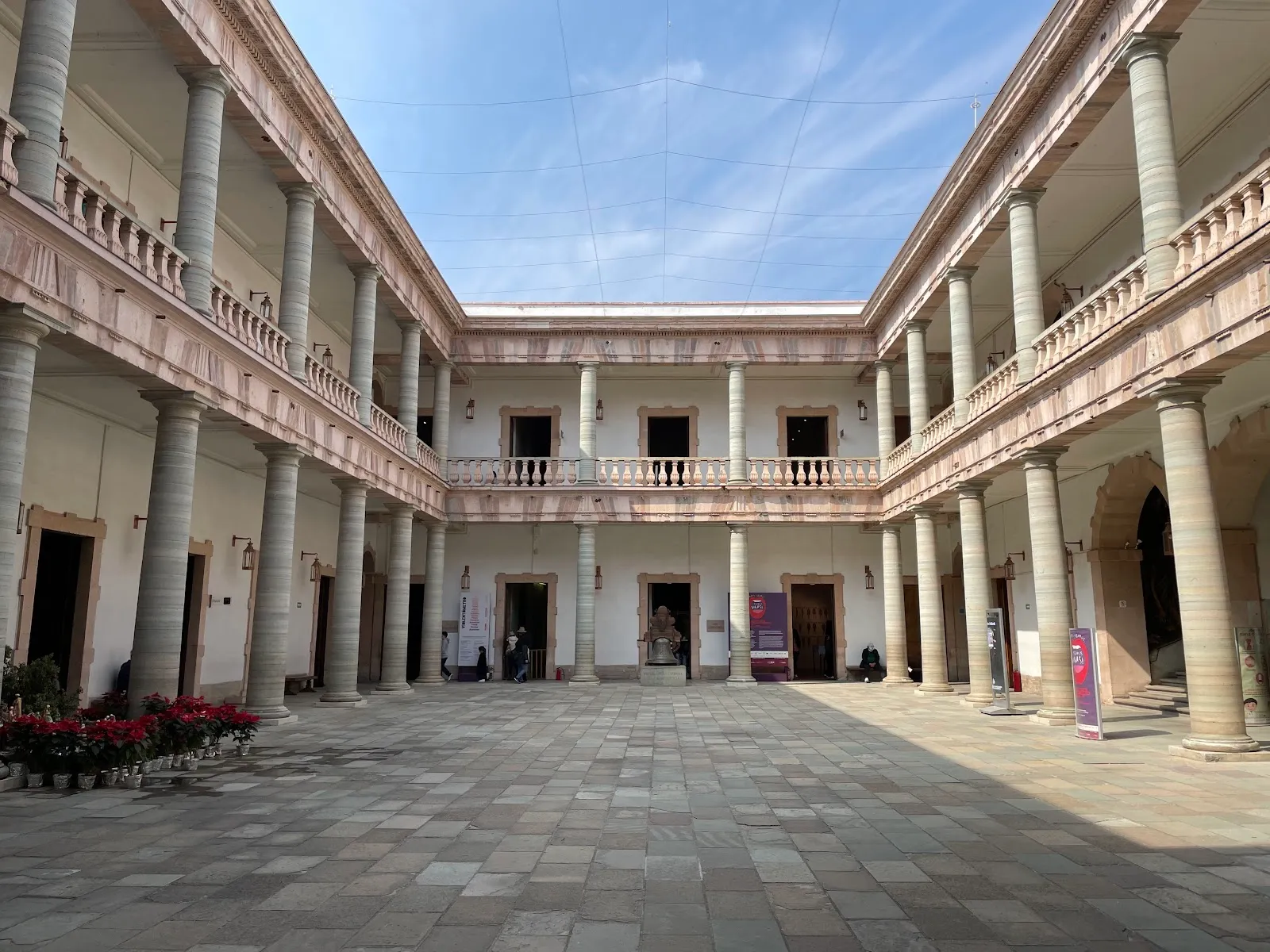
Alhóndiga de Granaditas Regional Museum

The word alhóndiga comes from Arabic and means a place to store grain. The Spanish crown built this one as a public granary after the famine of 1786. The original design dates from 1796, work began in 1798, and the building was completed in 1809. Its thick stone walls and square plan give it the look of a castle, and its Neoclassical lines are softened by arches and a central patio of the kind seen in Andalusia.

It served as a granary for only a short time. Over the following years it was also used as a marketplace, an armory, a military barracks, a hospital, a tobacco factory, a school and a prison, before it became a museum.

The events of 28 September 1810
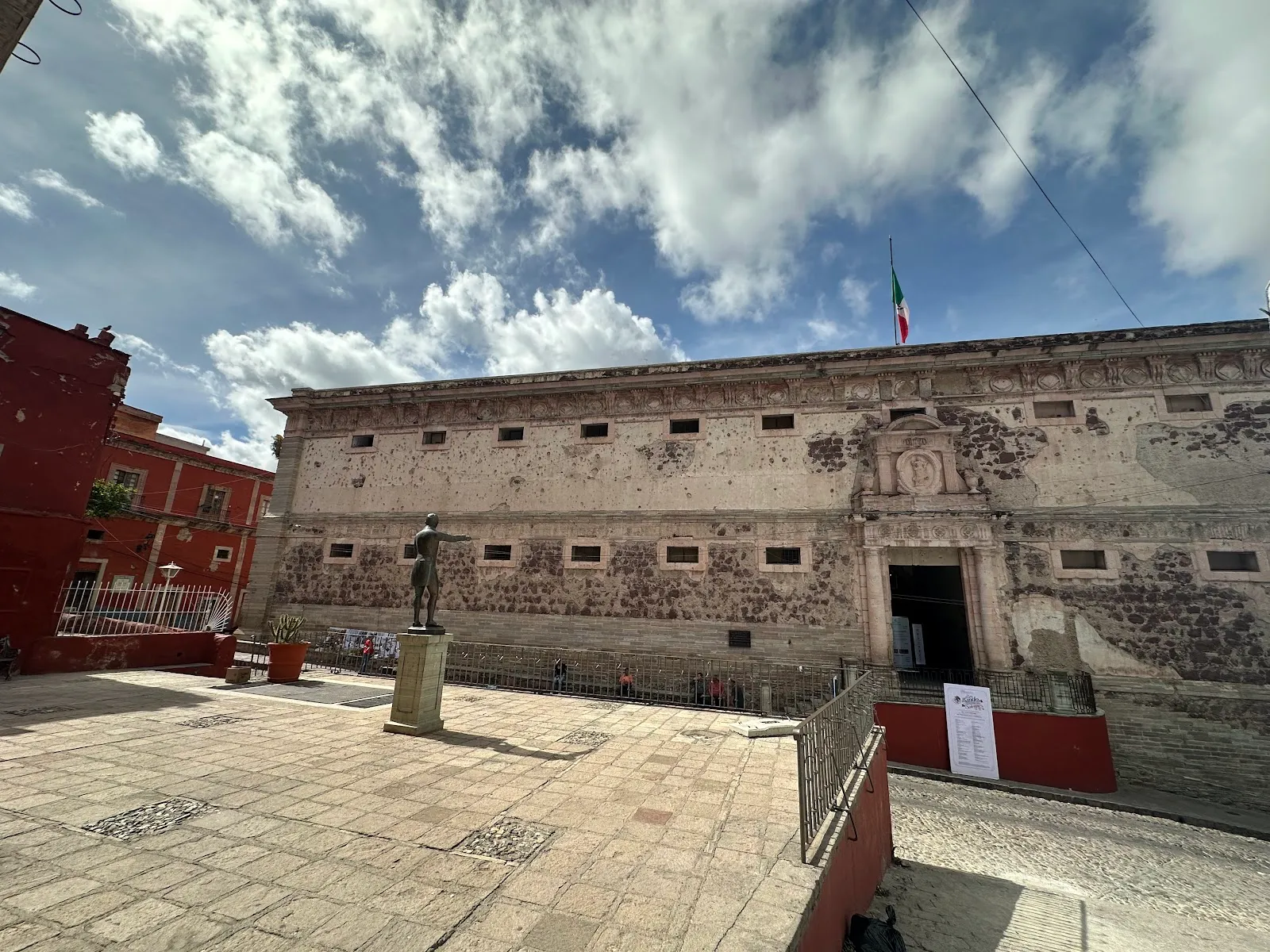
Alhóndiga de Granaditas Regional Museum

The building is closely tied to the start of the War of Independence. After Miguel Hidalgo's call to arms in nearby Dolores, Spanish troops and loyalists barricaded themselves inside the Alhóndiga, along with a store of silver. Insurgent forces surrounded it and took the building on 28 September 1810, in the first major victory of the movement.

Tradition links the assault to a miner known as El Pípila, said to be Juan José de los Reyes Martínez. He is remembered for carrying a large stone on his back to shield himself while he set the main door on fire. Historians note that there is little firm evidence for the story, so it is often told as a legend. The building also holds a darker memory. After Hidalgo and his companions were executed, their heads were displayed on the walls. Many visitors find the place a sober one.

What is inside

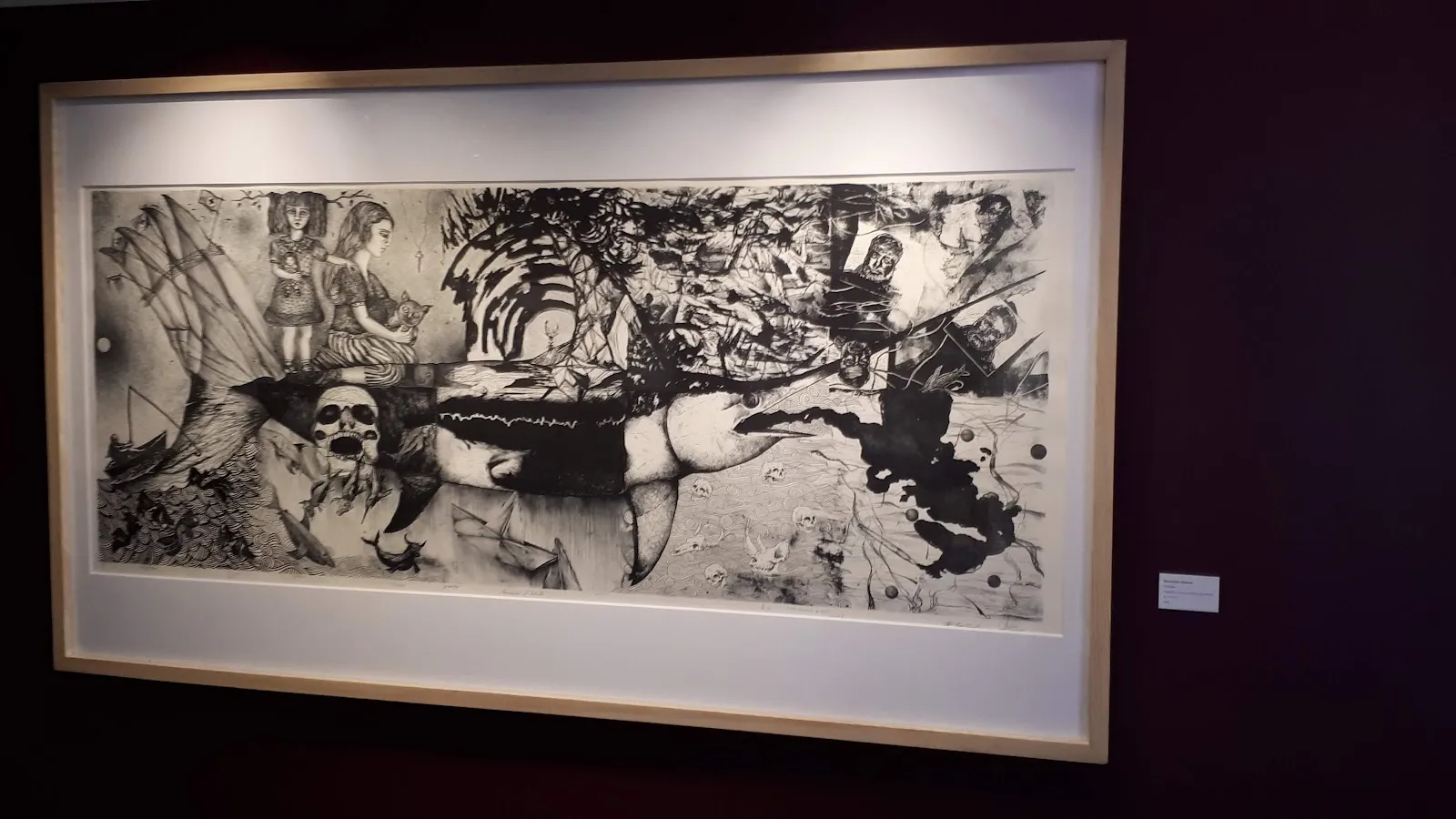
Rooms on two levels open onto the central courtyard. The permanent displays follow Guanajuato and Mexico from the pre-Hispanic era through the colonial period and the independence struggle to the Revolution. The collection includes Mesoamerican art, colonial pottery, and bronze busts of the heroes of independence. There are also paintings by Hermenegildo Bustos and murals by José Chávez Morado.

Temporary exhibitions change, so the rooms you see may differ from one visit to the next. One has been the Alebrije room, filled with figures made by people who attend a workshop on site. Another showed Zapotec culture. The museum also has a bookstore with titles on history, art and science.

The Alhóndiga is still in use for civic life. It hosts concerts during the Festival Internacional Cervantino and is a venue for the Independence celebrations.

Planning the visit

The museum is on Calle Mendizábal, a steep street that climbs from Avenida Juárez opposite Mercado Hidalgo, so the two combine easily. The exhibits are detailed and mostly text, with Spanish labels, so reading takes time. Two to three hours is a realistic visit if you want to read the boards. A guide or a translation app makes the history much easier to follow, and tickets are best bought in advance.

FAQ

Is there an entry fee at the Alhóndiga de Granaditas?

Yes, there is an admission fee. Students with a valid ID enter free. Photography inside costs extra, even with a phone. Check the current price at the ticket desk.

How long do you need at the museum?

Plan on 2 to 3 hours if you want to read the exhibits. A shorter walk through the courtyard and main rooms takes less time.

Are the exhibits in English?

Most labels and texts are in Spanish only. A translation app on your phone helps a lot.

Are there guided tours inside?

There are no official guides in the museum. Staff can give some information, but a guide you arrange yourself gives much more context.

Which day is the museum closed?

It is closed on Mondays. It is open the other days of the week, with shorter hours on Sunday.

Autres incontournables à Guanajuato

Tout explorer