Shree Jagannatha Temple in Puri, Odisha, is dedicated to Lord Jagannath, a form of Vishnu, and to his brother Balabhadra and sister Subhadra, who sit with him in the main sanctum. It is one of the four Char Dham pilgrimage sites of Hindu tradition, and devotees come here from across India and abroad. The temple is known for its Kalinga-style spire and carved stonework, for the daily flag-changing ritual high above the complex, and for Mahaprasad, the blessed food shared inside. Allow a few hours, since darshan involves queuing.
The deities and the Char Dham
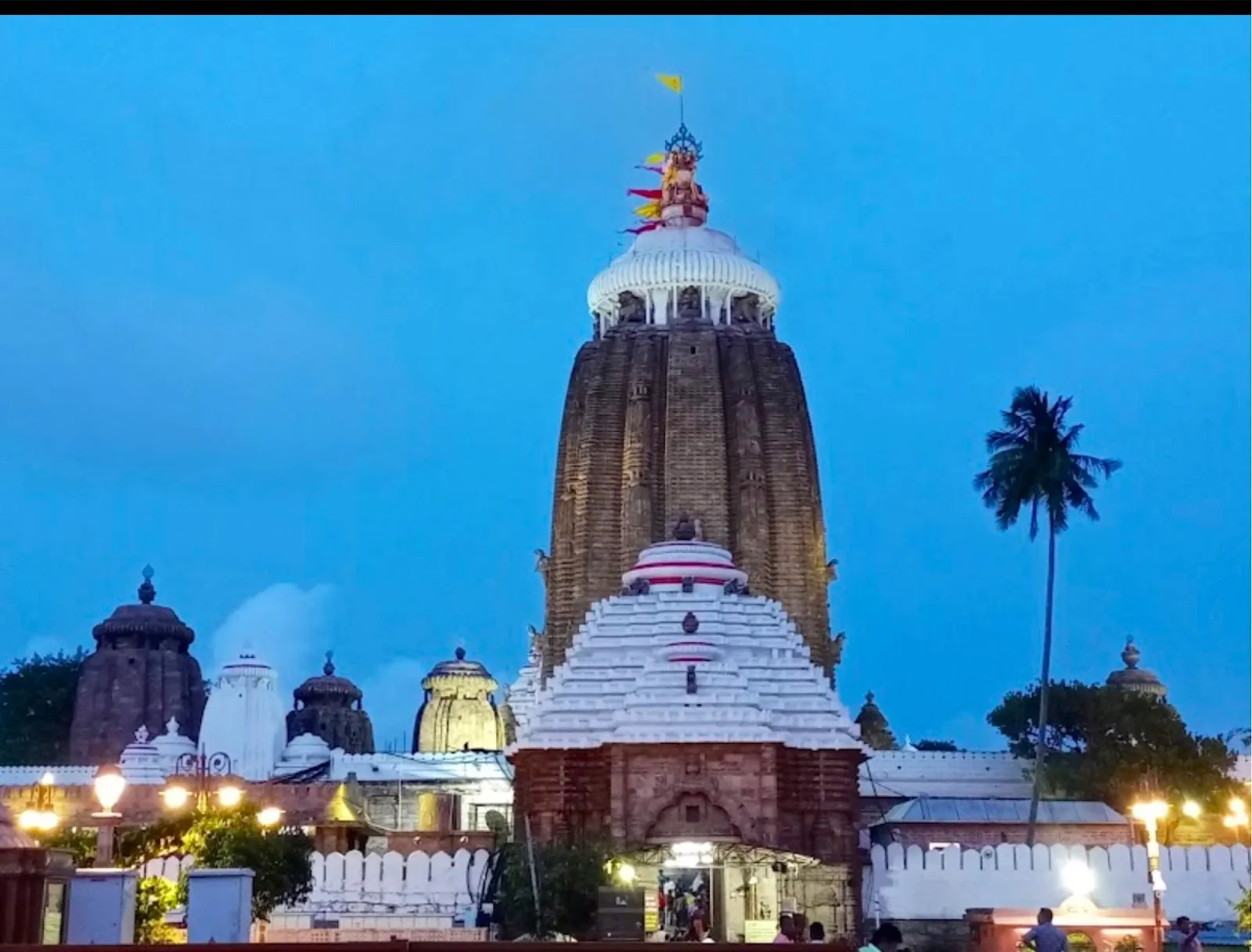
The name Jagannath joins two Sanskrit words, Jagat for universe and Nath for lord. The temple is dedicated to Lord Jagannath, a form of Vishnu, and all three deities, Jagannath, his brother Balabhadra and his sister Subhadra, sit inside the main sanctum.
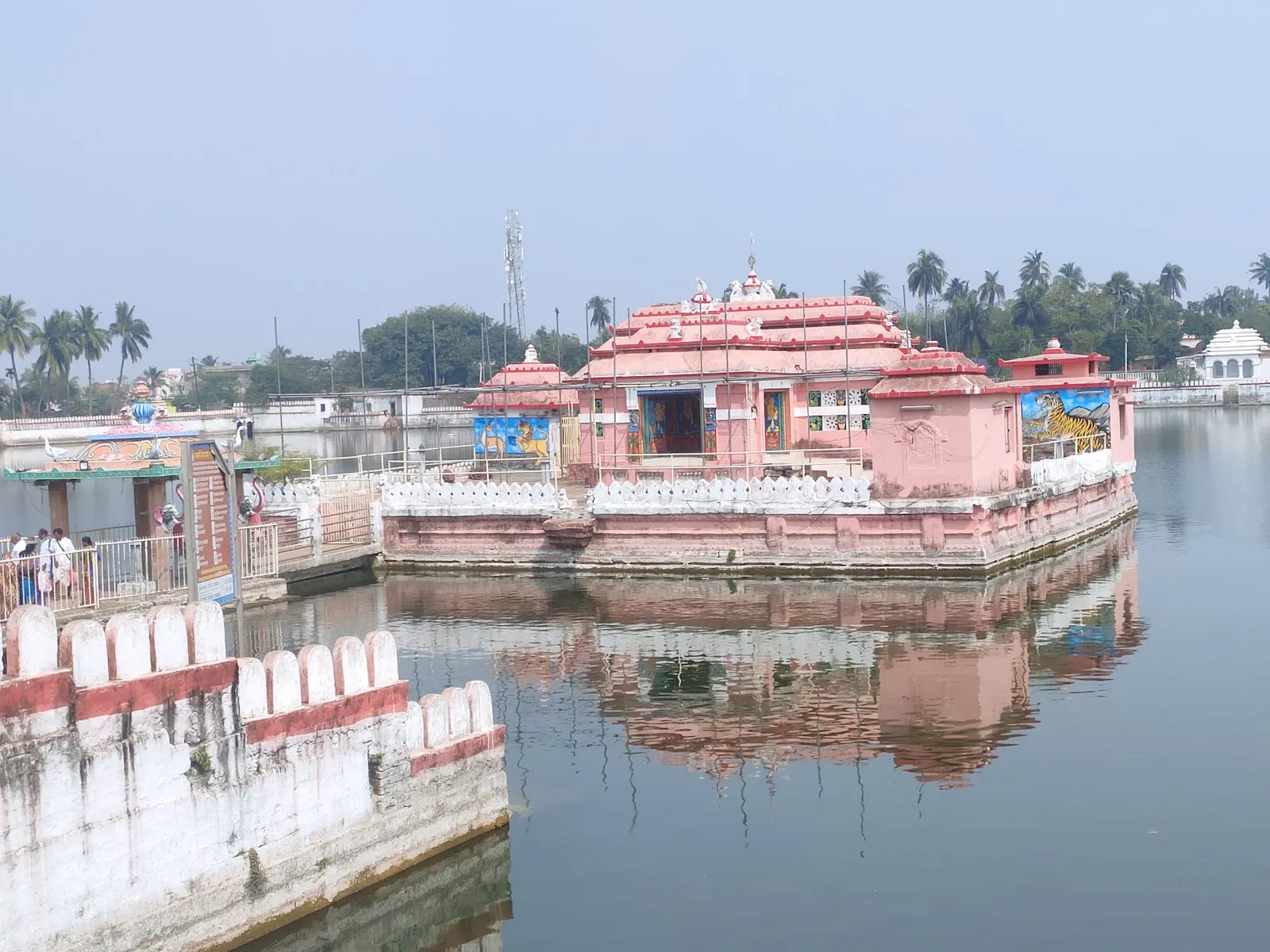
Puri is one of the four Char Dham sites of Hindu tradition, with Badrinath, Dwarka and Rameswaram. The temple is especially important to worshippers of Vishnu and Krishna. Within the complex is Rohini Kund, one of the sacred spots linked to the Puri pilgrimage.
The building is in Kalinga style, with a tall spire and finely carved stonework. Odisha's three best-known destinations are Puri, Konark and Bhubaneswar, and Puri draws by far the most pilgrims of the three.
The flag on the spire
The spire rises about 214 feet. Every day a servitor climbs it without support to change the flag at the top. The ritual is called Dhwaja Rohan, and it takes place in the late afternoon, shortly before sunset.
You watch from the ground, so it is worth arranging your visit around it. Many people finish their time at the temple with this ritual.
Mahaprasad and Anand Bazaar
Mahaprasad is food offered to the deity and then shared with devotees. It is also called Anna Brahma and is cooked daily in very large quantities in the temple kitchen. It is shared among devotees without distinction.
Anand Bazaar, inside the complex, is where you can receive it. By donating at the designated counters you get a simple meal of rice, dal and a sweet. Many people eat it after darshan and before leaving the temple. Dry prasad, such as khaja, keeps for at least 15 days, so it can be carried home. The sweets called chhappan bhog are also sold here.
The kitchen is described as the largest in the world.
Rules for the visit
There is no separate fast queue for darshan, so everyone waits their turn. The wait depends on the day and the crowd. A quiet afternoon can mean about 30 minutes, while a busy day can take several hours.
Phones are not permitted inside. Free lockers for electronics are outside the temple, and footwear should be left at the official counters. Pay only at the official donation counters and avoid anyone offering paid assistance.
The complex has restrooms, including a wheelchair accessible one, and a free parking lot. A bypass road called Shree Setu, 2.8 km long, brings traffic from Bhubaneswar and Brahmagiri to a multi-level parking area.
Rath Yatra
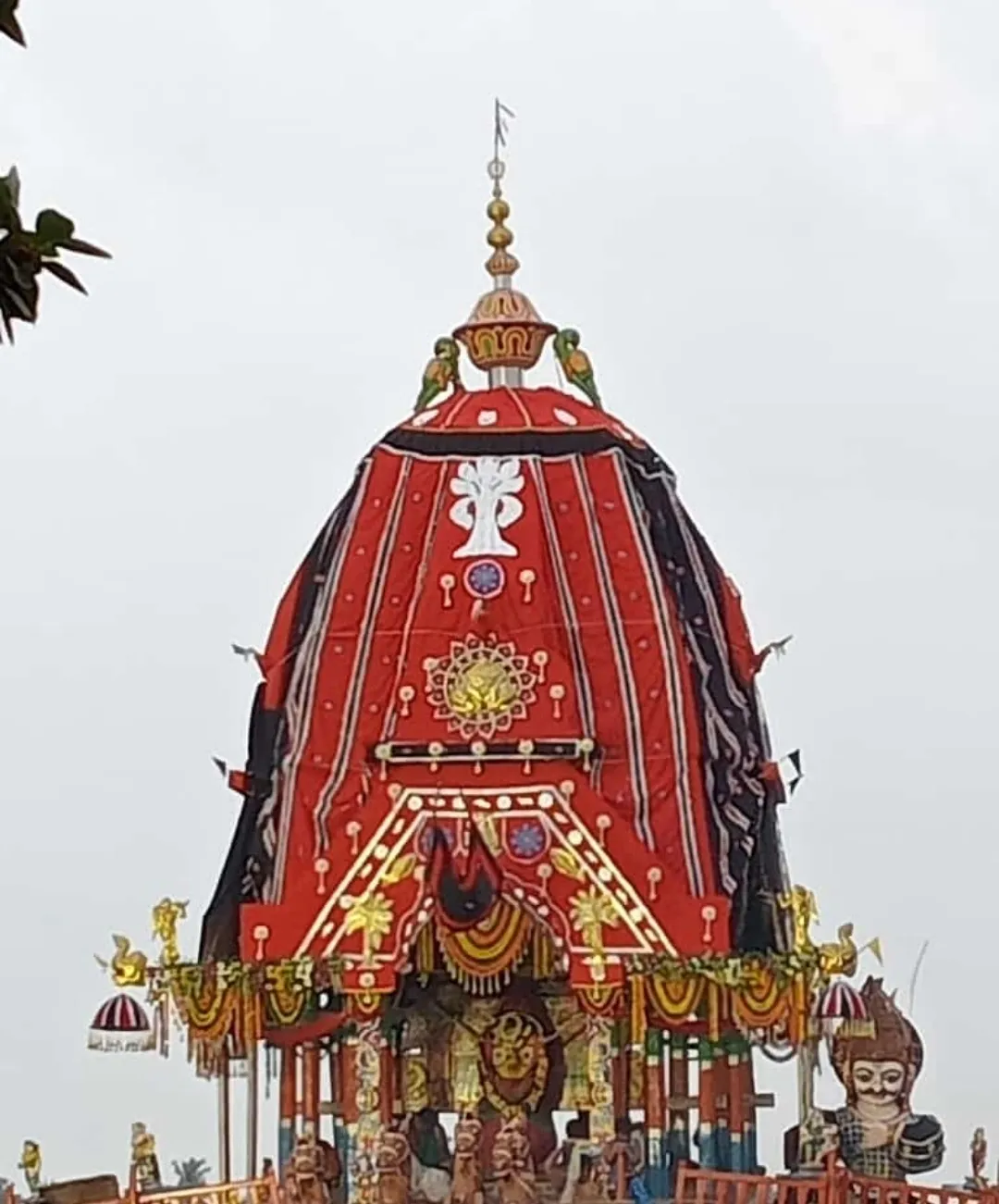
The temple is the starting point of Rath Yatra, the chariot festival, when Puri fills with devotees from all over India. Crowds are heavy within about 2 km of the temple, and the approach routes are divided and diverted at several points to keep people moving.
On a normal day the temple draws thousands of pilgrims. Plan extra time for travel and lodging if your dates fall in the festival period.
FAQ
How long does a visit to Jagannatha Temple take?
Plan on 2 to 3 hours. The time depends mostly on the queue for darshan, which can be about 30 minutes on a quiet day and several hours on a busy one.
Can I take my phone inside?
No. Mobile phones are not allowed inside the temple. Free mobile lockers are available outside, and footwear goes at the designated counters.
When is the flag changed on the spire?
The flag-changing ritual takes place in the late afternoon, shortly before sunset. A servitor climbs the 214-foot spire without support.
How do I get Mahaprasad?
Make a donation at the designated counters in Anand Bazaar, inside the complex. You receive a simple meal of rice, dal and a sweet. Dry prasad keeps for at least 15 days.
Which deities are worshipped here?
Lord Jagannath, a form of Vishnu, with his brother Balabhadra and his sister Subhadra. All three sit in the main sanctum.