
The Padmaja Naidu Himalayan Zoological Park, also called the Darjeeling Zoo, sits on Jawahar Parbat hill at about 2,134 meters (7,000 feet). It is the largest high-altitude zoo in India and focuses on animals of the Himalayan region. Its breeding work for red pandas and snow leopards is the main reason to visit. Walk the paths under pine trees to see Siberian tigers, Himalayan wolves, goral, yaks and birds in enclosures built to resemble their native habitats. The Bengal Natural History Museum is inside the grounds.
From a joint venture in 1958 to today
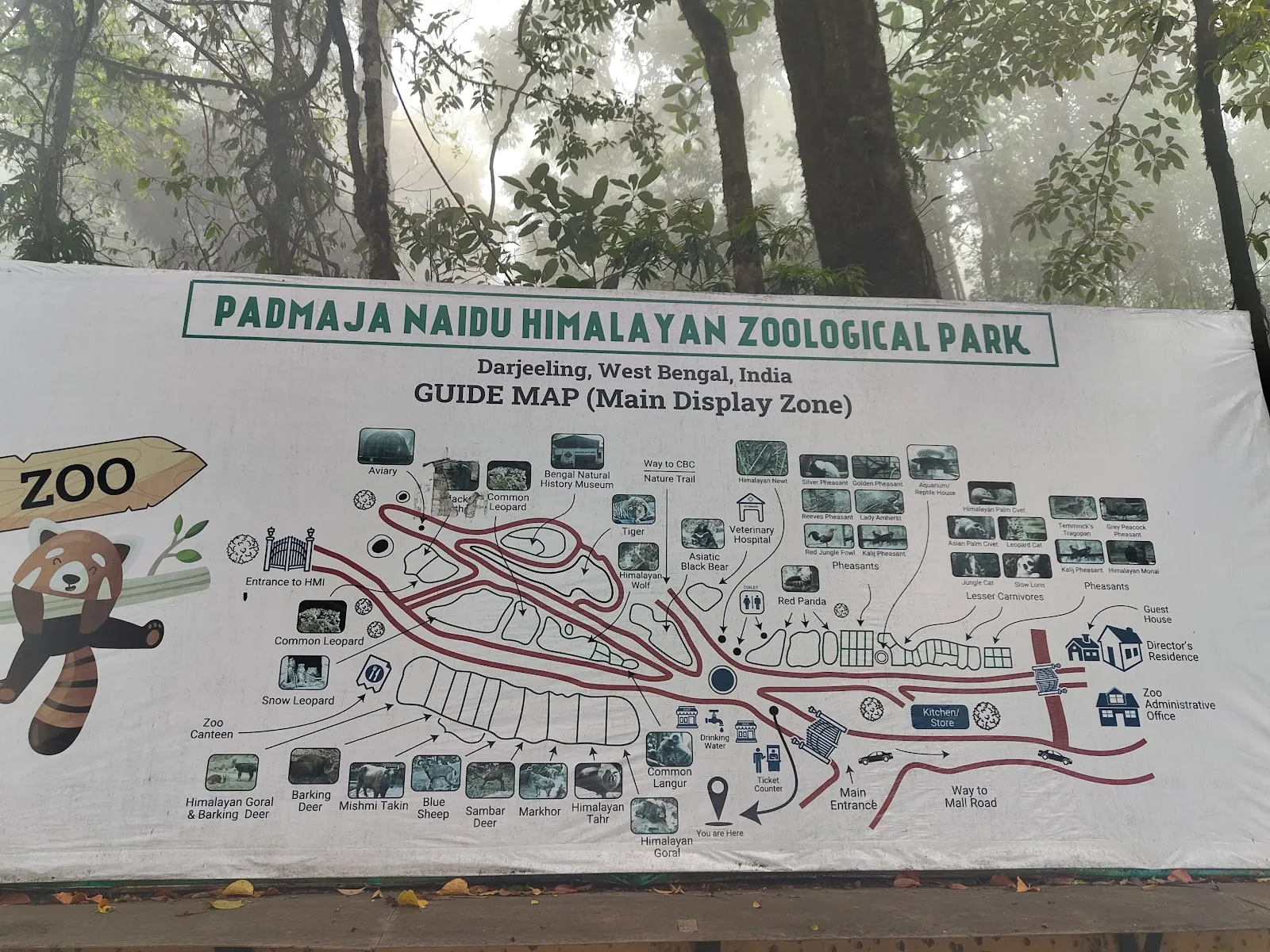
The zoo was set up in 1958 as a joint venture of the Government of India and the Government of West Bengal, under the name Himalayan Zoological Park. In 1975, Indira Gandhi, then Prime Minister of India, visited the park, and it was renamed in memory of Padmaja Naidu, a poet and the daughter of the freedom fighter Sarojini Naidu.
The zoo has received the Royal Bank of Scotland Earth Hero Award for its in situ and ex situ conservation work. The Central Zoo Authority has also ranked it the best zoo in the country.
Breeding and conservation work
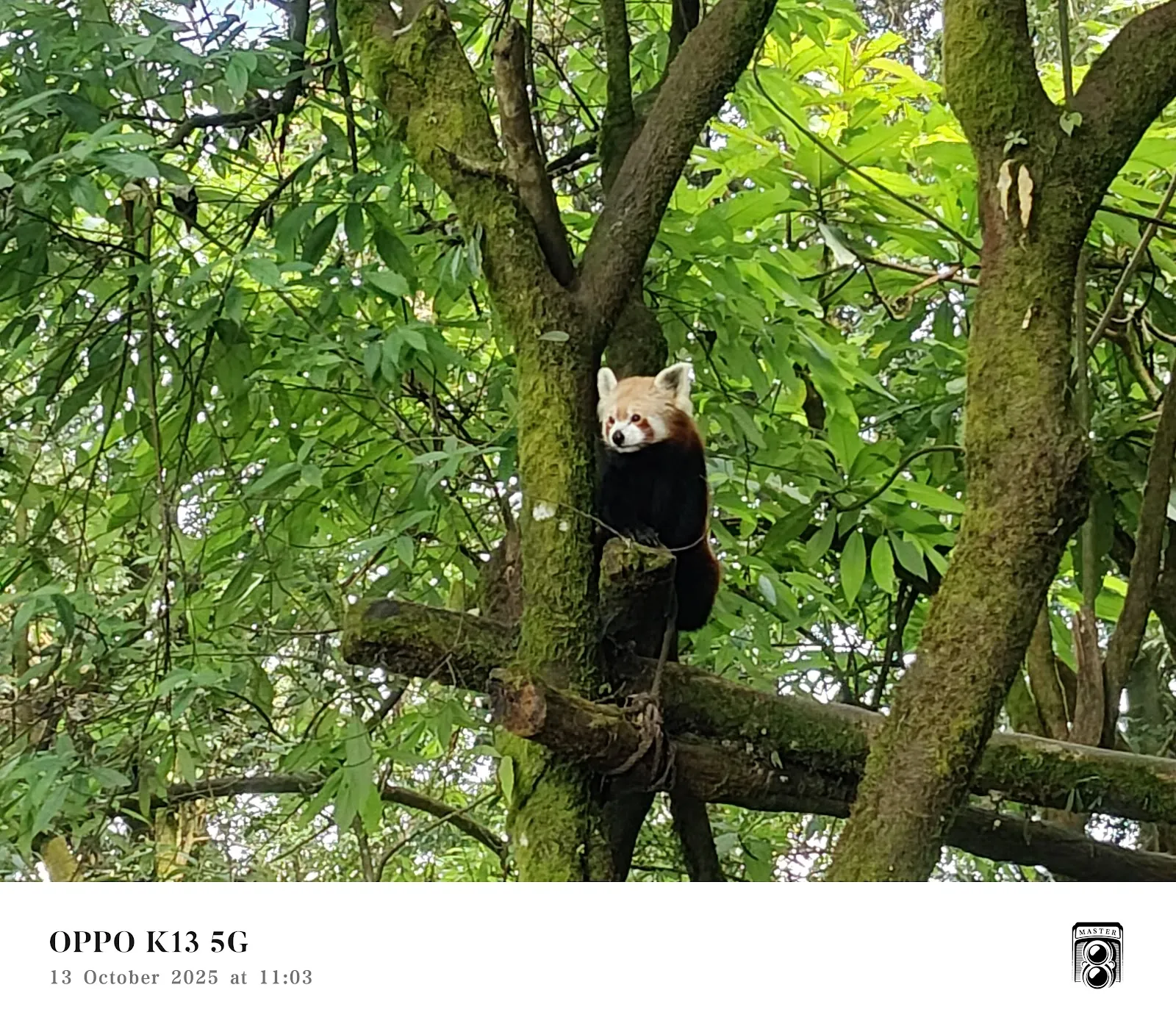
Most of the zoo's work is the breeding of endangered Himalayan species. The snow leopard programme has run for more than twenty years, and the zoo holds one of the largest captive populations of the species. Red pandas have their own breeding programme, and an off-display breeding centre supports both species.
Only about 10 acres are open to visitors. The rest of the site is a conservation breeding centre. The zoo collects DNA samples as part of its conservation work. It is also the only zoo in India that breeds the Tibetan wolf in captivity.
What you see along the paths
Animals on show include red pandas, snow leopards, Siberian tigers, Himalayan and Tibetan wolves, Himalayan tahr, blue sheep, goral, yaks, Himalayan black bears and clouded leopards. The bird collection includes macaws, Himalayan monals and a bird aviary.
The enclosures are spacious and set up to resemble natural habitats. The grounds hold more than 200 species of trees and plants, including some 60 varieties of orchids. Signboards along the paths give facts about the animals and about conservation.
Bengal Natural History Museum and the mountaineering institute
The Bengal Natural History Museum is inside the park grounds. It began as a small building in the Botanical Garden to show the butterflies and birds of the hills. Today it holds about 4,300 specimens, including mammals, birds, reptiles, insects and fishes. The specimens are preserved from real animals and displayed in replicas of their natural habitats. A display of regional minerals is also on show.
The Himalayan Mountaineering Institute sits next to the zoo. Its displays cover the history of climbing in the region.
Planning the visit
The zoo has a cafe, a gift shop and a playground, and it is good for children. Free and paid parking are both available. The entrance, restrooms and parking are wheelchair accessible.
The zoo is closed on Thursdays. Allow about half a day to cover the highlights.
FAQ
Is there an entry fee?
Yes. For Indian visitors the fee is ₹110 per person. Other visitor rates are not listed here, so check the official website, darjeelingzoo.in.
How long do you need at the zoo?
Allow about 4 to 5 hours to see the highlights, or half a day in total.
Is the zoo open every day?
No. The zoo is closed on Thursdays.
Can you buy tickets in advance?
Yes, and advance tickets are recommended because queues can be long.


