The MIT Museum is in the Gambrill Center at 314 Main St in Cambridge, near MIT’s Kendall Square campus. Its galleries connect science, technology and art through hands-on displays and research from the university. Look for robotics and artificial intelligence, holography, kinetic sculptures, architecture and maritime history; demonstrations and changing exhibitions add more to explore. The museum spans three floors, so give yourself time to move between its collections. It suits curious adults and older children especially well, though some displays may be less engaging for very young visitors.
A museum shaped by MIT research
Founded in 1971, the MIT Museum shares the institute’s work in science, engineering and technology with the public. Its displays bring research and invention into view through objects, projects and interactive exhibits. Art is part of that mix, including technology-related artworks and kinetic sculpture.
The museum moved to its current purpose-built location in Kendall Square in 2022. The galleries occupy three floors of the Gambrill Center at 314 Main St in Cambridge. Exhibitions cover subjects including artificial intelligence, robotics, architecture, photography, maritime history and holography. Some are permanent, while others change, so the subjects on view can differ between visits.
Robots, holograms and moving sculpture
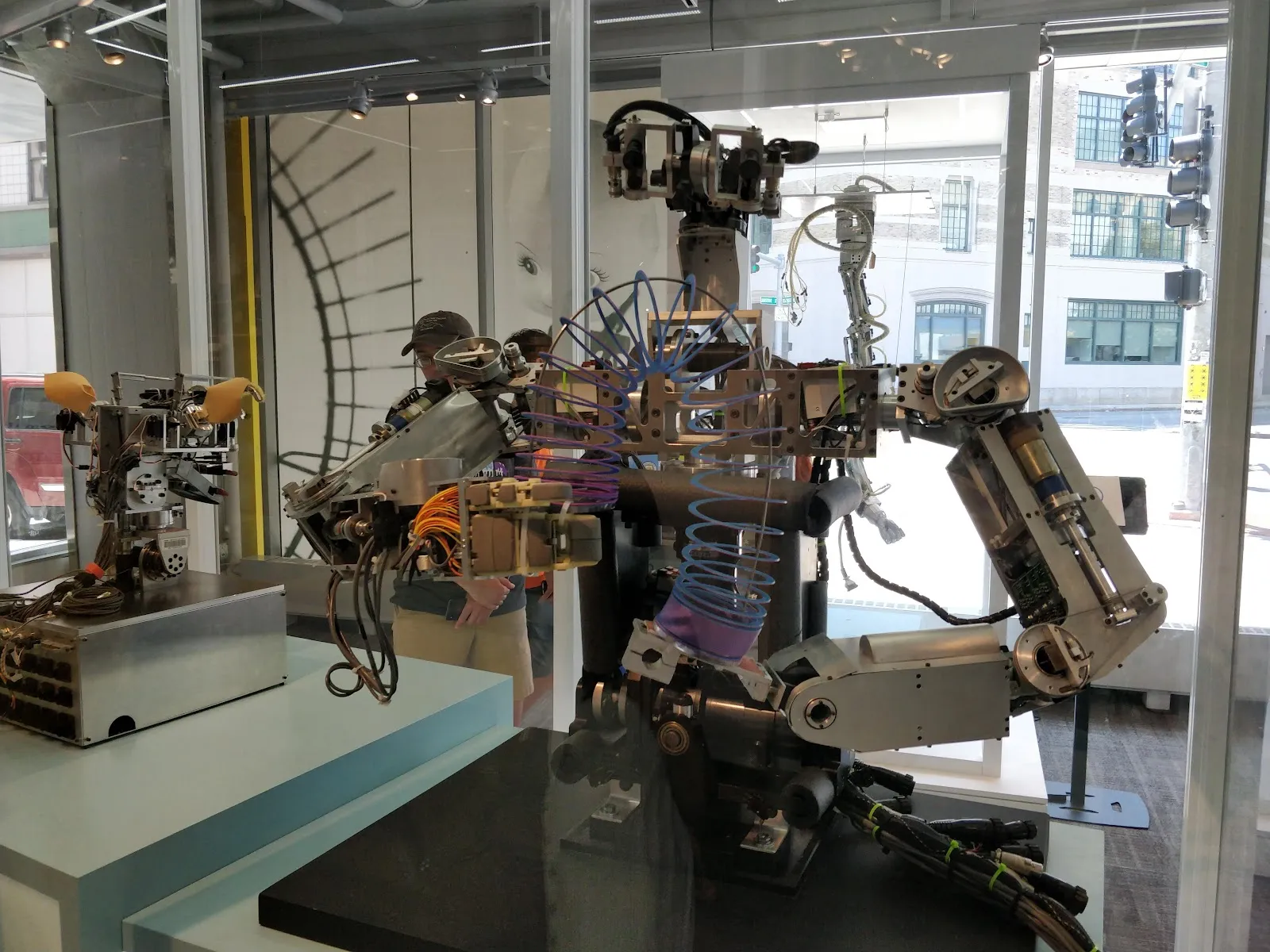
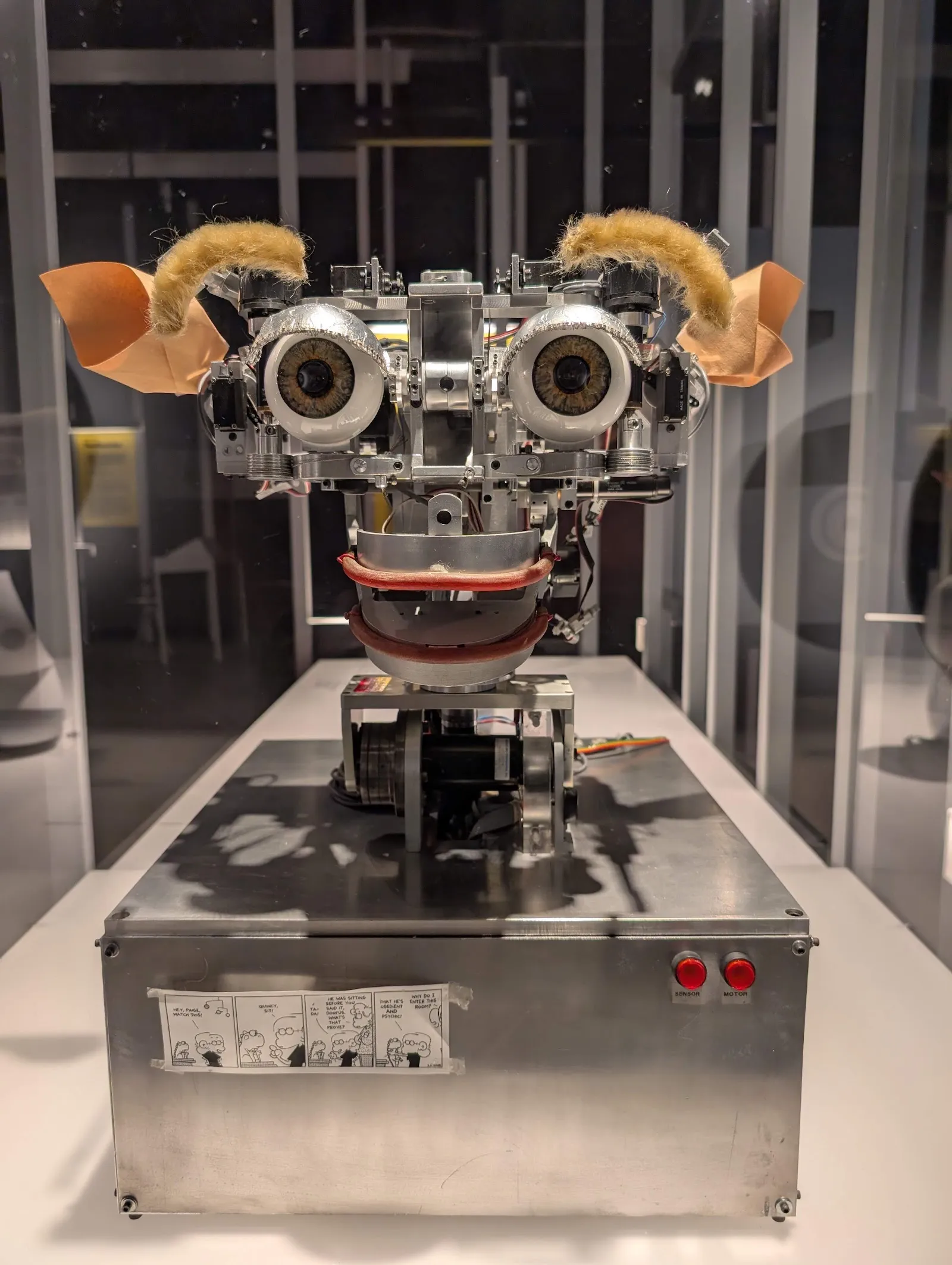
Robotics and artificial intelligence are among the museum’s central subjects. Displays and demonstrations connect these technologies with research at MIT, and some exhibits let visitors interact with the material. The Kismit robot is one example of the robotics demonstrations associated with the museum.
Holography offers another reason to look closely. The collection includes holographic works, while the wider galleries place them alongside engineering and visual art. Kinetic sculptures by Arthur Ganson use gears, wires and everyday objects to create movement. Their mechanical details reward a slower look than a quick walk through the room.
The museum also presents MIT’s history through scientific and engineering objects, models and archival material. Exhibits on maritime technology and ocean engineering sit within a broader collection that includes architecture, photography and the development of science at the institute.
Planning time for the galleries
There is enough across the three floors to fill a couple of hours, particularly if you stop to engage with interactive displays. The building also has a café and gift shop. If you want to make the visit more than a gallery walk, check the museum’s schedule for lectures, workshops, demonstrations and other public programs before setting out.
Parking near the museum can be difficult. Public transportation or an early arrival can make the trip simpler if you are coming by car. Exhibition content changes, so checking the museum website ahead of time is the best way to see what is currently on display and whether a program fits your visit.
The museum’s science and technology focus is a strong match for adults, students and older children interested in engineering, robotics or research. Younger children may find some displays less engaging, though interactive exhibits and family programs can add hands-on activities. Check the current program details if you are planning a visit with children.
FAQ
Where is the MIT Museum?
It is in the Gambrill Center at 314 Main St in Cambridge, near MIT’s Kendall Square campus.
How long should I spend at the MIT Museum?
Allow about two to three hours to explore the museum’s three floors.
What can you see at the MIT Museum?
Exhibits cover subjects including robotics, artificial intelligence, holography, kinetic sculpture, architecture and maritime history. The specific displays can change.
Is the MIT Museum suitable for children?
Interactive exhibits and family programs can engage children, but some displays may appeal more to older visitors. Check the current program details before going.