Trädgårdsföreningen, known in English as The Garden Society of Gothenburg, is a 19th-century horticultural park in the city centre, a short walk from Central Station. King Carl XIV Johan founded it in 1842, and its careful preservation has earned it listed status in Sweden. The main draw is the Palm House, a white steel and glass greenhouse from 1878 that holds tropical plants. In summer, the rose garden has over 4,000 roses. Follow the winding paths, rest on the benches and stop for fika at Rosenkaféet.
From 1842 to today
The park was founded in 1842 by King Carl XIV Johan. It was designed as a meeting place in the heart of the city, and as a place where horticulturalists could improve their plant-growing skills.
Its careful preservation earned it listed status in Sweden, and today it is counted among the best-preserved 19th-century parks in Europe. Many of the historic buildings on the grounds date from the park's early years.
The Palm House
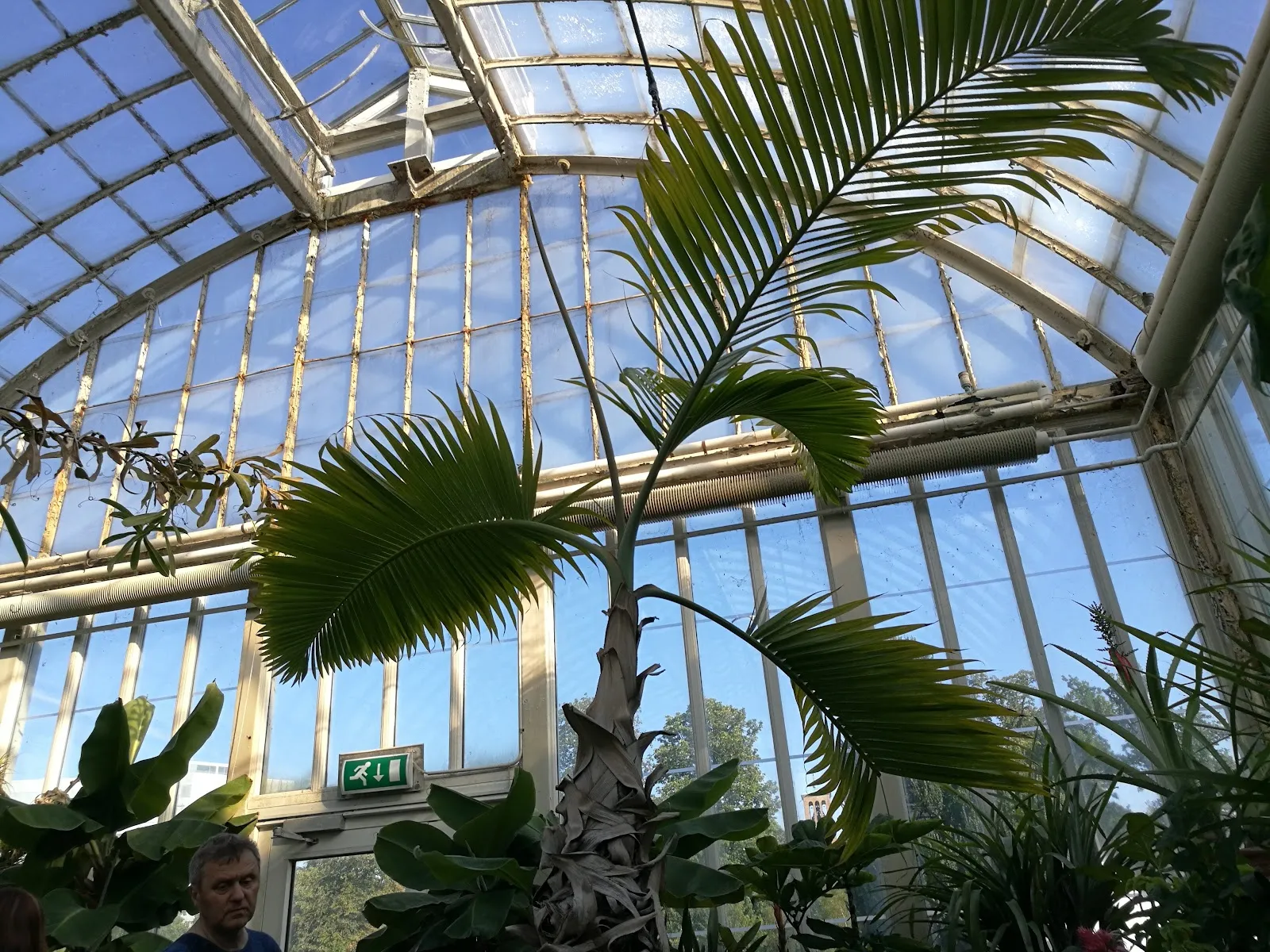
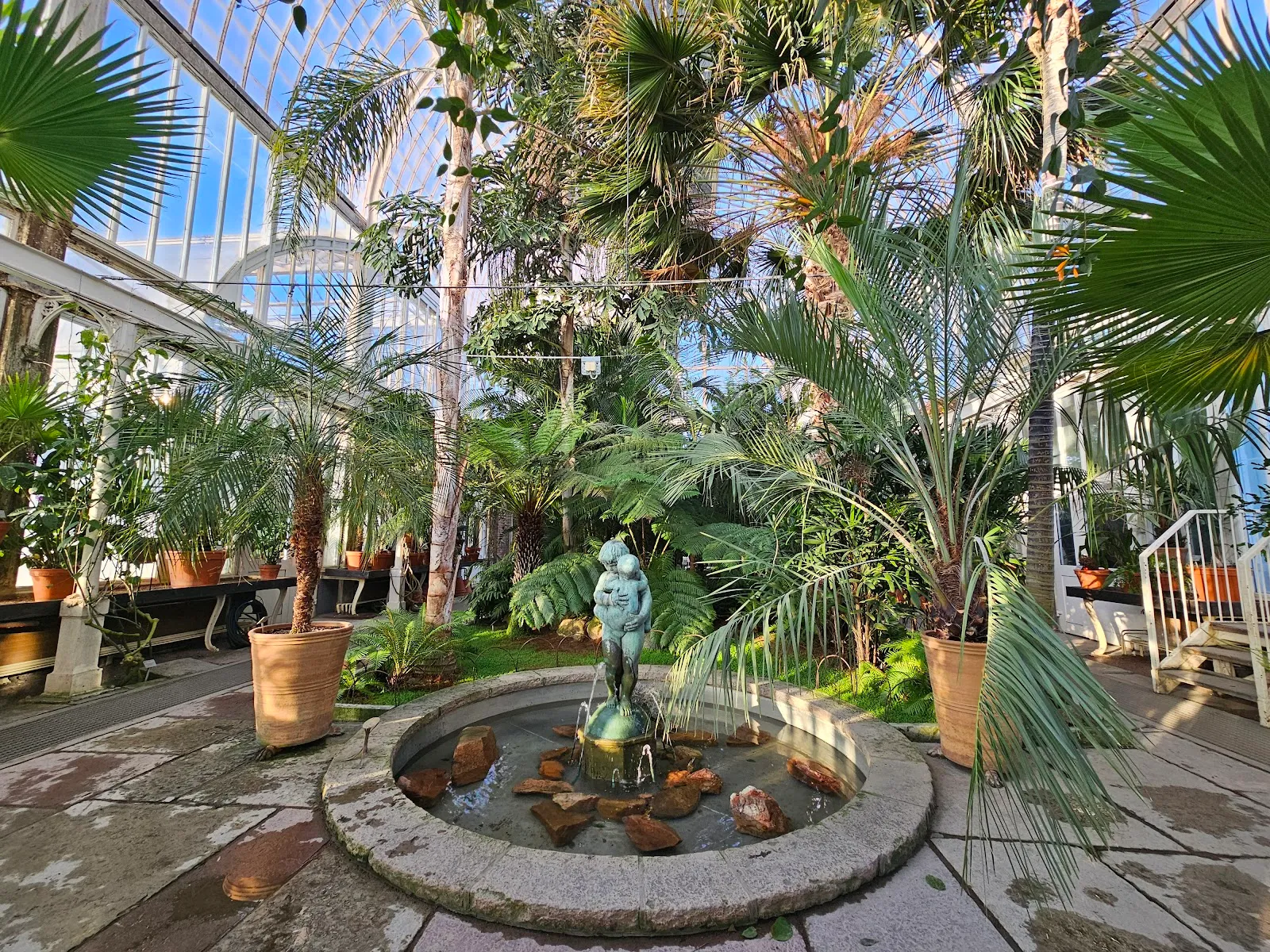
The Palm House, or Palmhuset, dates from 1878. It was modelled on London's Crystal Palace and has a white steel frame and glass. Inside, tropical trees and plants grow in warm air, which is unusual for a Scandinavian climate. The western wing is home to hundreds of camellias.
The building has photogenic corners and a seating area with chairs and tables, so you can have fika indoors if the weather turns. Water lilies are among the highlights, and the giant water lilies bloom in July. The park itself is free to enter, but the Palm House charges an entry fee.
Parts of the park have closed for renovation, and the Palm House has been among them at times, so confirm it is open before you plan your visit around it.
Roses and the seasons
The rose garden holds over 4,000 roses from around 1,900 species, and they bloom most vividly in summer. Early September is a good time to see them in full flower.
Other seasons have their own highlights. Camellias flower in February, orchids in March and April, and giant water lilies in July. In autumn, the trees turn orange, yellow, red and brown. Spring brings flowers across the park.
Walking the grounds
The park is laid out in sections, each with its own feel. Narrow paths wind past many kinds of plants, and open lawns give you room to sit or lie down. A gravel path follows the canal. Labels beside the plants name the flowers and roses, which helps if you want to identify what you like. Benches are placed throughout the gardens, and old trees line the long walks.
The playground has swings and slides and suits both older and younger children. Public restrooms and food stalls are on site. The entrance and the parking lot are wheelchair accessible, though parking is paid.
Fika at Rosenkaféet
Rosenkaféet is in one of the society's oldest buildings, dating back to 1874. It serves traditional, healthy Swedish food from May to October. Fika means coffee with cake, and the café's indoor décor is traditional Swedish in style. There is also seating outside in the garden, which is a good choice on a warm day.
The café offers free, fast wifi.
Events and visiting with a dog
The park hosts activity through the year, including concerts, exhibitions, theatre and traditional festivities. Some visitors come for after-work parties in the warmer months.
Dogs are welcome, but they must be kept on a leash. The gardens, fountains and walking paths make the park a calm place to explore with a dog.
FAQ
Is there an entry fee?
The park itself is free to enter. The Palm House charges an entry fee.
How long do you need?
Plan a few hours to walk the grounds, visit the Palm House and stop for fika. The park has room for hours of strolling.
Can I bring my dog?
Yes. Dogs must be kept on a leash.
Is the Palm House open?
Parts of the park have closed for renovation, including the Palm House at times. Check the park's website before your visit.
Is the park wheelchair accessible?
The entrance and the parking lot are wheelchair accessible.