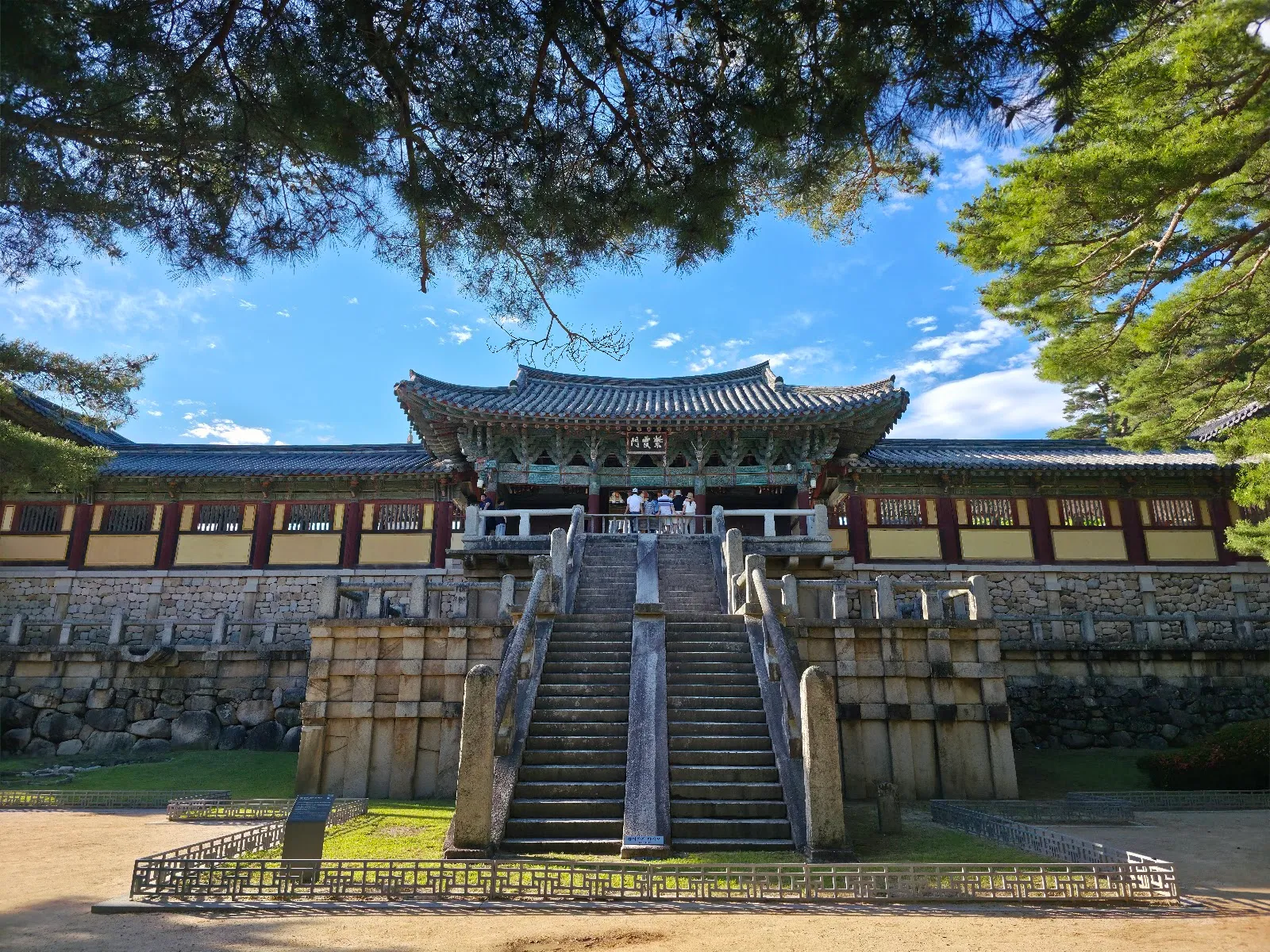
Gyeongsangbuk-do
Go for Silla tombs and temples in Gyeongju, the village lanes of Hahoe, and the East Sea coast around Pohang.
We may earn a commission. It never decides our picks.
Gyeongsangbuk-do is a province in southeastern South Korea, running from the East Sea coast inland into the mountains. Its cities are spread out, so plan around two or three bases. Gyeongju was the capital of the Silla kingdom for nearly a thousand years. Its royal tombs, Buddhist temples and the Seokguram grotto, a UNESCO World Heritage site, draw first-time visitors.
Andong is known for Hahoe Folk Village, a riverside village of traditional houses, and for the Hahoe mask dance. Hahoe is an easy half-day trip from Andong. Pohang gives you the East Sea coast and the sunrise at Homigot. Daegu is a large city with fast rail links to the rest of the province. Spring and autumn are the most comfortable seasons. Three or four days covers Gyeongju and Andong, with Pohang added if you want the coast.
Gyeongsangbuk-do in five
- Get a T-money card for buses and subwaysT-money works on city buses in Gyeongju and Andong and on the Daegu subway. Buy one at a station or convenience store and load it before your first ride.Getting around
- Set up a data plan before you landNaver Map and KakaoMap show bus and train routes, but both need a live connection. An eSIM bought before you fly keeps them working from the airport.Phones and eSIM
- Carry won for markets and village staysCards work at most hotels and chain shops, but many market stalls and small village guesthouses take cash only. Withdraw won in a city before you head to Hahoe.Money and costs
- Book a hanok stay in Andong earlyTraditional hanok guesthouses have few rooms, so book them before you arrive. Ask whether the room is heated by ondol floor heating and whether breakfast is included.Andong
- Wear shoes that suit temple stairsBulguksa and the Seokguram grotto near Gyeongju involve long stone steps and a hilly path. Choose shoes you can slip off quickly, since halls and some hanok rooms ask visitors to remove them.Gyeongju
Neighborhoods

Gyeongju
- Price band: $$

Andong
- Price band: $
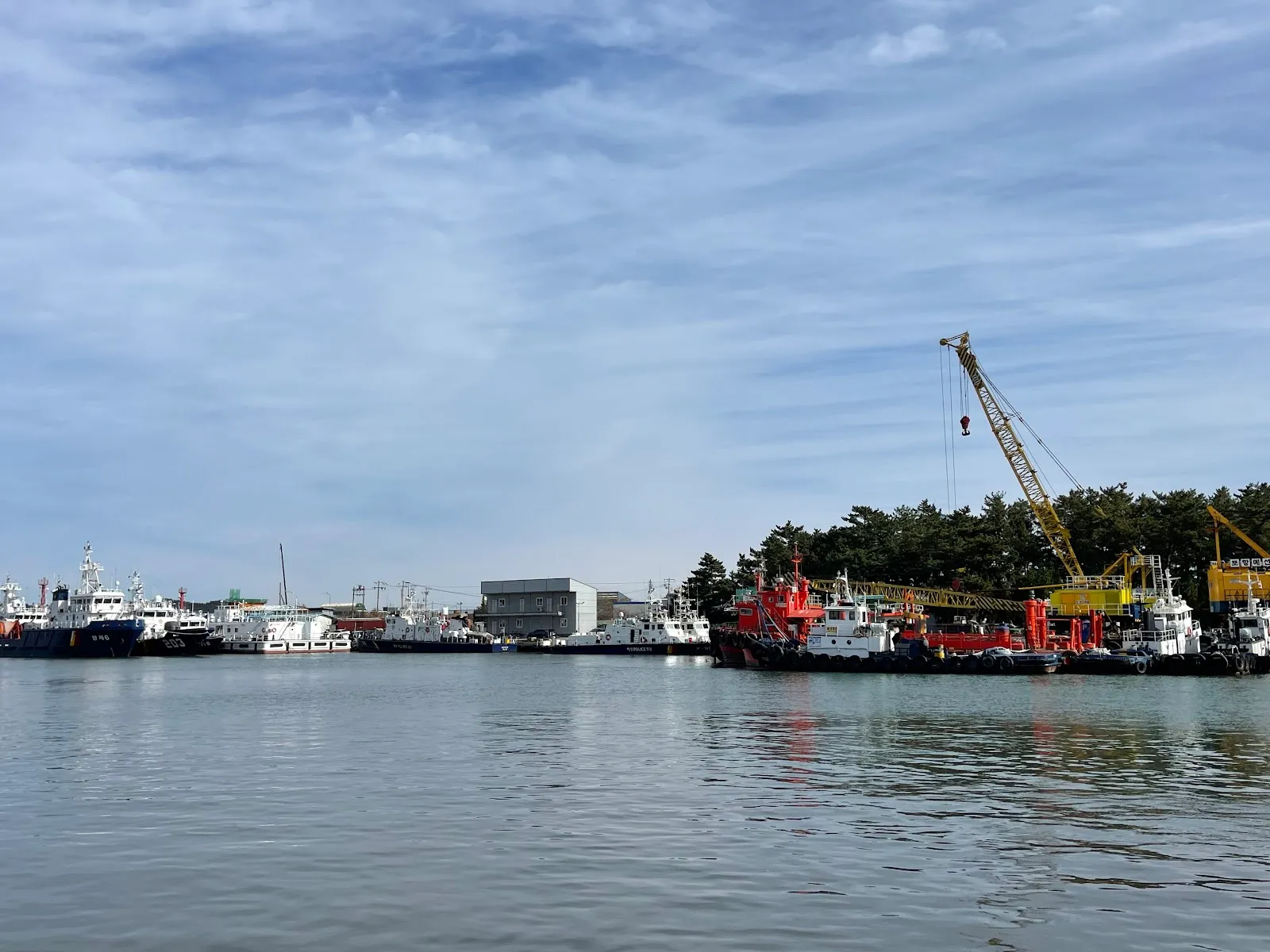
Pohang
- Price band: $

Daegu
Southeastern Korea's second-largest Yeongnam city, known for old markets, mountain trails and local dishes such as ttaro-gukbap.
Things to do in Gyeongsangbuk-do
See all attractions in Gyeongsangbuk-do




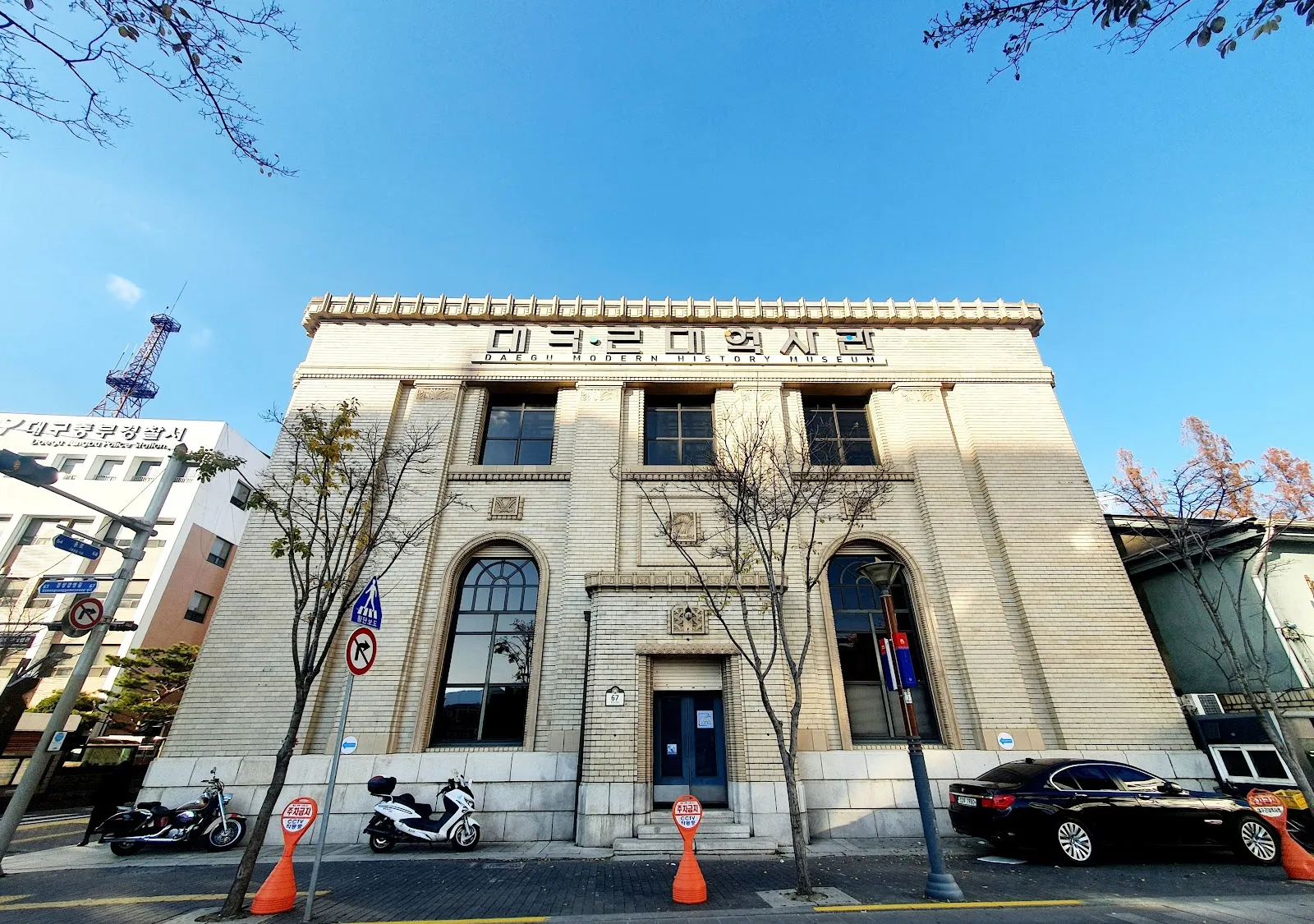

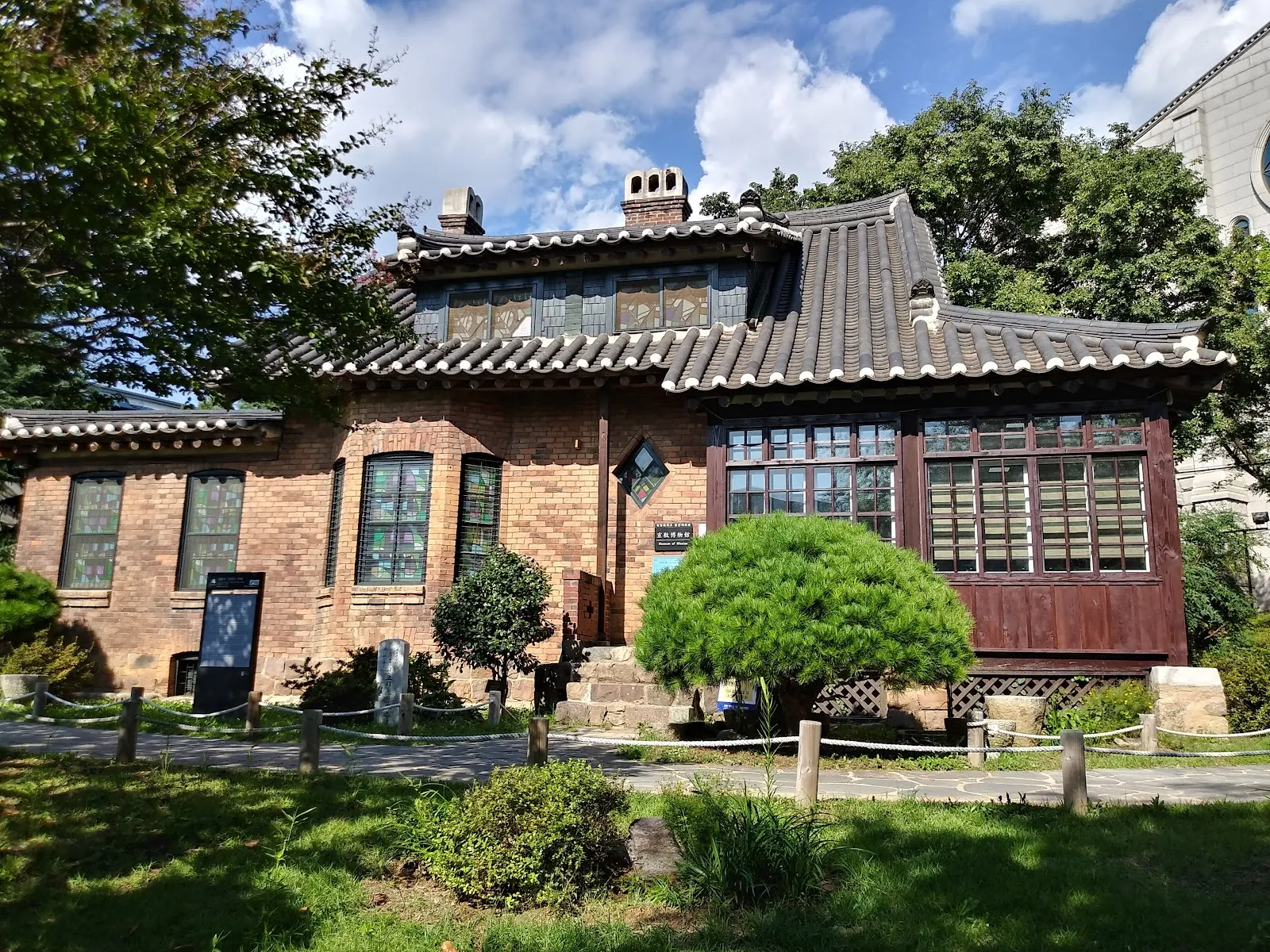
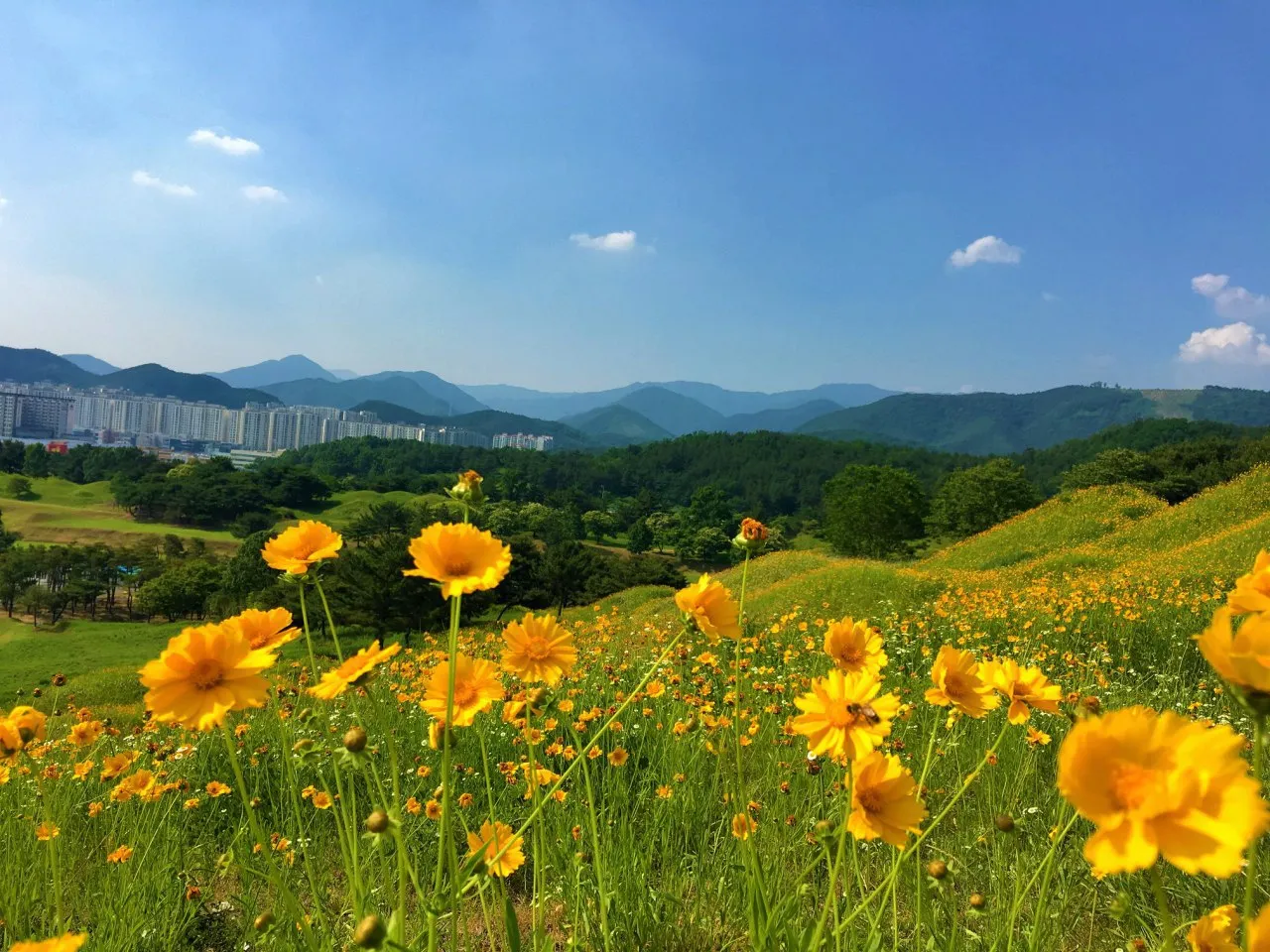


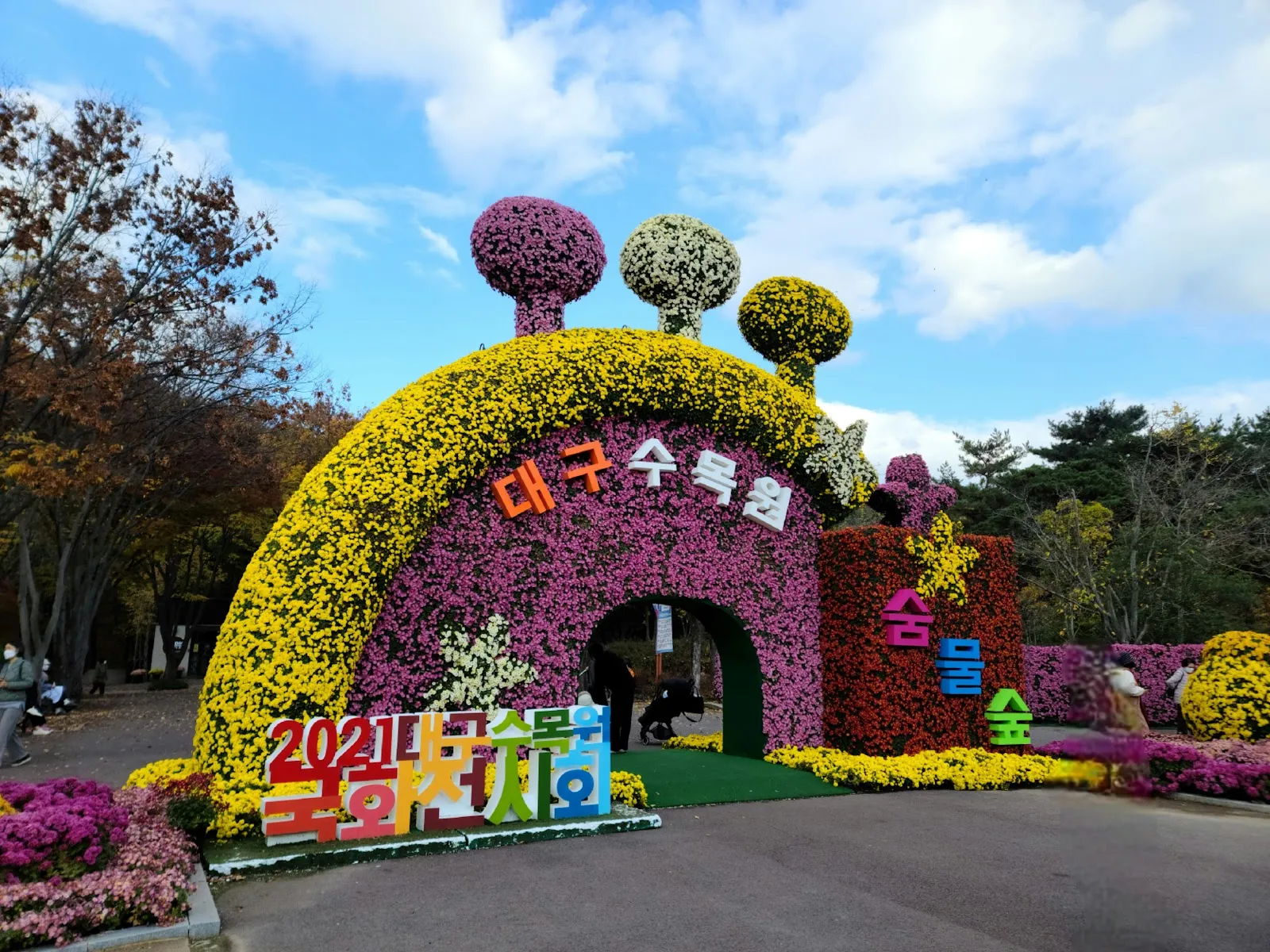
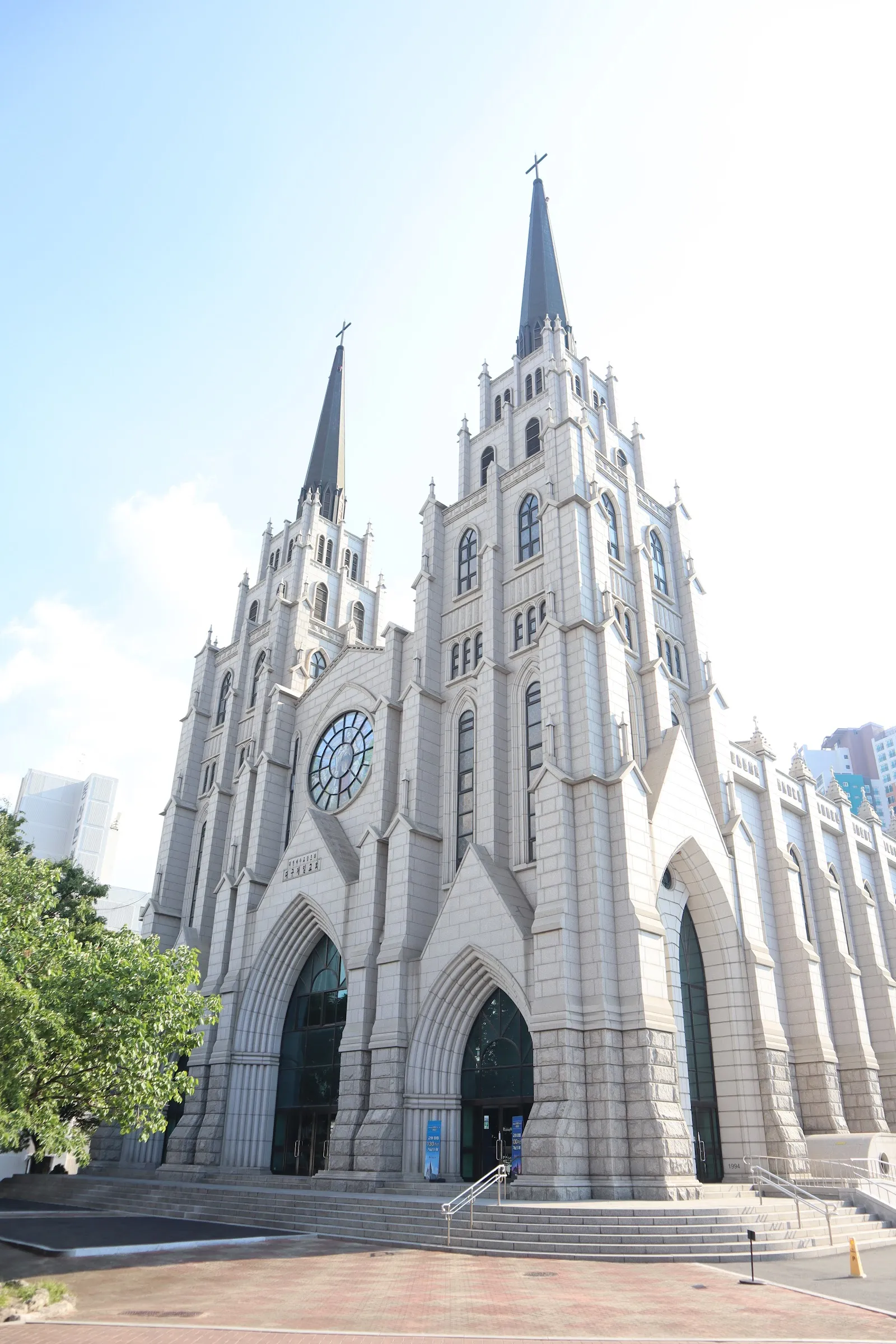

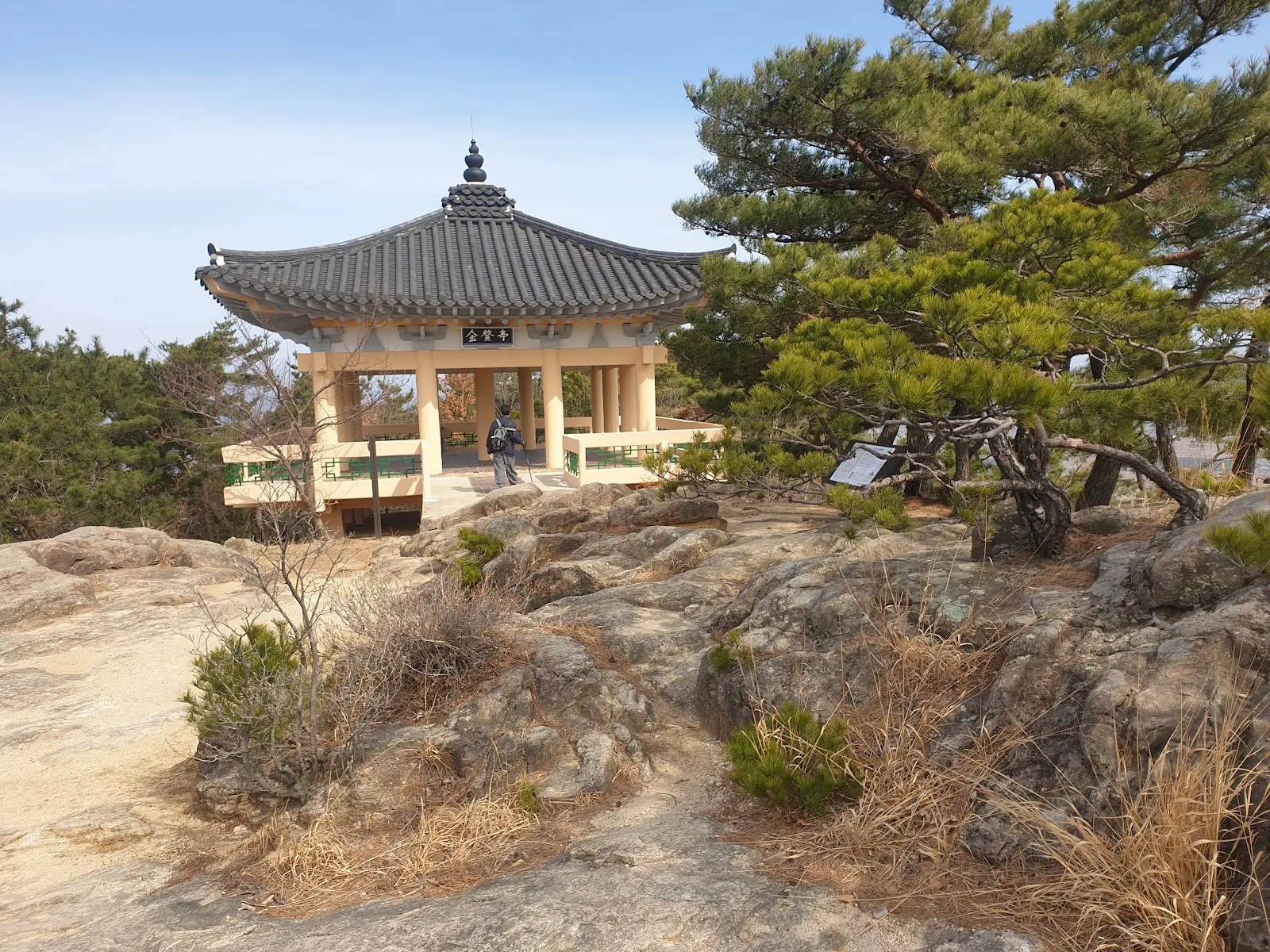
Need to know
- Currency
- Won (KRW)
- Entry
- Visa-free short stays for many passports; many visa-exempt visitors need a K-ETA first Read more
- Emergency
- 112 police, 119 fire and ambulance; 1330 for tourist help
- Tipping
- Not expected
- Time
- UTC+9, no daylight saving
Weather by month
- Best
- Good
- Mixed
- Poor
- JanuaryCold, dry
- FebruaryCold, quiet
- MarchSpring starts
- AprilCherry blossom
- MayGreen, mild
- JuneRainy season starts
- JulyRainy, hot
- AugustHot, typhoon risk
- SeptemberMild, dry
- OctoberAutumn color
- NovemberCool, late color
- DecemberCold, quiet
Right now in Gyeongsangbuk-do
Local time, today's weather and the exchange rate, refreshed through the day.

4
- Feels like
- 2°
- Humidity
- 74%
- Wind
- 4 km/h
- Chance of rain
- 0%
Gyeongsangbuk-do
05:42 AM
Tuesday, November 3
- Today14°2°0%Tuesday: Clear. High 14°, Low 2°. Chance of rain 0%.
- Wed15°4°0%Wednesday: Cloudy. High 15°, Low 4°. Chance of rain 0%.
- Thu12°7°86%Thursday: Rain. High 12°, Low 7°. Chance of rain 86%.
- Fri10°1°0%Friday: Cloudy. High 10°, Low 1°. Chance of rain 0%.
- Sat7°-2°0%Saturday: Clear. High 7°, Low -2°. Chance of rain 0%.
- Sun6°-3°2%Sunday: Cloudy. High 6°, Low -3°. Chance of rain 2%.
- Mon11°-2°2%Monday: Clear. High 11°, Low -2°. Chance of rain 2%.
Updated 01:51 AM local time · Powered by WeatherAPI.com · Weather data by Open-Meteo.com
Money
Mid-market rate1 USD = 1,333 KRW
Rates from Nov 2, 2026 · Rates By Exchange Rate API
Day trips by train
- Hahoe Folk Villageabout 30 min by bus from AndongA riverside village of traditional houses with tile and thatched roofs, one of Korea's best-known folk villages.Read the guide
- Gyeongjuabout 1 hour by train from DaeguThe old Silla capital, with royal tombs, temples and a stone observatory.Read the guide
- Pohangabout 30 to 40 min by train from GyeongjuAn east coast port city with a quieter pace than Gyeongju.Read the guide
- Daeguabout 1 hour by train from GyeongjuA large city with fast rail links to the rest of the province.Read the guide
Before you go to Gyeongsangbuk-do
Rules for Gyeongsangbuk-do, checked
- Many passports allow visa-free short stays. Check the K-ETA requirement for your passport on the official site before you fly.Source
- Declare food, plants and animal products at customs. Many meats and fresh fruits are restricted, so check the Korea Customs Service rules before you pack.
- Take off your shoes before entering a hanok room or temple hall, and check posted signs before you photograph inside.
- Some medicines sold freely elsewhere are banned in Korea. Check with the Korean embassy in your country before you pack prescription medicines.
Plan around Gyeongsangbuk-do
The country page for the wider trip
Read the guideGyeongjuThe old Silla capital, its tombs and temples
Read the guideAndongHahoe Folk Village and riverside hanok life
Read the guideDaeguA large city with fast rail links into the province
Read the guidePohangThe east coast port city, a short train from Gyeongju
Read the guideGetting around KoreaTrains, express buses and T-money for the trip
Read the guideGyeongsangbuk-do FAQ
Is Gyeongsangbuk-do worth visiting?
Yes, for Silla-era temples, hanok villages and smaller towns outside Seoul. Gyeongju and Andong are the main stops, and Daegu and Pohang add to the route.
How do you get around Gyeongsangbuk-do?
Trains serve Gyeongju, Daegu and Pohang, and buses reach Andong and Hahoe Folk Village. Use a T-money card on city buses and the Daegu subway.
How many days do you need in Gyeongsangbuk-do?
Three or four days covers Gyeongju and Andong with a stop in Daegu. Gyeongju alone can fill two days.
Can you get by without Korean?
Some major stations and sights have English signs. Outside those, a translation app and the hotel address written in Hangul help.
When is the best time to visit?
April, May, September and October are the best months, with cherry blossom in spring and autumn color in October. Summer brings the rainy season and heat.
Is Gyeongju or Andong better?
Gyeongju suits ancient tombs and temples, and Andong suits folk villages and hanok life. Pick one for a short trip and both for a longer one.