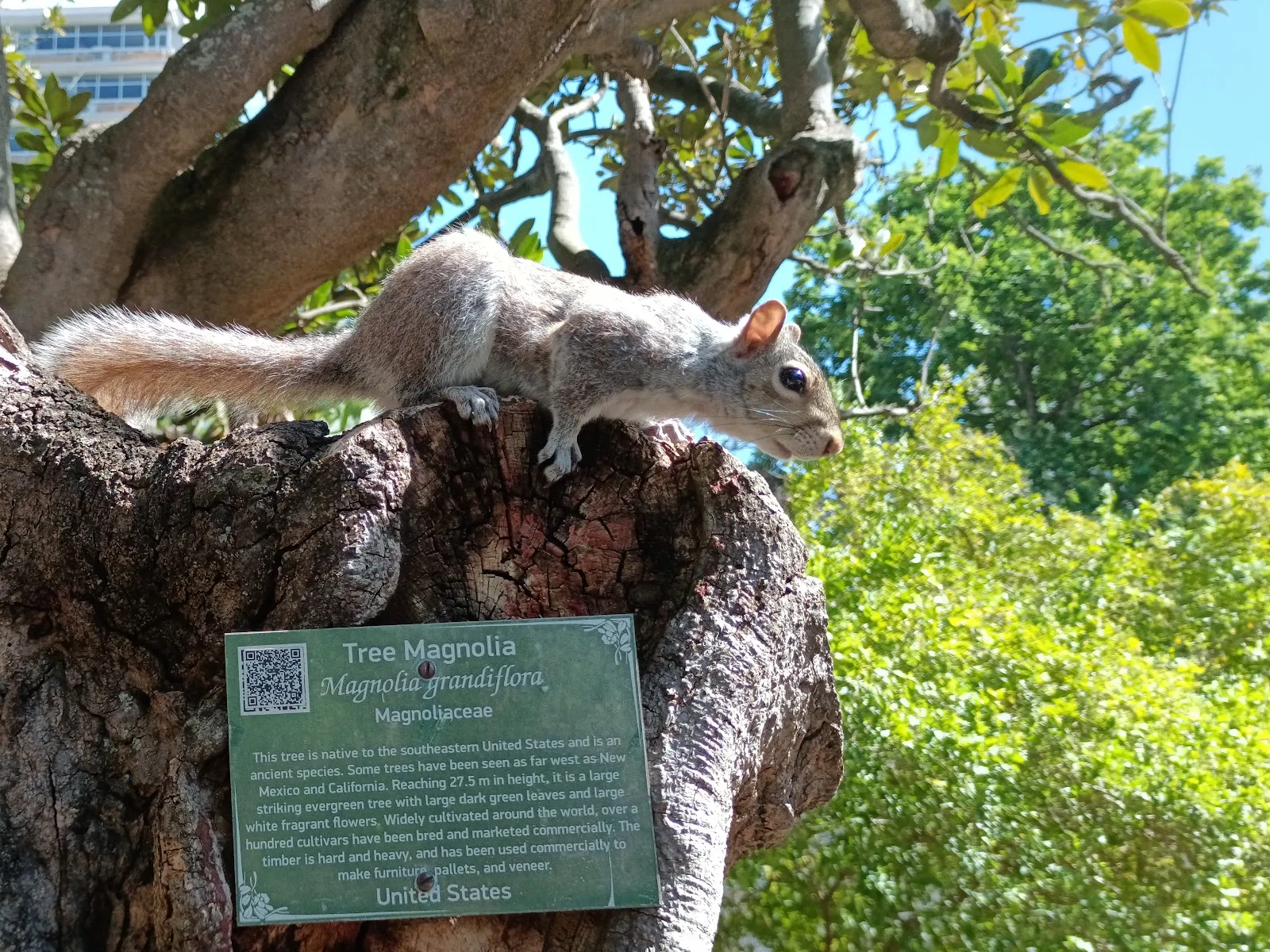
The Company's Garden Restaurant sits inside the Company's Garden in Cape Town's city centre. The garden began in 1652 as a plot where the Dutch East India Company grew vegetables for passing ships. Today the restaurant serves light meals, teatime favourites and traditional South African dishes under mature trees. Squirrels move around the lawns, and a play area keeps children busy while you eat. It is a relaxed break in the middle of the city, and you can walk the historic corners of the garden before or after your meal.
From a VOC vegetable plot to a public park
The garden started in 1652, when the Dutch East India Company set up a plot at the Cape to grow fresh produce for its ships. Those ships were on the spice route, and fresh food was valuable on the long voyage. The vegetable garden has since been recreated near the southern end of the park.
Over time the plot became a public space in the city centre. Office workers eat lunch on its lawns, buskers perform along the paths, and children play among the trees. The garden also holds several historic features, including the country's oldest pear tree and a memorial slave bell that recalls the enslaved people of the Cape.
The garden's history is tied to colonial rule. It is worth reading the plaques and memorials with that in mind.
What to see in the gardens
The gardens hold a fine collection of botanical plants and shade trees. Among the larger trees are a huge ginkgo, a rubber tree, an ancient saffron pear, and oak trees more than 150 years old. A bamboo plantation about 80 years old also grows here.
A rose garden, a fish pond, walking paths and benches run through the park. A playground sits among them as well.
Several monuments stand in the grounds, including the Artillery Memorial, the Delville Wood Memorial, the Rutherfoord Fountain, the Thorne Fountain and a company sundial. Give each one a few minutes and read what is written on it.
Eating at the restaurant
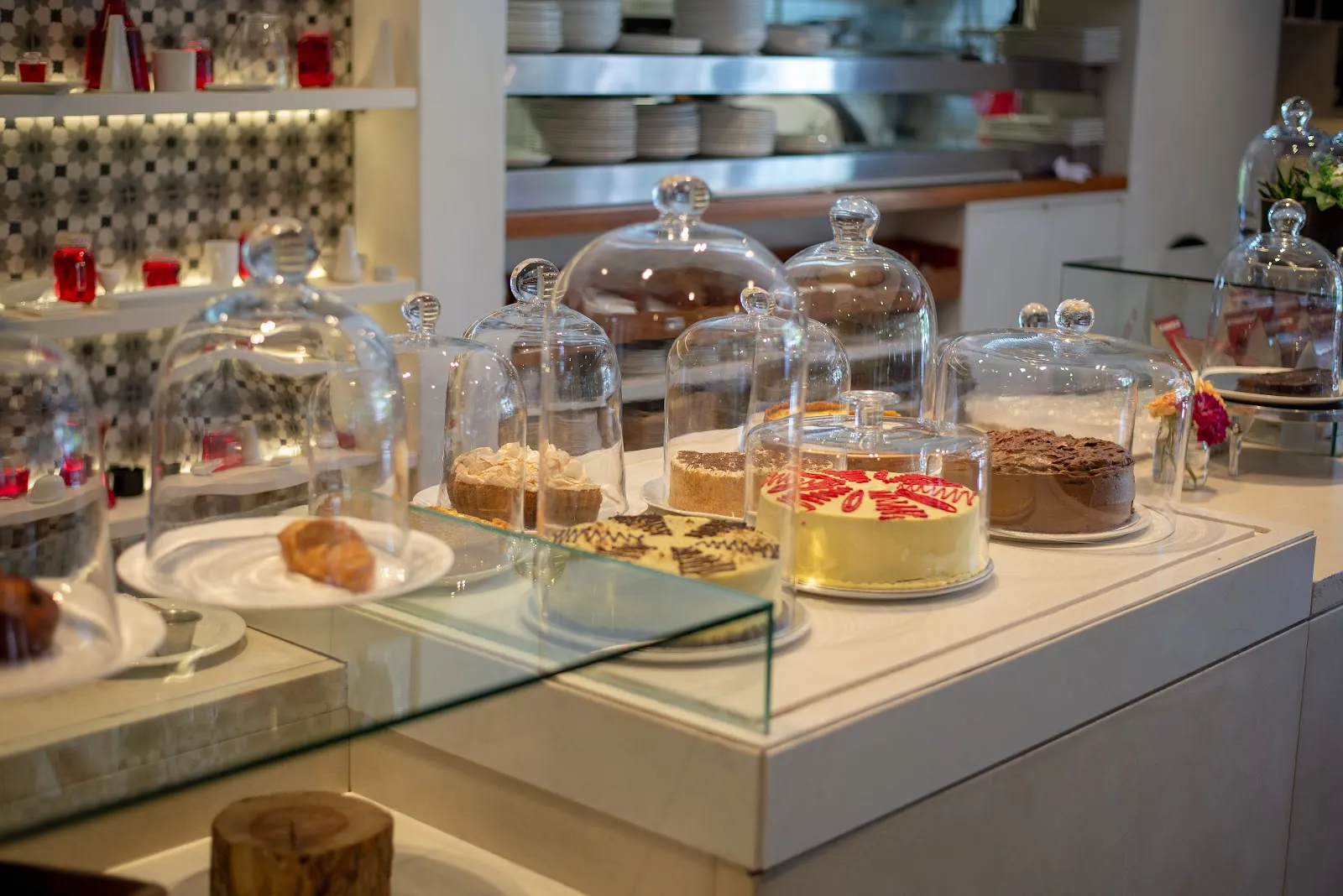
The restaurant serves a mix of light meals, teatime favourites and traditional South African fare. Breakfast, lunch and afternoon tea are all on offer, from early morning until late afternoon.
The high tea is generous, so it suits sharing. The toasted cheese and tomato and the chicken mayo are simple orders. The vegetarian bowl is a larger plate. One toasted cheese and tomato was priced at R100 on one visit, so look at the prices before you order.
The restaurant has a fireplace and blankets for cold days, which keeps the room warm in winter. Table service is available, so you can sit under the trees and take your time.
Visiting with children and dogs
The restaurant is set up for families. Children can climb into hanging weaved nests, sit on carved wooden animals, and play on a giant chessboard while you eat. Hanging basket playhouses sit between the trees, and there is a swing area.
The kids' menu includes cheese toasties, breaded chicken strips and hamburgers.
Dogs are welcome outside, and the open green areas give them room to run. Keep your food covered if you sit near the squirrels, because they will come close to look for scraps.
Nearby museums and landmarks
The gardens border the Houses of Parliament, St George's Cathedral, the National Library and the South African National Gallery. The Slave Lodge and the Iziko South African Museum are close by.
The Iziko South African Museum, the South African Jewish Museum and the District Six Museum are all in the area. The Great Synagogue and the Holocaust Centre are also nearby.
If you plan to visit several of these sites, start with the gardens and walk to them from there.
FAQ
How long do you need?
Allow 45 to 90 minutes for a meal. Add time if you want to walk through the gardens afterwards.
What food is served?
The restaurant serves breakfast, light meals, teatime favourites and traditional South African fare. Service runs from early morning until late afternoon.
Is there a kids' menu?
Yes. It includes cheese toasties, breaded chicken strips and hamburgers. The play area has a giant chessboard, swings and wooden carvings.
Can I bring my dog?
Dogs are allowed outside, and the green areas give them room to run.
When was the garden started?
The garden began in 1652 under the Dutch East India Company, which grew produce there for passing ships.