The National Museum stands in the King Abdulaziz Historical Center, in Riyadh's Al Murabba district. It tells the story of Arabia in order, from prehistory through Islamic history to the founding of the modern Kingdom. Eight main galleries on two floors carry explanations in Arabic and English, with video, touch screens and models along the route. Look for Nabataean tombstones, rock art, fossils and a meteorite found in the Empty Quarter. The gardens and courtyards outside suit a pause between galleries. Plan at least two hours for the museum itself.
Where it is and how it is built
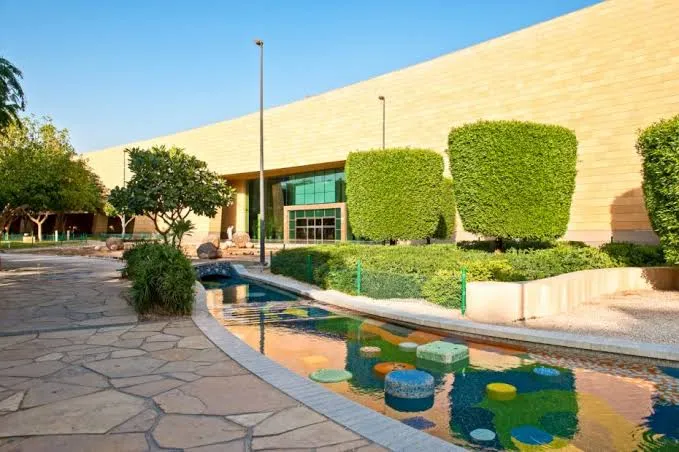
The museum is part of the King Abdulaziz Historical Center in the Al Murabba district, on the eastern side of the Main Square. It opened in 1999 and is housed in a modern two-storey building of about 28,000 square meters. The design was developed after a study of museums elsewhere in the world.
The curved sandstone walls are described as echoing the red dunes around Riyadh, and the facade is crescent-shaped. Inside there are eight main galleries and two smaller spaces for short-term exhibitions, plus the facilities a large museum needs.
The Historical Center around it also holds a library, a lecture hall, a mosque and parks, so the museum is one stop in a larger cultural complex.
The galleries in order
The route is chronological, and the gallery themes are easy to follow. It starts with Man and the Universe, which covers the geology and early life of the Arabian Peninsula. Later galleries cover the Arab kingdoms, the pre-Islamic era, the mission of the Prophet and the spread of Islam across the peninsula. The Islamic galleries are thorough, and the museum treats pre-Islamic and Islamic history with equal care.
The upper level turns to the first and second Saudi states and the unification of the modern Kingdom. Displays use maps, films and touch screens as well as objects, and there are small theatres with video presentations, including virtual visits to Madain Saleh and re-enactments of events from early Islamic history.
Texts are in Arabic and English throughout, so you can read the full explanations rather than only captions.
Objects to look for
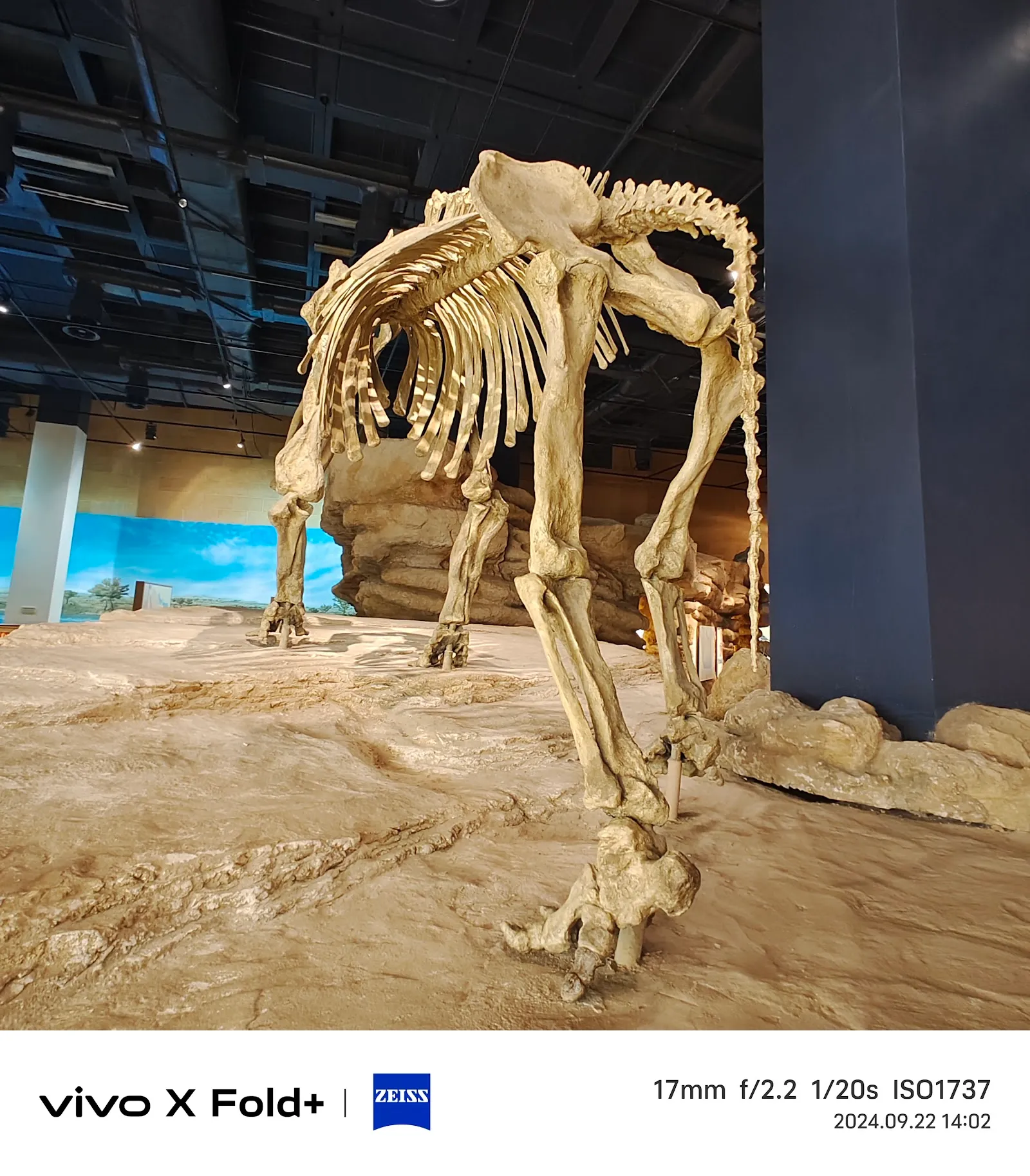
The early galleries hold fossils and skeletons of animals that once lived on the peninsula, including an elephant fossil. A large piece of a meteorite found in the Empty Quarter is also on show, and Neolithic rock art sits alongside it.
Further on are Nabataean tombstones, and the explanations go beyond a label and a date. The collections also draw on finds from the excavations at Faw in the south and Rabdha in the north, carried out by King Saud University.
Two kinds of display give a sense of daily life. Old living huts show how people built and lived, and detailed models of cities include replicas of old Jeddah buildings. A children's section explains the Kingdom in a hands-on way.
Gardens and the wider compound
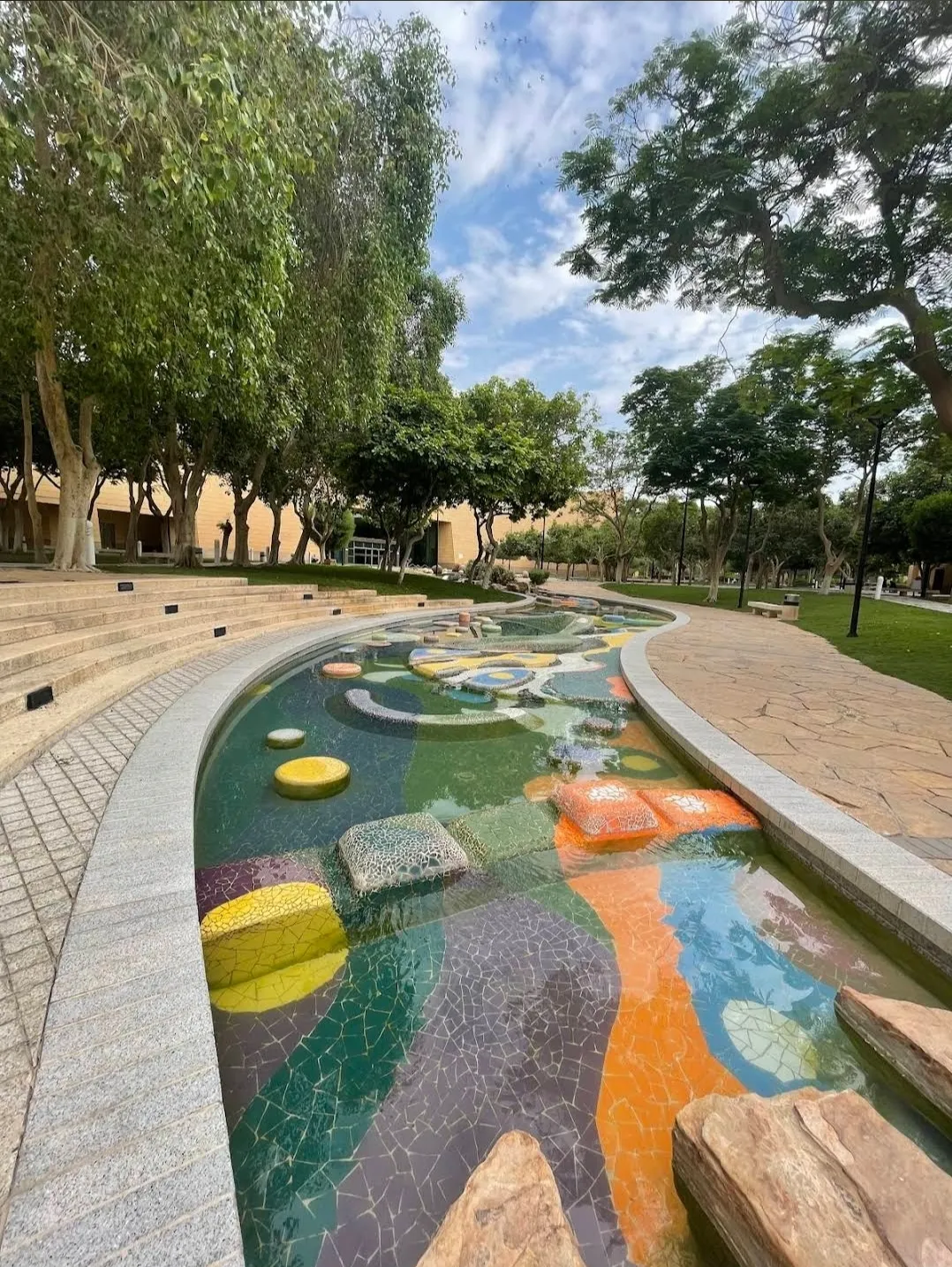
The grounds are part of the visit. A central park and two courtyards, Batn Al-Hawi and Zubaydah, connect the buildings, and behind the museum there is lawn and a water feature with space to sit or picnic. Cats often wander through the gardens.
Murabba Palace stands in the same compound, but it was under renovation during one recent visit, so check before planning around it. A visitor who covered the museum, the palace area and the King Abdulaziz Darah in one trip allowed three to four hours for all three.
Facilities
The site has a restaurant and café, a souvenir shop, restrooms and changing tables. The entrance, elevators, restrooms and parking are wheelchair accessible, and the building is easy to move around with a stroller. The museum also hosts live performances and seasonal events outdoors.
FAQ
How long do you need at the National Museum in Riyadh?
Allow two to three hours for the eight galleries. If you add Murabba Palace and the King Abdulaziz Darah in the same compound, plan on three to four hours.
Do you need to book tickets in advance?
Booking ahead is recommended. One weekday visitor was also asked to register on arrival.
Is the museum suitable for children?
Yes. It has interactive displays, a children's section, gardens to run around in, and is accessible for strollers and wheelchairs.
Are the exhibits in English?
Yes. Exhibit texts and many video presentations are in both Arabic and English.
Is there parking at the museum?
Yes, on-site parking is free. It can become difficult later in the day, so arrive early.