Plan a trip
Language: English
Trip plannerPlan your trip on a map

Top destinations

EnglishDeutschFrançaisEspañolPortuguêsPortuguês (BR)Italiano
Travel advisory · RussiaGovernments advise against all travel to Russia.Advice depends on your passport. Read your own government's advice before you book.Official advice
Areas with warnings
  • Chechnya · avoid all travel · Ireland, New Zealand, US
  • Crimea · avoid all travel · Germany, New Zealand, US
  • Dagestan · avoid all travel · Ireland, New Zealand
  • Donetsk · avoid all travel · Germany, US
  • Ingushetia · avoid all travel · Ireland, New Zealand
  • Kherson · avoid all travel · Germany, US
  • Luhansk · avoid all travel · Germany, US
  • Stavropol Krai (eastern and southern parts) · avoid all travel · Ireland, New Zealand
  • Zaporizhzhya · avoid all travel · Germany, US
  • Kabardino-Balkaria · avoid non-essential travel · Ireland, New Zealand
  • Karachai-Cherkessia · avoid non-essential travel · Ireland, New Zealand
  • North Ossetia · avoid non-essential travel · Ireland, New Zealand

Also named by one government: Belgorod (Ireland), Bryansk (Ireland), Krasnodar (Ireland), Kursk (Ireland), North Caucasus region (US), Rostov (Ireland), Voronezh (Ireland)

GovernmentAdviceUpdatedRead the advice
United Kingdom (FCDO)Advises against all travel to Russia–Read the advice
United States (State Dept)Do not travel to Russia for any reasonDec 29, 2025Read the advice
Canada (Global Affairs)Avoid all travel–Read the advice
Germany (Auswärtiges Amt)Vor Reisen in die Russische Föderation wird gewarnt (Reisewarnung)Oct 21, 2026Read the advice
New Zealand (SafeTravel)Do not travel to Russia–Read the advice
Ireland (Department of Foreign Affairs)Do Not Travel–Read the advice
France (Ministry for Europe and Foreign Affairs)Formellement déconseillé : l'ensemble du territoire de la Russie–Read the advice

Checked daily from the governments' published advice; last checked Nov 2, 2026. RoamLedger summarises official advice; it is not advice from any government.

Polytechnical Museum
Museum

Polytechnical Museum

Explore the Polytechnical Museum in Moscow, with historic instruments, space-age artifacts and the world’s first theremin among its exhibits.

The Polytechnical Museum on Novaya Ploshchad in Moscow traces the development of science and technology through historic instruments, space-age artifacts and interactive displays. Its collection includes the world’s first theremin and a computer once used to display a Russian internet index. Many exhibits have English-language options, so you can follow along without relying only on Russian text. The activities suit adults and children, though some interactive items may be out of service. Check for maintenance closures before setting out.

From the Polytechnic Exhibition of 1872
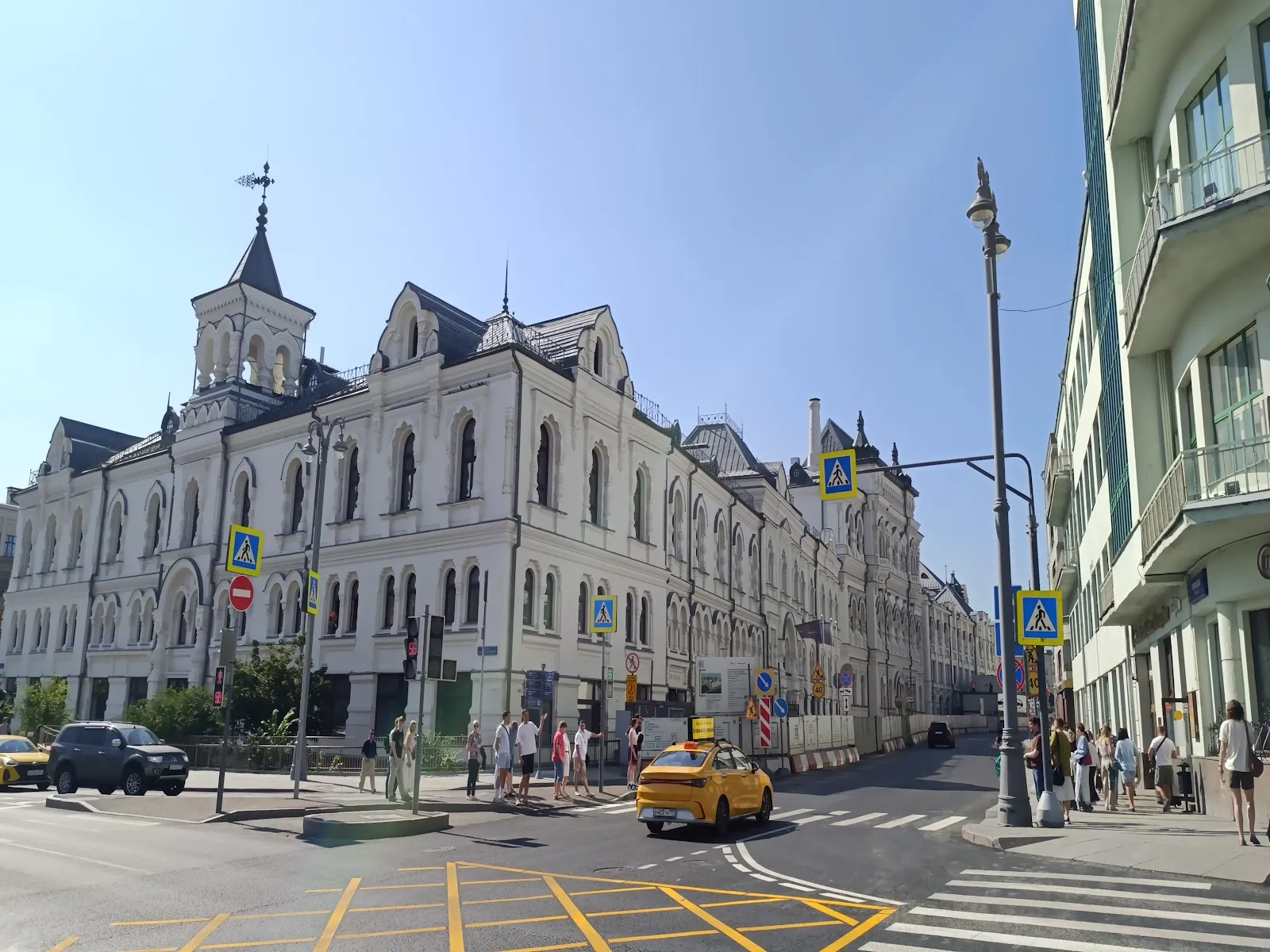
Polytechnical Museum

The museum grew from a 19th-century interest in technical progress and the natural sciences. Its first objects came from the All-Russian Polytechnic Exhibition held in 1872. The institution was initially known as the Museum of Polytechnic Knowledge.

The collections connect developments in science and technology with specific objects, from historical instruments to artifacts from the space age. This makes the visit a way to follow technical ideas through the things built to test, measure and use them.

Interactive exhibits and English options
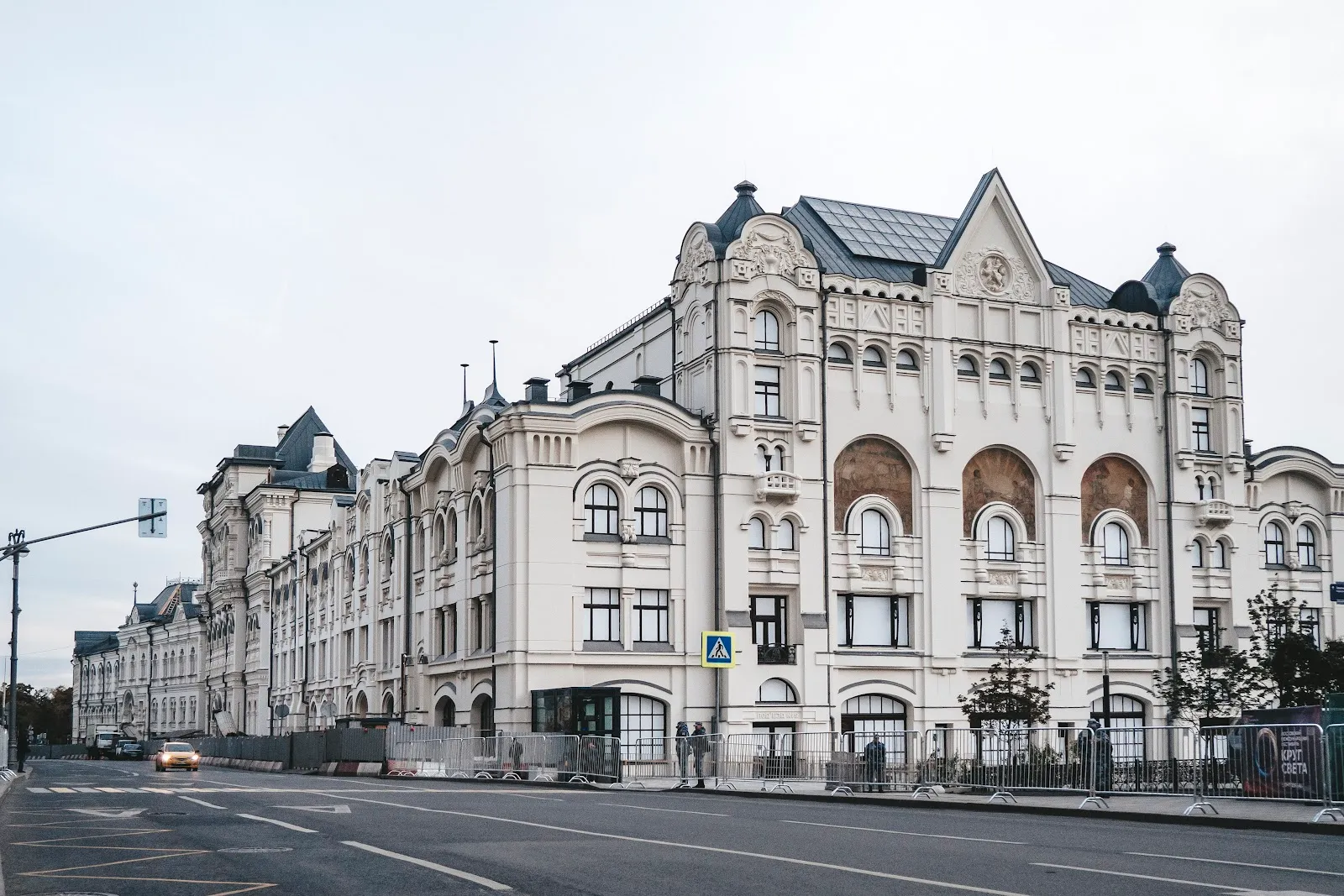
Polytechnical Museum

Interactive displays give visitors a hands-on way to explore scientific topics. Some exhibits use animal-related displays to explain aspects of life in science. The collection also includes the world’s first theremin and a computer that displayed a Russian internet index.

English-language options are available on many displays, which can help you navigate the exhibitions. Some interactive items may not be working, so plan to enjoy the collections and exhibits that are available rather than relying on every activity.

FAQ

What can you see at the Polytechnical Museum?

The collections include historic scientific instruments, space-age artifacts and the world’s first theremin. Interactive exhibits cover scientific topics, including displays related to animals.

Are there English-language displays?

Many exhibits have an English-language option, and practical English signs are available.

Is the museum suitable for children?

The interactive exhibitions give children activities to explore alongside the historic objects.

When is a good time to visit?

A weekday outside peak hours may mean fewer queues. Check the museum website for maintenance or renovation closures before going.

More must-sees in Moscow

Explore all