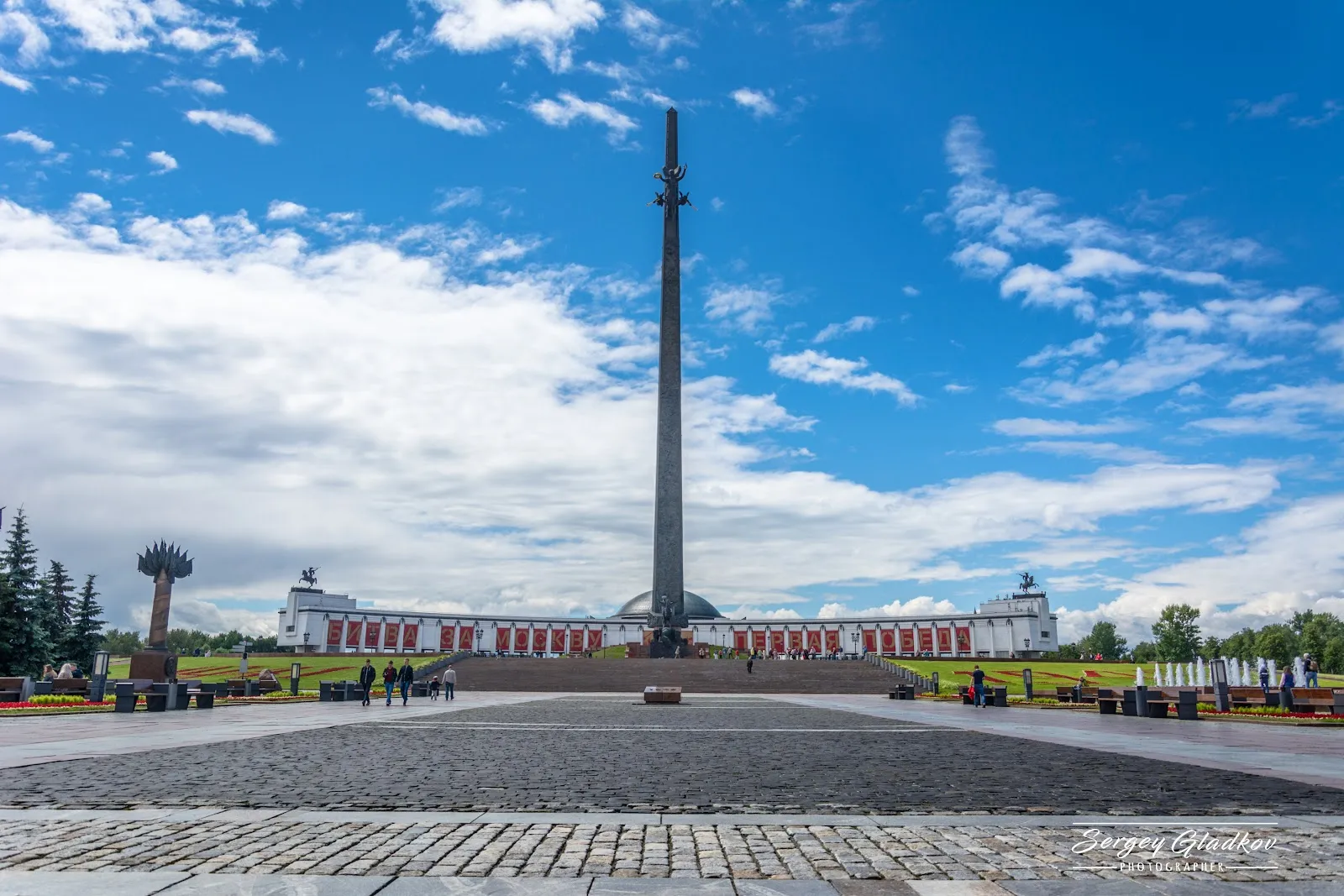
Poklonnaya Hill is the setting for Victory Park, a large Moscow memorial complex dedicated chiefly to the Soviet experience of the Second World War. Walk among its monuments, visit the museum’s battle scenes and wartime objects, and see the outdoor display of military vehicles and equipment. The grounds also include a Holocaust memorial sculpture, places of worship commemorating soldiers, paths, and a children’s play area. In spring, flowers and leafy trees line the paths; the elevated site also gives views across Moscow.
A memorial complex in Victory Park
Poklonnaya Hill is the site of Victory Park, a memorial complex dedicated mainly to the Soviet victory in the Great Patriotic War, the Russian name for the Second World War. The park’s memorials also recall other conflicts, including the war against Napoleon’s army.
The complex commemorating the 50th anniversary of victory was opened on May 9, 1995. Construction had begun in 1984. The landscape was changed during the work: part of the original hill was removed, and earth was added to raise the site.
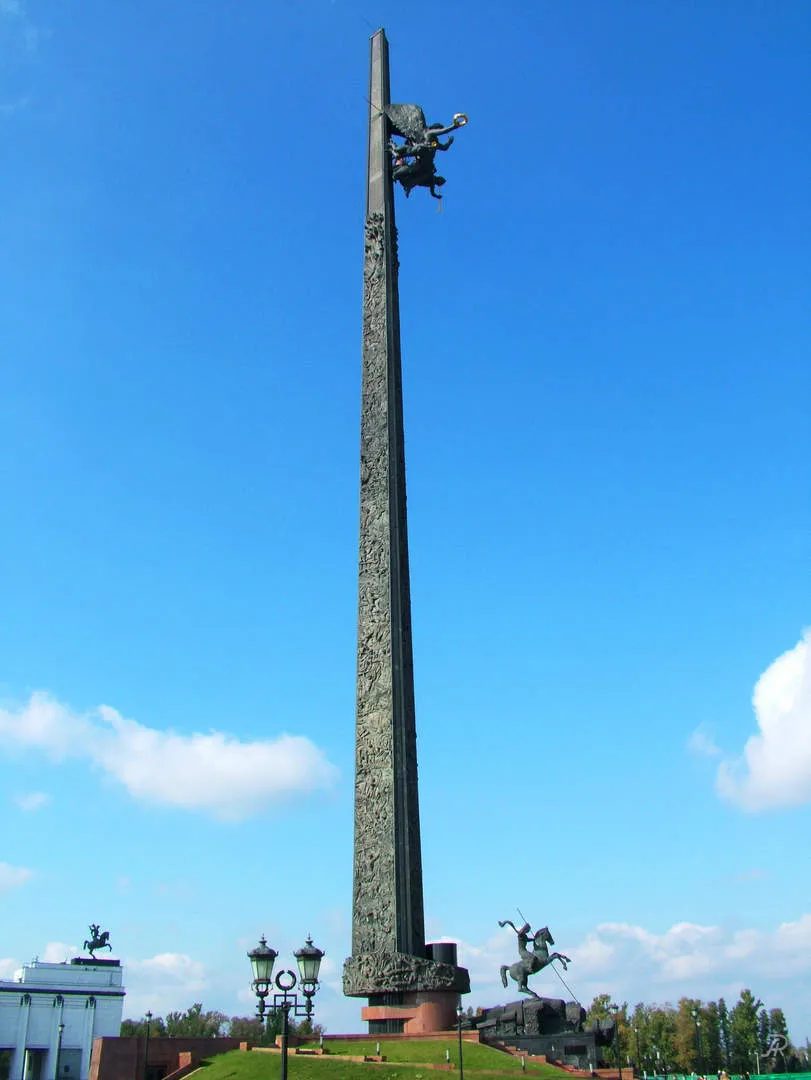
The central memorial is an obelisk 142 metres high, topped by a statue of Nike, the Greek goddess of victory. A museum and other memorial buildings stand nearby. The complex also includes a Holocaust memorial sculpture, a mosque and a synagogue connected with the wartime dead.
Inside the Second World War museum
The museum focuses on the war’s battles and human cost. Its displays include dioramas depicting major encounters, from Stalingrad to Berlin, as well as objects connected with civilian life and military service. The collection covers Soviet, Allied and enemy equipment and experiences, including life before and after the war.
The displays document Soviet participation in the conflict and also address the Allies’ efforts. Some exhibition text is in English, though English coverage is not complete. Visitors interested in reading the displays should leave time to move through the galleries rather than treating the museum as a quick stop.
The outdoor collection and park paths
Military machinery is displayed outside the museum, including equipment used on land, at sea and in the air. The collection includes Soviet, Allied and enemy vehicles and arms. One ticket option has been reported to include access to the aircraft and weapons areas; confirm the areas covered at the museum before purchasing.
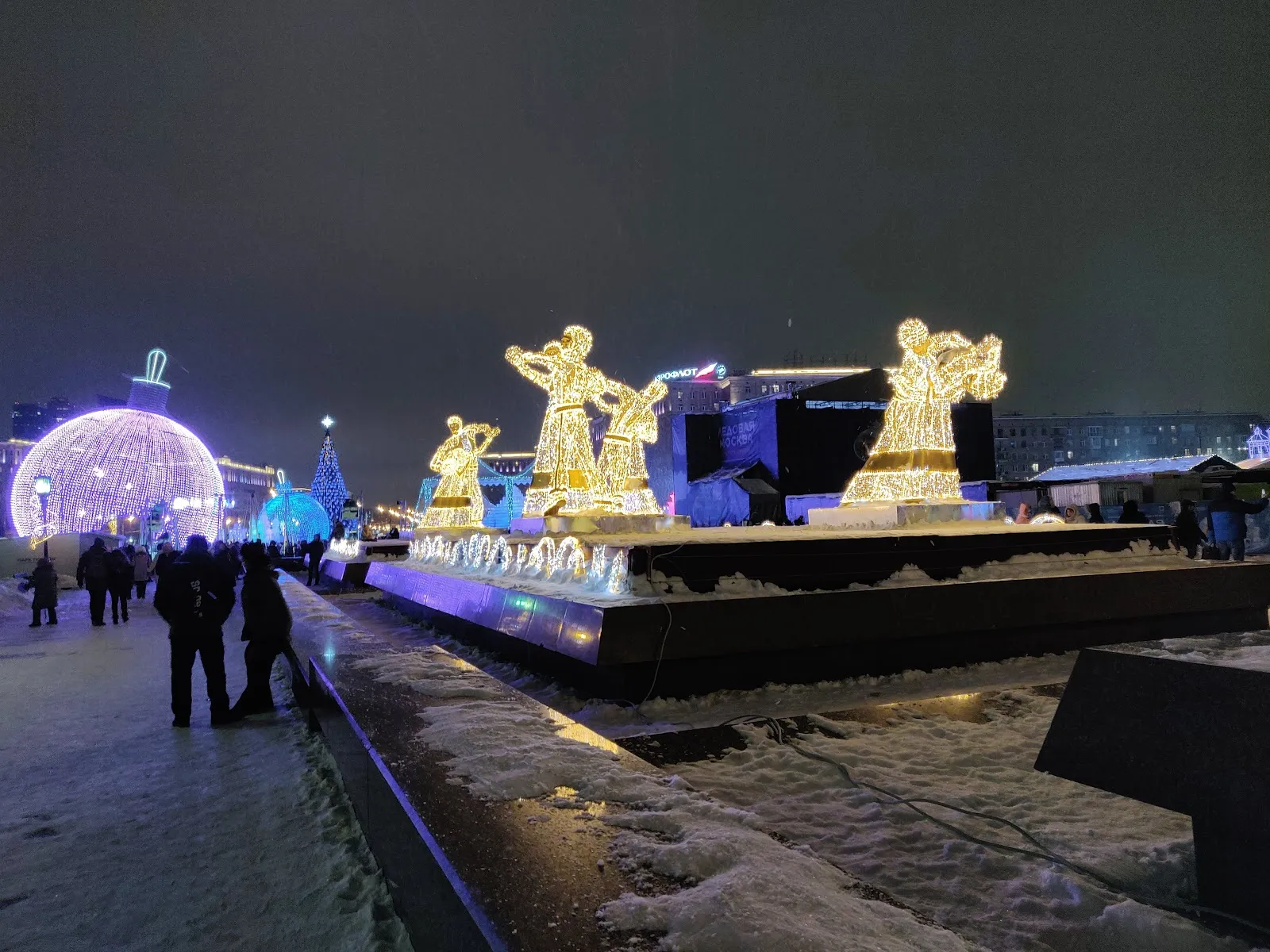
Beyond the museum, paths lead through the park to other memorials and open spaces. A children’s play area makes the grounds a practical family stop, while cafes, coffee shops and ice cream outlets provide places to pause. In spring, flowers and green trees add colour along the routes. Fountains near the memorial stele are illuminated at night, and the hill’s elevated position gives views over Moscow.
FAQ
What is Poklonnaya Hill known for?
It is home to Victory Park, a memorial complex dedicated chiefly to the Soviet victory in the Second World War, with monuments, a museum and outdoor military displays.
What can you see in the museum?
The museum has wartime objects and dioramas depicting major battles, including Stalingrad and Berlin. Its displays cover Soviet participation and the Allies’ efforts.
How long should I spend at Poklonnaya Hill?
Allow at least two hours for a visit. The museum and extensive outdoor grounds can take much longer, and families may choose to explore over two days.
Is there an outdoor military display?
Yes. Military equipment from the Soviet, Allied and enemy sides is displayed outside, including machinery for land, sea and air.