Apothecary Garden is a botanical garden on Prospekt Mira in Moscow, founded by Peter the Great in 1706 to grow medicinal plants. Its outdoor beds and greenhouses now hold plants from around the world, from seasonal flowers to palms, cacti and succulents. Come for the tulip displays in spring, then explore the tropical greenhouse and themed rooms, including a cactus room and a mini aquarium. There are also cafes and restaurants in the garden, so you can make a longer stop of your walk.
A garden founded for medicinal plants
Peter the Great established the garden in 1706, when this area lay beyond Moscow’s northern edge. Its original purpose was to cultivate medicinal plants. The collection first served the Apothecary Prikaz, then the Moscow Hospital and the Medico-Surgical Academy. Plants grown here supplied ingredients for medicines and were used to teach botany to medical students.
The garden is now under the jurisdiction of Lomonosov Moscow State University. Its original role explains the name, though the planting has expanded well beyond medicinal herbs. It is described as Russia’s oldest botanical garden.
Greenhouses, flowers and themed rooms
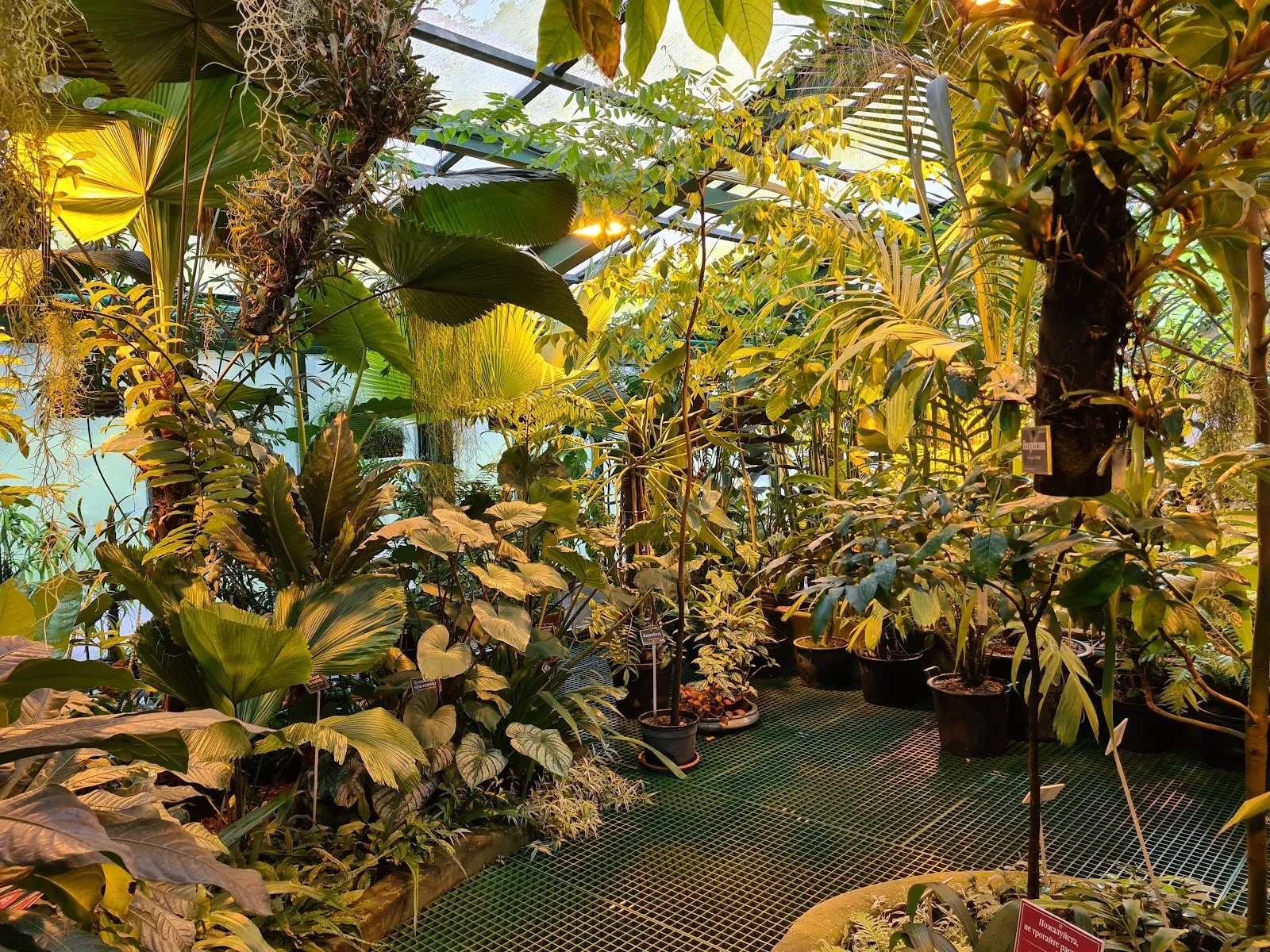
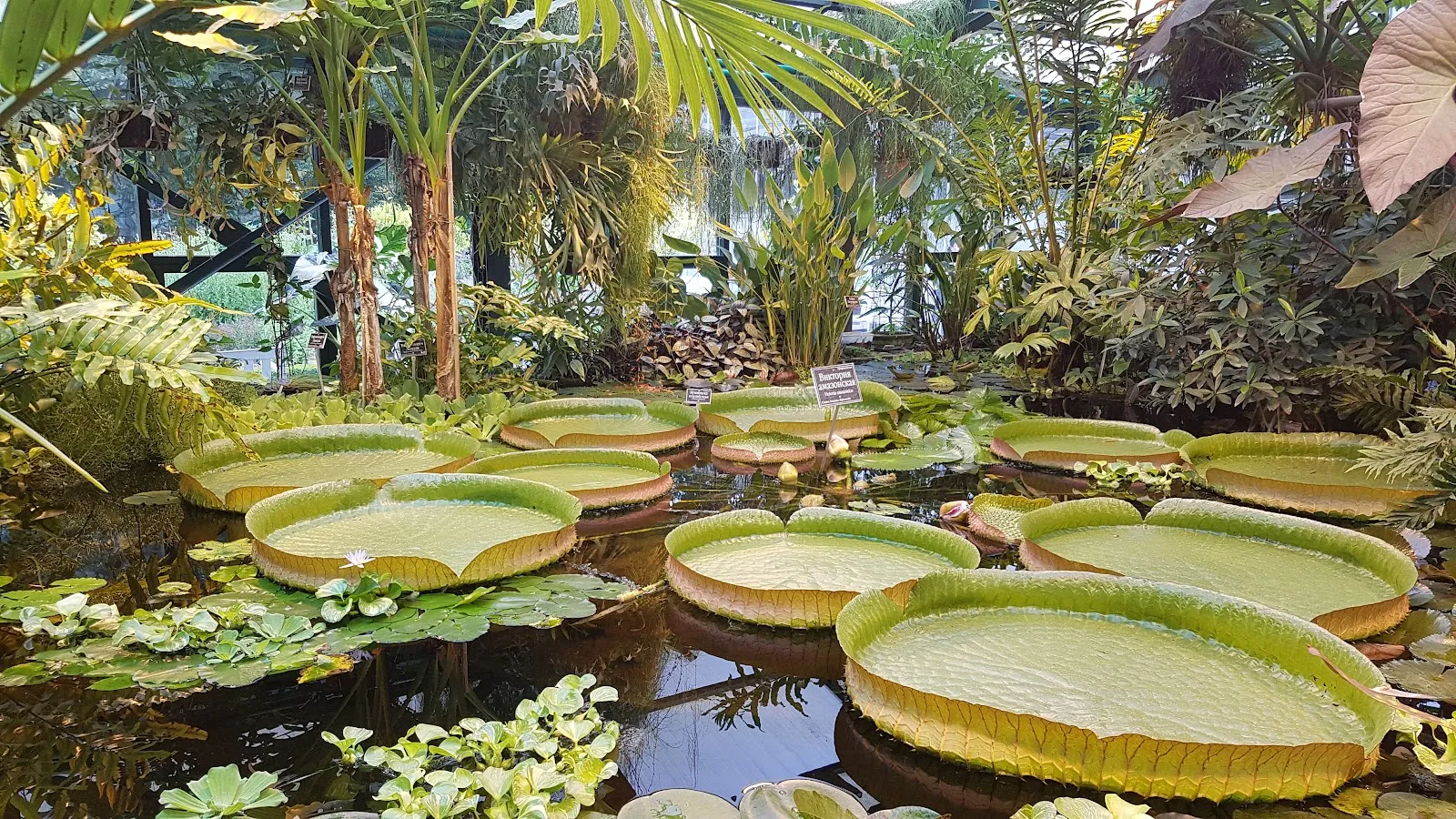
The garden combines outdoor planting with several greenhouses. Seasonal displays bring tulips and other flowers into focus in spring; the collection also includes palms, cacti and succulents. The tropical greenhouse is a highlight for its dense, jungle-like planting. Themed rooms include a cactus room, a tropical room, an insect room and a mini aquarium room.
The grounds have fountains, and the garden’s attractions include a Japanese-style pavilion and a koi pond. Flower displays and festivals change with the season, so the garden’s outdoor character can differ substantially across the year. In spring, visitors come for tulips and flowering trees; other parts of the collection are housed in the greenhouses.
FAQ
When was Apothecary Garden founded?
Peter the Great established it in 1706 as a garden for growing medicinal plants.
What can you see at Apothecary Garden?
The garden has outdoor plantings and greenhouses, including tropical plants, cacti and succulents. There are also themed rooms, fountains and a mini aquarium.
When is the best time to see the tulips?
Visit in May for the tulip displays and spring blossoms.
Is Apothecary Garden accessible?
The entrance and parking are listed as wheelchair accessible.