Plan a trip
Language: English
Trip plannerPlan your trip on a map

Top destinations

EnglishDeutschFrançaisEspañolPortuguêsPortuguês (BR)Italiano
Travel advisory · MexicoCopper Canyon is in or near an area where governments advise against all but essential travel: Chihuahua.Advice depends on your passport. Read your own government's advice before you book.Official advice
Areas with warnings
  • Colima · avoid all travel · Canada, Germany, France, UK
  • Guerrero · avoid all travel · Canada, Germany, Spain, France, New Zealand, UK
  • Sinaloa · avoid all travel · Canada, Germany, Spain, France, New Zealand, UK
  • Chiapas · avoid non-essential travel · Canada, Spain, France
  • Chihuahua · avoid non-essential travel · Canada, France, UK
  • Federal Highway 199 San Cristóbal de las Casas–Palenque · avoid non-essential travel · France, UK
  • Guanajuato, south of Highways 43D and 45D · avoid non-essential travel · Canada, New Zealand
  • Guatemala border region, Chiapas · avoid non-essential travel · Germany, France, New Zealand
  • Lagunas de Zempoala National Park · avoid non-essential travel · Canada, New Zealand
  • Michoacán · avoid non-essential travel · Canada, Germany, New Zealand, UK
  • Nayarit, within 20 km of Sinaloa and Durango border · avoid non-essential travel · Canada, New Zealand
  • Nuevo León, except Monterrey · avoid non-essential travel · Canada, New Zealand
  • Piedras Negras · avoid non-essential travel · Spain, France
  • Route 85 Monterrey–Nuevo Laredo · avoid non-essential travel · Spain, France
  • Sonora · avoid non-essential travel · Canada, New Zealand
  • Tamaulipas · avoid non-essential travel · Canada, France, UK
  • Tecate · avoid non-essential travel · France, UK
  • Tijuana · avoid non-essential travel · France, UK
  • US border region · avoid non-essential travel · Germany, Spain, France
  • Zacatecas · avoid non-essential travel · Canada, Germany, Spain, France, UK

Also named by one government: Celaya–Irapuato–Salamanca triangle, Guanajuato (France), Culiacán and surrounding area (France), North of Ciudad Victoria, Tamaulipas (Germany), Route 129 Martinez de la Torre–Teziutlán (France), Route 131 Tapacoyan–Perote (France), Route 180 Martinez de la Torre–Papantla secondary roads (France), Route 40 Monterrey–Reynosa (France), Southern Michoacán from Uruapán to the coast (France), Acapulco (France), Baja California, except Tijuana and Tecate (France), Ciudad Acuña (Spain), Ciudad Juárez and surrounding area (Spain), Ciudad Obregón (France), Coahuila, except southern part (New Zealand), Coatzacoalcos (France), Colonias north and north-east of the Zócalo, Mexico City (France), Durango (France), East Nuevo León, bordering Tamaulipas (France), Guanajuato (Spain), Guanajuato, Highway 45 between León and Irapuato (New Zealand), Guanajuato, south-west of Highway 45D (UK), Jalisco, within 50 km of Michoacán border (Canada), Monclova (Spain), Morelos (France), Nayarit (France), Nogales (France), Non-tourist rural areas of Baja California (Spain), Non-tourist rural areas of Chihuahua (Spain), Non-tourist rural areas of Coahuila (Spain), Non-tourist rural areas of Durango (Spain), Non-tourist rural areas of Sonora (Spain), Northern municipalities of Jalisco (UK), Northern Tamaulipas from San Fernando to US border (Spain), Northern Veracruz bordering Tamaulipas (Spain), Northern Veracruz from Martinez de la Torre (France), Route 150D Puebla–Orizaba (France), Route 190 Oaxaca–Santo Domingo Tehuantepec (France), Route 85 and 83 Monterrey–Ciudad Victoria–Tampico (France), Route 95 Mexico City–Cuernavaca (France), Selva Lacandona (France), South and south-west of Lake Chapala, Jalisco (UK), South-west Jalisco and Los Altos, except Puerto Vallarta (France), South-west Michoacán (France), South-west Tamaulipas (France), Southern Guanajuato state (France), Southern Michoacán south of Morelia (Spain), Strip within 40 km of Guatemalan border, Chiapas (UK), Tepic (New Zealand), Toluca (France), Veracruz city (France)

GovernmentAdviceUpdatedRead the advice
United Kingdom (FCDO)No advice against the whole country (regional advisories)–Read the advice
United States (State Dept)Exercise increased cautionMay 29, 2026Read the advice
Canada (Global Affairs)Exercise a high degree of caution (regional advisories)–Read the advice
Germany (Auswärtiges Amt)Besondere Vorsicht walten lassen (Sicherheitslage) (regional advisories)Oct 19, 2026Read the advice
New Zealand (SafeTravel)Exercise increased caution (regional advisories)–Read the advice
France (Ministry for Europe and Foreign Affairs)Vigilance renforcée pour le reste du pays (regional advisories)–Read the advice

Checked daily from the governments' published advice; last checked Nov 2, 2026. RoamLedger summarises official advice; it is not advice from any government.

Museo del Desierto
Museum

Museo del Desierto

Museo del Desierto in Saltillo covers Chihuahuan Desert fossils, minerals, live wolves and reptiles, and a cactus garden. Plan about 3 hours.

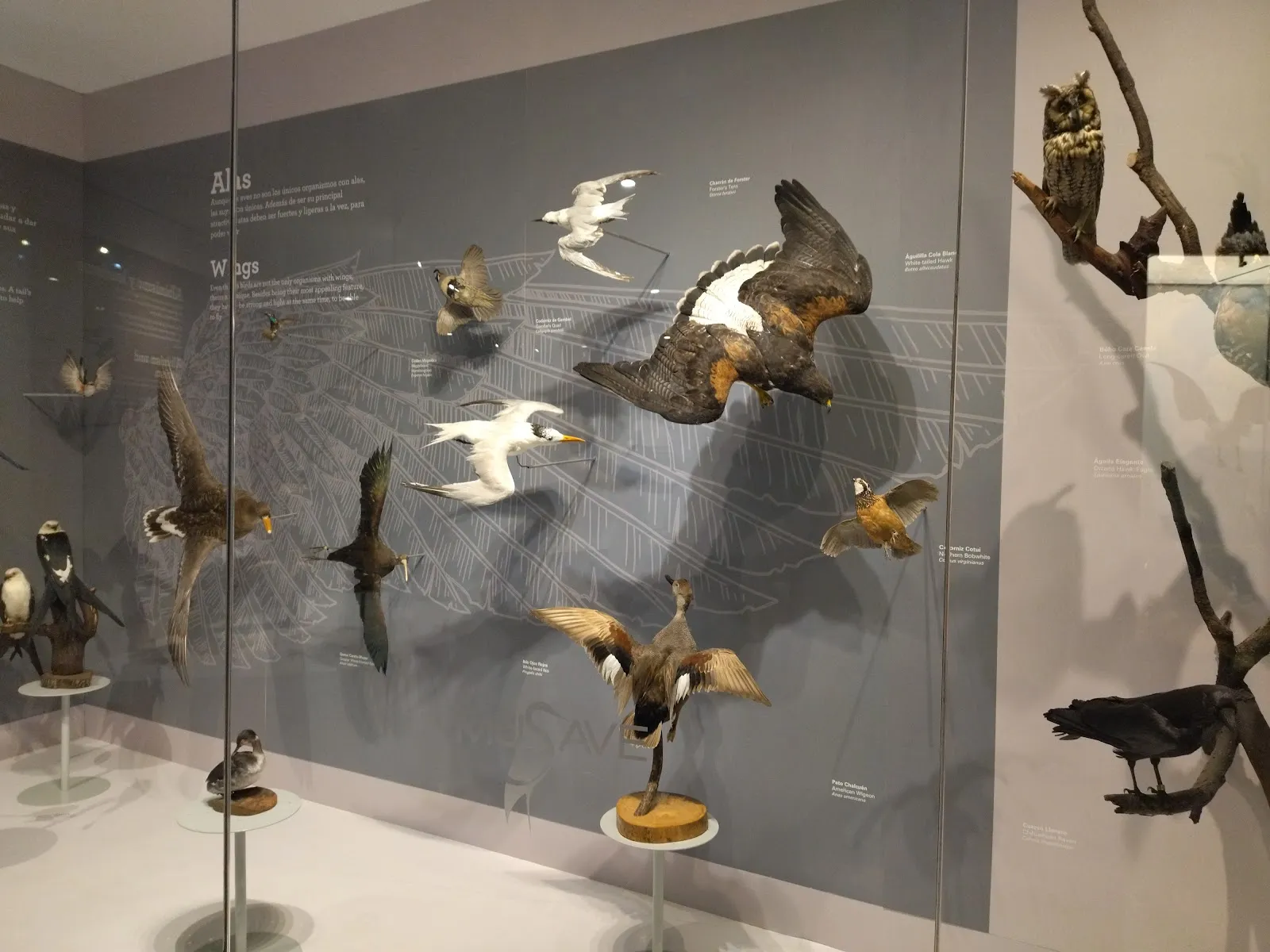
Museo del Desierto is a natural history museum in Saltillo, in the state of Coahuila, opened in 1999 inside Parque Las Maravillas. It is devoted to the Chihuahuan Desert, the largest desert in North America, and brings paleontology, geology, biology, anthropology, history and art together in one visit. You see dinosaur skeletons, regional fossils, minerals and a crystal cave, then meet live animals including reptiles, prairie dogs and wolves. The exhibits are easy to follow even if you do not read Spanish, and an English audio guide is available. The museum is about 15 minutes outside the city centre.

A museum built around one desert
Museo del Desierto
Museo del Desierto

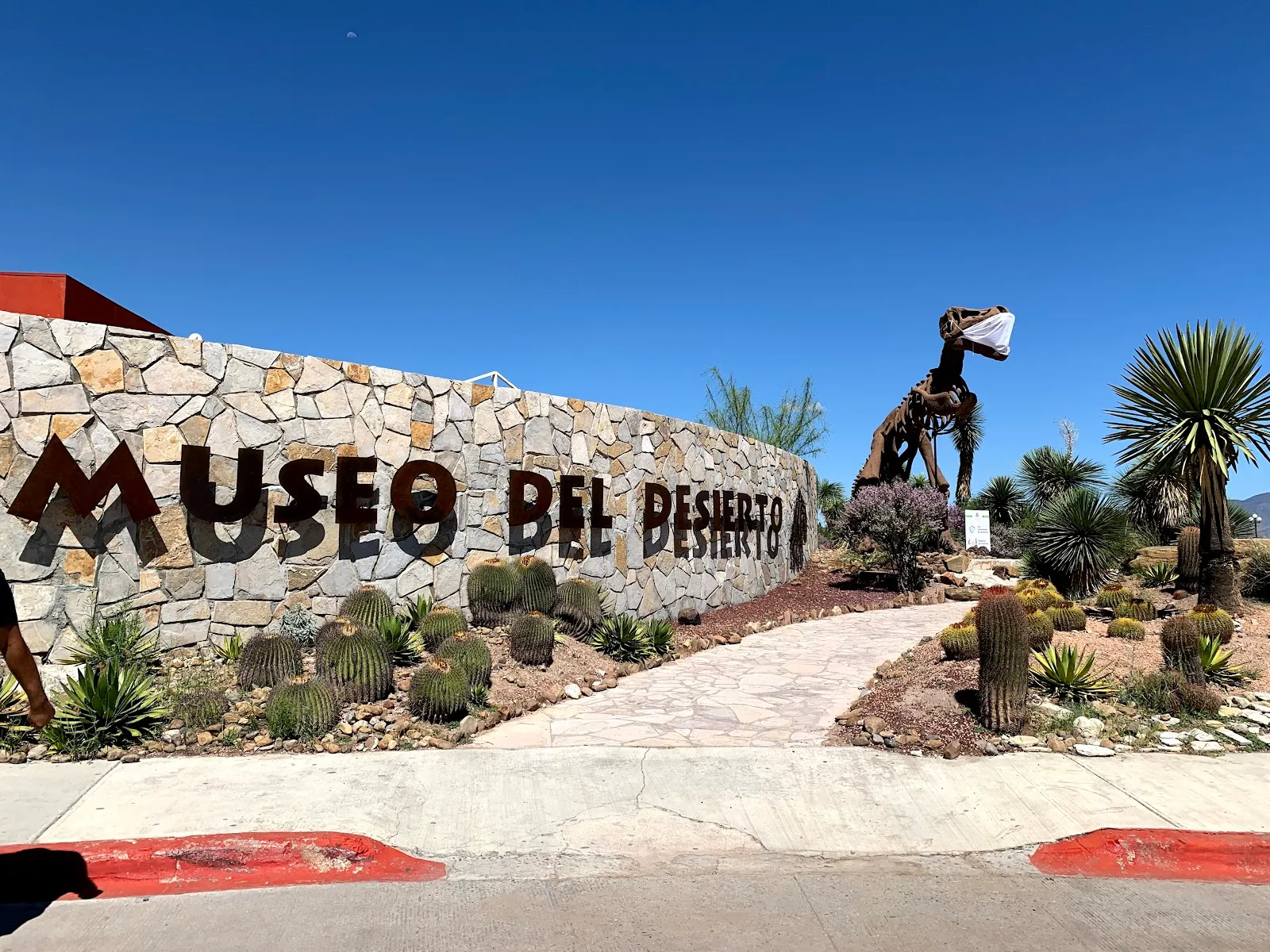
The Museo del Desierto opened in 1999 in Saltillo and is counted among the most important museums in northern Mexico. Its subject is the Chihuahuan Desert, which is the largest desert in North America. The museum is known for combining several fields in one place: paleontology, geology, biology, anthropology, history and art.

The address is Blvd. Carlos Abedrop Dávila 3745, within Parque Las Maravillas. It lies about 15 minutes outside the centre of Saltillo, so it works best as its own outing rather than a quick stop between downtown sights.

Fossils, minerals and how deserts form
Museo del Desierto
Museo del Desierto

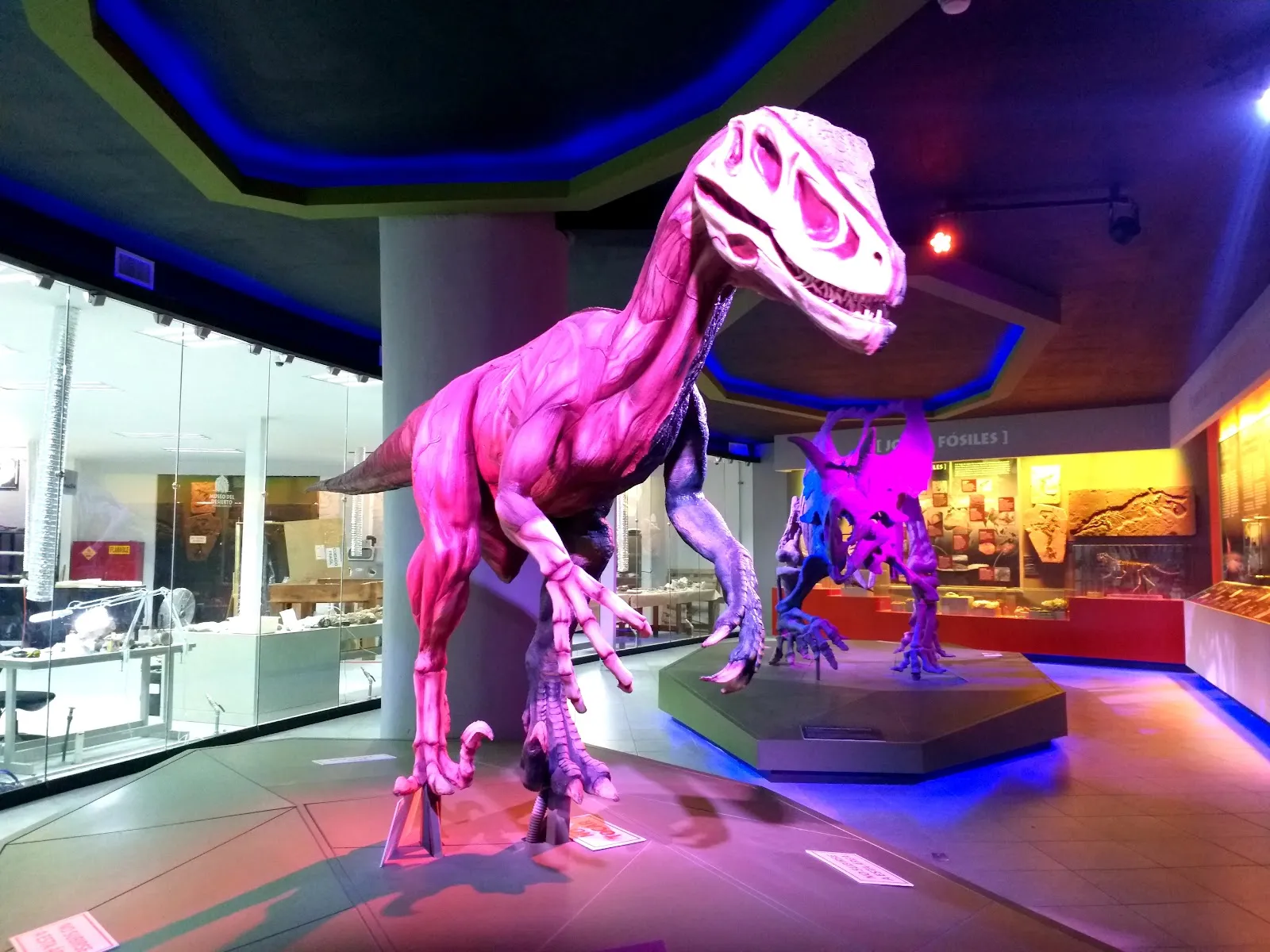
The exhibits explain why sea currents can create deserts and how sand dunes are formed. There is a collection of fossils from the region and a large display of dinosaurs, with a Tyrannosaurus rex that draws children in particular. Rooms on geology and minerals include a crystal cave you can walk through.

Another part follows the history of humankind from the Big Bang to the present through presentations. Text and displays are clear enough that visitors who do not speak Spanish can follow the main ideas.

Animals and the cactus garden

The museum keeps live animals as well as specimens. You can see a reptile house, prairie dogs and wolves, which shows how animals live in desert conditions.

The botanical garden has more than 400 species of cactus. A nursery on the grounds sells cacti, so you can take a plant home if you wish.

Planning your visit

Admission is charged, and buying tickets ahead is recommended. Parking is paid, both in the lot and on the street. The site has a coat check, a gift shop, a cafe and a restaurant, so you can stay through a long visit.

The museum suits families. It has changing tables, gender-neutral restrooms, and a wheelchair accessible entrance, restroom and parking lot. Guided tours are offered. Live performances and private events are also held on site.

FAQ

Is there an entry fee at Museo del Desierto?

Yes, admission is charged. One recent figure was close to 15 US dollars. Buying tickets in advance is recommended.

How long do you need at Museo del Desierto?

Plan about 3 hours to see all the exhibits, the live animals and the garden.

Is there an English audio guide?

Yes. Scan the QR code on site with the Spotify app to listen to the English guide.

Is the museum good for children?

Yes. Dinosaurs, live animals and a crystal cave suit children, and the site has changing tables and family facilities.

How far is the museum from central Saltillo?

It is about 15 minutes outside the centre, in Parque Las Maravillas. The museum is closed on Mondays.
More must-sees in Copper Canyon

Explore all