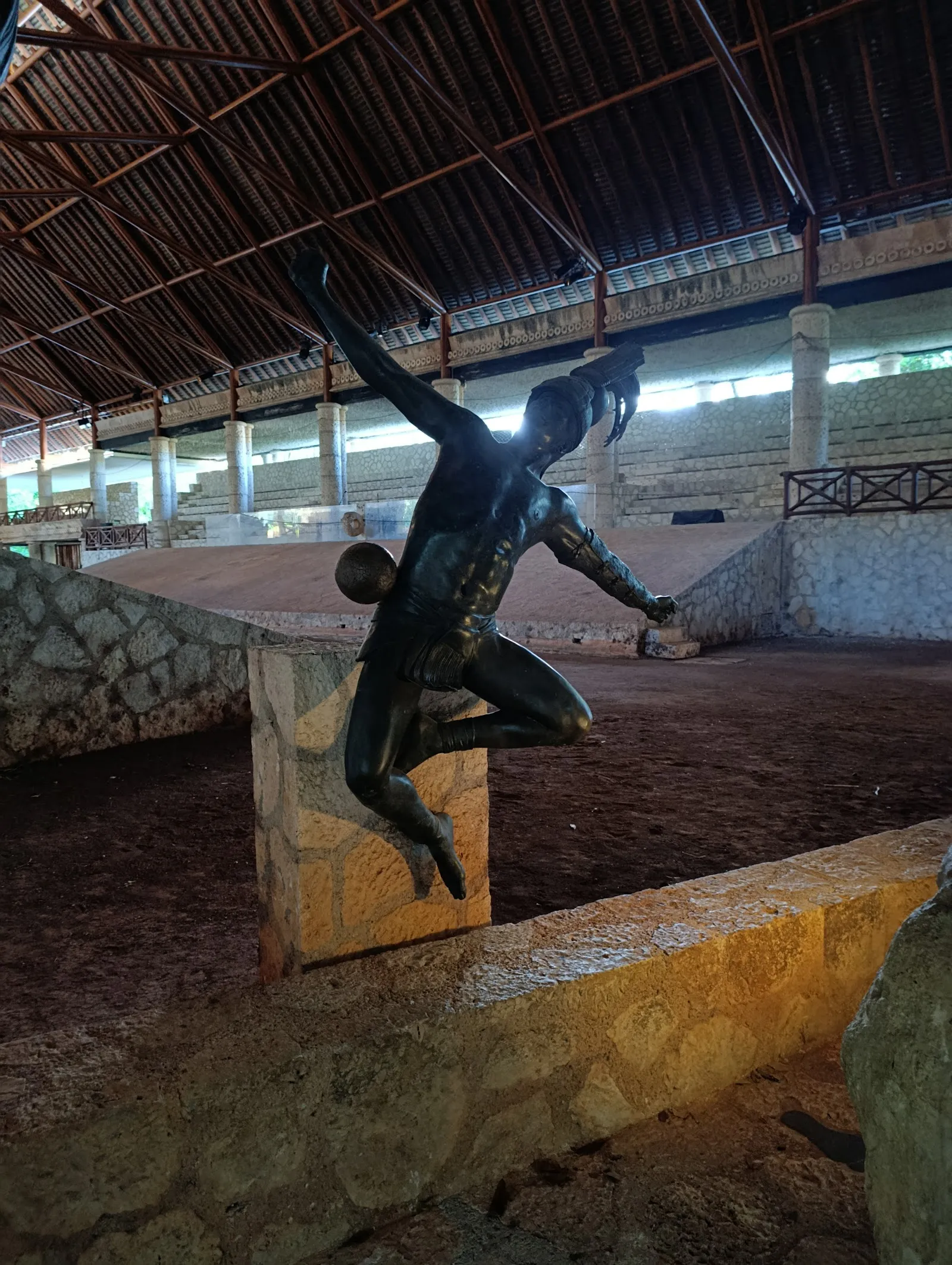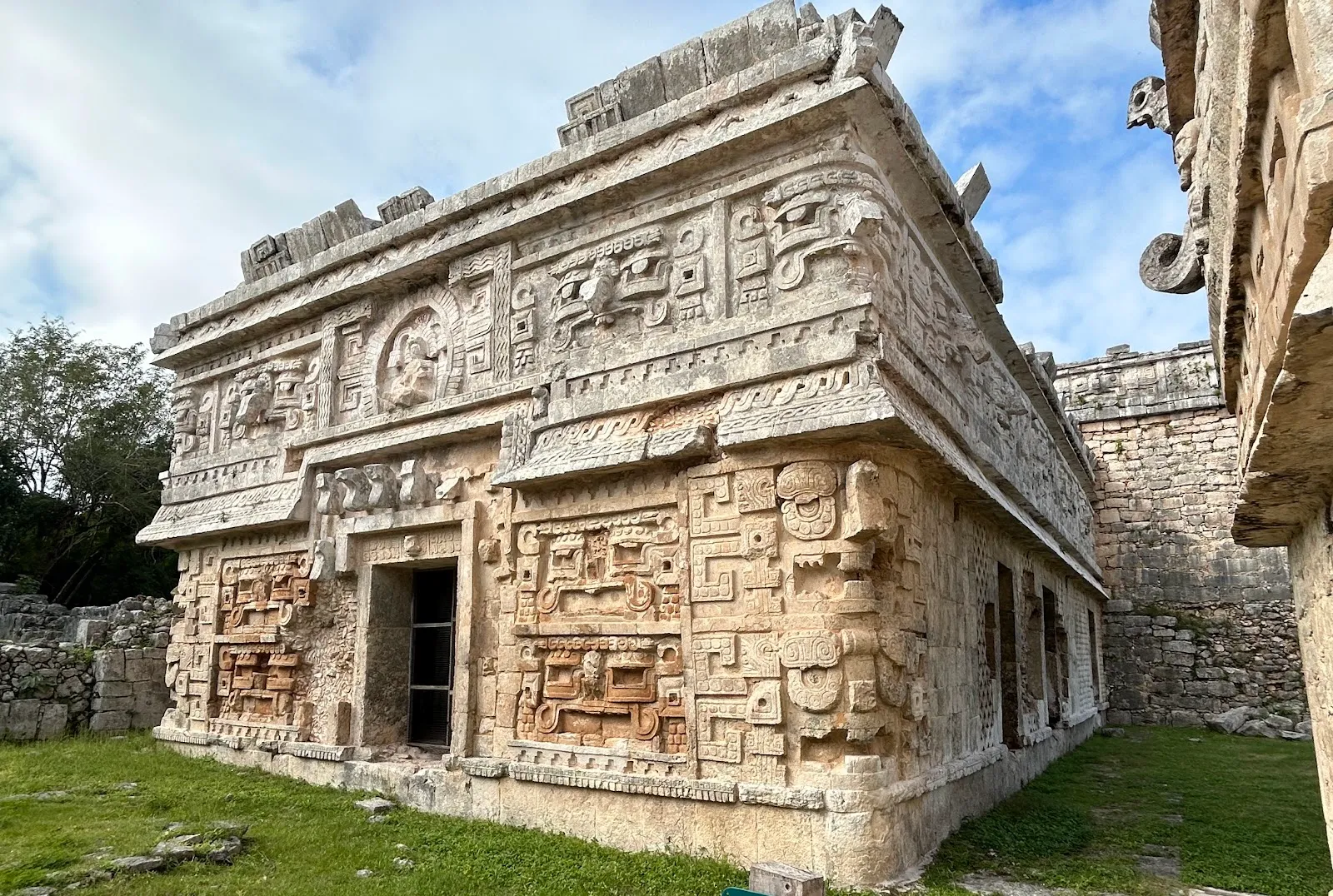
Grupo de las Monjas, or the Nunnery Complex, is a cluster of buildings at Chichén Itzá, named by the Spanish for its many rooms. It was not a convent; one account identifies it as a governmental palace. Look closely at the facades, where Puuc and Chenes styles meet in latticework, masks and serpent motifs. One facade is dedicated to the rain god Chaac, and carved lintels bear hieroglyphic writing dated to 880 A.D. A ball court lies to the south, and El Caracol is nearby.
A name from the Spanish period
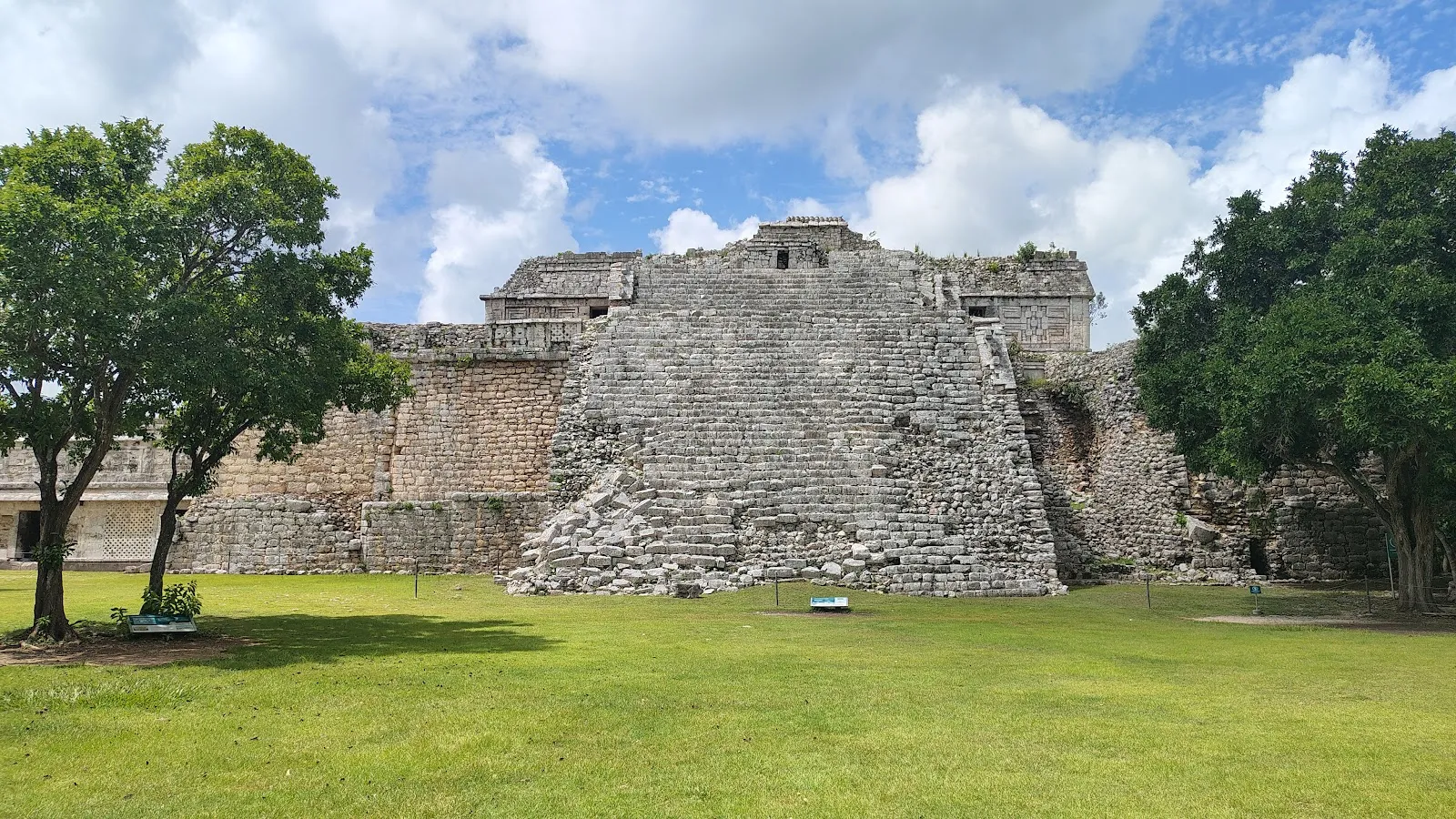
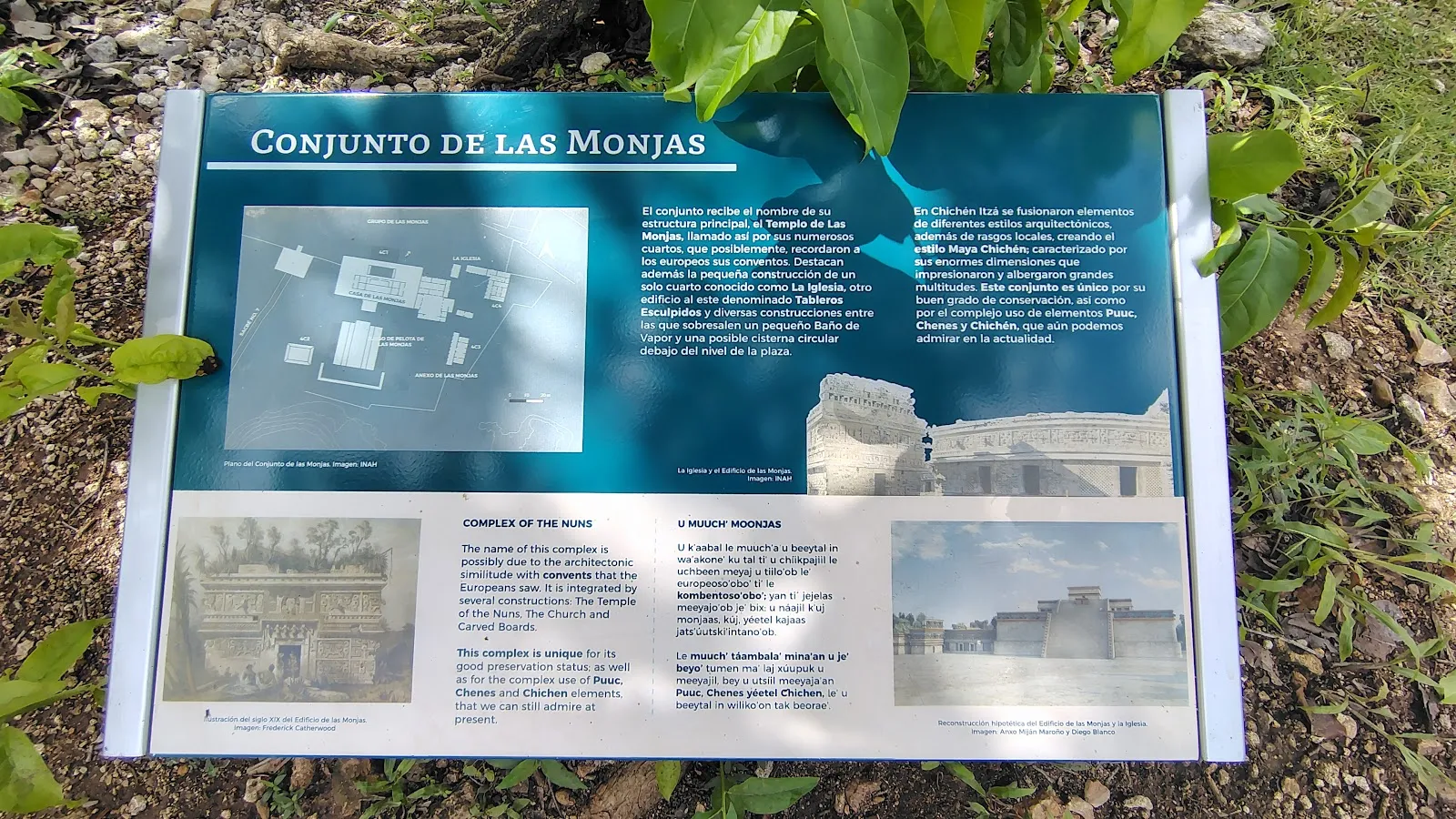
The Spanish name, meaning the Nunnery Complex, refers to the buildings’ many rooms, which reminded them of a convent. The complex was not a nunnery; one account identifies it as a governmental palace. Its rooms and successive additions give the group its distinctive scale.
The complex occupies the southern end of the great square at Chichén Itzá. It developed through a long sequence of extensions, with a later building raised over an older one. An early 20th-century archaeologist used dynamite to expose part of the earlier structure beneath the exterior.
Carved facades and nearby structures
Puuc and Chenes design elements appear across the facades. Look for latticework, masks and serpent motifs, as well as a facade devoted to Chaac, the rain god. Some stonework remains well preserved. Hieroglyphic inscriptions on lintels are dated to 880 A.D.
A ball court is located south of the complex. El Caracol, also known as the Observatory, is nearby. Allow time to study the carved details, and consider a guide if you want more historical context. Bring water and sunscreen, since shade may be limited.
FAQ
Was Grupo de las Monjas a convent?
No. The Spanish name refers to its many rooms, which reminded them of a convent. One account identifies the complex as a governmental palace.
What architectural details can I see at Grupo de las Monjas?
The facades combine Puuc and Chenes styles, with latticework, masks and serpent motifs. One facade is dedicated to Chaac, and carved lintels bear hieroglyphic writing dated to 880 A.D.
What is near Grupo de las Monjas?
A ball court lies to the south, and El Caracol, also known as the Observatory, is nearby.