Travel advisory · MaliGovernments advise against all travel to Mali.Advice depends on your passport. Read your own government's advice before you book.Official advice
Also named by one government: Outside Bamako (US), Outside Timbuktu (US), Road travel between Gao, Kidal, and Menaka (US)
| Government | Advice | Updated | Read the advice |
|---|---|---|---|
| United Kingdom (FCDO) | advises against all travel to the whole of Mali | – | Read the advice |
| United States (State Dept) | Do not travel to Mali for any reason | Jun 8, 2026 | Read the advice |
| Canada (Global Affairs) | Avoid all travel | – | Read the advice |
| Germany (Auswärtiges Amt) | Reisewarnung: Vor Reisen nach Mali wird gewarnt | Oct 13, 2026 | Read the advice |
| New Zealand (SafeTravel) | Do not travel (level 4 of 4) | – | Read the advice |
| France (Ministry for Europe and Foreign Affairs) | Formellement déconseillé (tout le territoire en zone rouge) | – | Read the advice |
Checked daily from the governments' published advice; last checked Nov 2, 2026. RoamLedger summarises official advice; it is not advice from any government.
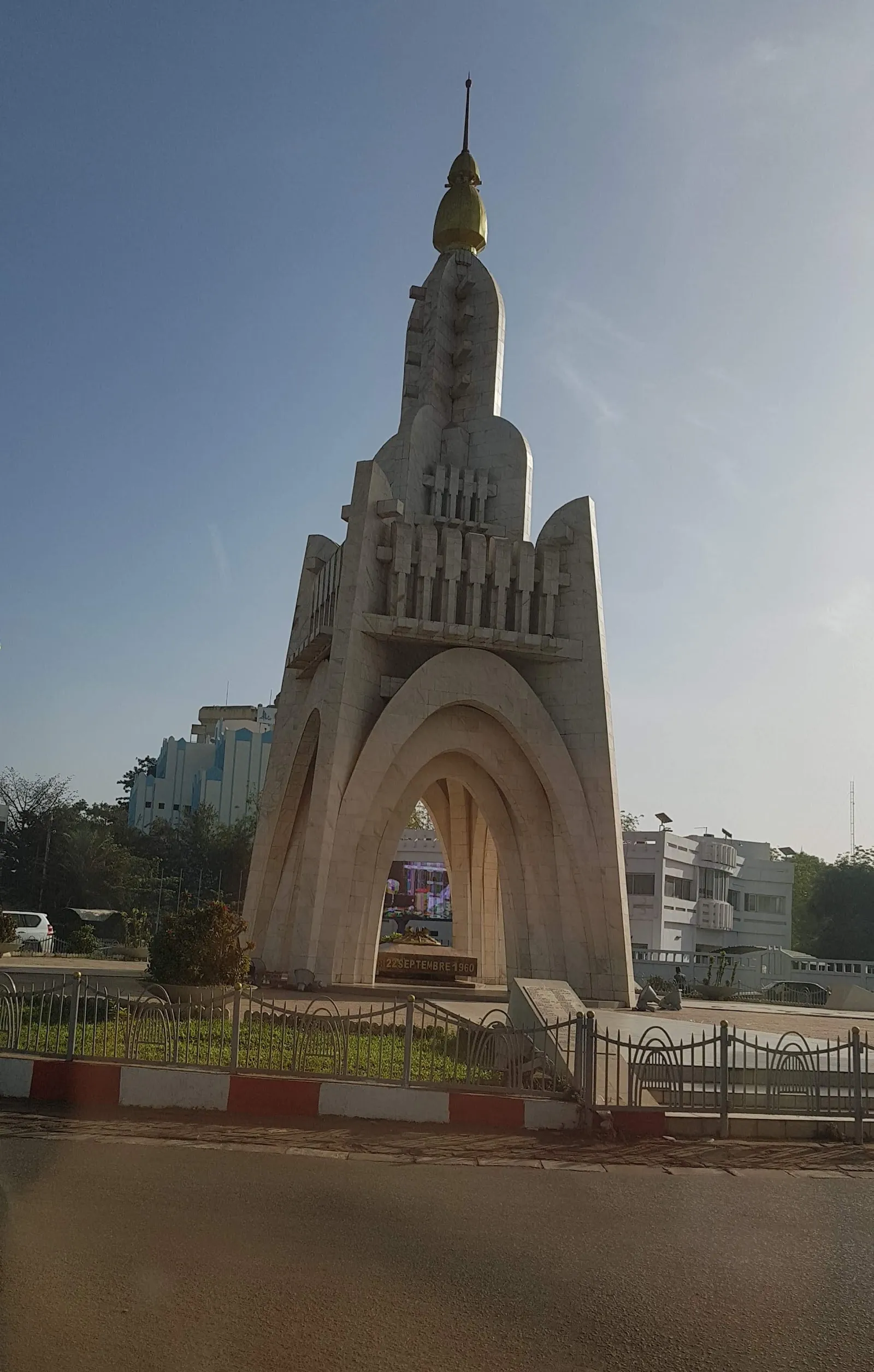
Bamako
Mali's capital, on the Niger River, is known for riverside markets and live music. It suits a short city stop, not a beach or safari trip.
We may earn a commission. It never decides our picks.
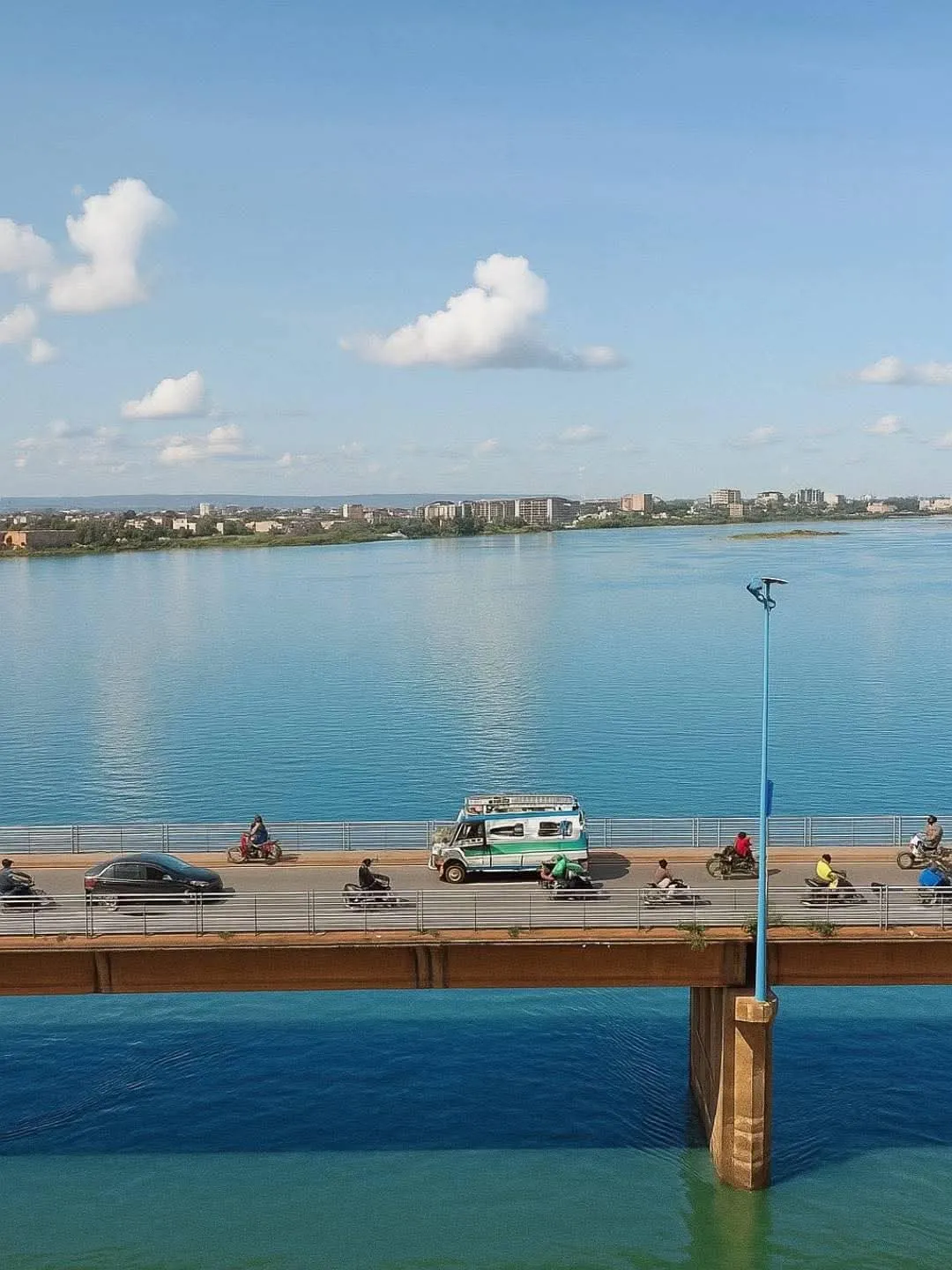
Bamako is the capital of Mali, a landlocked country in West Africa, and the Niger River runs through the city. Its markets sell cloth, food, crafts and household goods. The city is also known for music, with live venues and bars that host Malian musicians, so an evening out is easy to plan.
Bamako suits travelers who want a city of markets and live music, not a long list of sights. Plan two to three days, or add it as a stop on a longer West Africa route. November to February is the dry season and the most comfortable time to walk around. March to May is hot, and June to September is the rainy season. Check your government's travel advice for Mali before you book, since it changes.
Bamako in five
- Check travel advice before you bookGovernments update their travel advice for Mali, and it can change quickly. Read your government's current advice before you buy flights.
- Get a local SIM in BamakoOrange Mali and Malitel both sell SIM cards in the city. Registration needs your passport, so bring it to the shop.Phones and eSIM
- Carry CFA francs for markets and taxisSmall vendors and taxi drivers often take only cash, so change enough francs before you leave the airport area.Money and costs
- Book the airport pickup in advanceModibo Keïta International Airport is in Sénou, outside the center. Ask your lodging to send a driver and agree the fare before you leave the arrivals hall.
- Ask before photographing peopleMarkets and the riverside are busy. Ask before you photograph anyone, and accept a no.

Need to know
- Currency
- West African CFA franc (XOF)
- Entry
- Visa needed by most passports; check with a Malian embassy
- Emergency
- Confirm emergency numbers with your embassy before you travel
- Tipping
- Not required; rounding up a taxi fare is an option
- Time
- UTC+0, no daylight saving
Weather by month
- Best
- Good
- Mixed
- Poor
- JanuaryHarmattan haze
- FebruaryDry, dusty
- MarchHot, hazy
- AprilVery hot
- MayHottest, dry
- JuneRains start
- JulyRainy season
- AugustRainy season
- SeptemberRains ending
- OctoberCooling, dry
- NovemberCool, dry
- DecemberCool, dry
Right now in Bamako
Local time, today's weather and the exchange rate, refreshed through the day.

27
- Feels like
- 30°
- Humidity
- 65%
- Wind
- 4 km/h
- Chance of rain
- 2%
Bamako
12:04 AM
Tuesday, November 3
- Today34°23°2%Tuesday: Cloudy. High 34°, Low 23°. Chance of rain 2%.
- Wed34°23°2%Wednesday: Cloudy. High 34°, Low 23°. Chance of rain 2%.
- Thu36°25°0%Thursday: Cloudy. High 36°, Low 25°. Chance of rain 0%.
- Fri37°24°0%Friday: Partly cloudy. High 37°, Low 24°. Chance of rain 0%.
- Sat36°24°0%Saturday: Cloudy. High 36°, Low 24°. Chance of rain 0%.
- Sun34°24°0%Sunday: Clear. High 34°, Low 24°. Chance of rain 0%.
Updated 09:15 PM local time · Weather data by Open-Meteo.com
Money
Mid-market rate1 USD = 587.8 XOF
Rates from Nov 2, 2026 · Rates By Exchange Rate API
Day trips by train
- Koulikoroabout 1 hour by roadA small river port on the Niger, an easy trip for a half day.
- Sibyabout 1 to 1.5 hours by roadHills and rock formations south of the city, best seen with a car that can handle a rough road.
- Ségouabout 3 to 4 hours by roadA river town on the Niger with a market and fishing boats.
Before you go to Bamako
Rules for Bamako, checked
- Most nationalities need a visa for Mali. Check with the Malian embassy or consulate in your country before you book.
- Carry your yellow fever vaccination certificate. Border officials may ask for it, especially if you arrive from a country where yellow fever is present.
- Ask permission before photographing people, government buildings and military sites.
- Some mosques in Mali do not admit non-Muslims, so ask at the door before you go in.
Plan around Bamako
Regions, entry rules, transport and money for a Mali trip
Read the guideVisas and entryWho needs a visa and what to carry at the border
Read the guideMoney and costsTypical prices and how to pay in CFA francs
Read the guideGetting aroundTaxis, shared minibuses and day trips by road
Read the guideWhere to stayNeighborhoods in Bamako and what to expect in each
Read the guideMusic in BamakoWhere to hear live music and what to expect
Read the guideBamako FAQ
Is Bamako worth visiting?
Yes for a few days if you want the river, the markets and live music. Check your government's travel advice and your visa first, since either can stop a trip.
Is Bamako safe?
Check your government's travel advice for Mali before you book, since several advise against travel to parts of the country. The advice changes, so read it again before you leave.
How do you get from the airport to central Bamako?
Take a pre-arranged car or a taxi from Modibo Keïta International Airport in Sénou. Ask your lodging to arrange a pickup and agree the fare before you leave the arrivals hall.
How many days do you need in Bamako?
Two to three days covers the Grand Marché, the National Museum and the Pont des Martyrs over the Niger. Add an evening if you want live music.
When is the best time to visit Bamako?
November to February is the cooler, drier season, though the harmattan dust can haze the air in December and January. March to May is very hot, and June to September is the rainy season.