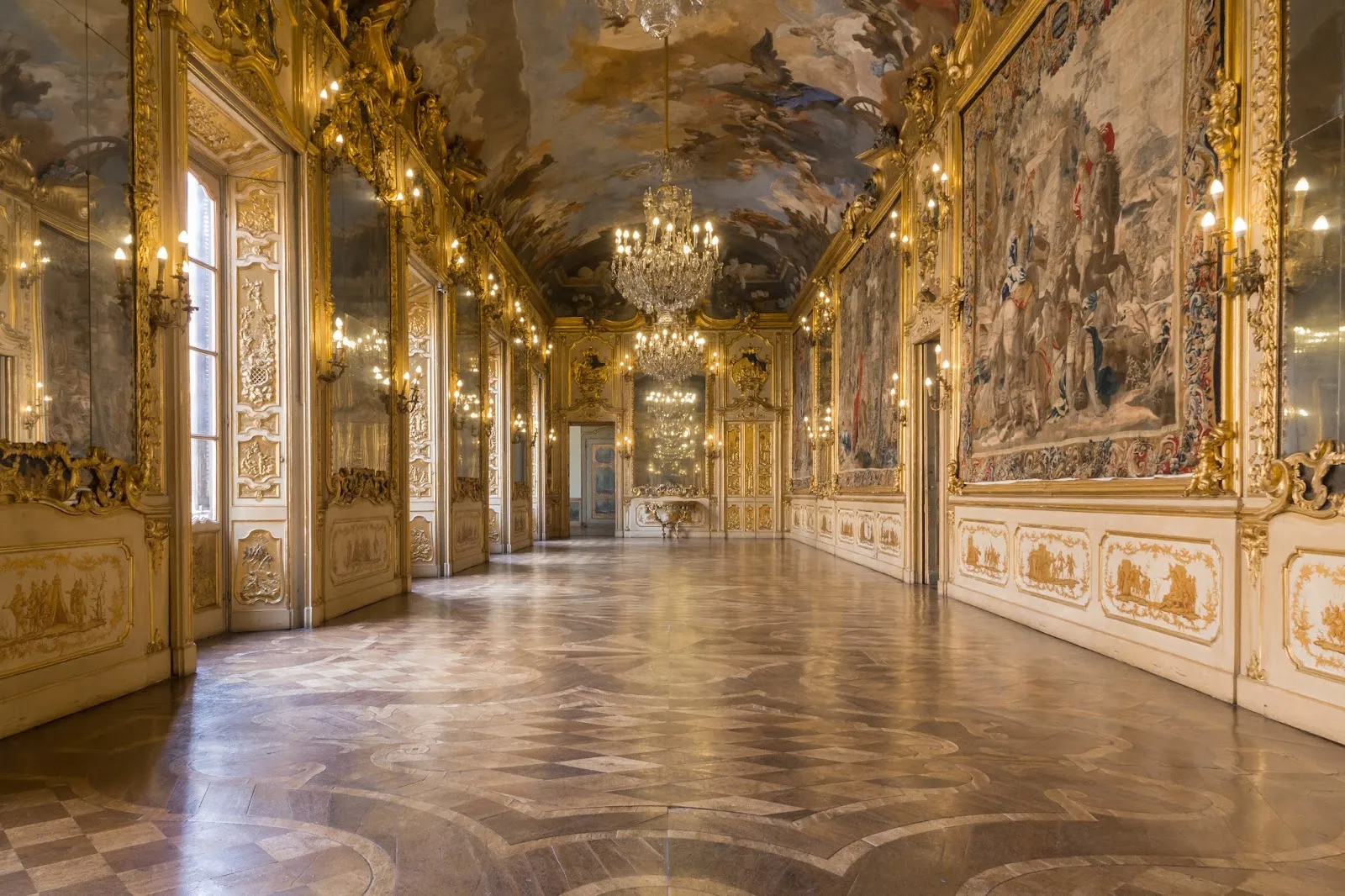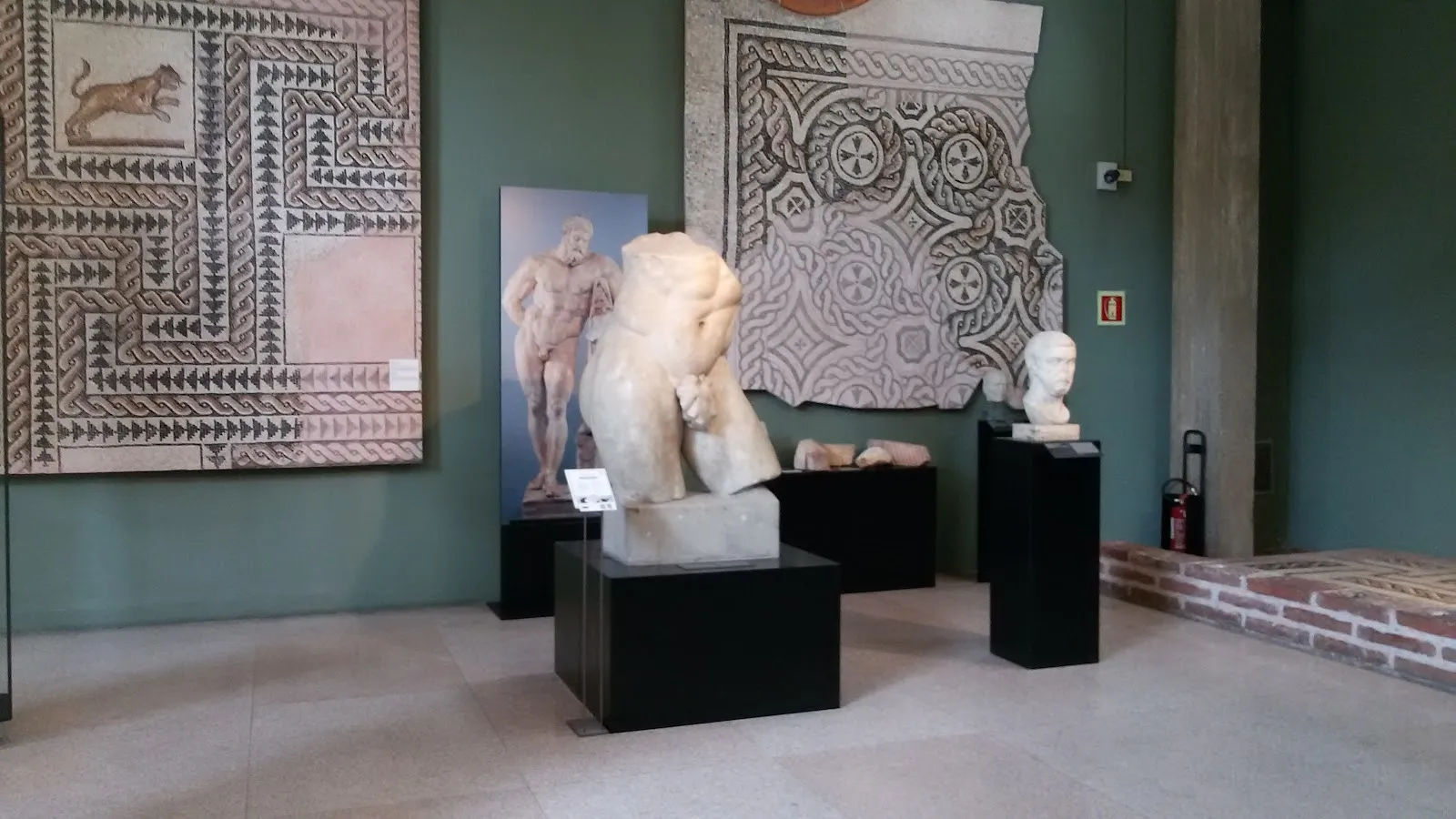
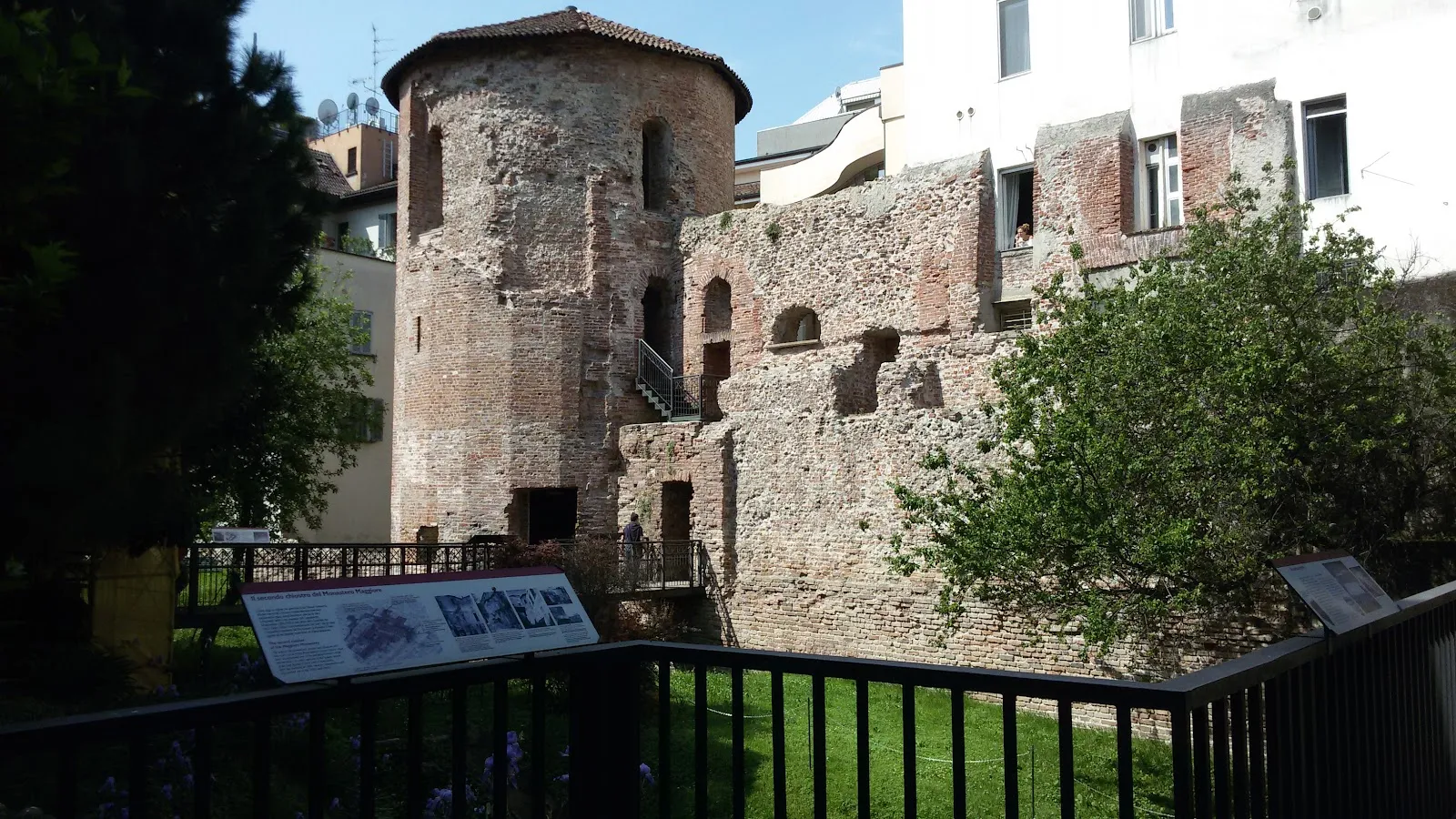
At Corso Magenta, 15, Milan’s Civic Archaeological Museum traces the city’s past through Roman, Etruscan and early medieval objects. Its setting in the former Monastero Maggiore connects the exhibition spaces with archaeological remains, including Roman walls in the courtyard and a 24-sided tower along the museum route. Look for the glassware and ceramics, then explore the sections on ancient Greece and Gandhara art from northern Pakistan. The neighbouring church of San Maurizio al Monastero Maggiore is known for its painted ceilings and is another reason to stop here.
A museum in the former Monastero Maggiore
The Civic Archaeological Museum occupies the former Monastero Maggiore on Corso Magenta. The site links the collections to the ancient remains around them: Roman walls can be seen in the courtyard, and the museum route passes a 24-sided tower. That connection between exhibition and archaeological setting is central to the visit, giving the objects a place within Milan’s earlier history.
The museum covers the development of the city known in antiquity as Mediolanum. Its collections include objects from Roman and early medieval periods, alongside material from Etruscan and Greek cultures. Exhibition information is available in English and Italian, so you can follow the displays without relying only on labels in Italian.
Roman, Etruscan and Greek collections
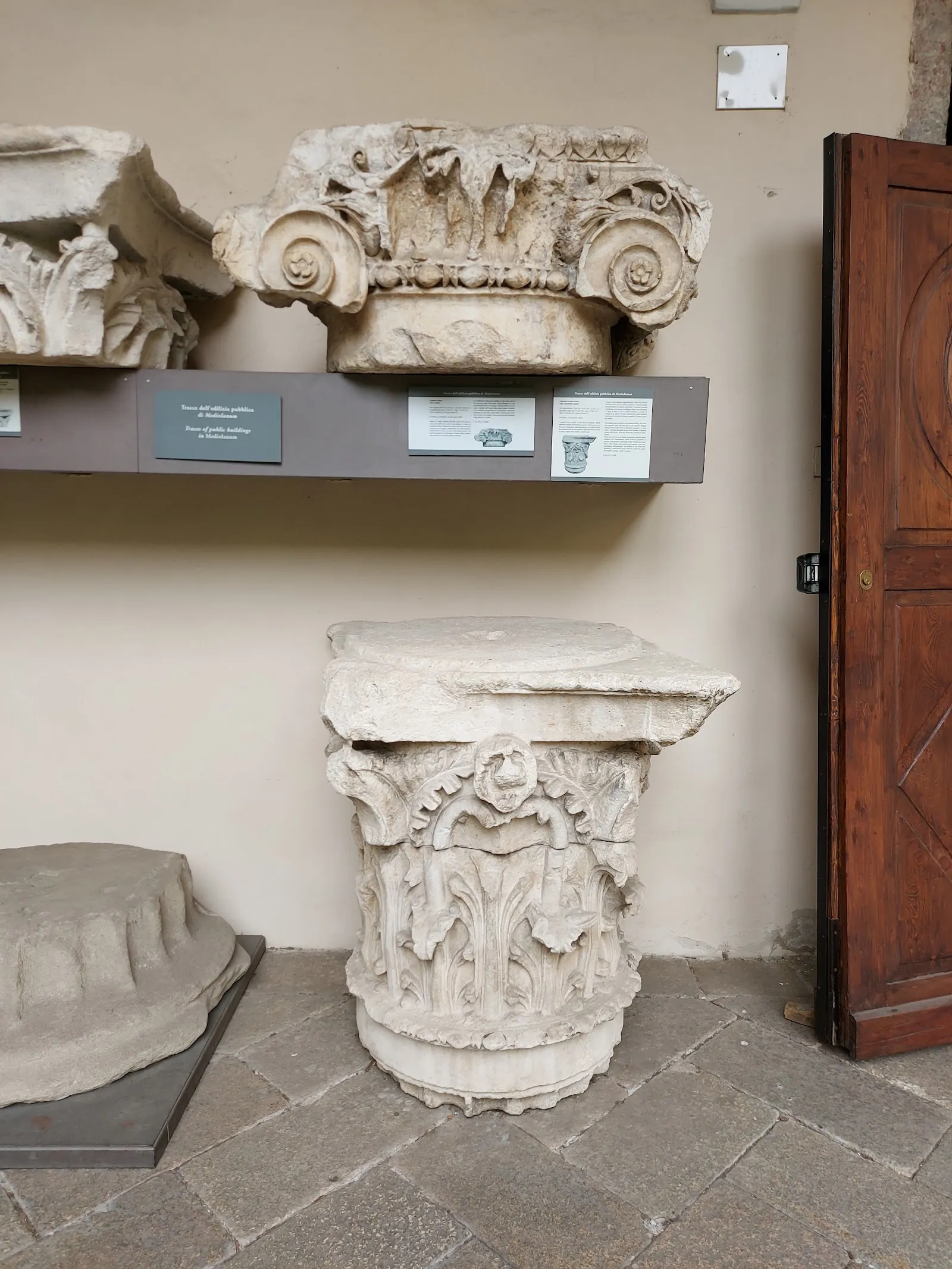
The Roman sections include remains associated with Milan’s ancient past, including objects dating from the first to third centuries AD. The collection also follows the city into the early Middle Ages. Etruscan and ancient Greek material adds a wider view of the cultures represented in the museum.
Glassware and ceramics are among the displays to look for as you make your way through the galleries. The Etruscan collection is a particular draw for visitors interested in a culture that is less commonly represented in museum collections. The layout is arranged across different periods and civilizations, making it possible to explore one section at a time.
Gandhara art and the neighbouring church
The museum also has objects from Gandhara, a historical region in what is now northern Pakistan. Its art reflects Greek influence, offering a different perspective from the Roman and Etruscan collections. The range of material makes the museum useful for visitors who want to look beyond Milan’s local history while still keeping the city’s ancient past in view.
Next door, San Maurizio al Monastero Maggiore is known for its painted ceilings. The church can be entered via the museum, and its murals are a separate highlight from the archaeological displays. Give the two sites their own attention: the museum’s route takes you through objects and remains, while the church visit centres on its paintings.
FAQ
Where is the Civic Archaeological Museum in Milan?
It is at Corso Magenta, 15, in the former Monastero Maggiore, beside San Maurizio al Monastero Maggiore.
What can you see at the museum?
The collections include Roman, Etruscan, Greek and early medieval material, as well as Gandhara art. Roman walls are visible in the courtyard, and the museum route passes a 24-sided tower.
Is the Civic Archaeological Museum open on Mondays?
No. The museum is closed on Mondays.