Giardino dei Semplici is the University of Florence’s botanical garden, a short walk from Piazza San Marco. Founded in 1545 as a place to study medicinal plants, it now brings together labeled collections, mature trees and greenhouses in a quiet setting. Look for the yew planted in 1720, citrus trees and giant waterlilies in the fountain. It suits plant enthusiasts and anyone seeking a slower stop among Florence’s sights; the garden is modest in size and its appeal lies more in the collections than in formal flower displays.
A garden founded for medicinal plants
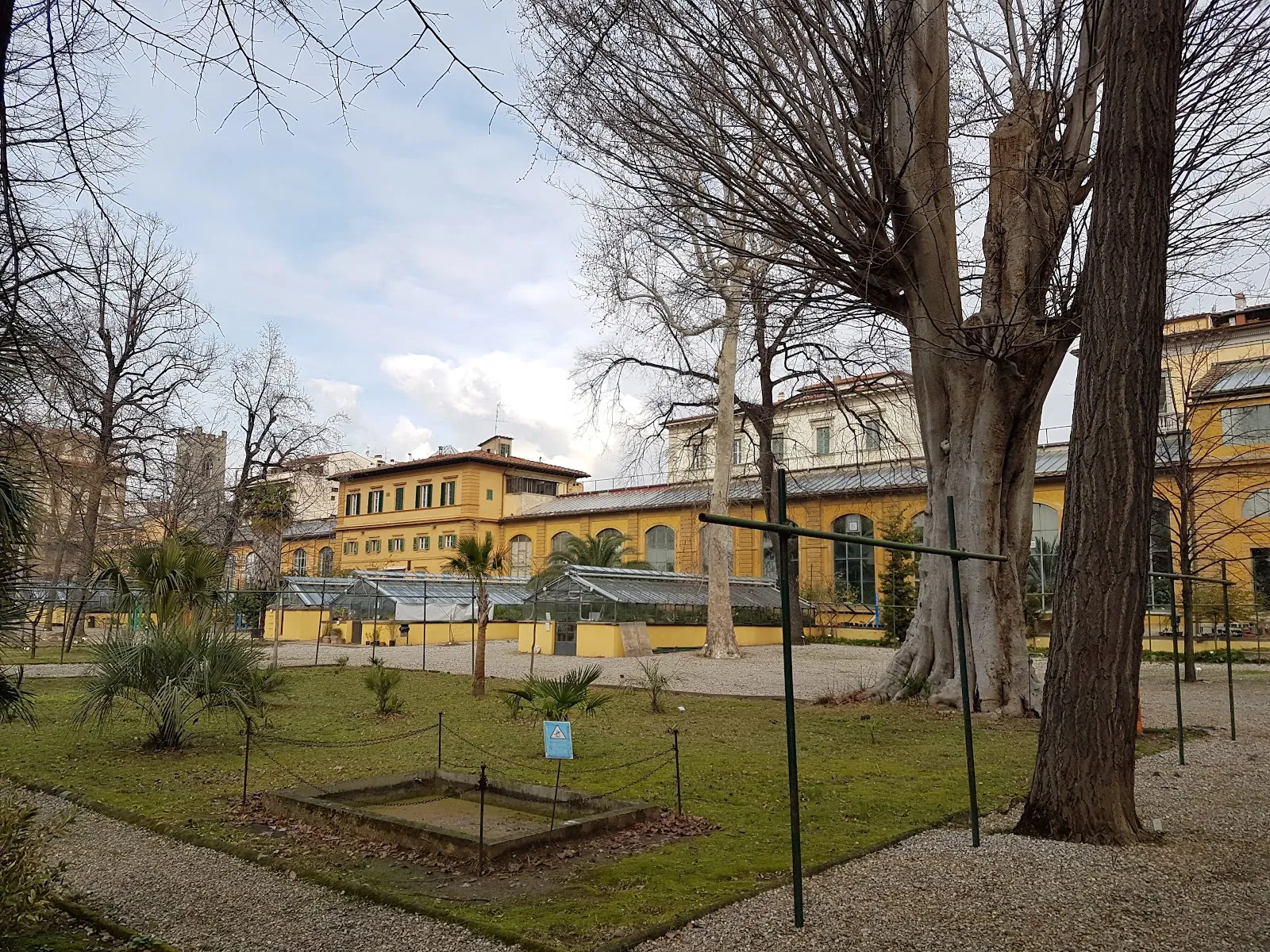
Cosimo I de’ Medici founded the garden in 1545 for the study of plants used as medicine. The name Giardino dei Semplici refers to “simples,” a historical term for medicinal plants. Its early purpose was academic: the garden was created to bring the natural world into close study, not simply to arrange flowers for display.
The garden opened to the public in 1864. It is now part of the University of Florence’s Museum of Natural History system. Its paths and labeled plant groupings continue to support close observation, whether you come with a particular interest in botany or simply want a quiet walk near the city centre.
Collections, trees and greenhouses
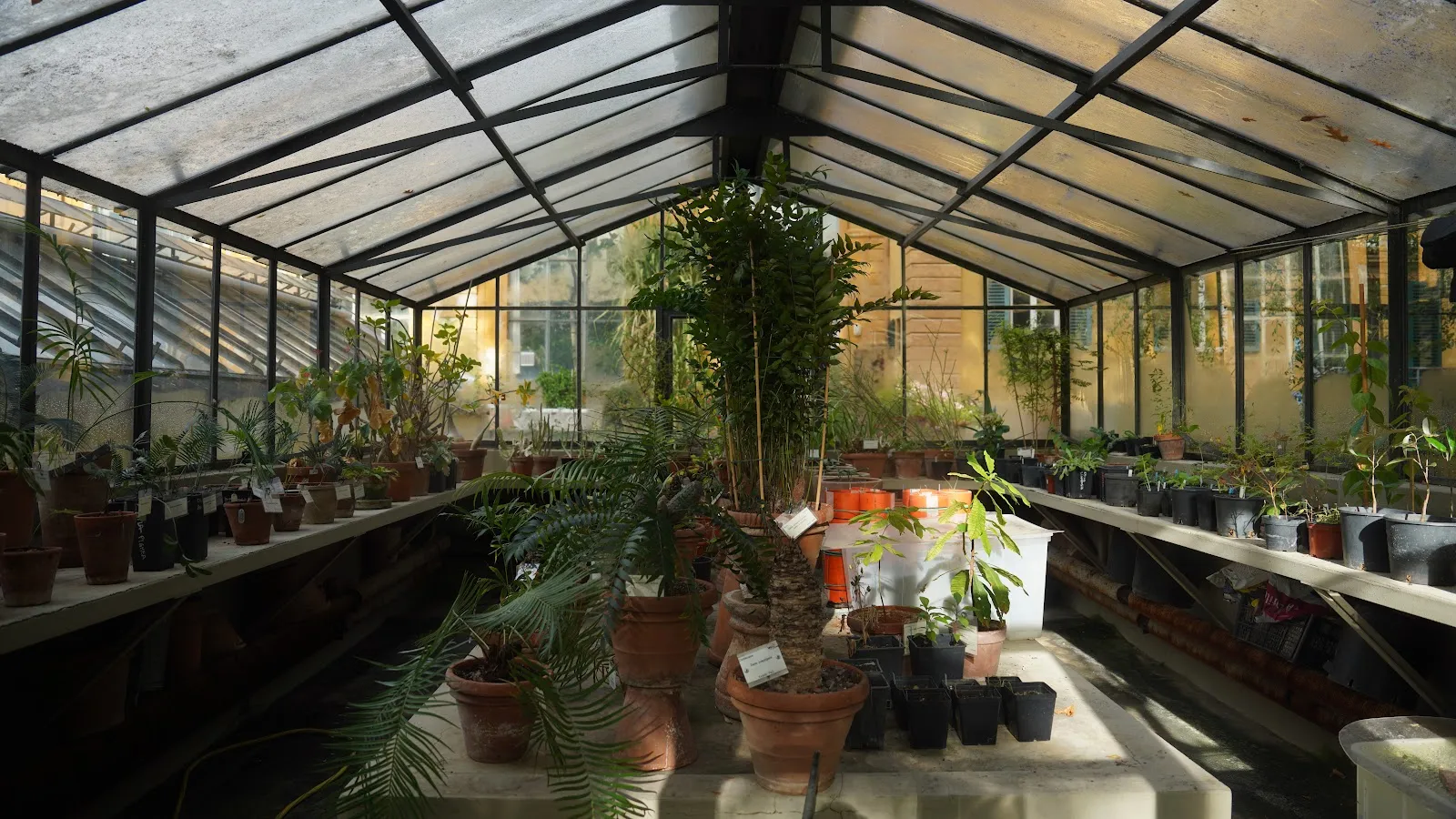
The garden’s collections include medicinal plants alongside palms, cycads, bromeliads, hydrangeas, citrus and other specimens. Labels identify many of the plants, so you can use the walk to learn what you are seeing rather than treating the beds as scenery alone. The collection includes rare and exotic plants as well as wild herbs, azaleas and climbing roses.
Look for the imposing yew planted in 1720 and the ornamental cork oak dating to 1805. Citrus trees are another point of interest, with fruit that may be ripe in late autumn. Giant waterlilies grow in a fountain. The greenhouses hold plants that need shelter from the Tuscan climate, and the garden also has a small Zen garden, a library and a laboratory.
Planning a visit
The garden is on Via Pier Antonio Micheli, a short walk from Piazza San Marco. Its calm paths and shaded benches make it a useful pause between city sights, especially if you want time away from Florence’s busier art circuit. Plant enthusiasts will find more to linger over than visitors expecting an expansive park or a succession of formal flower displays; the grounds are relatively small, and some collections may look less showy at certain times of year.
Allow enough time to read the labels and explore the greenhouses at an unhurried pace. Late autumn is a good time to look for ripe fruit on the citrus trees. Check the current closing time and admission fee before you go, since the closing time can be early. If anthropology or paleontology is also on your itinerary, ask whether a combined pass is available and whether those collections are open.
FAQ
Where is Giardino dei Semplici?
The botanical garden is at Via Pier Antonio Micheli 3 in Florence, a short walk from Piazza San Marco.
When was Giardino dei Semplici founded?
Cosimo I de’ Medici founded it in 1545 as a garden for studying medicinal plants.
What should you see in the garden?
Look for the yew planted in 1720, the cork oak dating to 1805, the citrus collection, giant waterlilies and the greenhouses.
How long should you spend there?
Allow about one to two hours to walk the paths, read plant labels and visit the greenhouses.
When is a good time to visit?
Late autumn is a good time to look for ripe oranges, lemons and tangerines on the citrus trees.