
Museum Barberini is an art museum in a rebuilt 18th-century palace on the Old Market Square in Potsdam, a few minutes' walk from the central station. Its core is a private collection of Impressionist and Post-Impressionist paintings, with works by Monet, Sisley, Renoir and Signac on show. Three large temporary exhibitions a year bring in loans from museums and private collections abroad. The palace has a historic façade and a modern interior, so the building itself is worth a look before you reach the galleries.
From palace to museum
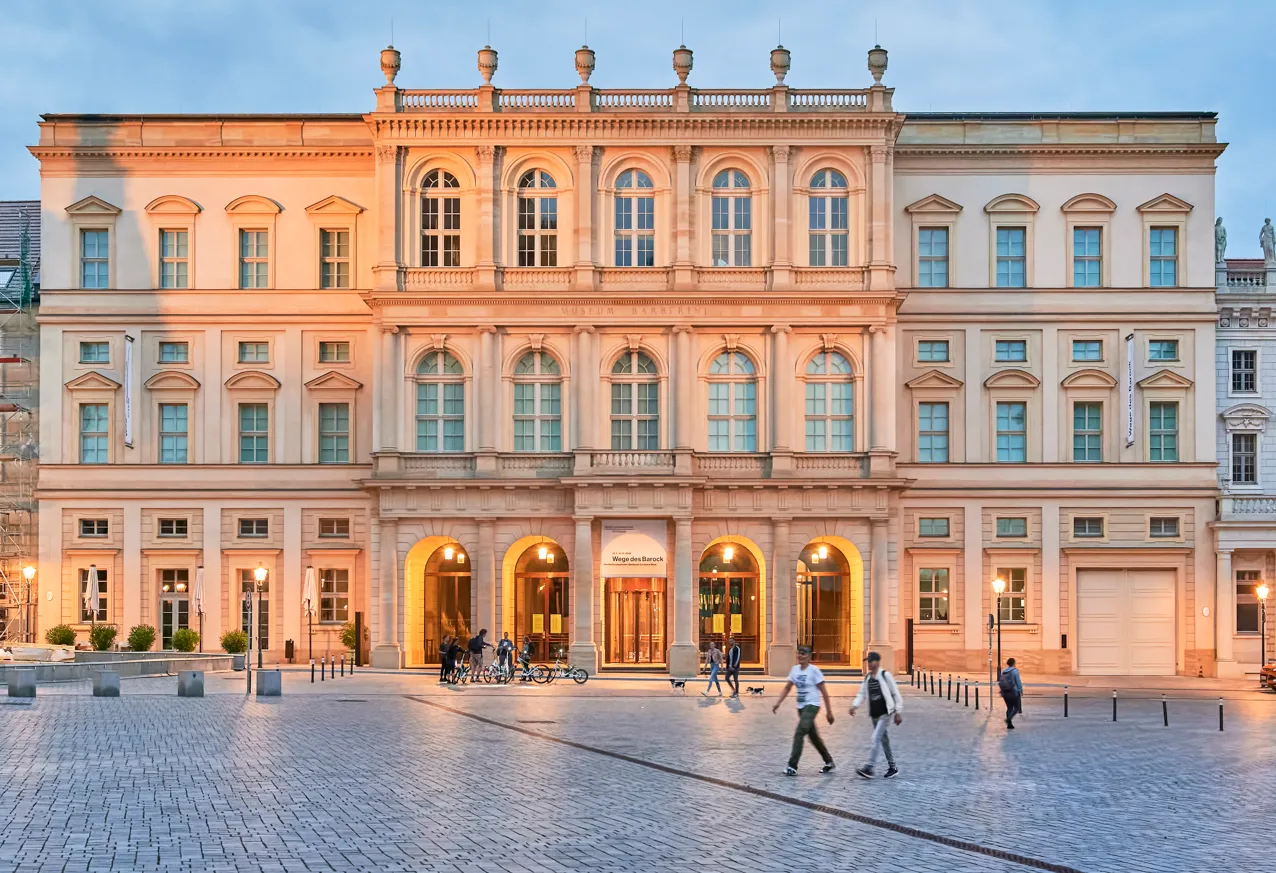
The building was commissioned by Frederick the Great as a city palace and modelled on the Palazzo Barberini in Rome, which gave it its name. It was built in 1772 in a classicist-baroque style.
During an air raid in 1945 the palace was badly damaged, and it was demolished in 1948. Between 2013 and 2016 it was rebuilt, with the initiative and funding coming from the Hasso Plattner Foundation. The museum has operated in the building since 2017.
The exterior follows the historic façade. Inside, the spaces are modern, which gives the galleries a plain, light setting for the paintings.
The Impressionist collection
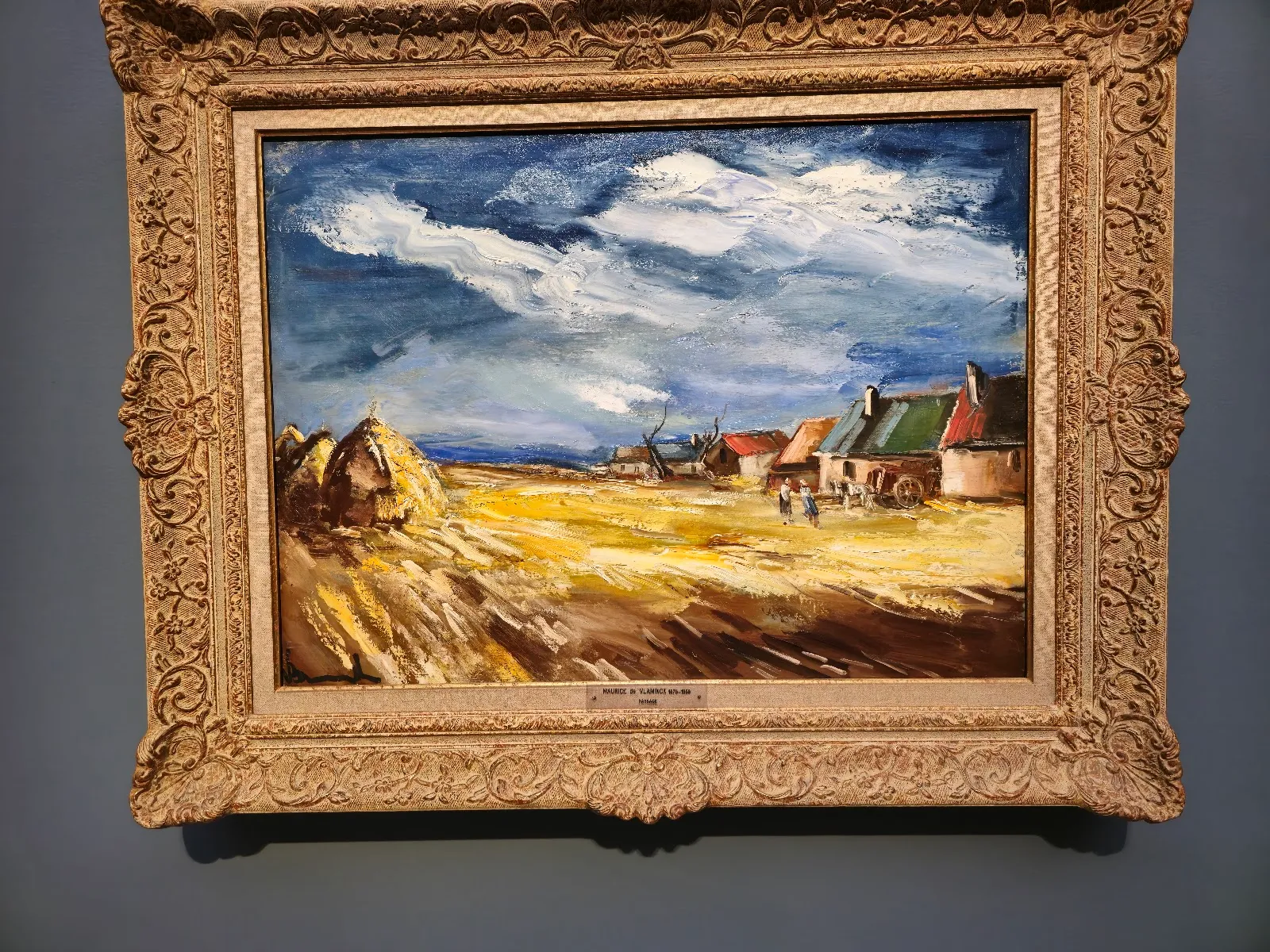
The permanent displays are built around a collection donated by the software entrepreneur and patron Hasso Plattner. It covers Impressionist and Post-Impressionist painting and includes works by Monet, Renoir, Caillebotte, Signac, Sisley and Pissarro.
One museum source describes the Monet holdings as the largest collection of his paintings in Europe outside France. Visitors looking at the galleries can follow the shift from Impressionism to the Post-Impressionist work that followed it, with the brushwork and colour changes easy to compare side by side.
The collection is supplemented by loans, so the displays are not limited to the donated works.
Temporary exhibitions
Alongside the permanent displays, the museum runs up to three large temporary exhibitions a year. These draw on loans from international museums and private collections.
The programme has covered artists beyond the Impressionists, including Gerhard Richter, Pablo Picasso and Wassily Kandinsky. Upcoming shows have focused on Maurice de Vlaminck, Camille Pissarro and Paul Signac, as well as on geometric abstraction and the unicorn as a theme.
One visitor found the Liebermann exhibition especially rewarding for the work of Liebermann's contemporaries, among them Max Slevogt, Lovis Corinth and Lesser Ury. The exhibition programme changes, so check the museum's website for what is on during your visit.
The square around the museum
The museum stands on the Old Market Square, close to the Stadtschloss (City Palace), where the Brandenburg Parliament meets. St. Nicholas' Church, with its monumental dome, and the Old Town Hall are on the same square.
It is a good idea to walk the square before or after your visit. The area is one of the most visited parts of Potsdam because of its museums and historic buildings, and the cobbled streets around it are pleasant to stroll in the evening.
Planning the visit
The museum is a short walk from Potsdam Hauptbahnhof. As you leave the station, cross the river, and the museum is on the right.
Security staff check bags at the entrance. Coats and bags must be handed in before you enter the exhibition, and the checkroom and lockers are free of charge.
An audio guide is available through the museum's app, in English and German. There is a café on site, along with a restaurant, so you can take a break between galleries.
Admission is charged, but visitors under 25 can enter free. The entrance and restrooms are wheelchair accessible, and the museum offers tours for visually impaired visitors. At weekends, workshops for children run while parents see the exhibition, which makes it a practical stop for families.
FAQ
Is there an entry fee?
Yes, admission is charged. Visitors under 25 can enter free of charge.
How long do you need at Museum Barberini?
Allow about 4 hours to see the permanent collection and a temporary exhibition.
Do I need to book tickets in advance?
Booking tickets in advance is recommended.
How do I get there from Potsdam station?
The museum is a few minutes' walk from Potsdam Hauptbahnhof. Cross the river as you leave the station and turn right.
Is the museum wheelchair accessible?
The entrance and the restroom are wheelchair accessible, and the museum offers tours for visually impaired visitors.


