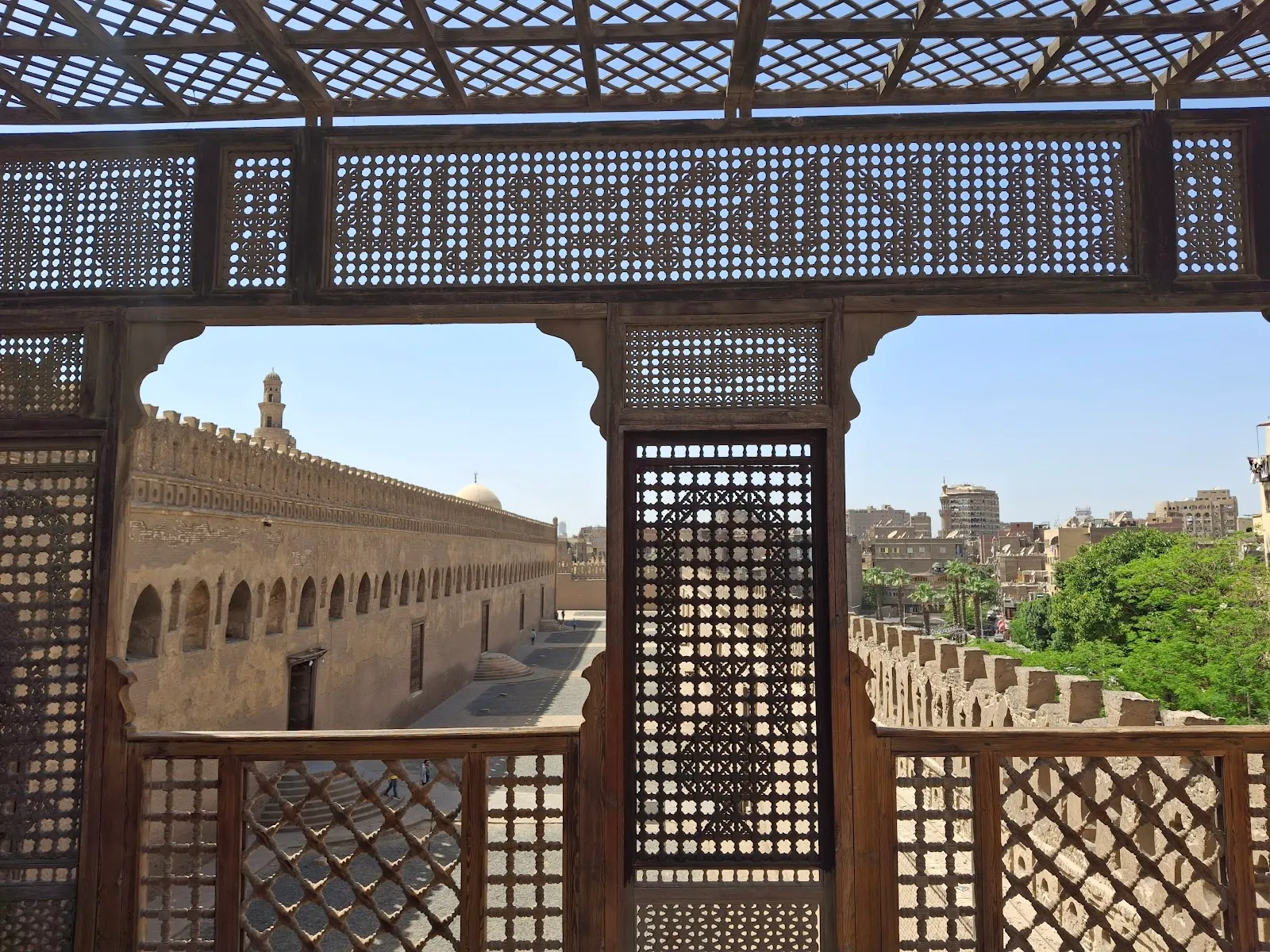
Beside the Mosque of Ibn Tulun in Cairo’s Sayyida Zeinab neighbourhood, the Gayer-Anderson Museum brings two historic houses together as one richly furnished home. Major John Gayer-Anderson lived here from 1935 to 1942, restoring the Ottoman-period residences and filling them with objects from Egypt and beyond. Move slowly through rooms with Islamic, Ottoman, Persian and Asian influences, and look for mashrabiya screens, carved wooden ceilings and the intimate courtyard. A guide can add context to the architecture and the collection.
Two houses joined as one home
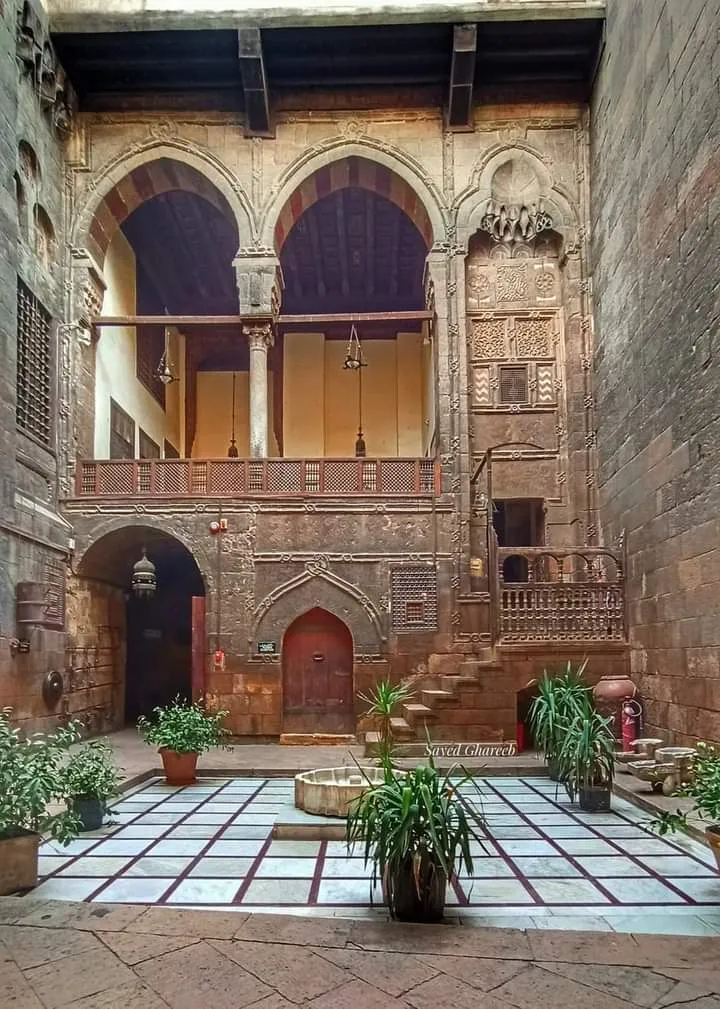
The museum occupies two adjoining houses from Cairo’s Ottoman period. They were built in the 16th and 17th centuries and later connected by a passageway on an upper floor. Their rooms, courtyards and decorated interiors preserve the character of a substantial historic home beside the Mosque of Ibn Tulun.
Major John Gayer-Anderson, a British officer and collector, received permission to live in the houses in 1935. He restored them and furnished the rooms with objects collected in Egypt and elsewhere. He left Cairo in 1942 and donated the house and collection to the government. The residences became a museum in 1937, according to some accounts; the dates in the historical material differ, so the precise opening date is best left aside.
Architecture and rooms to notice
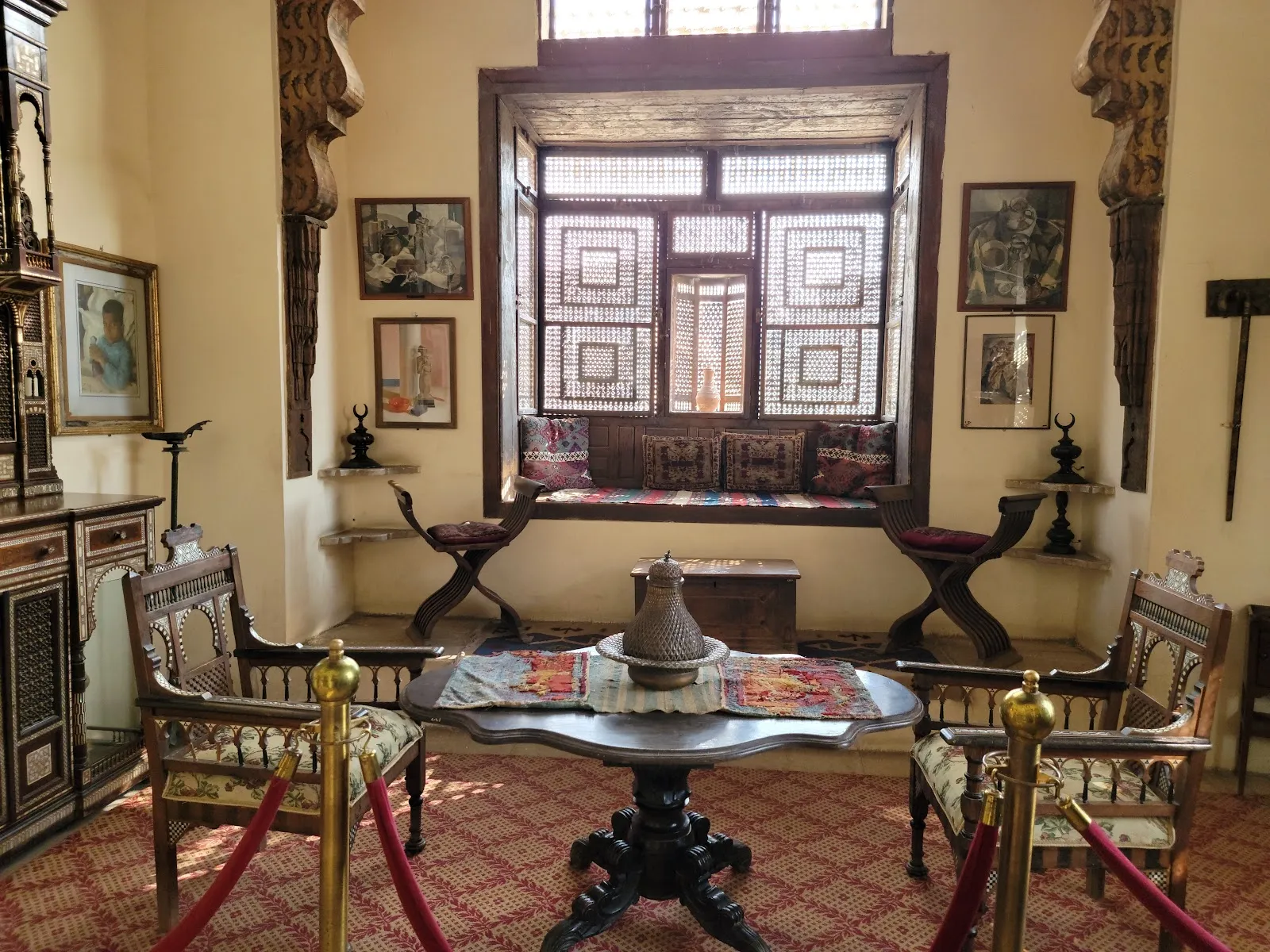
Look closely at the mashrabiya screens, the carved wooden ceilings and the courtyard. These details show traditional Cairo craftsmanship in a domestic setting. The houses themselves are part of the visit: their linked layout and varied rooms offer a sense of how a wealthy residence was arranged and decorated.
The interiors draw on Islamic and Ottoman design, alongside Persian and Asian influences. Furnishings, carpets and other objects sit within rooms that retain the atmosphere of a home. Move at an unhurried pace and take in the details of each space rather than treating the collection as a row of separate displays.
The collection and the visit
Gayer-Anderson’s collection includes Egyptian, Islamic and Asian antiquities, as well as furniture, carpets, textiles, glass and other decorative objects. The rooms also include traditional embroidered Arab clothing. One noted object is a bronze ancient Egyptian cat. Together, the pieces reflect the collector’s interests and the range of material gathered in the house.
A guide can explain the building’s history, its architecture and the life of its former residents. The museum has multiple floors, so expect to use stairs while exploring. Its position beside the Mosque of Ibn Tulun makes it straightforward to include both sites in one outing; the mosque is about a five-minute walk away.
FAQ
Where is the Gayer-Anderson Museum?
It is in Cairo’s Sayyida Zeinab neighbourhood, beside the Mosque of Ibn Tulun.
What can you see inside the museum?
The two historic houses contain rooms with Islamic, Ottoman, Persian and Asian influences, along with furniture, carpets, textiles and antiquities.
Can you visit with a guide?
Guides may be available at the museum. Ask on arrival for a guided visit to learn about the house and its collection.