Planifier un voyage
Langue: Français
Planificateur de voyagePlanifiez votre voyage sur une carte

Destinations incontournables

EnglishDeutschFrançaisEspañolPortuguêsPortuguês (BR)Italiano
Avis aux voyageurs · ÉgypteCertains gouvernements déconseillent de se rendre dans certaines régions de Égypte.Les avertissements ne concernent que ces zones : Bande de 50 km le long de la frontière libyenne, Bande de Gaza, Frontière libyenne (sans profondeur définie), Gouvernorat du Nord-Sinaï, Frontière soudanaise (sans profondeur définie), Désert occidental, Gouvernorat d'Ismaïlia (est du canal de Suez), Nord du Gouvernorat du Sud-Sinaï (au-delà de la route Sainte-Catherine–Nuweiba).Les conseils dépendent de votre passeport. Consultez ceux de votre propre gouvernement avant de réserver.Conseils officiels
Zones signalées
  • Bande de 50 km le long de la frontière libyenne · éviter tout voyage · Canada, Nouvelle-Zélande
  • Bande de Gaza · éviter tout voyage · Canada, France, Nouvelle-Zélande
  • Frontière libyenne (sans profondeur définie) · éviter tout voyage · Allemagne, Espagne, France, Italie
  • Gouvernorat du Nord-Sinaï · éviter tout voyage · Canada, Espagne, France, Irlande, Nouvelle-Zélande, Royaume-Uni
  • Frontière soudanaise (sans profondeur définie) · éviter tout voyage · Allemagne, Espagne, France, Italie
  • Désert occidental · éviter tout voyage · Canada, Nouvelle-Zélande, Royaume-Uni, États-Unis
  • Gouvernorat d'Ismaïlia (est du canal de Suez) · éviter les voyages non essentiels · Canada, Royaume-Uni
  • Nord du Gouvernorat du Sud-Sinaï (au-delà de la route Sainte-Catherine–Nuweiba) · éviter les voyages non essentiels · Canada, Nouvelle-Zélande, Royaume-Uni

Également signalé par un seul gouvernement : Bande de 20 km le long de la frontière libyenne (Royaume-Uni), Zones frontalières (zones militaires) (États-Unis), Zone frontalière égypto-israélienne (Allemagne), Péninsule du Sinaï nord et centre (États-Unis), Gouvernorat de Port-Saïd (est du canal de Suez) (Canada), Zone frontalière de Rafah (Espagne), Gouvernorat de Suez (est du canal de Suez) (Canada), Route Bahariya–Siwa (Royaume-Uni), Trapèze de Bir Tawil (Royaume-Uni), Désert à l'ouest de Marsa Matrouh, du Fayoum et d'Abou Simbel (France), Région du Gebel Uweinat au Gilf el-Kebir (Italie), Triangle de Halaib (Royaume-Uni), Zones désertiques non touristiques (Italie), Poste frontalier de Rafah (Irlande), Péninsule du Sinaï sud (Allemagne)

GouvernementConseilsMis à jourLire les conseils
Royaume-Uni (FCDO)No advice against the whole country (regional advisories)–Lire les conseils
États-Unis (State Dept)Exercise increased caution (regional advisories)15 juil. 2025Lire les conseils
Canada (Affaires mondiales)Exercise a high degree of caution (regional advisories)–Lire les conseils
Allemagne (Auswärtiges Amt)Besondere Vorsicht walten lassen (keine Gesamtwarnung) (regional advisories)13 oct. 2026Lire les conseils
Nouvelle-Zélande (SafeTravel)Exercise increased caution elsewhere in Egypt (regional advisories)–Lire les conseils
Irlande (ministère des Affaires étrangères)High degree of caution (regional advisories)–Lire les conseils
France (ministère de l'Europe et des Affaires étrangères)Increased vigilance for the rest of the country (regional advisories)–Lire les conseils

Vérifié quotidiennement d'après les conseils publiés par les gouvernements ; dernière vérification le 2 nov. 2026.RoamLedger résume les conseils officiels ; il ne s'agit pas de conseils émanant d'un gouvernement.

Gayer-Anderson Museum
Musée

Gayer-Anderson Museum

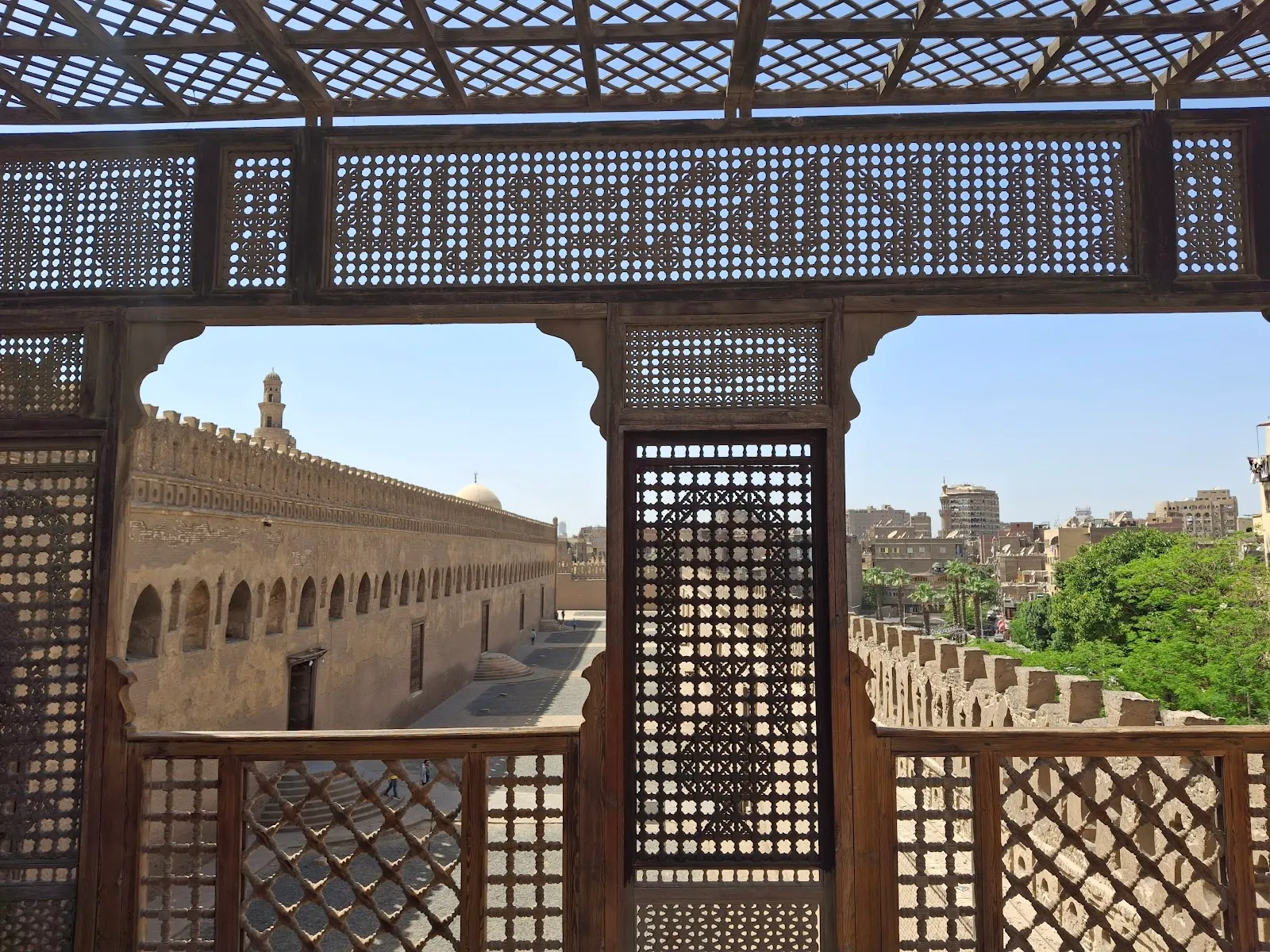
Beside the Mosque of Ibn Tulun in Cairo’s Sayyida Zeinab neighbourhood, the Gayer-Anderson Museum brings two historic houses together as one richly furnished home.

Beside the Mosque of Ibn Tulun in Cairo’s Sayyida Zeinab neighbourhood, the Gayer-Anderson Museum brings two historic houses together as one richly furnished home. Major John Gayer-Anderson lived here from 1935 to 1942, restoring the Ottoman-period residences and filling them with objects from Egypt and beyond. Move slowly through rooms with Islamic, Ottoman, Persian and Asian influences, and look for mashrabiya screens, carved wooden ceilings and the intimate courtyard. A guide can add context to the architecture and the collection.

Two houses joined as one home
Gayer-Anderson Museum

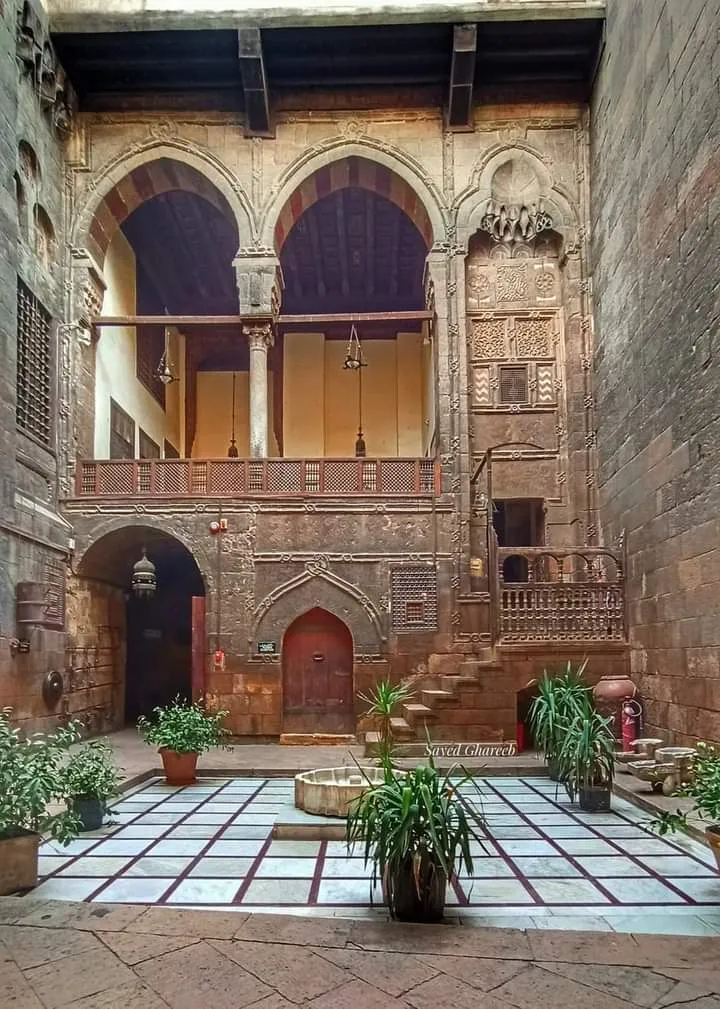
The museum occupies two adjoining houses from Cairo’s Ottoman period. They were built in the 16th and 17th centuries and later connected by a passageway on an upper floor. Their rooms, courtyards and decorated interiors preserve the character of a substantial historic home beside the Mosque of Ibn Tulun.

Major John Gayer-Anderson, a British officer and collector, received permission to live in the houses in 1935. He restored them and furnished the rooms with objects collected in Egypt and elsewhere. He left Cairo in 1942 and donated the house and collection to the government. The residences became a museum in 1937, according to some accounts; the dates in the historical material differ, so the precise opening date is best left aside.

Architecture and rooms to notice
Gayer-Anderson Museum

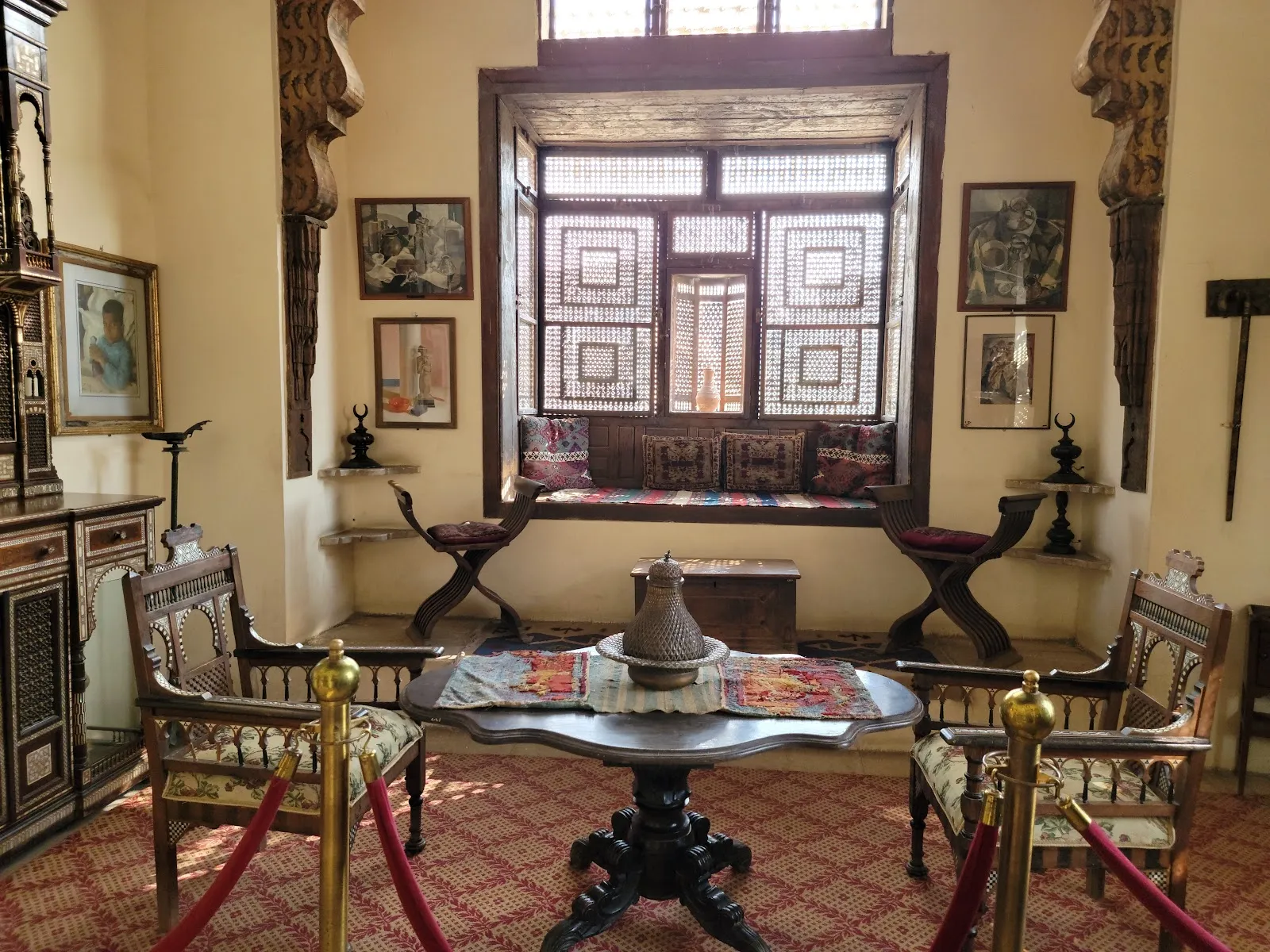
Look closely at the mashrabiya screens, the carved wooden ceilings and the courtyard. These details show traditional Cairo craftsmanship in a domestic setting. The houses themselves are part of the visit: their linked layout and varied rooms offer a sense of how a wealthy residence was arranged and decorated.

The interiors draw on Islamic and Ottoman design, alongside Persian and Asian influences. Furnishings, carpets and other objects sit within rooms that retain the atmosphere of a home. Move at an unhurried pace and take in the details of each space rather than treating the collection as a row of separate displays.

The collection and the visit

Gayer-Anderson’s collection includes Egyptian, Islamic and Asian antiquities, as well as furniture, carpets, textiles, glass and other decorative objects. The rooms also include traditional embroidered Arab clothing. One noted object is a bronze ancient Egyptian cat. Together, the pieces reflect the collector’s interests and the range of material gathered in the house.

A guide can explain the building’s history, its architecture and the life of its former residents. The museum has multiple floors, so expect to use stairs while exploring. Its position beside the Mosque of Ibn Tulun makes it straightforward to include both sites in one outing; the mosque is about a five-minute walk away.

FAQ

Where is the Gayer-Anderson Museum?

It is in Cairo’s Sayyida Zeinab neighbourhood, beside the Mosque of Ibn Tulun.

What can you see inside the museum?

The two historic houses contain rooms with Islamic, Ottoman, Persian and Asian influences, along with furniture, carpets, textiles and antiquities.

Can you visit with a guide?

Guides may be available at the museum. Ask on arrival for a guided visit to learn about the house and its collection.


Autres incontournables à Le Caire

Tout explorer