Parque de la Fraternidad is a central Havana park just south of the Capitolio, where landscaped paths and statues sit alongside busy bus and taxi routes. It became a public space in 1892 to mark the fourth centenary of Christopher Columbus’s arrival in the Americas. The gardens were redesigned by French landscape architect Jean-Claude Forestier in 1928. Come to see the statues and historic setting, or pause with a coffee and watch daily life pass through this lively part of the city.
From parade ground to public park
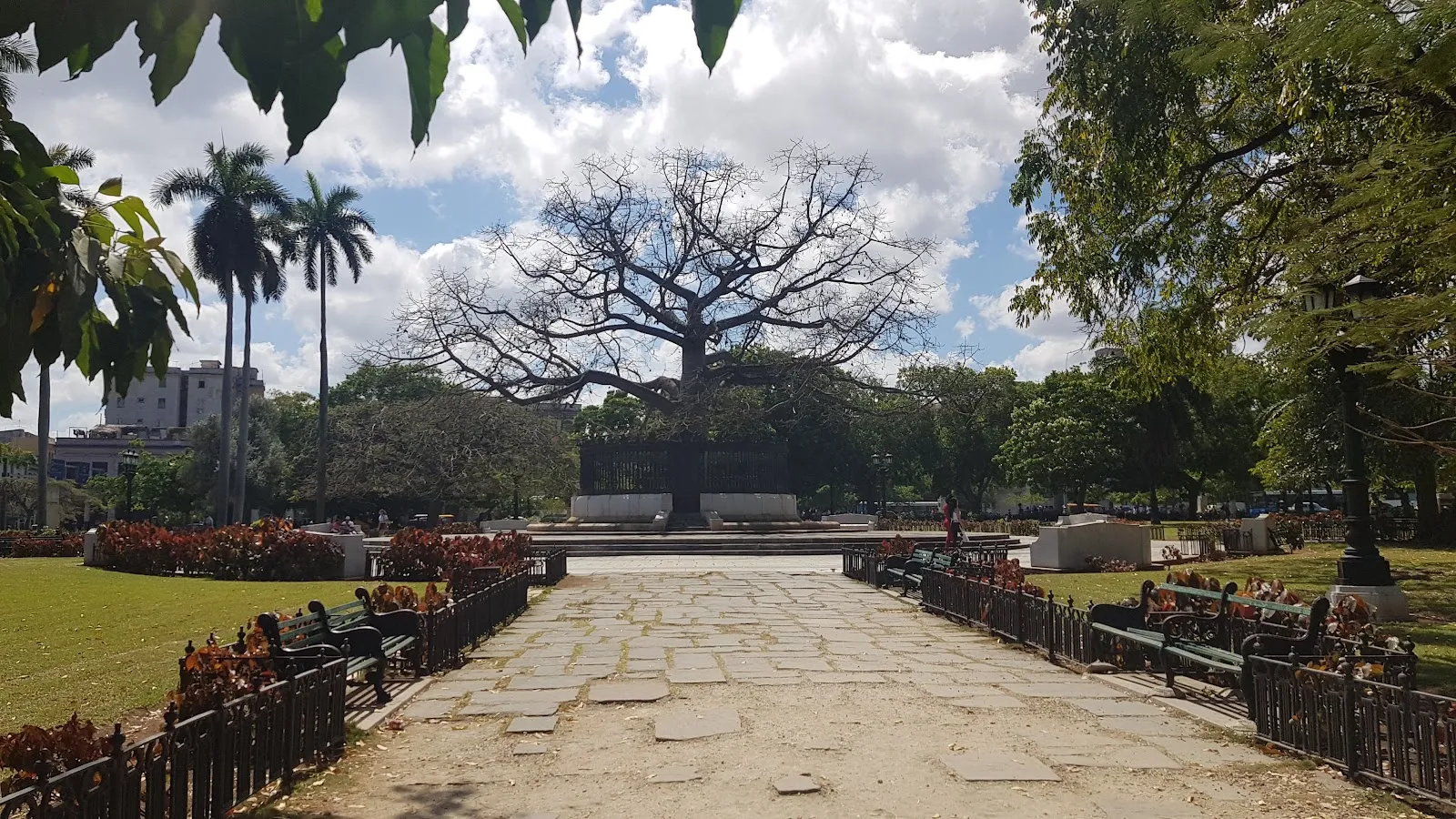
The Spanish government first used the site as a military practice range in the 1790s. Belgian engineer Agustín Cramer expanded it in 1793, and Bishop Espada later improved the lighting. Captain General Miguel Tacón included the area in a program to beautify Havana. It was fenced, with four gates topped by coats of arms: Hernán Cortés at the north entrance, Francisco Pizarro at the south, Tacón at the east and Christopher Columbus at the west.
The land south of the Capitolio had originally been planned as a military parade ground. In 1892, it was remodeled as a public space to mark 400 years since Columbus reached the Americas. French landscape architect Jean-Claude Forestier laid out the gardens seen today for the Sixth Pan-American Conference in 1928. US President Calvin Coolidge attended; he was the last serving US president to visit Cuba.
A busy meeting point in central Havana
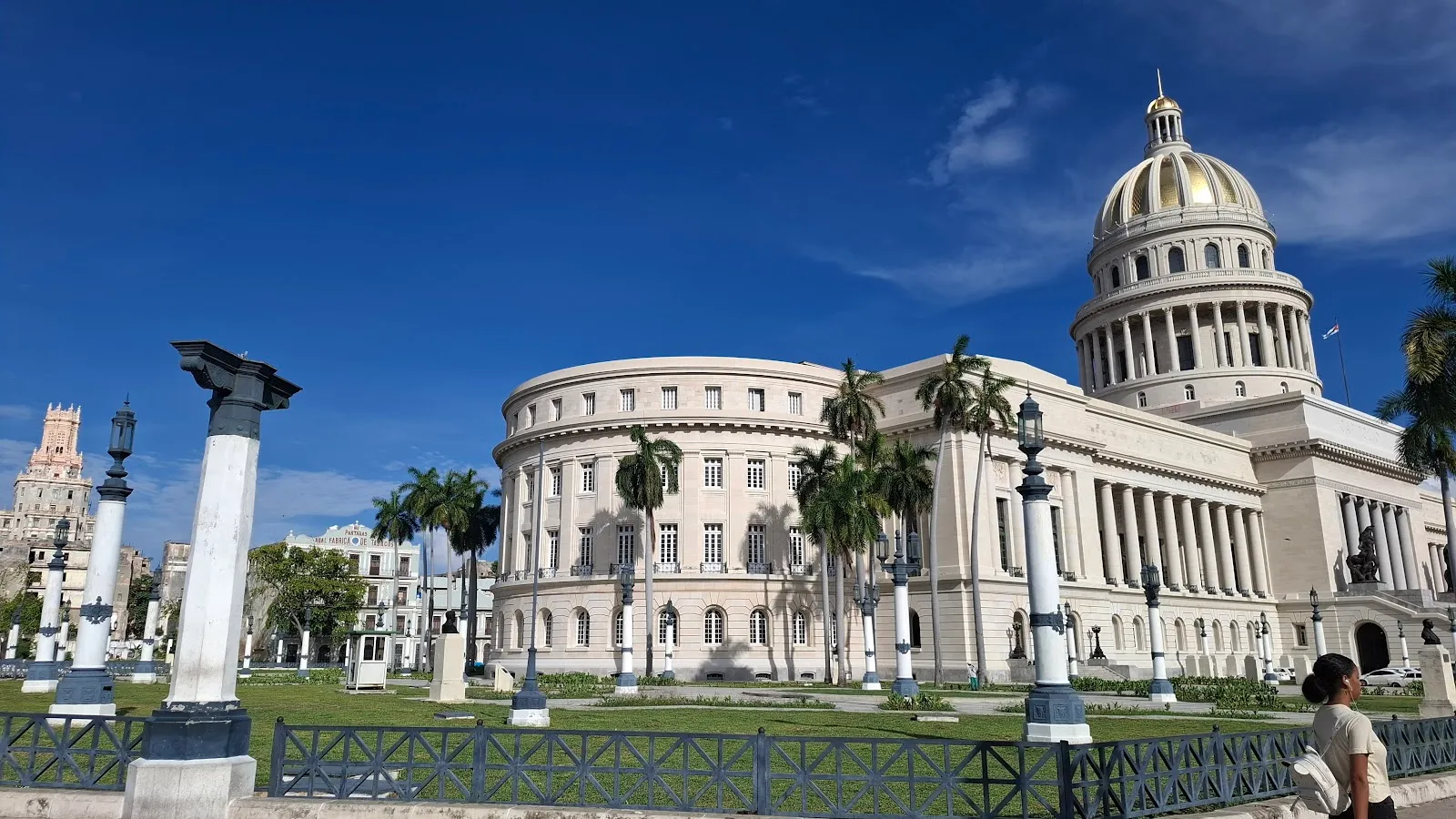
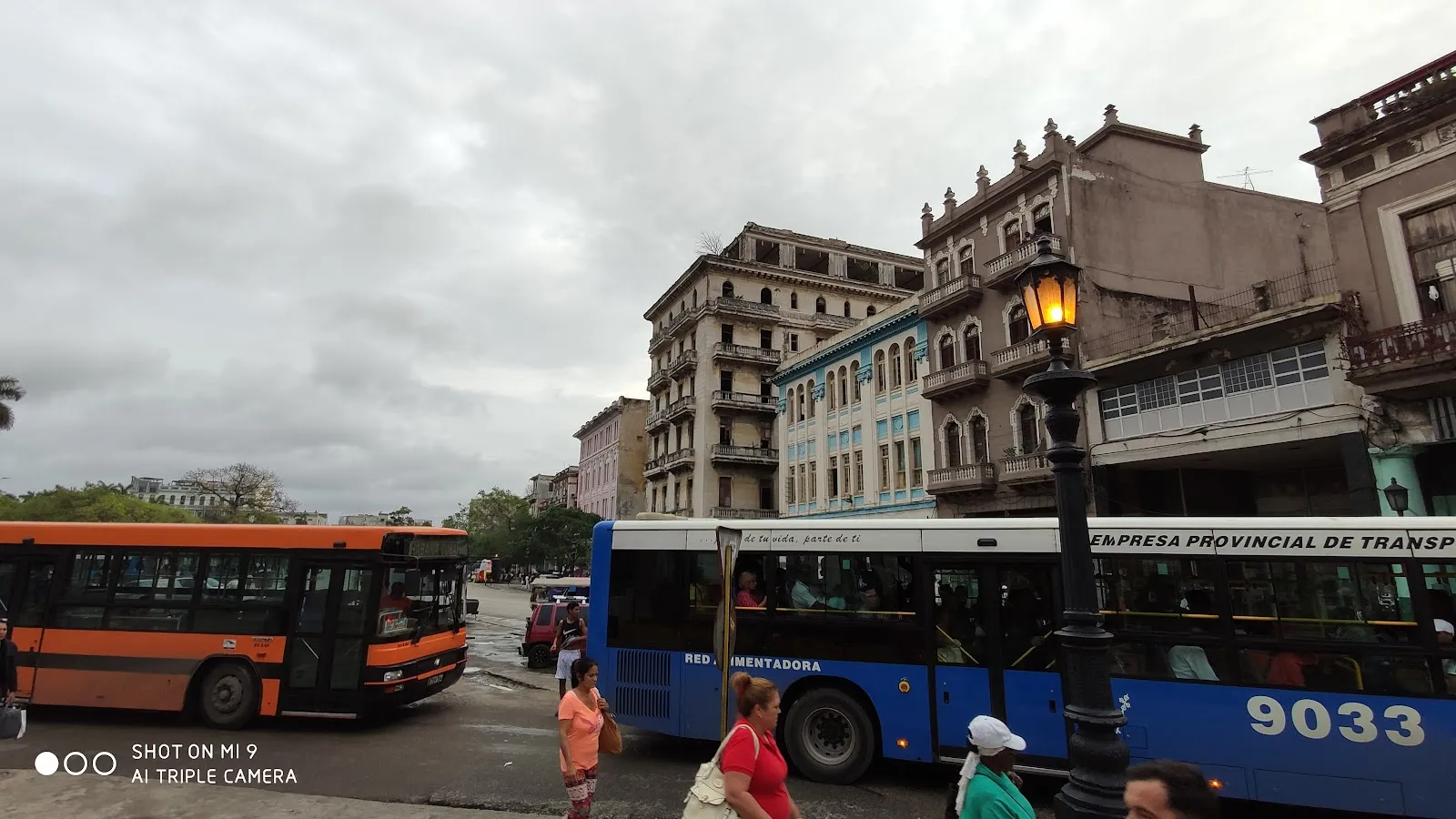
The park lies at the meeting point of several parts of central Havana. Bus routes and taxis pass nearby, so expect movement and traffic noise rather than a secluded garden. Statues of prominent world leaders give the grounds a historical focus, while the paths and greenery offer a place to pause amid the city.
Paseo del Prado extends from the Fountain of India and the park toward the fortress of San Salvador de la Punta and the Malecón. Its tree-lined route is marked by eight bronze lions at intersections. On weekends, an art flea market takes place along the Prado beneath the trees.
Taking a break here
A coffee stop gives you time to take in the park and watch local life move through this central area. The Capitolio stands just to the north, making the park a practical point to include when walking around the surrounding sights.
People may approach with offers of taxi rides or currency exchange. For changing money, use a CADECA rather than accepting street offers. Keep your phone secure, particularly at night.
FAQ
Where is Parque de la Fraternidad?
It is in central Havana, just south of the Capitolio.
Why was the park created?
It became a public space in 1892 to commemorate the fourth centenary of Columbus’s arrival in the Americas.
Who designed the gardens?
French landscape architect Jean-Claude Forestier designed the gardens for the Sixth Pan-American Conference in 1928.