The National Capitol of Cuba, or El Capitolio, stands in central Havana near Parque Central and Paseo del Prado. Completed in 1929, it is known for its Neoclassical design and prominent cupola, which once marked the city’s highest point. When interior visits are available, guided tours take in the grand rotunda and the Statue of the Republic beneath the dome. Even if you only see it from outside, the building’s scale and position make it a useful landmark for exploring this part of Havana.
A landmark at Havana’s centre
El Capitolio was built between 1926 and 1929 and opened in 1929. Cuban architects Evelio Govantes and Félix Cabarrocas worked on the design, and Eugenio Rayneri Piedra directed construction. Its formal Neoclassical exterior gives it a strong resemblance to the U.S. Capitol, though accounts also connect the design to the Panthéon in Paris.
The building served as Cuba’s government seat until the 1959 Revolution changed the country’s political structure. It later housed institutions including the Cuban Academy of Sciences and the National Library of Science and Technology. The Capitol has undergone a major restoration, and its use has changed over time, so check locally whether interior visits are running during your stay.
The cupola and the interior
The cupola is a defining part of the Havana skyline. For much of the 1950s, it was the city’s highest point, before taller construction at Revolution Square changed that. The building also marks kilometre zero for Cuba’s road network.
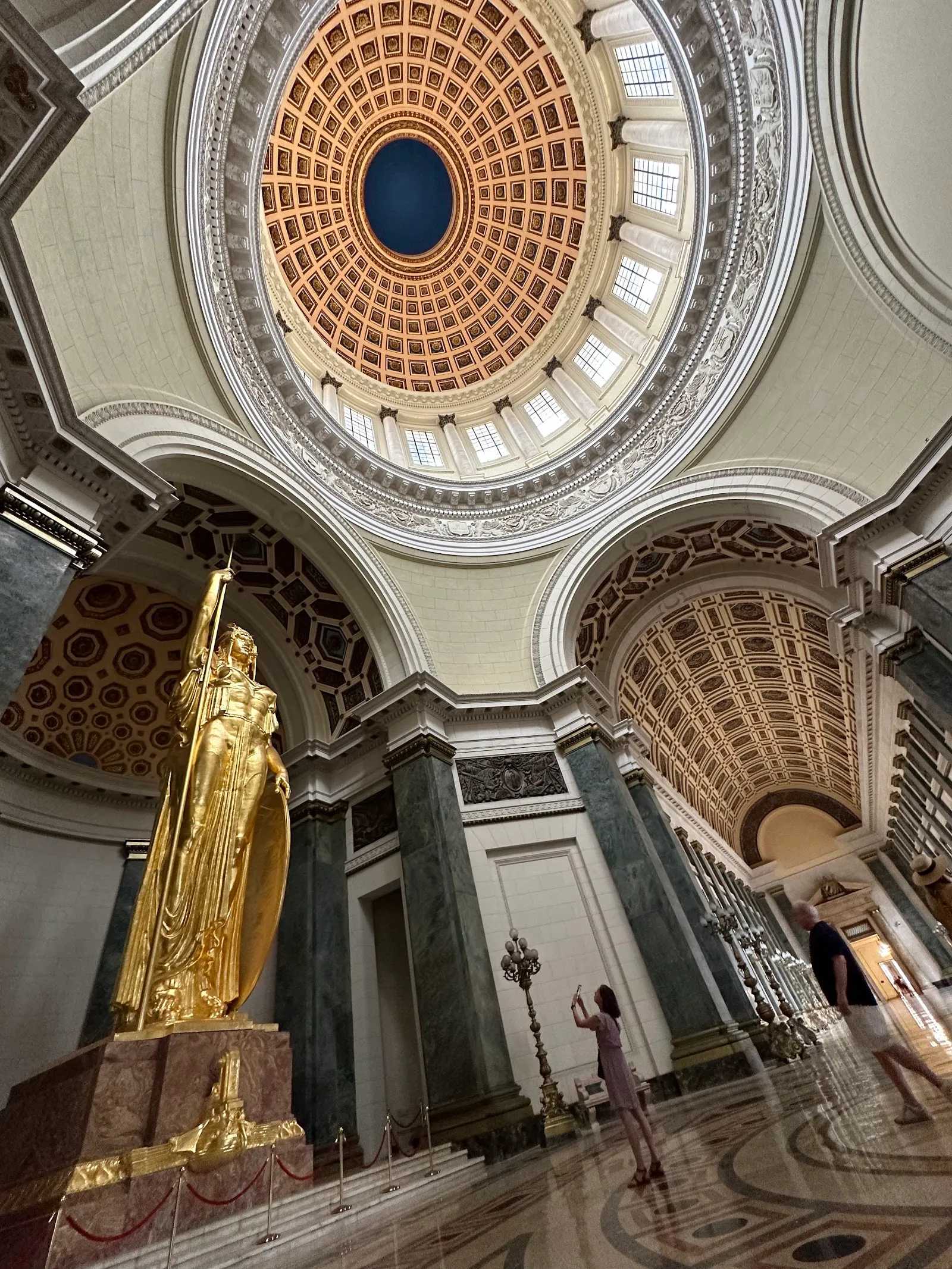
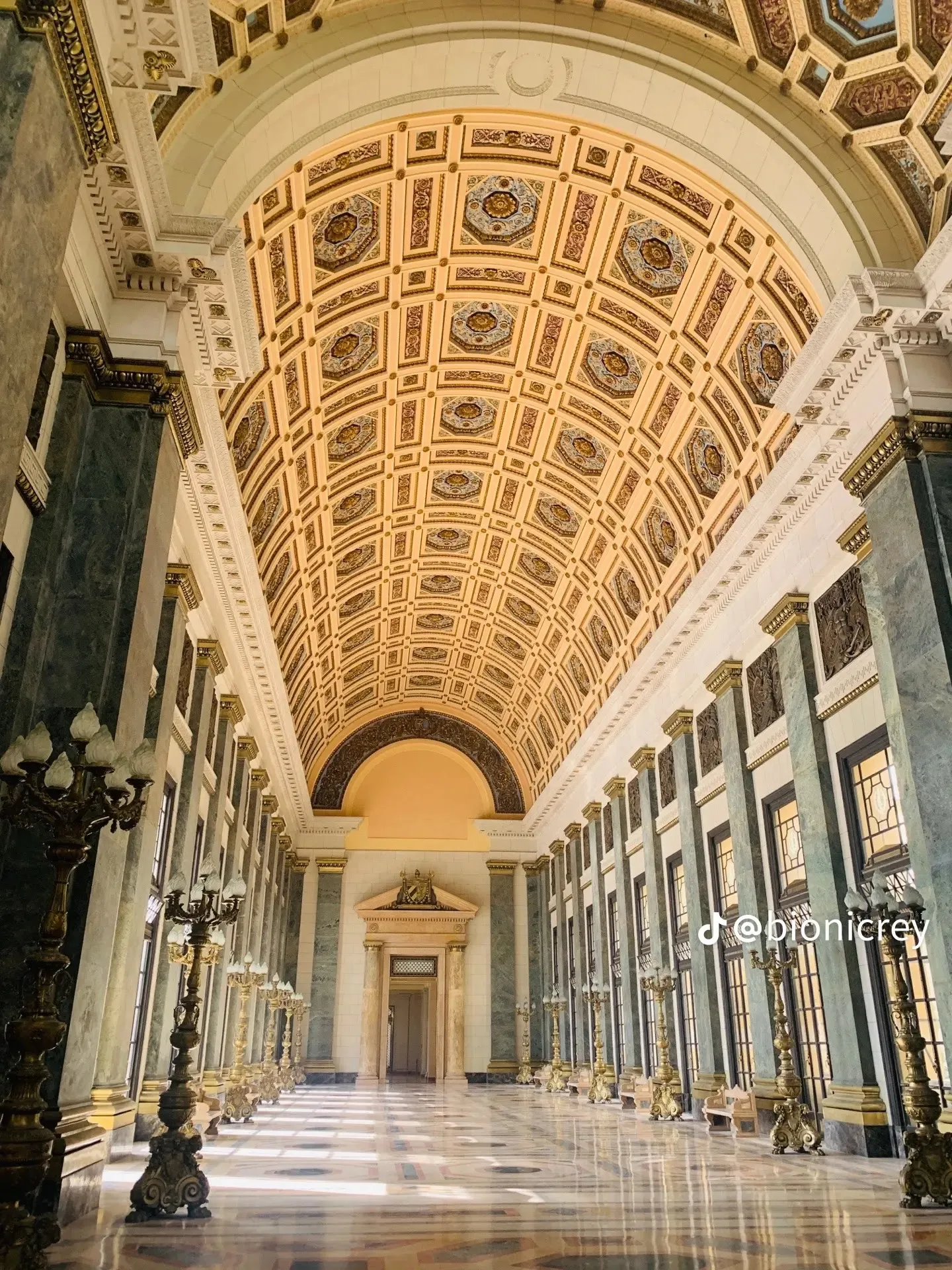
Inside, the rotunda is dominated by the Statue of the Republic, which rises beneath the cupola. The statue is reported to stand about 17 metres tall. Visitors on guided tours can see the building’s richly decorated interior, including marble and details in its walls, ceilings, doors and lamps. A monumental staircase leads to the main entrance, with large sculptures on either side.
Planning an interior visit
Guided tours are the way to see the Capitol’s interior. The available material lists tours from Tuesday to Saturday at set times, but does not give a current schedule. Confirm tour availability before you make it the focus of your day, particularly given the building’s restoration and changing public use.
The ticket office is across the street. Arriving early can help you avoid a wait, and you should bring photo identification or a passport. Cash is not accepted for payment inside, so plan to use another payment method. If tours are unavailable, the exterior remains an easy stop on a walk through central Havana.
FAQ
Where is the National Capitol of Cuba?
It is at 66 Cienfuegos in central Havana, close to Parque Central and Paseo del Prado.
Can you go inside the National Capitol?
Guided tours have been available, with tours listed Tuesday through Saturday at set times. Check whether tours are operating during your visit, as the building has undergone restoration and its public use has changed.
What can you see inside El Capitolio?
The interior includes a grand rotunda beneath the cupola and the Statue of the Republic. Tours also show the building’s decorated spaces and monumental entrance staircase.
What should I bring for a Capitol tour?
Bring photo identification or a passport. Cash is not accepted for payment inside, and the ticket office is across the street.