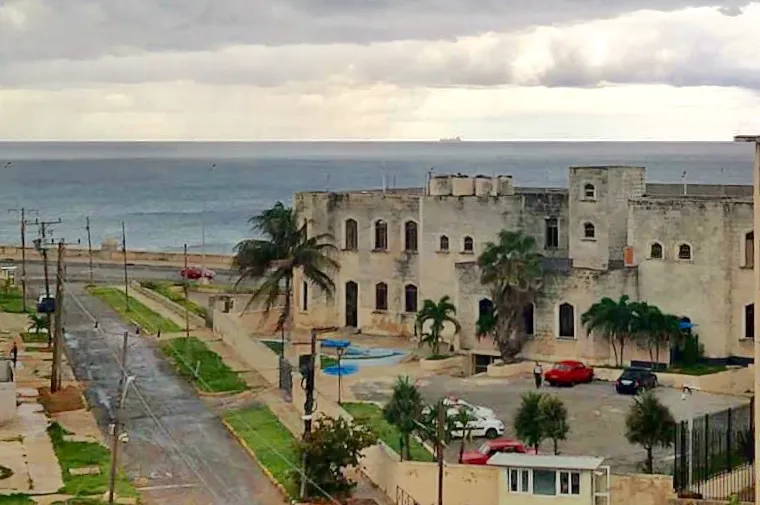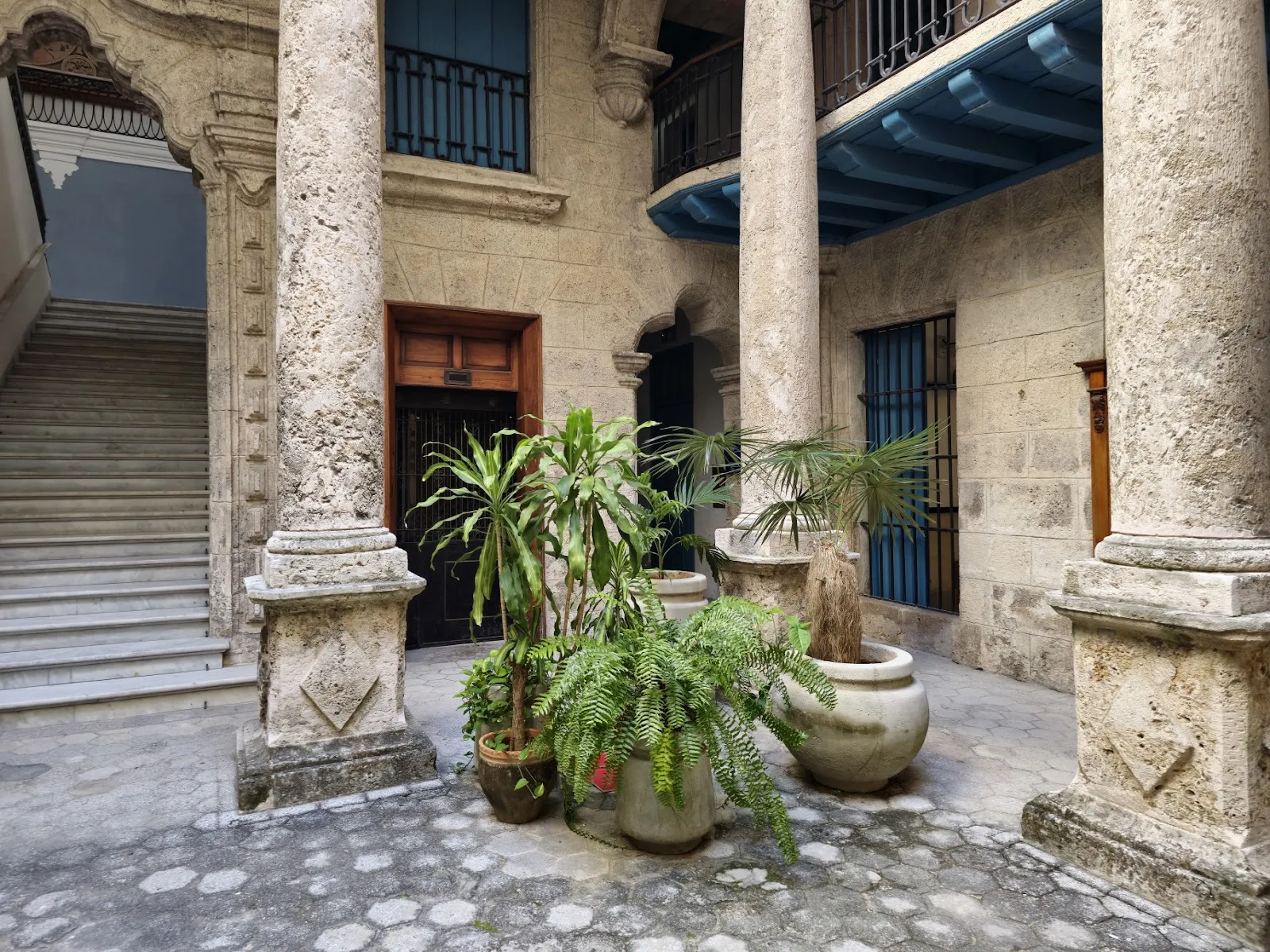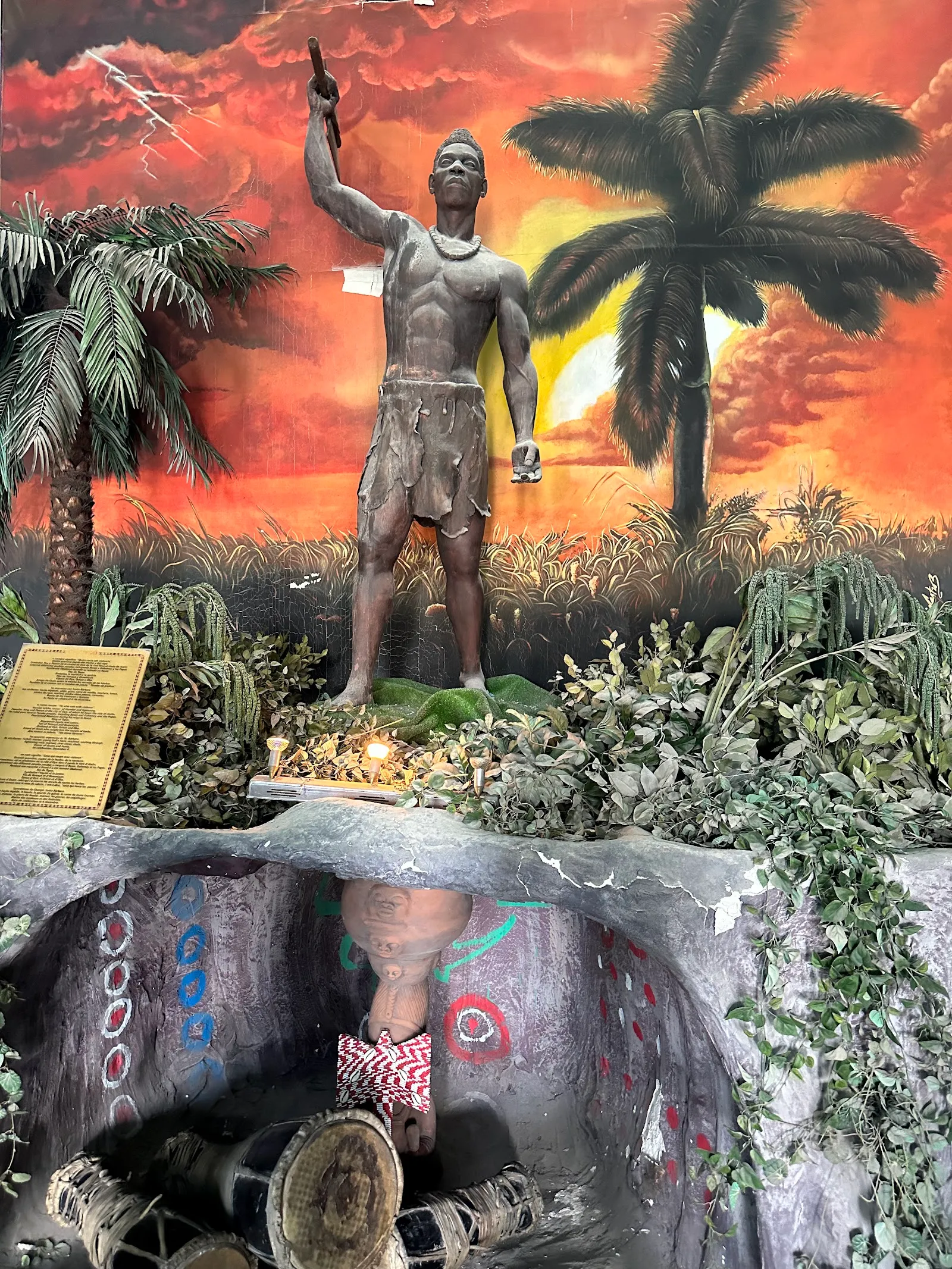
At Prado #615 in Old Havana, the Asociación Cultural Yoruba de Cuba introduces visitors to Yoruba religion and its Afro-Cuban practices. Its collection includes altars and figures representing orishas, with explanations in English, French and Spanish. Staff can answer questions, and the museum is also a place where people pray and leave offerings. Visit on a Friday to see a public drum ceremony, or take time to learn about the beliefs behind the displays.
Yoruba religion in Cuba
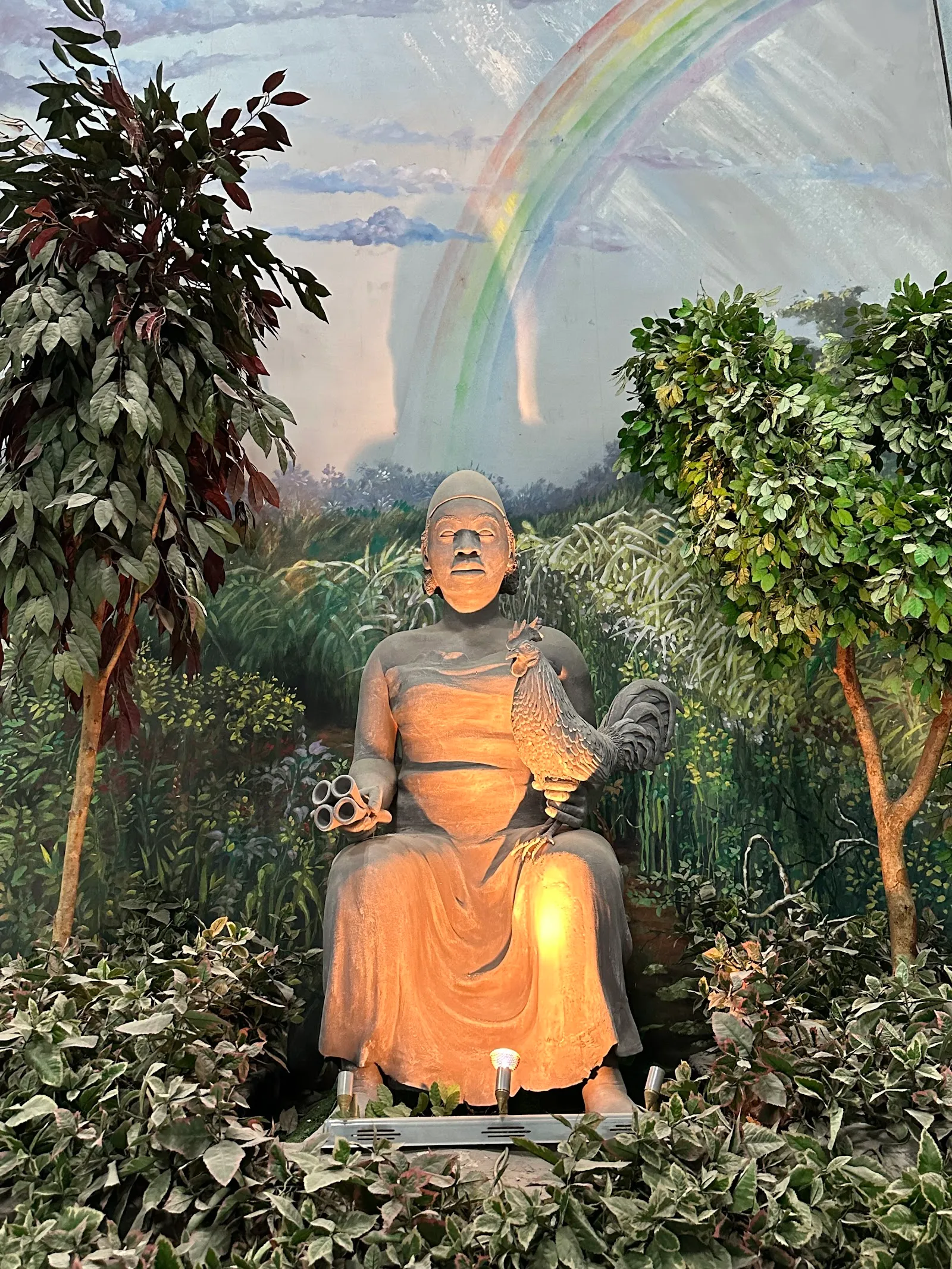
Yoruba religious practice in Cuba developed through the meeting of African traditions and Spanish Catholicism. The resulting Afro-Cuban faith is commonly known as Santería. It has no official churches or temples, and ceremonies often take place in homes or in public.
The faith is passed down orally rather than through scripture. The association’s explanations and displays offer context for understanding its deities and practices.
Altars, prayer and ceremonies
The collection includes altars and figures of orishas, the deities of Yoruba religion. People also come here to pray and leave offerings, so the space has a religious role as well as an educational one.
On Fridays, public tambores bring drumming into the visit. These ceremonies are open to the public; approach them with respect for the people taking part.
FAQ
What can you see at the Asociación Cultural Yoruba de Cuba?
The collection includes altars and representations of orishas, with explanations in English, French and Spanish.
Are the Friday drum ceremonies open to visitors?
Yes. Public tambores, or drum ceremonies, take place on Fridays.
Can you leave an offering at the museum?
Visitors have the opportunity to make donations and offerings. People also come to the site to pray and leave offerings.
Where is the Asociación Cultural Yoruba de Cuba?
It is at Prado #615, between Monte and Dragones, in Old Havana.