Plan a trip
Language: English
Trip plannerPlan your trip on a map

Top destinations

EnglishDeutschFrançaisEspañolPortuguêsPortuguês (BR)Italiano
Travel advisory · ColombiaSome governments advise against travel to parts of Colombia.The warnings cover only these areas: Arauca department, Buenaventura, Caquetá department (excluding Florencia), Casanare department, Cauca department, Chocó department, Ecuador border areas (depth not specified), Guaviare department, Meta department, Norte de Santander department, Panama border areas (Darién Gap, Chocó), Tumaco, Valle del Cauca department, Venezuela border areas (depth not specified), Guainía, Nariño department, Northern Antioquia, Putumayo department, Southern Bolívar, Southern Córdoba, Vaupés, Vichada.Advice depends on your passport. Read your own government's advice before you book.Official advice
Areas with warnings
  • Arauca department · avoid all travel · Canada, Spain, New Zealand, UK, US
  • Buenaventura · avoid all travel · Canada, New Zealand
  • Caquetá department (excluding Florencia) · avoid all travel · Canada, Spain, France, New Zealand
  • Casanare department · avoid all travel · Spain, New Zealand
  • Cauca department · avoid all travel · Canada, Germany, Spain, Italy, New Zealand, UK, US
  • Chocó department · avoid all travel · Canada, Germany, Spain, New Zealand, UK
  • Ecuador border areas (depth not specified) · avoid all travel · France, New Zealand
  • Guaviare department · avoid all travel · Canada, Germany, Spain, France, New Zealand, UK
  • Meta department · avoid all travel · Canada, Spain, New Zealand
  • Norte de Santander department · avoid all travel · Canada, Germany, Spain, New Zealand, UK, US
  • Panama border areas (Darién Gap, Chocó) · avoid all travel · France, New Zealand
  • Tumaco · avoid all travel · Canada, New Zealand
  • Valle del Cauca department · avoid all travel · Canada, Germany, Italy, New Zealand, US
  • Venezuela border areas (depth not specified) · avoid all travel · France, New Zealand
  • Guainía · avoid non-essential travel · Canada, France, New Zealand
  • Nariño department · avoid non-essential travel · Canada, Germany, Spain, France, New Zealand
  • Northern Antioquia · avoid non-essential travel · Germany, France
  • Putumayo department · avoid non-essential travel · Canada, Germany, Spain, France, New Zealand
  • Southern Bolívar · avoid non-essential travel · Germany, France, New Zealand, UK
  • Southern Córdoba · avoid non-essential travel · Germany, France, New Zealand, UK
  • Vaupés · avoid non-essential travel · Canada, France
  • Vichada · avoid non-essential travel · Canada, France, New Zealand

Also named by one government: Brazil border areas (France), Cali–Popayán–Pasto–Ipiales road (France), Catatumbo region (New Zealand), Cesar municipalities of González and Río de Oro (Canada), Communes immediately south of Cali (France), Earthquake-affected zone (Spain), Ecuador border, within 50 km (excluding Ipiales) (Canada), Montes de María (Spain), Northwest Antioquia (Panama border and Gulf of Urabá) (Spain), Pacific coast (Chocó, Cauca, Valle del Cauca) (France), Panama border, within 100 km (Canada), Peru border areas (France), Río Cauca banks (Sucre, Córdoba, Bolívar, northern Antioquia) (France), Rural and mountainous areas (Spain), Venezuela border, immediate areas (Cesar) (Germany), Venezuela border, immediate areas (Norte de Santander) (Germany), Venezuela border, immediate areas (other departments) (Germany), Venezuela border, within 10 km (US), Venezuela border, within 50 km (excluding Cúcuta) (Canada), Amazonas department (France), Amazonas, within 20 km of Peru border (west of Puerto Nariño) (Canada), Antioquia (except Medellín metro area) (New Zealand), Antioquia–Chocó border strip (Canada), Ariari region of southern Meta (UK), Bahía Solano (Canada), Bajo Cauca region (UK), Capurganá (Canada), Cartagena del Chairá (UK), Cúcuta (Canada), Eastern and southern Meta (Germany), Eastern Valle del Cauca (France), Ecuador border, within 5 km (UK), El Doncello (UK), Florencia (Canada), Ipiales (Canada), Jamundí (UK), La Montañita (UK), Medellín hillside communes (France), Nuquí (Canada), Orito (UK), Paramillo National Natural Park (Canada), Paujil (UK), Popayán (Canada), Puerto Asís (UK), Puerto Caicedo (UK), Puerto Carreño (UK), Puerto Guzmán (UK), Puerto Leguízamo (UK), Puerto Rico (UK), Quibdó (France), San Jorge and La Mojana subregions of Sucre (New Zealand), San Miguel (UK), San Vicente del Caguán (UK), Sanquianga region of Nariño (UK), Santander (France), South Pacific region of Nariño (UK), Southern Bogotá working-class districts (France), Southern Sucre (France), Southern Tolima (Germany), Sur sub-region of Cesar (New Zealand), Telembi region of Nariño (UK), Urabá region (UK), Valle del Guamuez (UK), Venezuela border, within 5 km (rest of border) (UK), Western Valle del Cauca (including Buenaventura) (UK)

GovernmentAdviceUpdatedRead the advice
United Kingdom (FCDO)No advice against the whole country (regional advisories)–Read the advice
United States (State Dept)Reconsider travelMar 31, 2026Read the advice
Canada (Global Affairs)Exercise a high degree of caution (regional advisories)–Read the advice
Germany (Auswärtiges Amt)Keine Reisewarnung für das ganze Land (regional advisories)Oct 13, 2026Read the advice
New Zealand (SafeTravel)Exercise increased caution (regional advisories)–Read the advice
France (Ministry for Europe and Foreign Affairs)Increased vigilance, with specific areas to avoid (regional advisories)–Read the advice

Checked daily from the governments' published advice; last checked Nov 3, 2026. RoamLedger summarises official advice; it is not advice from any government.

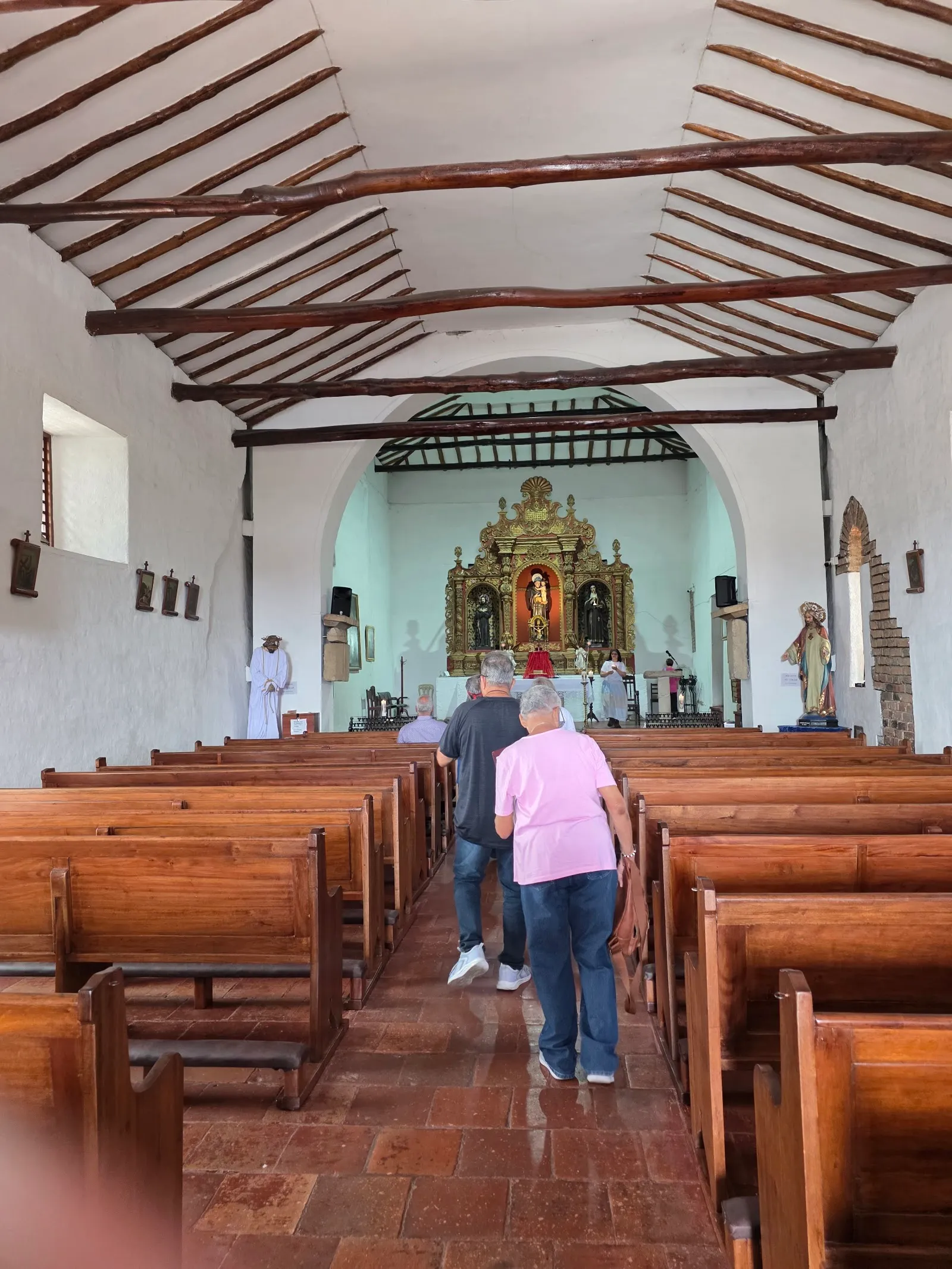
a group of people standing in front of a church
Church

Iglesia de San Antonio

Iglesia de San Antonio in Cali: a church from 1747 on a hilltop, with 17th-century carved saints and city views. Plan a morning or evening visit.

Iglesia de San Antonio is a small whitewashed church on top of San Antonio Hill, west of Cali's historic center. It was built in 1747 and is dedicated to Saint Anthony of Padua. Inside, you can see 17th-century carved wooden saints in the Quito School style. The church sits in a small park with shade trees and benches, and from the hilltop you get wide views over the city. Come in the early morning for quiet, or in the evening for the street scene around the park.

A church from 1747 on San Antonio Hill
Iglesia de San Antonio

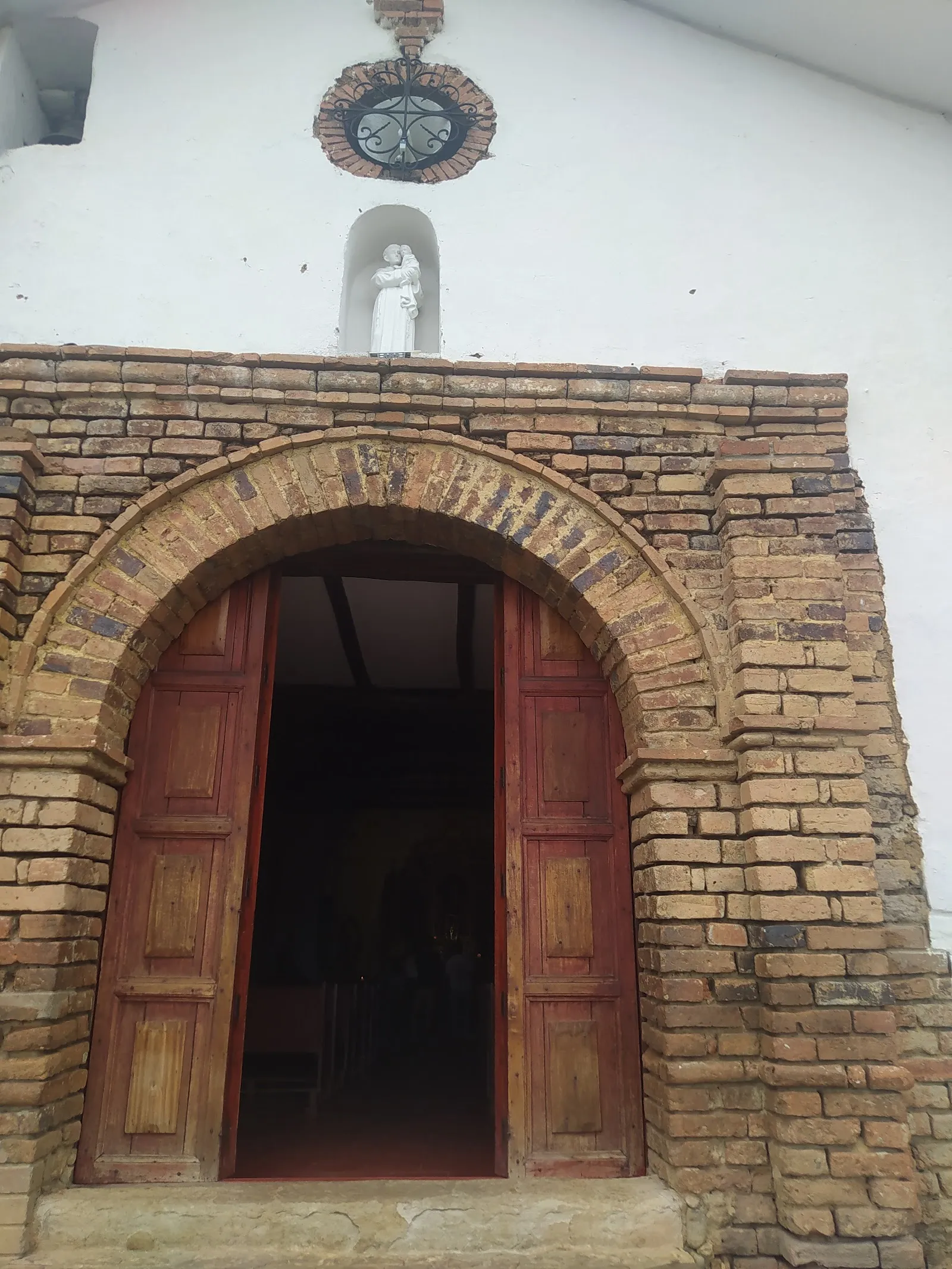
Iglesia de San Antonio was built in 1747, when Cali had fewer than 5,000 inhabitants. It is dedicated to Saint Anthony of Padua and sits on the hill known as Colina de San Antonio, west of the old city center. It is one of the city's colonial buildings, with a simple brick and whitewashed front.

The hill gives the church its setting. The surrounding San Antonio neighborhood mixes old colonial houses with small shops, galleries and restaurants, and its streets are full of color and artwork.

Inside the church
Iglesia de San Antonio

The interior keeps original elements from the 1700s. The main altar is in the Baroque style and carries colonial-era paintings. The most valuable pieces are the tallas quiteñas, carved wooden statues of saints from the 17th century, made in the style of the Quito School. The church is small, so the figures are close enough to study slowly.

Many people come here to pray, and the statue of Saint Anthony is a focus for them. Keep your voice low, give worshippers room, and ask before photographing anyone at prayer.

The park and the view

The church sits in a small park with shade trees, benches and gardens. It is a good spot for birdwatching and for slow mornings. From the top of the hill, the view takes in much of the city. In the early morning, the hill is much quieter than the streets below.

The climb involves many steps, and the hill gets very hot around midday, so plan the walk for morning or late afternoon.

Evenings and weekends

On Thursday, Friday and Saturday, performers, storytellers and vendors gather around the park. Vendors sell snacks, candy, roasted corn, handicrafts and trinkets, so you can buy something as you walk. Weekend nights are the busiest time, when friends meet in the park.

In December, the park is lit with Christmas lights, and the area has activities every evening. Later at night, the area becomes quiet.

Getting there and eating nearby

A paid parking lot is on site, along with a wheelchair accessible parking lot. Shops and restaurants surround the park, which makes the church a good stop for a midday or early evening break.

Parador San Antonio, a short walk down the hill, serves empanadas and ají, a homemade Colombian hot sauce. La Boheme, a tapas bar built into the hillside, is also nearby, with craft beer on the menu.

FAQ

Is the church open every day?

Yes, it is open every day of the week. Check the page for the current hours before you go.

Is there parking?

Yes. There is a paid parking lot and a wheelchair accessible parking lot.

What is the best time to visit?

Early morning is quiet and suits a relaxed look at the church and the view. Thursday to Saturday evenings bring performers and vendors, and weekend nights are the busiest.

Is it a steep walk up?

The church is at the top of a hill, and the route involves many steps. The area gets very hot around midday, so morning or late afternoon is more comfortable.
More must-sees in Cali

Explore all