Chiloé
Chiloé is an island off southern Chile known for its wooden churches, stilt houses over the water and seafood-based cooking.
We may earn a commission. It never decides our picks.
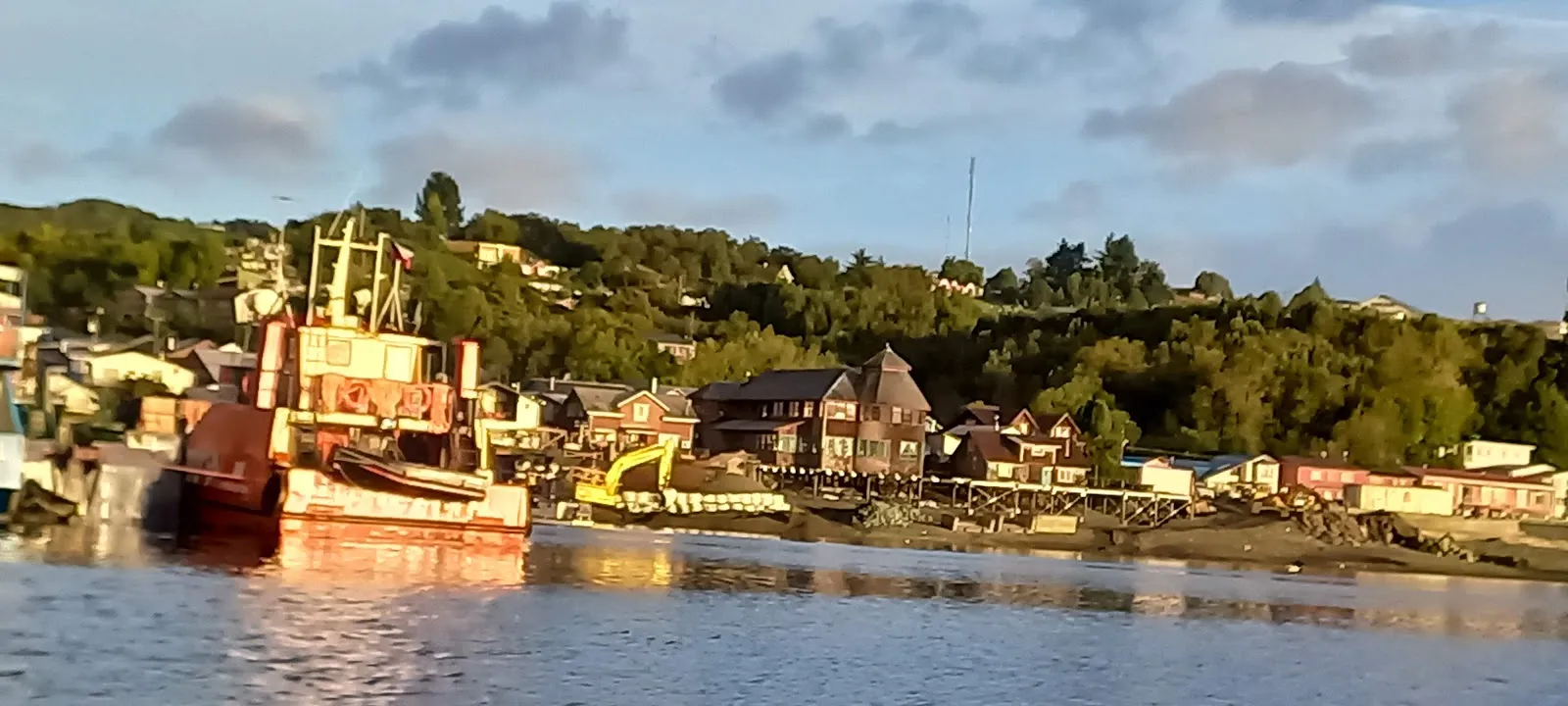
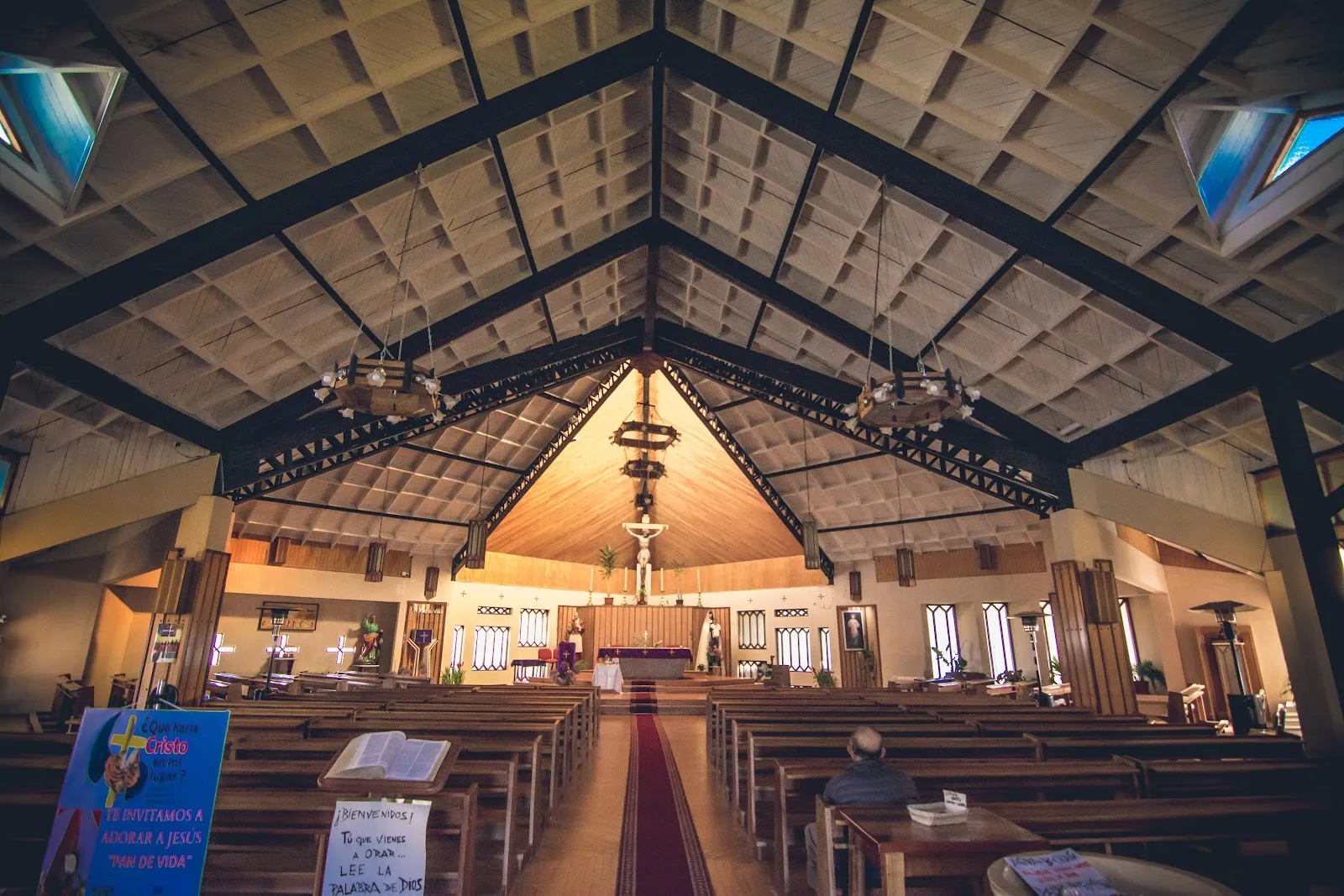
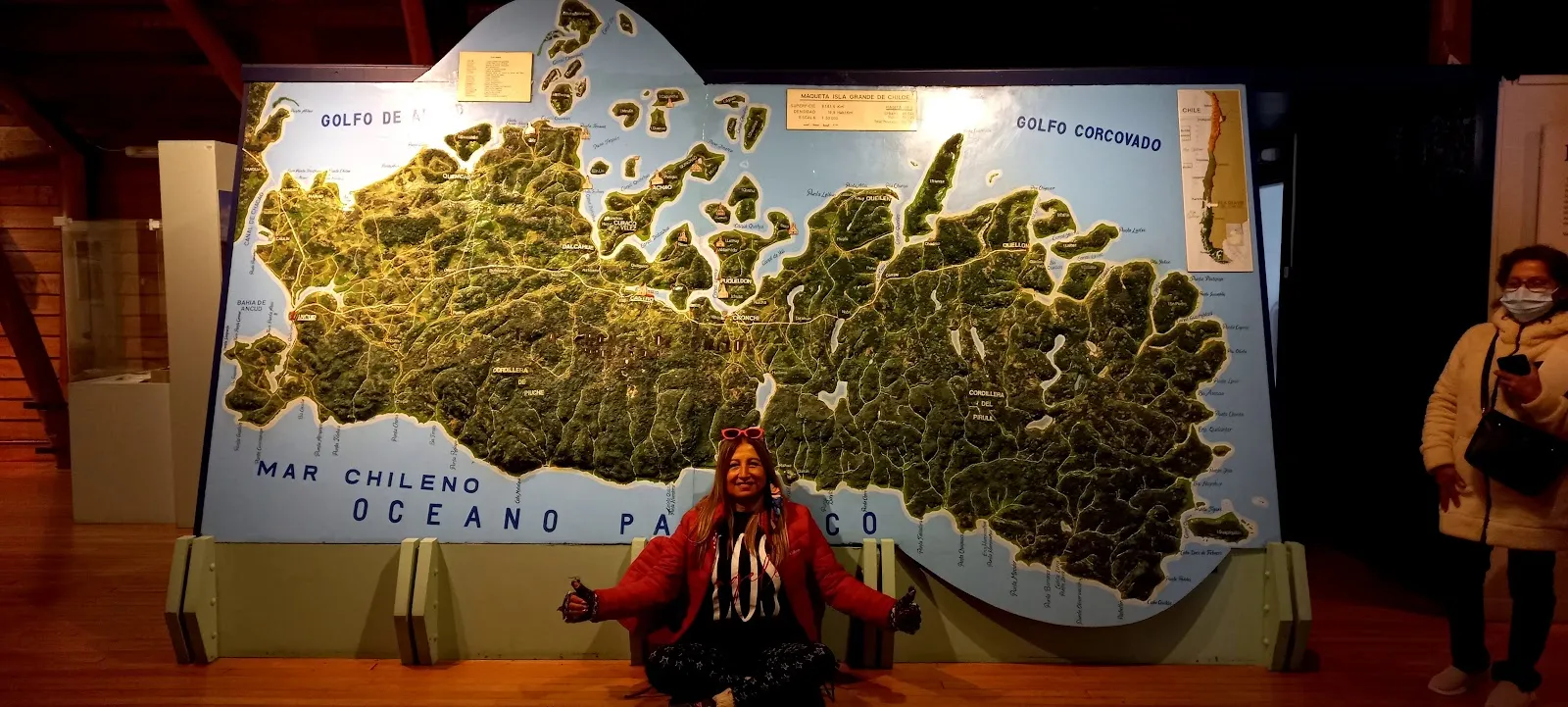
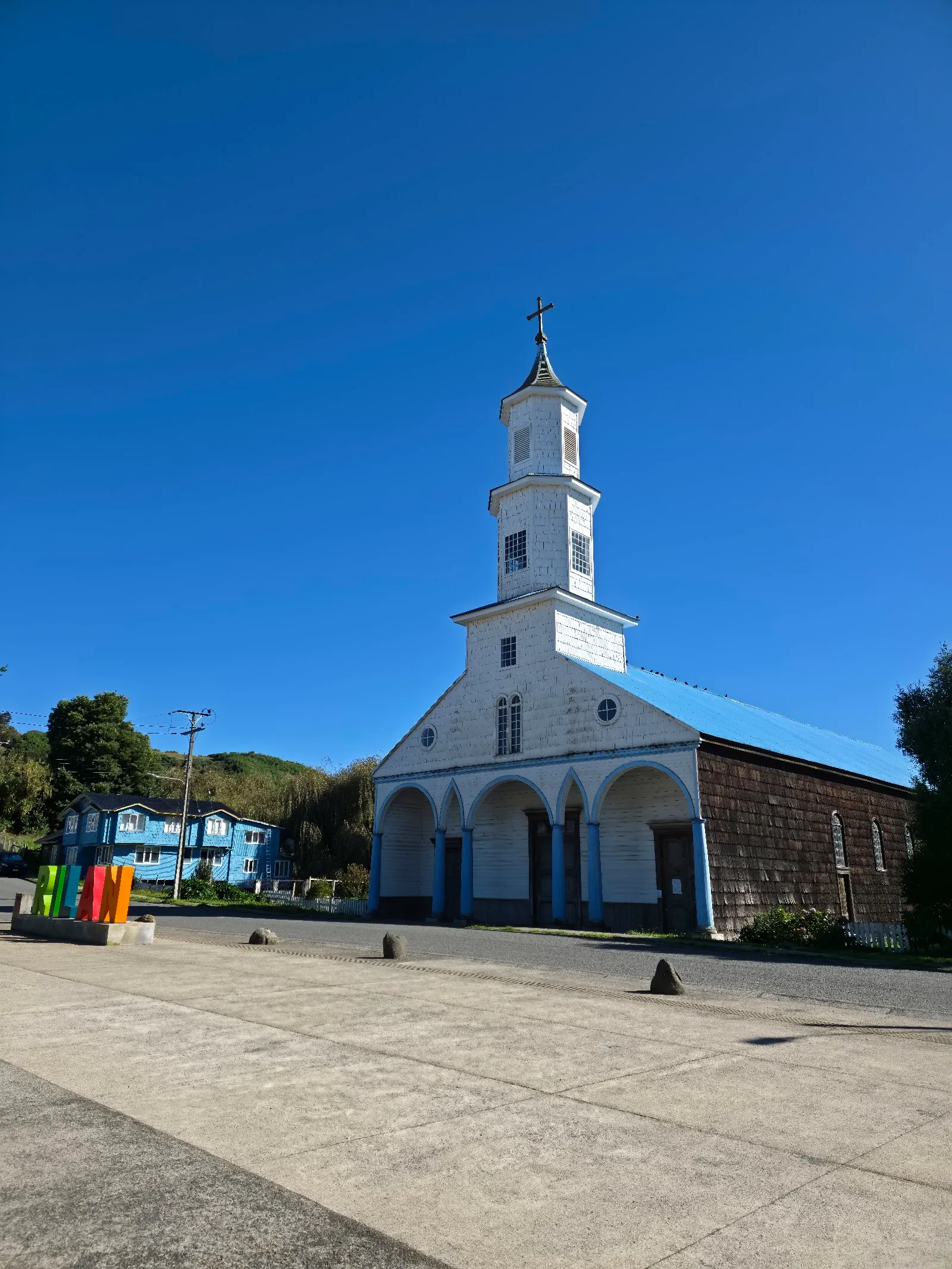
Chiloé is the largest island in the Chiloé Archipelago, off the Pacific coast of southern Chile in the Los Lagos Region. You reach it by road and ferry from the mainland. You can base yourself in Castro, the historic capital, or in Ancud in the north. The island is known for its wooden churches, many built by local craftspeople in the 18th and 19th centuries, and for the palafitos, houses on stilts along the waterfront in Castro and nearby towns.
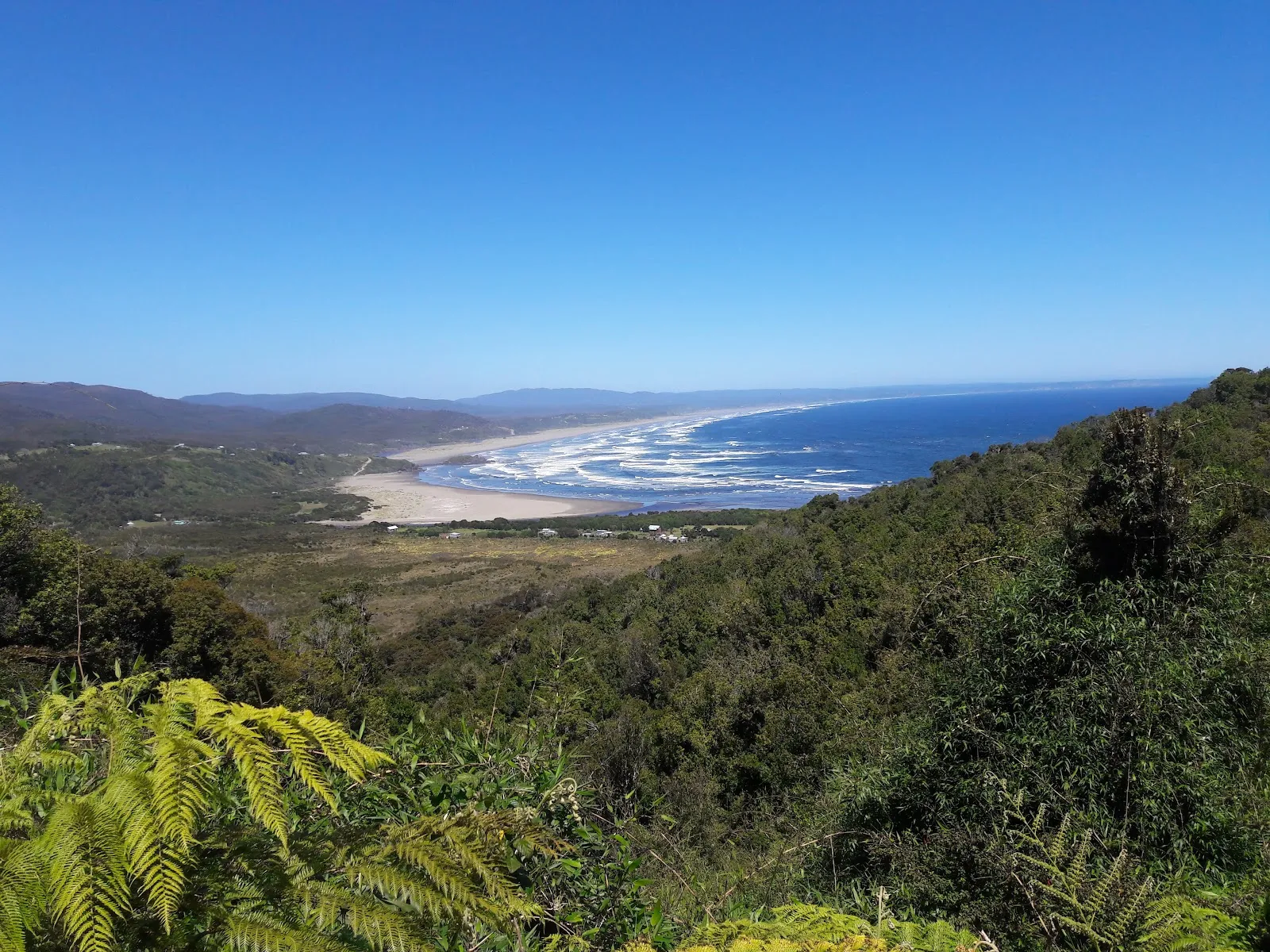
Food is a draw in its own right. Chilote cooking relies on seafood, shellfish and potatoes, and the dish most associated with the island is curanto, cooked in a pit with hot stones and covered with leaves. Chiloé also has temperate rainforest and a coastline of bays and small villages. Rain is possible in any month, so pack for wet weather. December to March is the drier season. Four to five days covers the churches, Castro and a few villages. A week leaves room for the national park and the outer coast.
Chiloé in five
- Get a Chilean SIM or eSIM before the ferrySignal thins out on the rural roads of Chiloé, so set up data on the mainland and download offline maps before you cross.Phones and eSIM
- Carry Chilean pesos in cashSmall guesthouses, bakeries and rural shops can take cash only. Carry enough pesos before you head into the countryside.Money and costs
- Plan around the Pargua to Chacao ferryThe ferry from Pargua to Chacao is the main road link to Chiloé. Vehicles can queue for a long time in high season, so leave margin before any flight or onward booking.Getting around
- Book a stilt house in Castro earlyThe palafitos over the water in Gamboa, Castro, are popular in summer. Book early and ask whether the room faces the water before you pay.Where to stay
- Visit the wooden churches on a SundaySome of the wooden churches open mainly for services, so Sunday Mass is a practical way inside.
Things to do in Chiloé
See all attractions in Chiloé

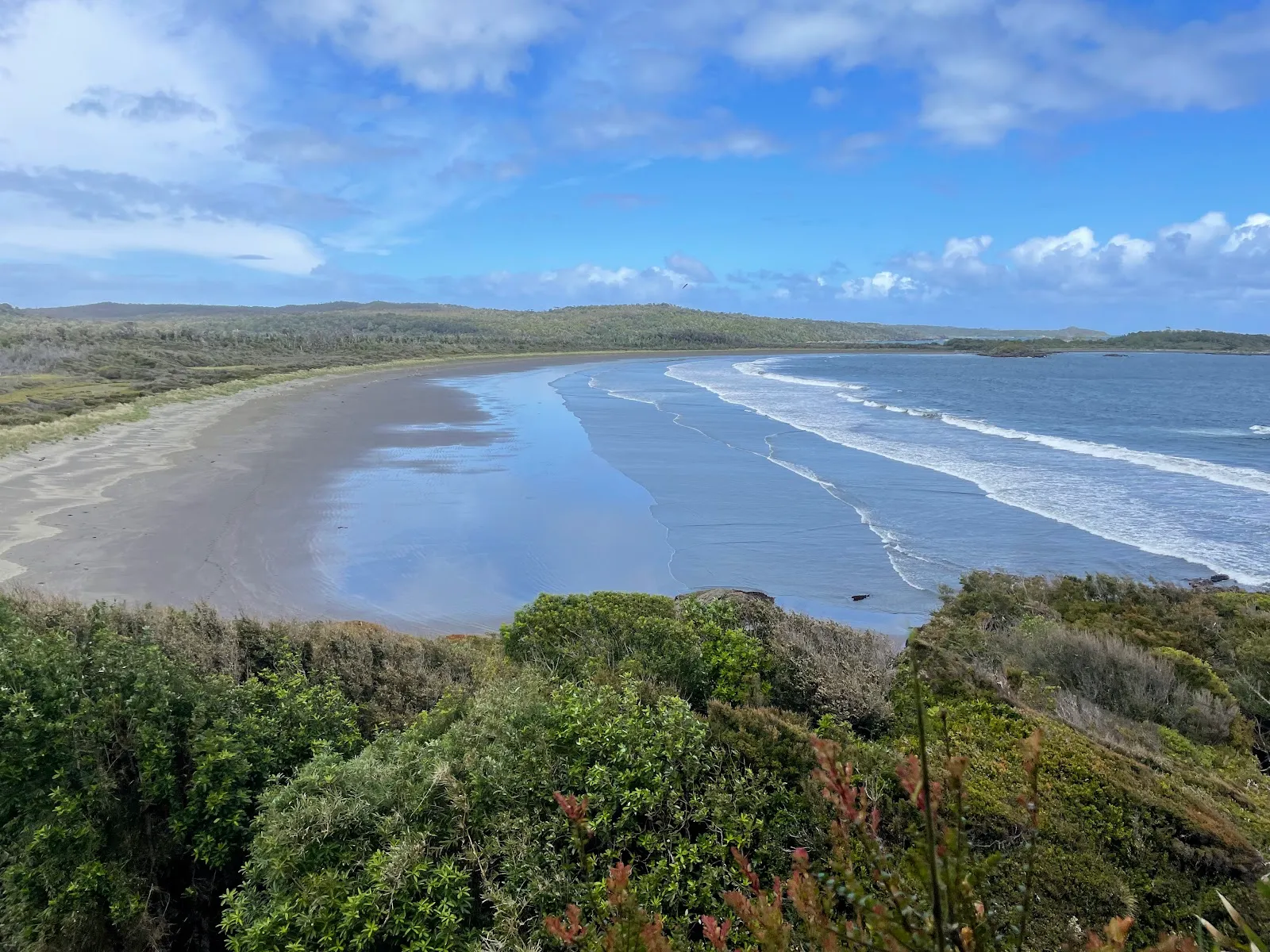
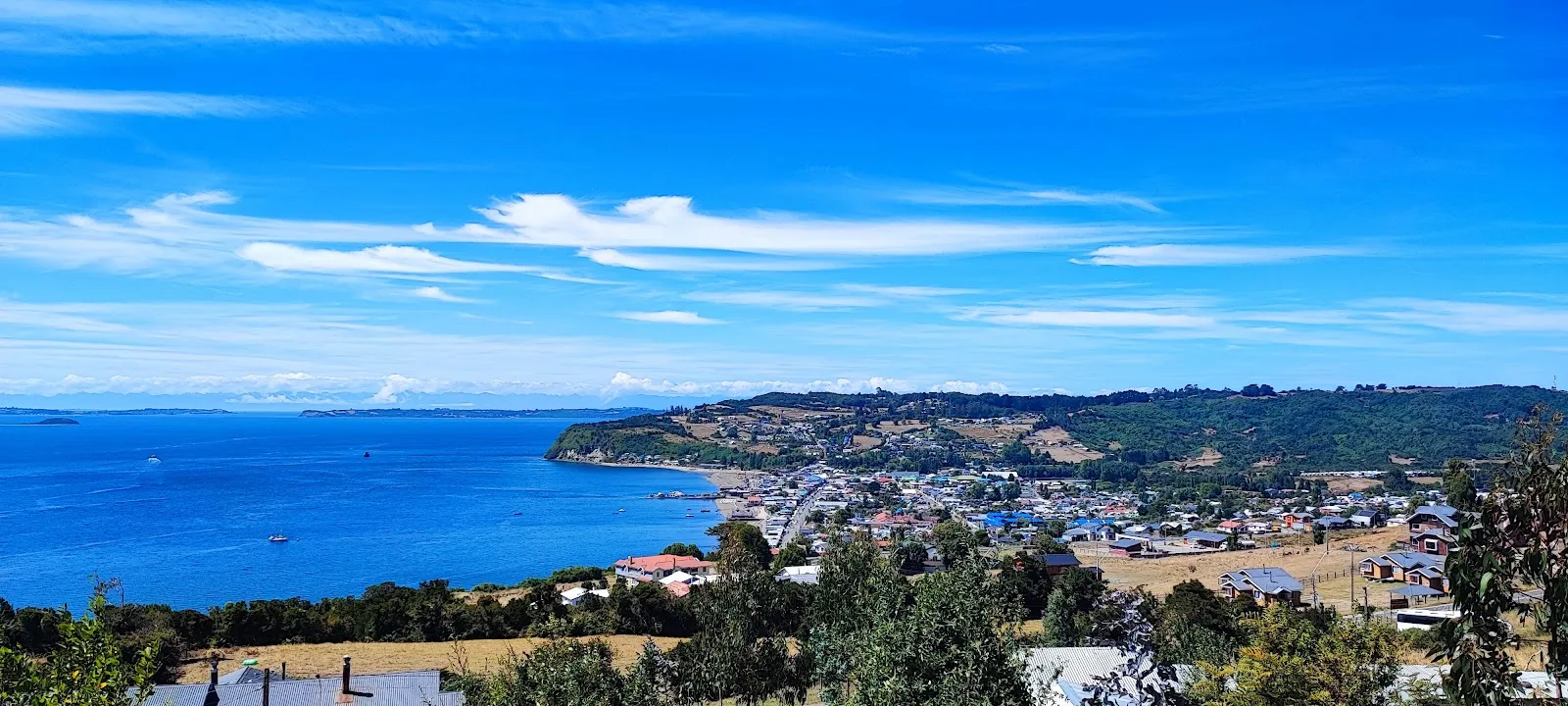
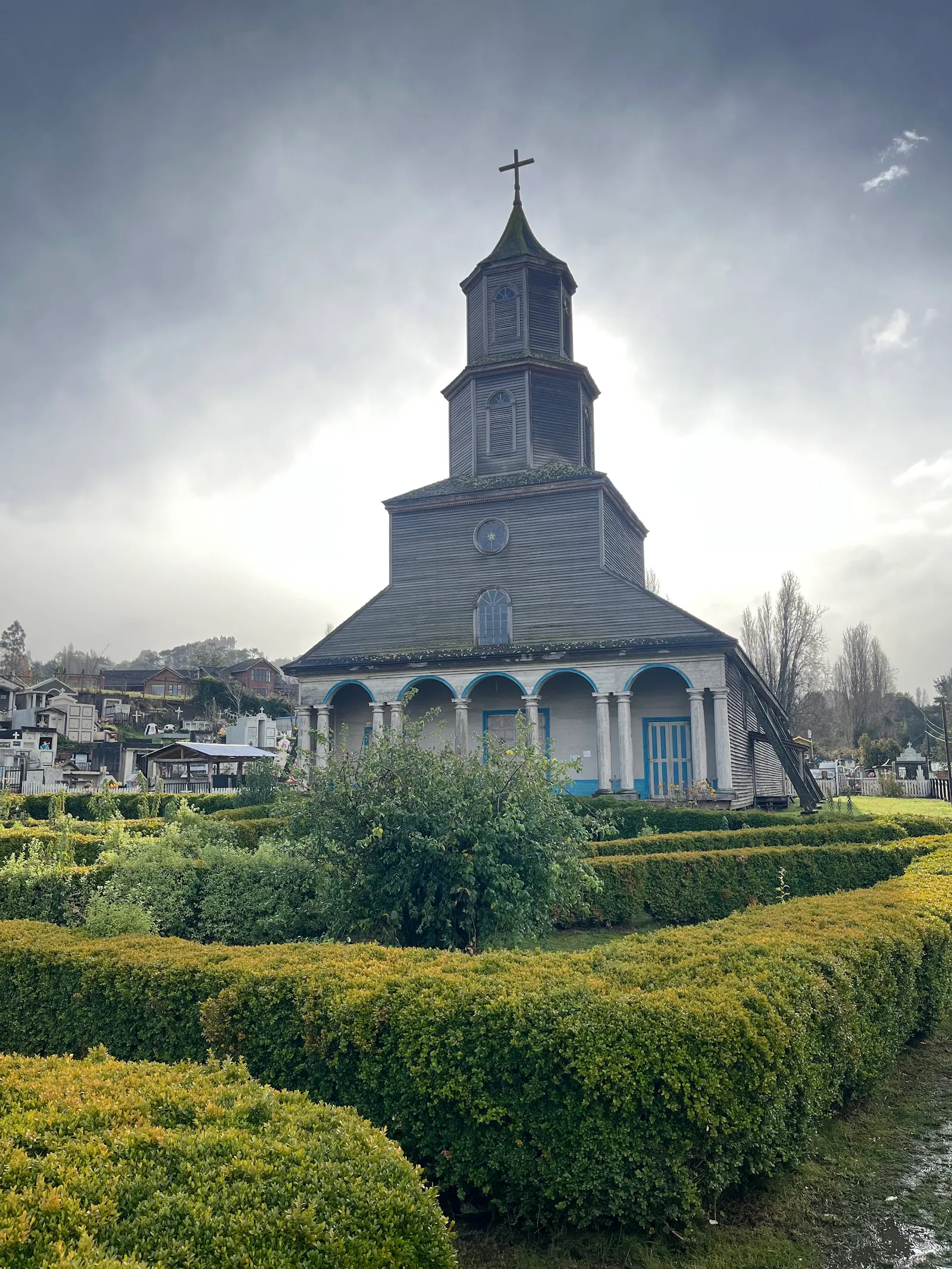


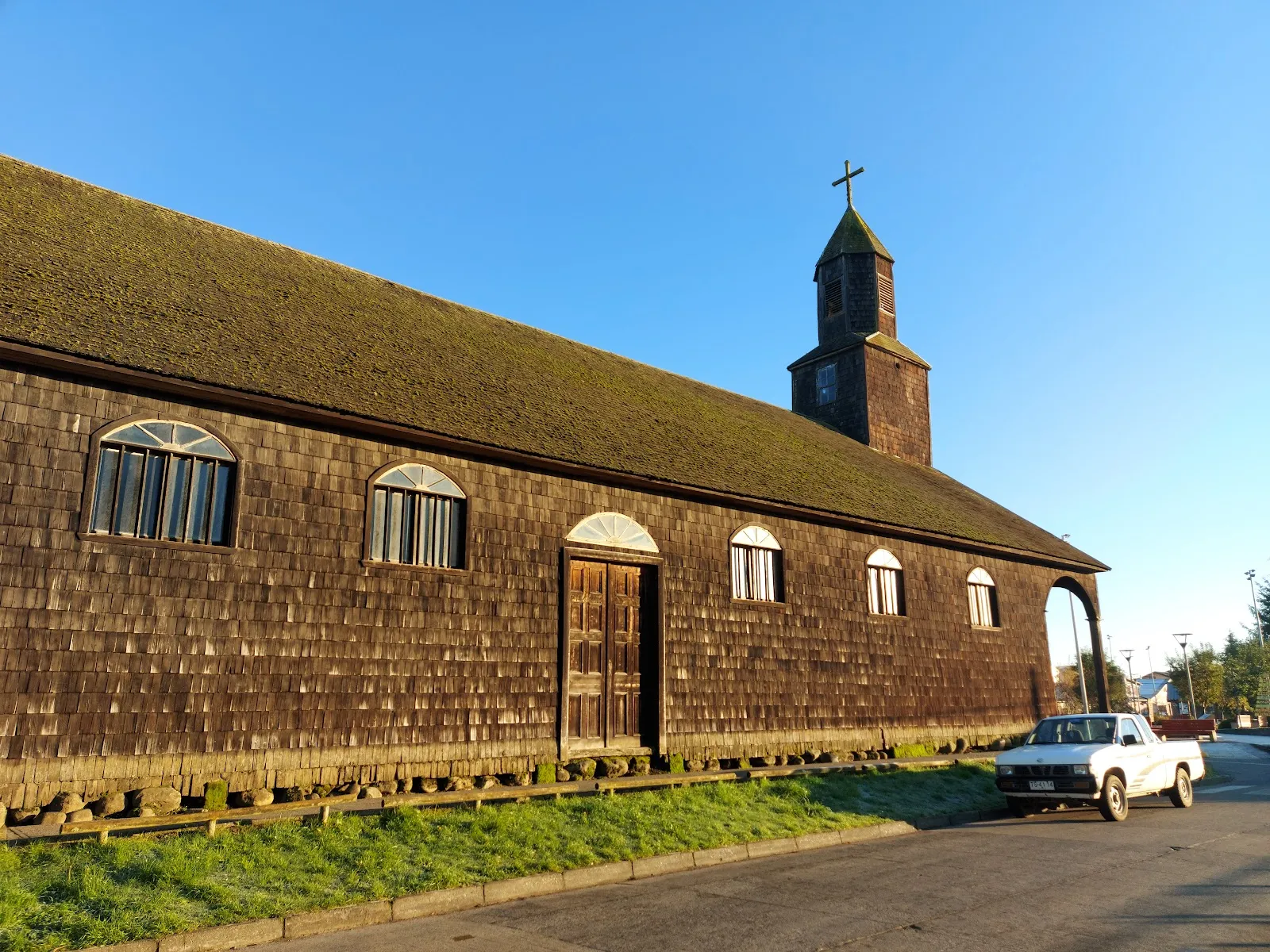

Need to know
- Currency
- Chilean peso (CLP)
- Entry
- Visa-free short stays for many passports; check your nationality
- Emergency
- 133 police, 131 ambulance, 132 fire
- Tipping
- About 10% is customary; restaurant bills often add a 10% propina you can ask to remove
- Time
- UTC-4, with daylight saving to UTC-3 in summer
Weather by month
- Best
- Good
- Mixed
- Poor
- JanuaryCold, wet
- FebruaryCool, wet
- MarchMild, drier
- AprilWet, cooling
- MayWet, windy
- JuneCold, wet
- JulyCold, windy
- AugustCold, wet
- SeptemberSpring, wet
- OctoberMild, wet
- NovemberGreening, mild
- DecemberLong days, busy
Right now in Chiloé
Local time, today's weather and the exchange rate, refreshed through the day.

14
- Feels like
- 12°
- Humidity
- 58%
- Wind
- 6 km/h
- Chance of rain
- 100%
Chiloé
05:43 PM
Monday, November 2
- Today14°7°100%Monday: Rain. High 14°, Low 7°. Chance of rain 100%.
- Tue15°5°100%Tuesday: Thunderstorms. High 15°, Low 5°. Chance of rain 100%.
- Wed13°9°100%Wednesday: Rain. High 13°, Low 9°. Chance of rain 100%.
- Thu13°8°100%Thursday: Thunderstorms. High 13°, Low 8°. Chance of rain 100%.
- Fri15°7°6%Friday: Cloudy. High 15°, Low 7°. Chance of rain 6%.
- Sat17°7°2%Saturday: Cloudy. High 17°, Low 7°. Chance of rain 2%.
- Sun21°6°1%Sunday: Clear. High 21°, Low 6°. Chance of rain 1%.
Updated 01:19 PM local time · Powered by WeatherAPI.com · Weather data by Open-Meteo.com
Money
Mid-market rate1 USD = 990.8 CLP
Rates from Nov 2, 2026 · Rates By Exchange Rate API
Day trips by train
- Dalcahueabout 30 min by road from CastroThe Sunday craft market and the wooden church make a relaxed morning.
- Ancudabout 1 hour by road from CastroThe northern town, with a quieter pace and the Pacific coast beyond it.
- Puñihuilabout 1 hour by road from CastroPenguin colonies on the Pacific coast.
Before you go to Chiloé
Rules for Chiloé, checked
- Declare fresh food, plants and animal products on arrival; check the SAG biosecurity rules before you fly.Source
- Check entry requirements for your passport on the Chilean immigration service site before you book.Source
- Carry your passport at all times; Carabineros may ask for identification on roads and at checkpoints.
Plan around Chiloé
Regions, routes and how Chiloé fits the wider trip
Read the guideGetting aroundFerry, buses and car hire to and on the island
Read the guideMoney and cardsPaying in pesos and where cash runs out
Read the guideVisas and entryWho needs a visa and what to check before you fly
Read the guideWhere to stayCastro, Ancud and rural lodges on the island
Read the guidePhones and eSIMData for maps and bookings on the island
Read the guideChiloé FAQ
Is Chiloé worth visiting?
Yes, for three to five days. The wooden churches, the stilt houses in Castro and the Sunday craft market in Dalcahue make a full trip, with the coast for wildlife.
How do you get to Chiloé?
Drive or take the bus to Pargua and cross on the ferry to Chacao, or fly to Mocopulli airport near Castro.
How many days do you need on Chiloé?
Three days covers Castro, Dalcahue and one trip to see the penguins. Add days for the national park and the rural churches.
Do I need a car on Chiloé?
Yes, if you want to reach churches and coastal villages on your own schedule. Buses link Castro with the main towns.
Where should I stay on Chiloé?
Castro for the stilt houses and most services. Ancud suits quieter nights and penguin trips. Stay in one base if you do not plan to drive.
Can you visit Chiloé as a day trip from Puerto Montt?
Not comfortably. The ferry crossing and the drive to Castro leave little time on the island, so stay at least one night.