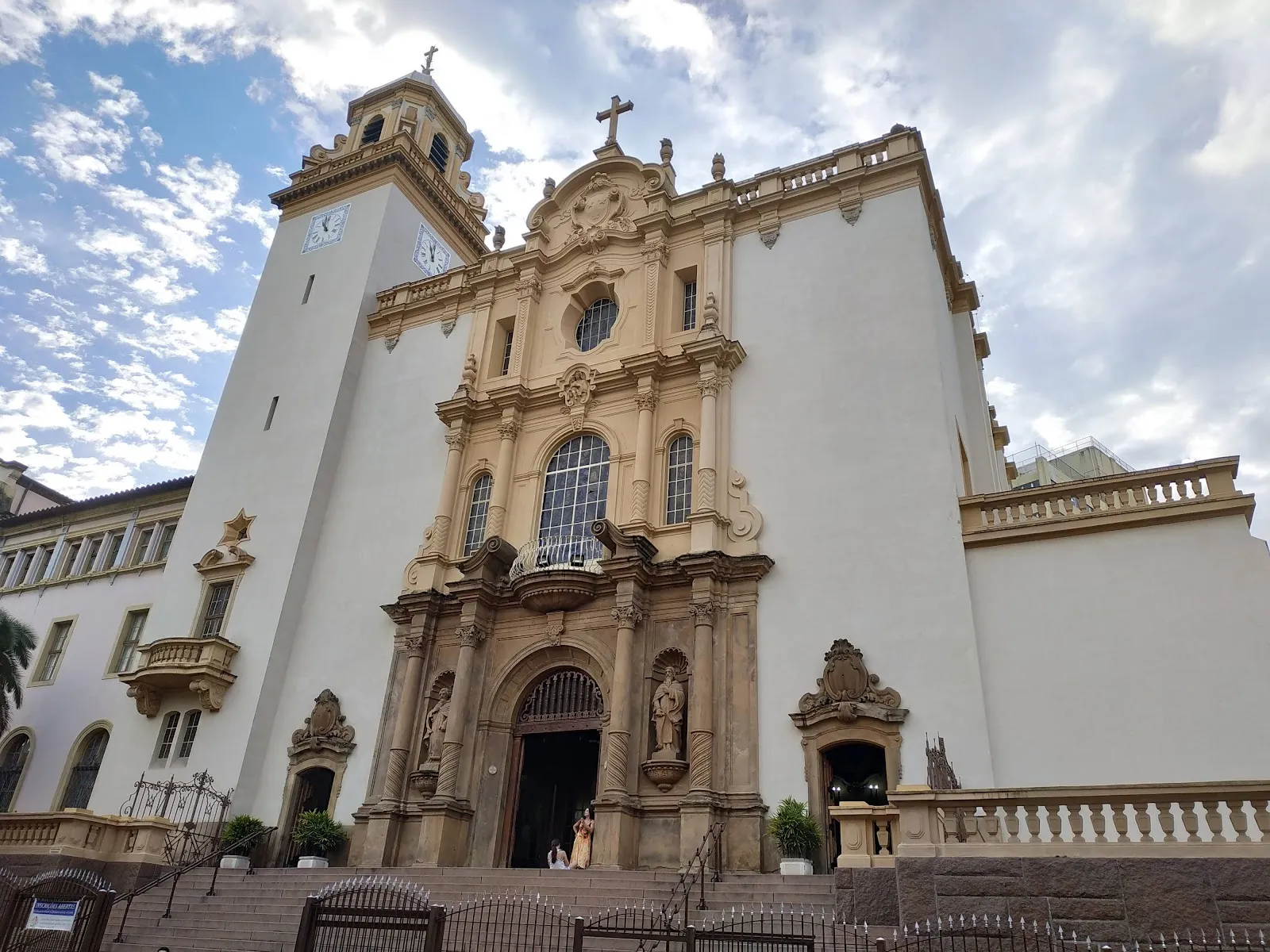
Theatro Municipal stands in Praça Ramos de Azevedo in central São Paulo, a short walk from Anhangabaú subway station. Opened in 1911, it was designed by Domiziano Rossi and Cláudio Rossi with Paris’s Opéra Garnier as an inspiration. Inside, gold and marble, painted details, grand stairways and a stained-glass dome reward a visit even without a ticket to a performance. The program includes opera, ballet, theatre and classical music. Check the theatre’s website for current shows and guided-tour details before you go.
A theatre inspired by Paris
Construction began in 1903, with architects Domiziano Rossi and Cláudio Rossi designing the building for the Ramos de Azevedo office. The theatre opened in 1911, and its first production was the opera Hamlet by Ambroise Thomas. Its design drew on Paris’s Opéra Garnier, while the exterior and interior bring together several decorative styles, including Beaux-Arts and Art Nouveau elements.
The building’s scale and elaborate finish reflected the ambition behind São Paulo’s new theatre. European materials were used in its construction, and later restorations refreshed the building while retaining its historic character. A restoration completed in 2011 renewed its ornamented interiors.
Details to look for inside
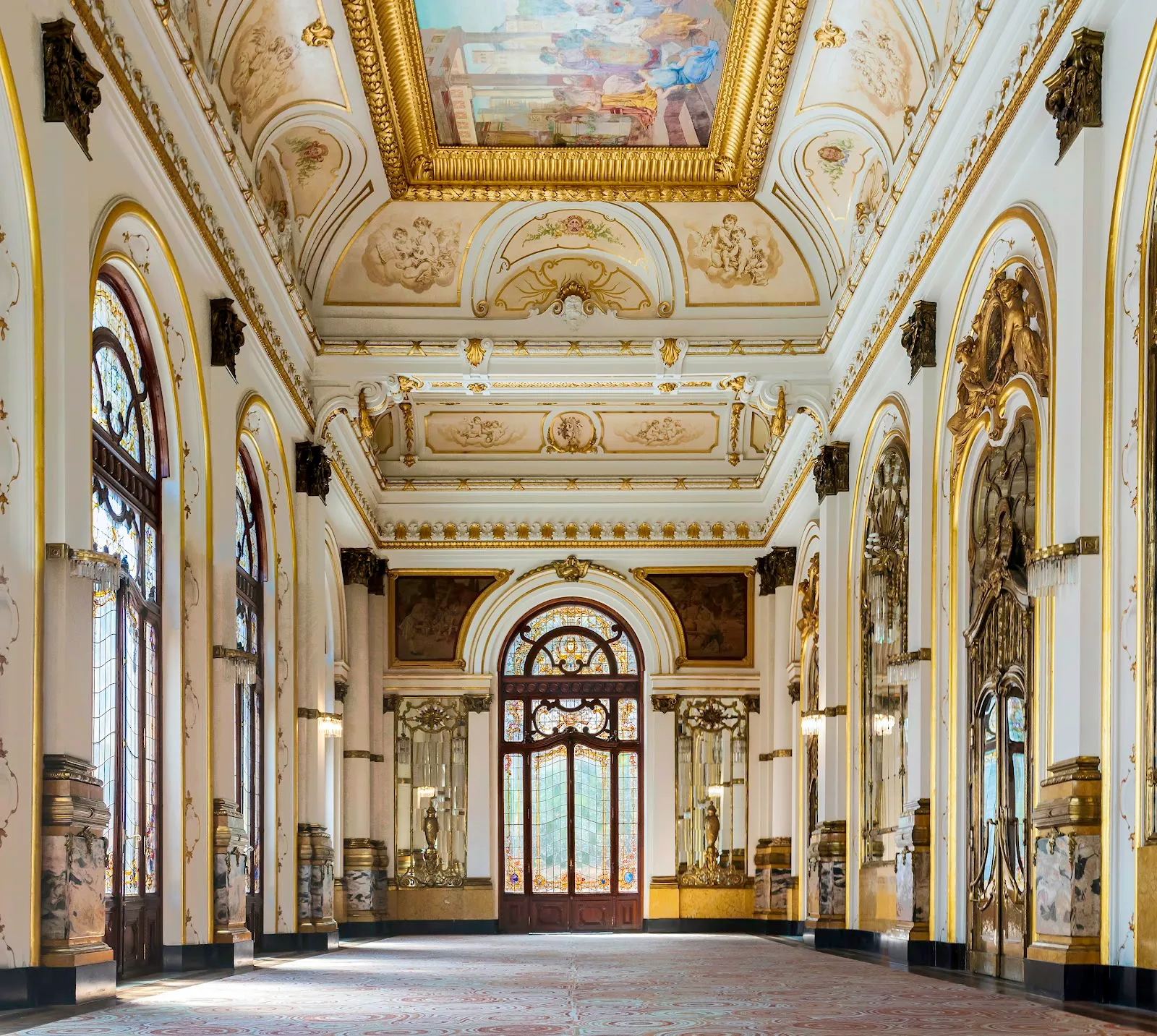
The interior is richly decorated with marble, gold-toned surfaces, paintings, sculptural details and sweeping staircases. In the lobby, look up for the stained-glass dome. The auditorium, which seats about 1,600 people, is known for its acoustics and remains the setting for performances.
A guided visit is a way to see the historic rooms without attending a show. The theatre also has a museum that preserves objects, documents and records connected with its history. Some of its material appears in a long-term display, alongside temporary exhibitions on subjects such as the building and its productions. Tour access and schedules can change, so check the theatre’s website before setting out.
Performances and planning a visit
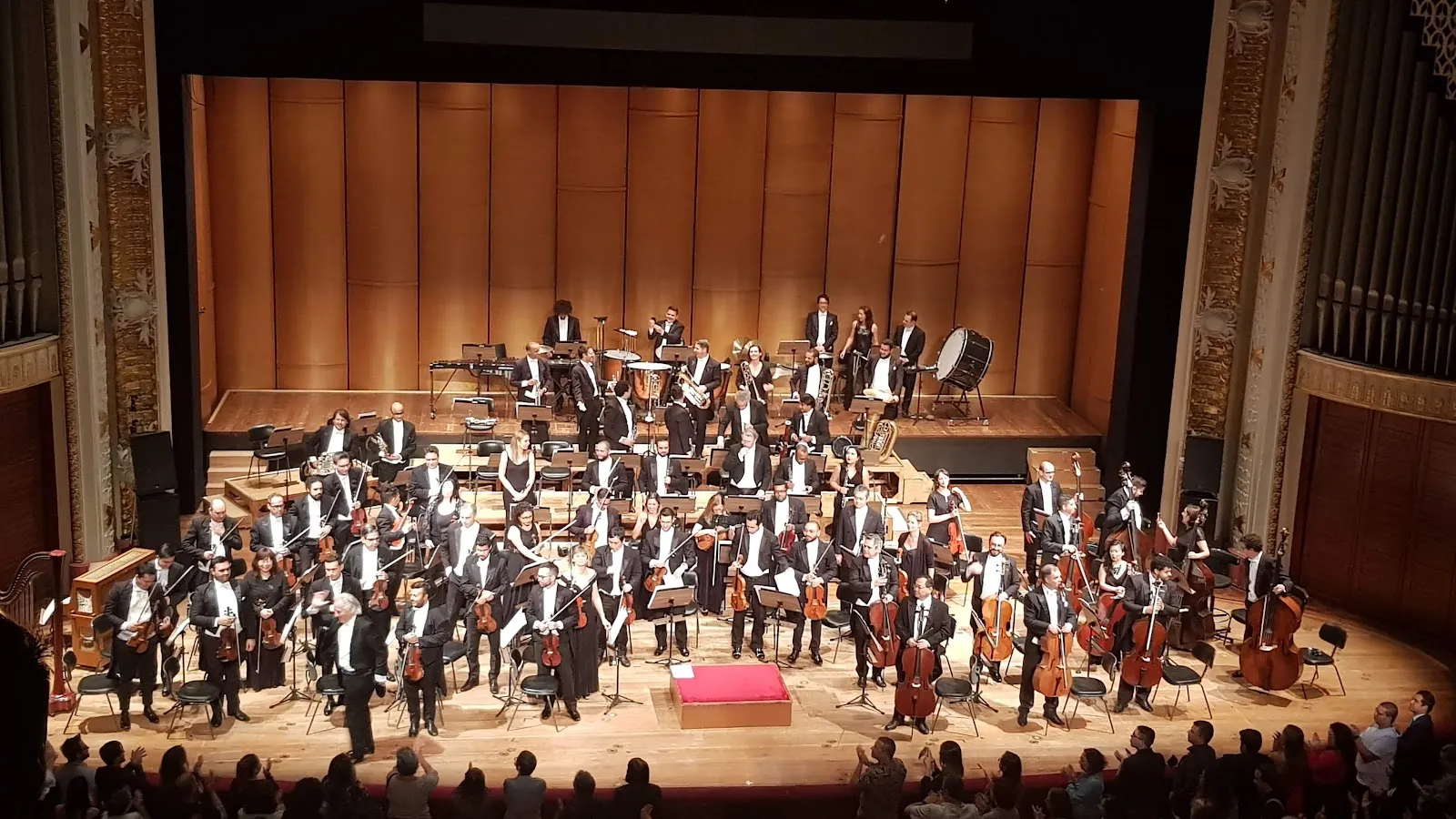
Theatro Municipal continues to host opera, ballet, plays and classical music, including performances by local music and dance schools as well as established artists. The São Paulo Symphony Orchestra, choir and municipal ballet also perform there. Check the current program online and reserve tickets in advance if you plan to attend.
The theatre is in the city center, near Anhangabaú subway station, and can fit into a walk around downtown. Shopping Light, nearby, has cafes for a meal or a coffee before or after your visit. The surrounding historic district is best explored during the day.
FAQ
When did Theatro Municipal open?
The theatre opened in 1911. Construction began in 1903.
What performances take place at Theatro Municipal?
The program includes opera, ballet, theatre and classical music. The venue also hosts performances by local music and dance schools.
Can you visit without seeing a performance?
Yes. Guided tours allow visitors to see the historic interior, and the theatre has a museum with displays related to its history. Check current tour availability before going.
Should I book tickets in advance?
Yes. Book performance tickets ahead of time through the theatre’s website.