Planifier un voyage
Langue: Français
Planificateur de voyagePlanifiez votre voyage sur une carte

Destinations incontournables

EnglishDeutschFrançaisEspañolPortuguêsPortuguês (BR)Italiano
Avis aux voyageurs · BrésilSão Paulo se trouve dans ou près d'une zone où les gouvernements déconseillent tout voyage sauf essentiel : Favelas et habitats informels dans les grandes villes.Les conseils dépendent de votre passeport. Consultez ceux de votre propre gouvernement avant de réserver.Conseils officiels
Zones signalées
  • Ceilândia · éviter les voyages non essentiels · Italie, États-Unis
  • Favelas et habitats informels dans les grandes villes · éviter les voyages non essentiels · Espagne, Nouvelle-Zélande, États-Unis
  • Paranoá · éviter les voyages non essentiels · Italie, États-Unis
  • Santa Maria · éviter les voyages non essentiels · Italie, États-Unis
  • São Sebastião · éviter les voyages non essentiels · Italie, États-Unis
  • Zone frontalière avec le Venezuela · éviter les voyages non essentiels · Allemagne, France

Également signalé par un seul gouvernement : Bande de 160 km le long de toutes les frontières terrestres (États-Unis), Complexo da Maré (Canada), Complexo da Penha (Canada), Bande de 20 km le long de la frontière bolivienne (hors parc national du Pantanal) (Canada), Bande de 20 km le long de la frontière colombienne (Canada), Bande de 20 km le long de la frontière avec la Guyane française (Canada), Bande de 20 km le long de la frontière avec le Guyana (Canada), Bande de 20 km le long de la frontière paraguayenne (Canada), Bande de 20 km le long de la frontière péruvienne (Canada), Bande de 20 km le long de la frontière avec le Suriname (Canada), Bande de 50 km le long de la frontière vénézuélienne (Canada), Fleuve Amazone et ses affluents entre Codajás et Belém do Solimões (État d'Amazonas) (Royaume-Uni), Zones frontalières (non précisées) (France), Parc national de la Chapada Diamantina (Trilha do 21) (Espagne), Planaltina (Italie), Favelas de Rio de Janeiro (Allemagne), Samambaia (Italie)

GouvernementConseilsMis à jourLire les conseils
Royaume-Uni (FCDO)No advice against the whole country (regional advisories)–Lire les conseils
États-Unis (State Dept)Exercise increased caution (regional advisories)31 août 2026Lire les conseils
Canada (Affaires mondiales)Exercise a high degree of caution (regional advisories)–Lire les conseils
Allemagne (Auswärtiges Amt)No advice against the whole country (regional advisories)27 oct. 2026Lire les conseils
Nouvelle-Zélande (SafeTravel)Exercise increased caution due to high crime rates (regional advisories)–Lire les conseils
France (ministère de l'Europe et des Affaires étrangères)Vigilance renforcée (pays à risque) (regional advisories)–Lire les conseils

Vérifié quotidiennement d'après les conseils publiés par les gouvernements ; dernière vérification le 3 nov. 2026.RoamLedger résume les conseils officiels ; il ne s'agit pas de conseils émanant d'un gouvernement.

Theatro Municipal
Performing arts theater

Theatro Municipal

Theatro Municipal stands in Praça Ramos de Azevedo in central São Paulo, a short walk from Anhangabaú subway station.

Theatro Municipal stands in Praça Ramos de Azevedo in central São Paulo, a short walk from Anhangabaú subway station. Opened in 1911, it was designed by Domiziano Rossi and Cláudio Rossi with Paris’s Opéra Garnier as an inspiration. Inside, gold and marble, painted details, grand stairways and a stained-glass dome reward a visit even without a ticket to a performance. The program includes opera, ballet, theatre and classical music. Check the theatre’s website for current shows and guided-tour details before you go.

A theatre inspired by Paris
Theatro Municipal
Theatro Municipal

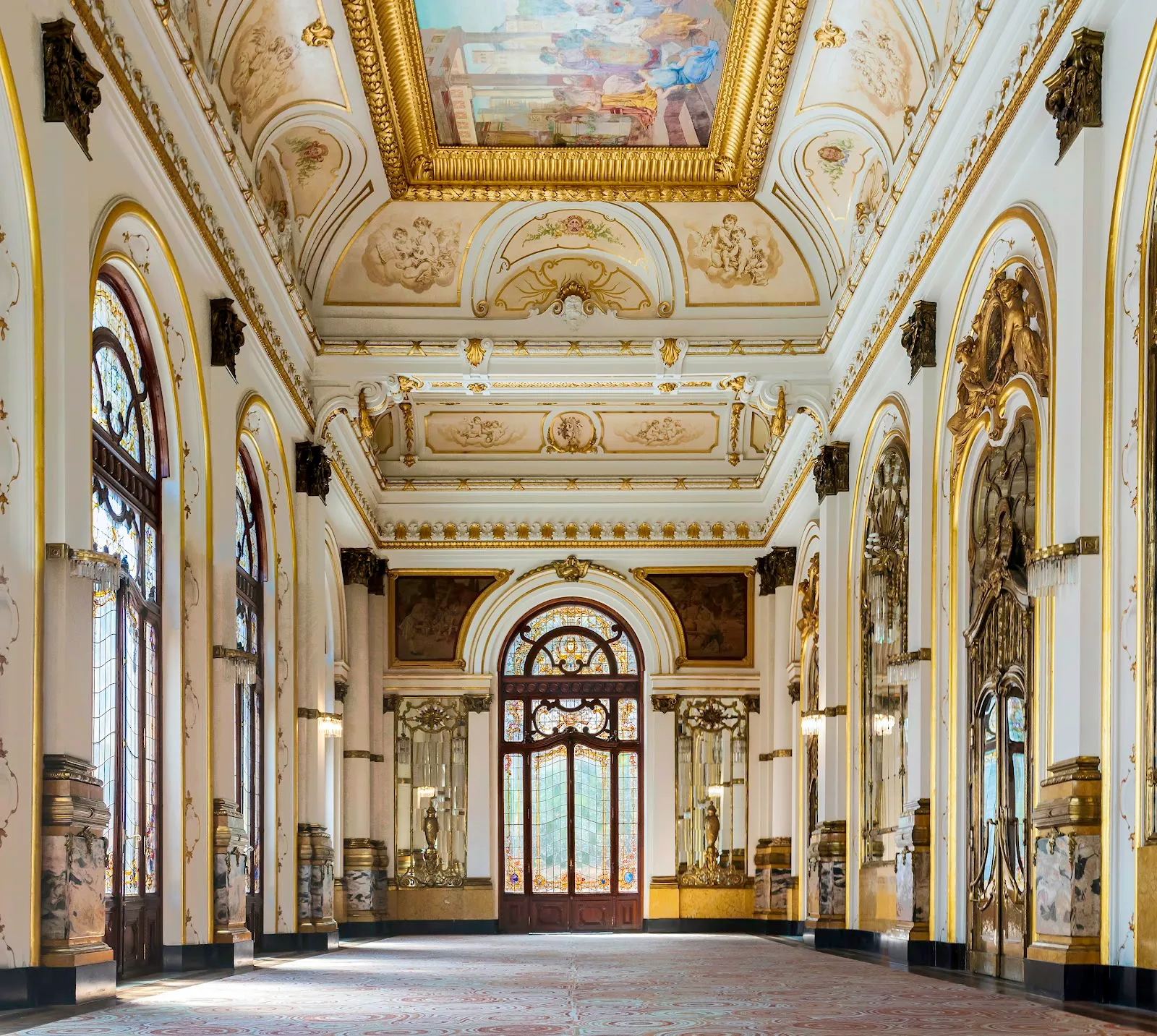
Construction began in 1903, with architects Domiziano Rossi and Cláudio Rossi designing the building for the Ramos de Azevedo office. The theatre opened in 1911, and its first production was the opera Hamlet by Ambroise Thomas. Its design drew on Paris’s Opéra Garnier, while the exterior and interior bring together several decorative styles, including Beaux-Arts and Art Nouveau elements.

The building’s scale and elaborate finish reflected the ambition behind São Paulo’s new theatre. European materials were used in its construction, and later restorations refreshed the building while retaining its historic character. A restoration completed in 2011 renewed its ornamented interiors.

Details to look for inside
Theatro Municipal
Theatro Municipal

The interior is richly decorated with marble, gold-toned surfaces, paintings, sculptural details and sweeping staircases. In the lobby, look up for the stained-glass dome. The auditorium, which seats about 1,600 people, is known for its acoustics and remains the setting for performances.

A guided visit is a way to see the historic rooms without attending a show. The theatre also has a museum that preserves objects, documents and records connected with its history. Some of its material appears in a long-term display, alongside temporary exhibitions on subjects such as the building and its productions. Tour access and schedules can change, so check the theatre’s website before setting out.

Performances and planning a visit

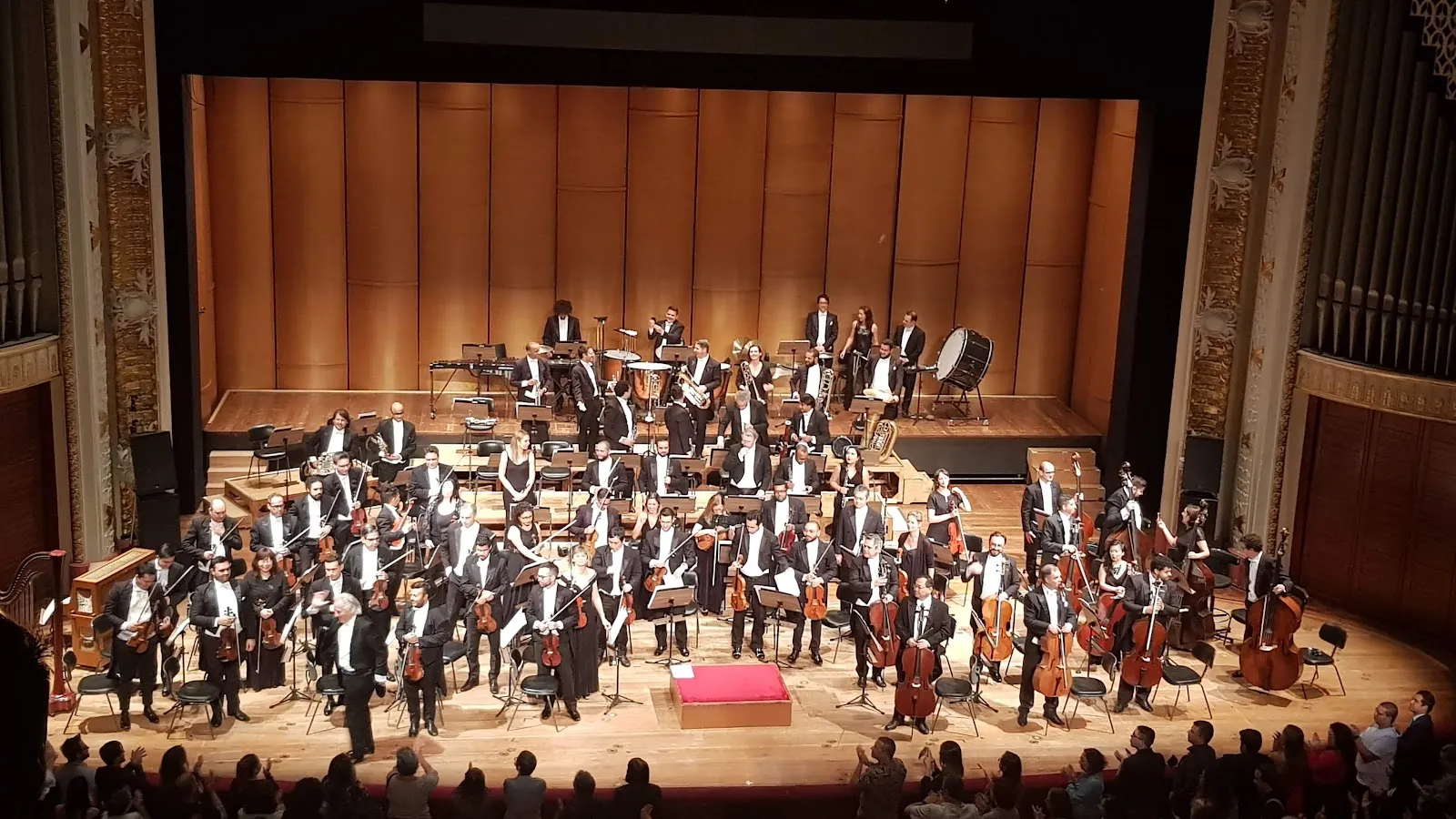
Theatro Municipal continues to host opera, ballet, plays and classical music, including performances by local music and dance schools as well as established artists. The São Paulo Symphony Orchestra, choir and municipal ballet also perform there. Check the current program online and reserve tickets in advance if you plan to attend.

The theatre is in the city center, near Anhangabaú subway station, and can fit into a walk around downtown. Shopping Light, nearby, has cafes for a meal or a coffee before or after your visit. The surrounding historic district is best explored during the day.

FAQ

When did Theatro Municipal open?

The theatre opened in 1911. Construction began in 1903.

What performances take place at Theatro Municipal?

The program includes opera, ballet, theatre and classical music. The venue also hosts performances by local music and dance schools.

Can you visit without seeing a performance?

Yes. Guided tours allow visitors to see the historic interior, and the theatre has a museum with displays related to its history. Check current tour availability before going.

Should I book tickets in advance?

Yes. Book performance tickets ahead of time through the theatre’s website.
Autres incontournables à São Paulo

Tout explorer