In Liberdade, São Paulo, the Museu Histórico da Imigração Japonesa no Brasil traces the history of Japanese immigration and the growth of the Japanese-Brazilian community. Its exhibits span three floors, from the reasons people left Japan and the challenges they faced to World War II, community recognition and more recent events. Look for a reconstructed ship, a recreated field worker’s home, photographs and films. Information is available in Japanese, Portuguese and English, and the top floor has a small cafe and museum shop.
A museum founded by the Japanese-Brazilian community
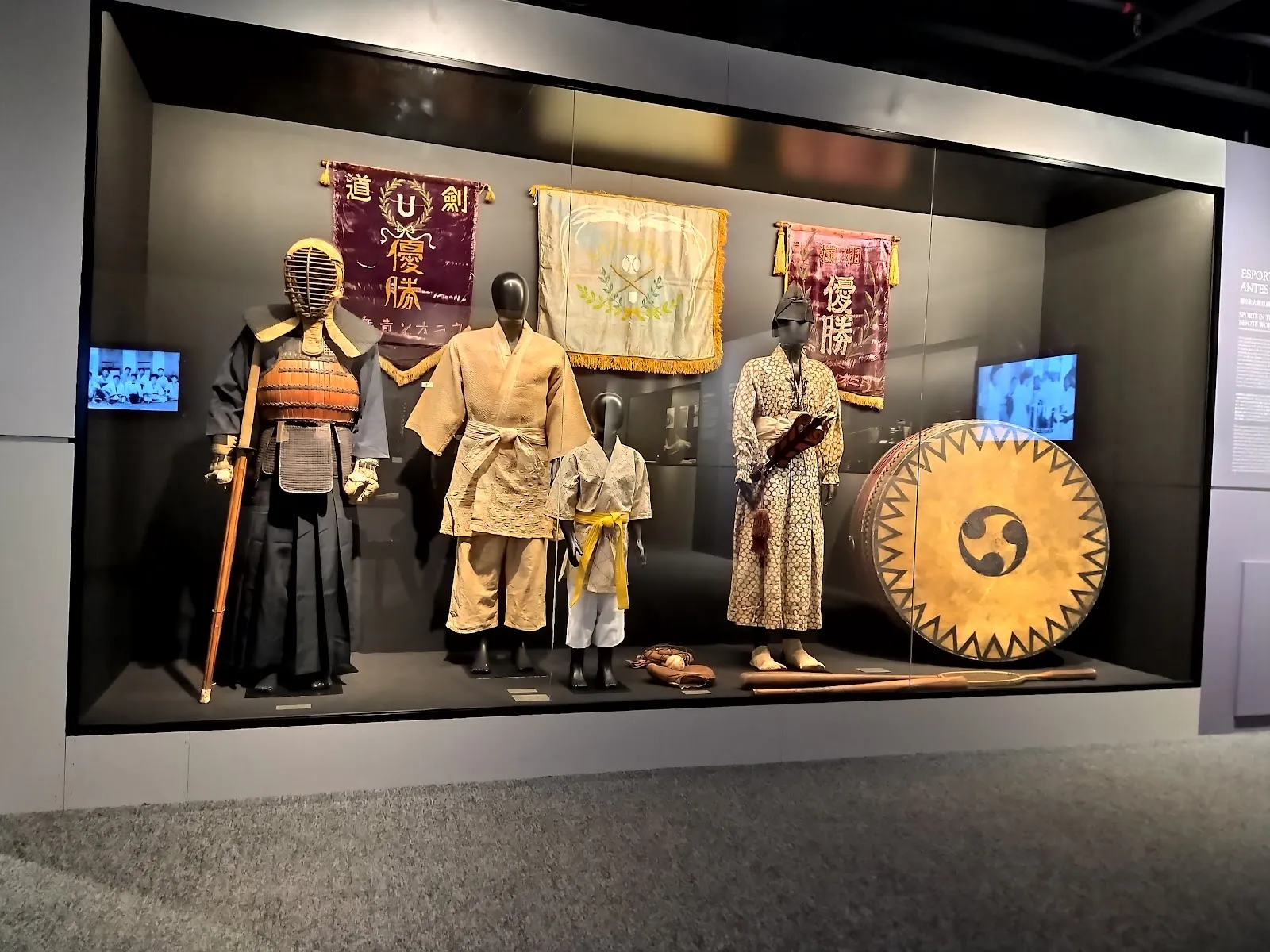
The Museu Histórico da Imigração Japonesa no Brasil opened on June 18, 1978. The Brazilian Society of Japanese Culture established it to mark 70 years of Japanese immigration to Brazil. Its collection includes more than 97,000 historical items, among them photographs, films and videos.
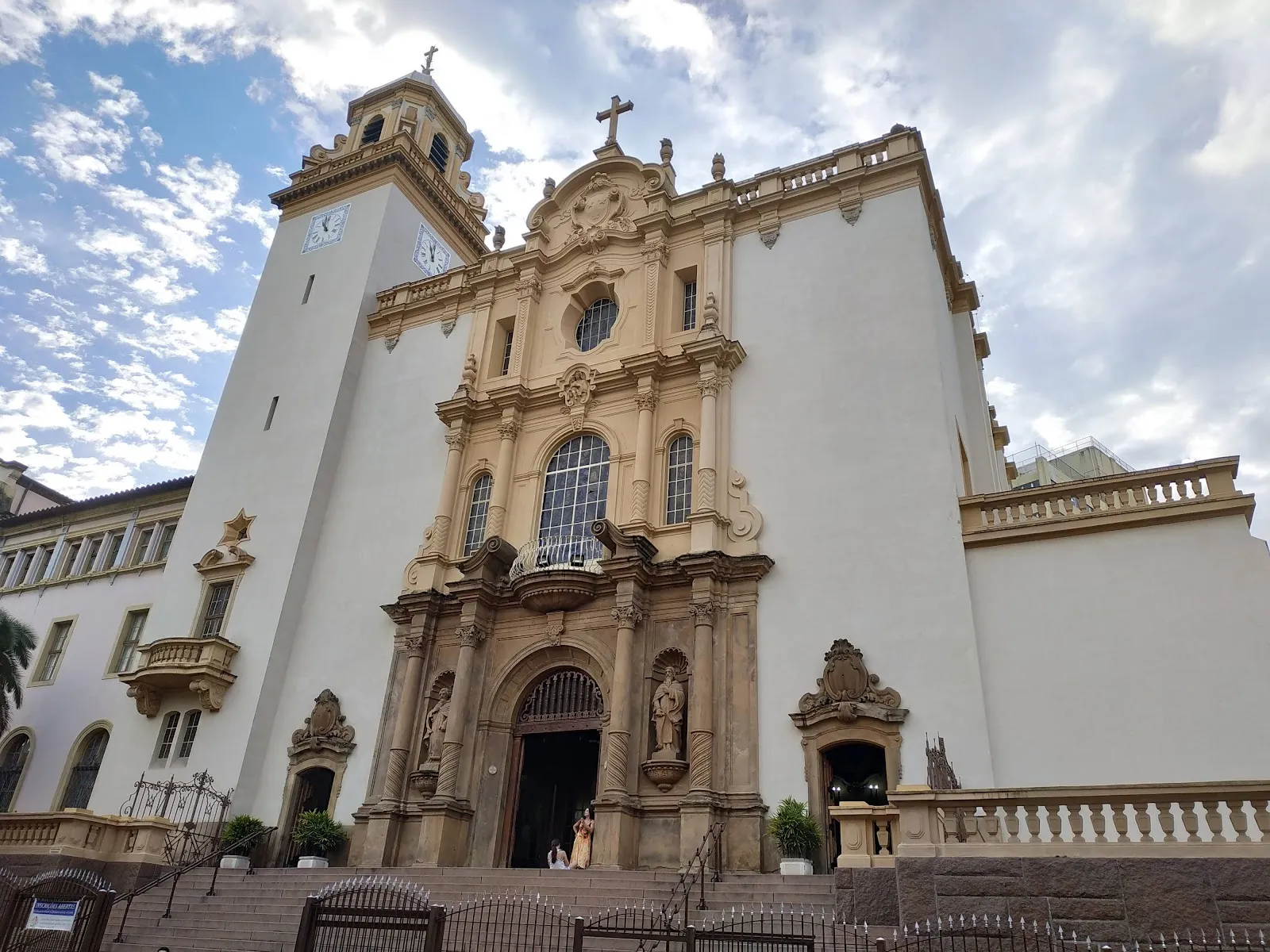
The museum is inside the Japanese Brazilian Society building in Liberdade, a São Paulo neighborhood closely associated with Japanese-Brazilian life. The exhibits focus on immigration and the community’s history, with particular attention to the experiences of Japanese immigrants in Brazil.
Three floors tell a chronological story
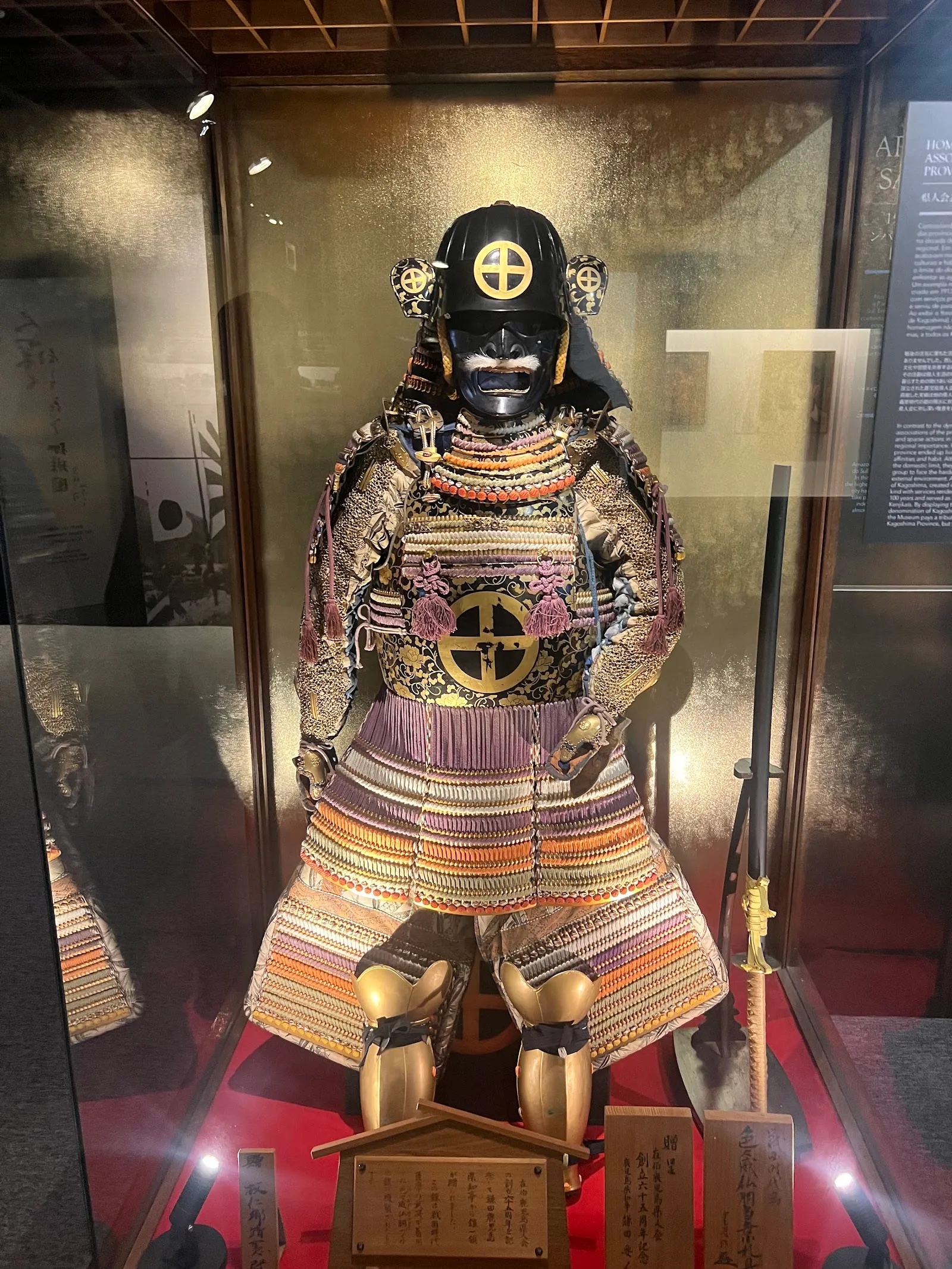
The exhibitions begin on the building’s seventh floor and continue through the eighth and ninth. Their sequence takes visitors from the reasons for immigration through the difficulties immigrants encountered in Brazil. Later sections address the impact of World War II, recognition and assimilation, and modern events.
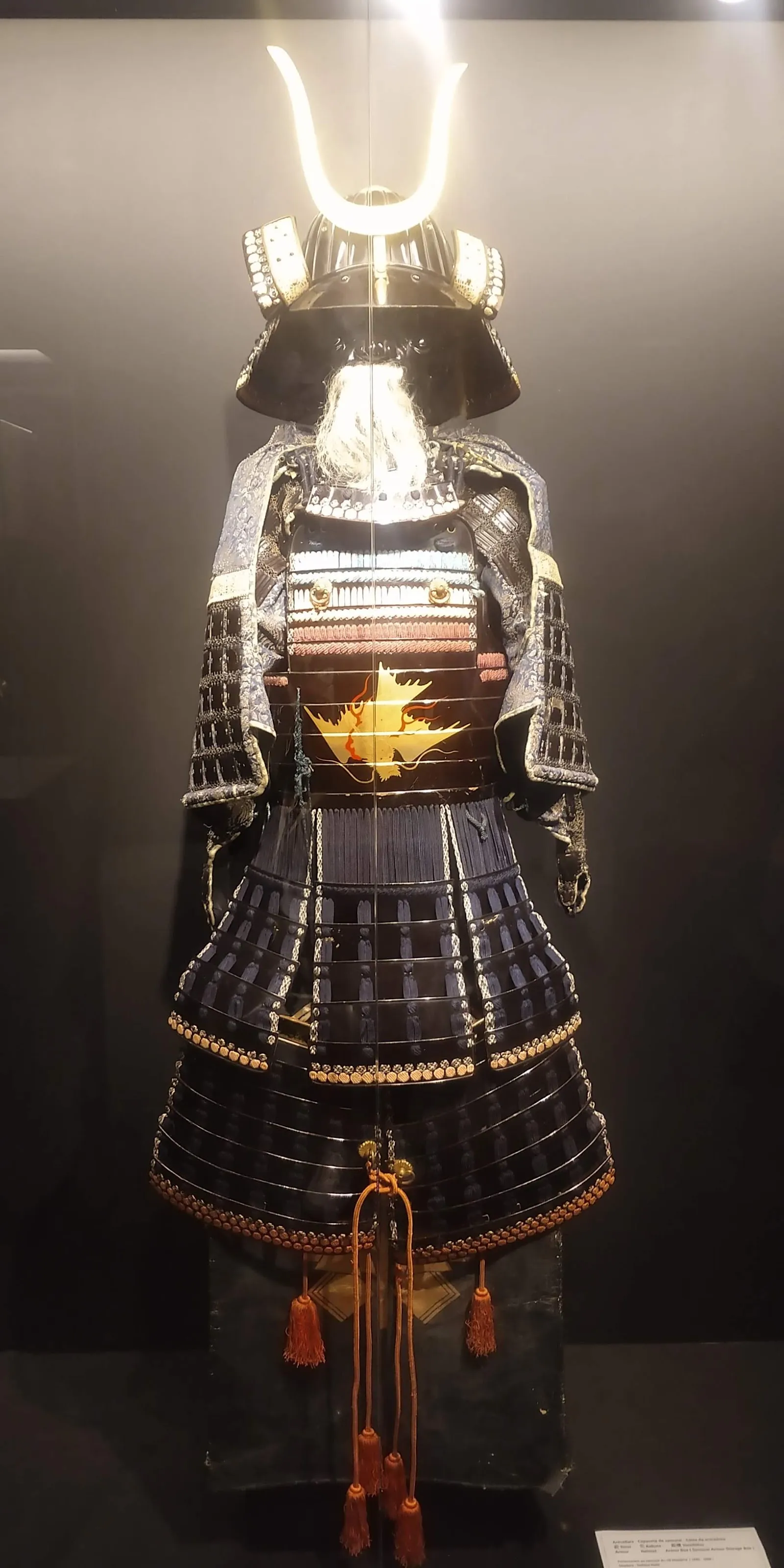
Photographs, films, videos and historical objects appear alongside recreated scenes. A reconstruction of the ship that brought the first Japanese immigrants to Brazil and a life-size recreation of a field worker’s home help illustrate the journey and working life. Other displays cover farm life and Japanese contributions to Brazilian horticulture. World War II memorials are also part of the museum.
Languages and practical details
Exhibit information is available in Japanese, Portuguese and English, making the museum accessible to visitors who do not read Portuguese. Allow time to move through all three floors and read the displays; the suggested visit time is around 30 to 60 minutes per floor.
Keep the paper receipt after entry. Scanners and turnstiles are used between floors, and the receipt is needed to pass through. The museum is free on Wednesdays, while entry is charged on other days. A small cafe and museum shop are on the top floor, where you can pause for refreshments or look for souvenirs.
FAQ
Where is the Japanese Immigration Museum in São Paulo?
It is at R. São Joaquim, 381, in the Liberdade neighborhood.
How long should I plan for a visit?
Allow about 30 to 60 minutes for each of the three floors, or roughly 1.5 to 3 hours for the museum.
Is the museum free to enter?
Entry is free on Wednesdays. A fee applies on other days.
What languages are used in the exhibits?
Exhibit information is available in Japanese, Portuguese and English.