Planifier un voyage
Langue: Français
Planificateur de voyagePlanifiez votre voyage sur une carte

Destinations incontournables

EnglishDeutschFrançaisEspañolPortuguêsPortuguês (BR)Italiano
Avis aux voyageurs · BrésilSão Paulo se trouve dans ou près d'une zone où les gouvernements déconseillent tout voyage sauf essentiel : Favelas et habitats informels dans les grandes villes.Les conseils dépendent de votre passeport. Consultez ceux de votre propre gouvernement avant de réserver.Conseils officiels
Zones signalées
  • Ceilândia · éviter les voyages non essentiels · Italie, États-Unis
  • Favelas et habitats informels dans les grandes villes · éviter les voyages non essentiels · Espagne, Nouvelle-Zélande, États-Unis
  • Paranoá · éviter les voyages non essentiels · Italie, États-Unis
  • Santa Maria · éviter les voyages non essentiels · Italie, États-Unis
  • São Sebastião · éviter les voyages non essentiels · Italie, États-Unis
  • Zone frontalière avec le Venezuela · éviter les voyages non essentiels · Allemagne, France

Également signalé par un seul gouvernement : Bande de 160 km le long de toutes les frontières terrestres (États-Unis), Complexo da Maré (Canada), Complexo da Penha (Canada), Bande de 20 km le long de la frontière bolivienne (hors parc national du Pantanal) (Canada), Bande de 20 km le long de la frontière colombienne (Canada), Bande de 20 km le long de la frontière avec la Guyane française (Canada), Bande de 20 km le long de la frontière avec le Guyana (Canada), Bande de 20 km le long de la frontière paraguayenne (Canada), Bande de 20 km le long de la frontière péruvienne (Canada), Bande de 20 km le long de la frontière avec le Suriname (Canada), Bande de 50 km le long de la frontière vénézuélienne (Canada), Fleuve Amazone et ses affluents entre Codajás et Belém do Solimões (État d'Amazonas) (Royaume-Uni), Zones frontalières (non précisées) (France), Parc national de la Chapada Diamantina (Trilha do 21) (Espagne), Planaltina (Italie), Favelas de Rio de Janeiro (Allemagne), Samambaia (Italie)

GouvernementConseilsMis à jourLire les conseils
Royaume-Uni (FCDO)No advice against the whole country (regional advisories)–Lire les conseils
États-Unis (State Dept)Exercise increased caution (regional advisories)31 août 2026Lire les conseils
Canada (Affaires mondiales)Exercise a high degree of caution (regional advisories)–Lire les conseils
Allemagne (Auswärtiges Amt)No advice against the whole country (regional advisories)27 oct. 2026Lire les conseils
Nouvelle-Zélande (SafeTravel)Exercise increased caution due to high crime rates (regional advisories)–Lire les conseils
France (ministère de l'Europe et des Affaires étrangères)Vigilance renforcée (pays à risque) (regional advisories)–Lire les conseils

Vérifié quotidiennement d'après les conseils publiés par les gouvernements ; dernière vérification le 3 nov. 2026.RoamLedger résume les conseils officiels ; il ne s'agit pas de conseils émanant d'un gouvernement.

Museu Histórico da Imigração Japonesa no Brasil
Musée

Museu Histórico da Imigração Japonesa no Brasil

In Liberdade, São Paulo, the Museu Histórico da Imigração Japonesa no Brasil traces the history of Japanese immigration and the growth of the Japanese-Brazilian community.

In Liberdade, São Paulo, the Museu Histórico da Imigração Japonesa no Brasil traces the history of Japanese immigration and the growth of the Japanese-Brazilian community. Its exhibits span three floors, from the reasons people left Japan and the challenges they faced to World War II, community recognition and more recent events. Look for a reconstructed ship, a recreated field worker’s home, photographs and films. Information is available in Japanese, Portuguese and English, and the top floor has a small cafe and museum shop.

A museum founded by the Japanese-Brazilian community
Museu Histórico da Imigração Japonesa no Brasil

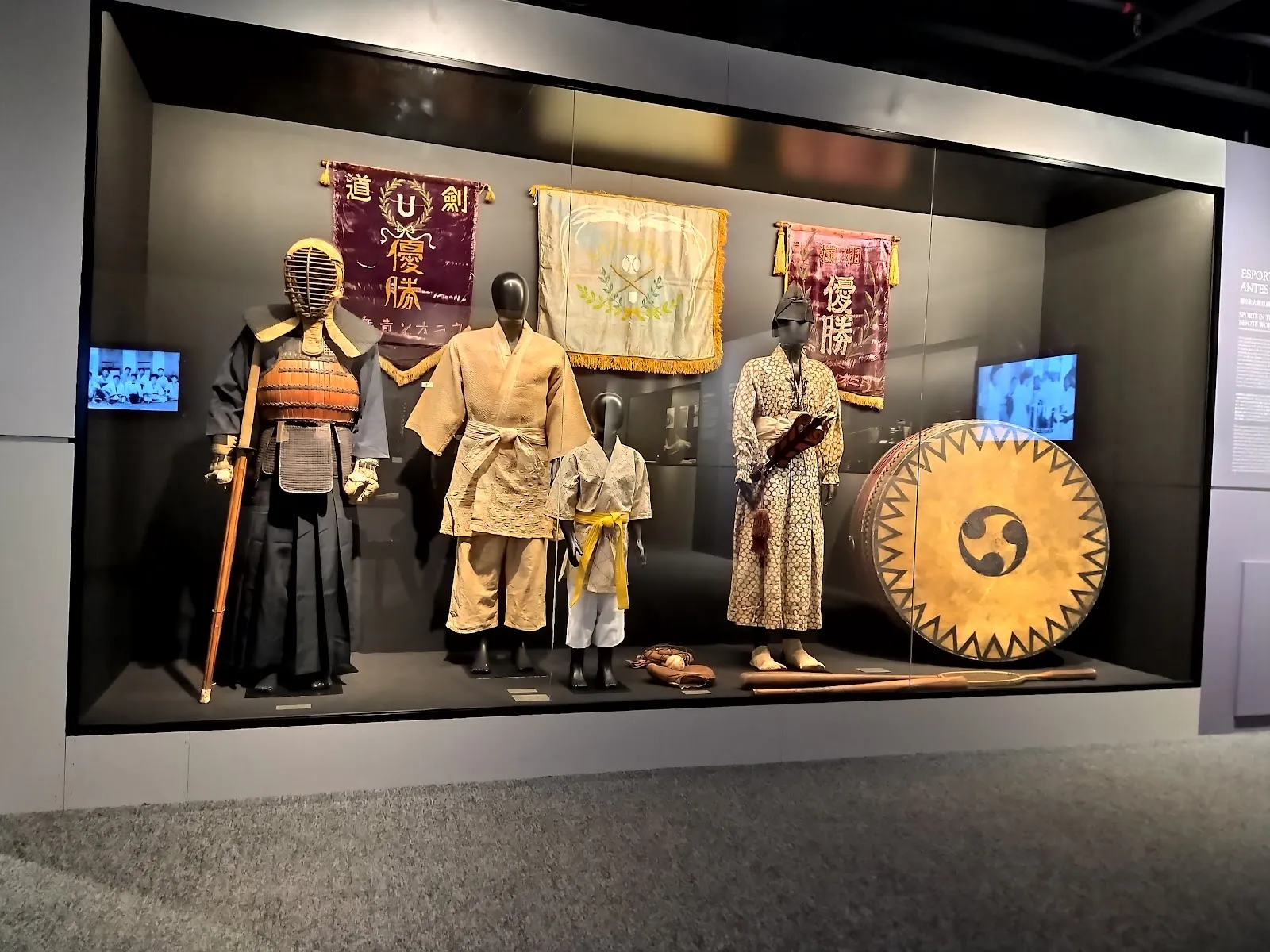
The Museu Histórico da Imigração Japonesa no Brasil opened on June 18, 1978. The Brazilian Society of Japanese Culture established it to mark 70 years of Japanese immigration to Brazil. Its collection includes more than 97,000 historical items, among them photographs, films and videos.

The museum is inside the Japanese Brazilian Society building in Liberdade, a São Paulo neighborhood closely associated with Japanese-Brazilian life. The exhibits focus on immigration and the community’s history, with particular attention to the experiences of Japanese immigrants in Brazil.

Three floors tell a chronological story
Museu Histórico da Imigração Japonesa no Brasil

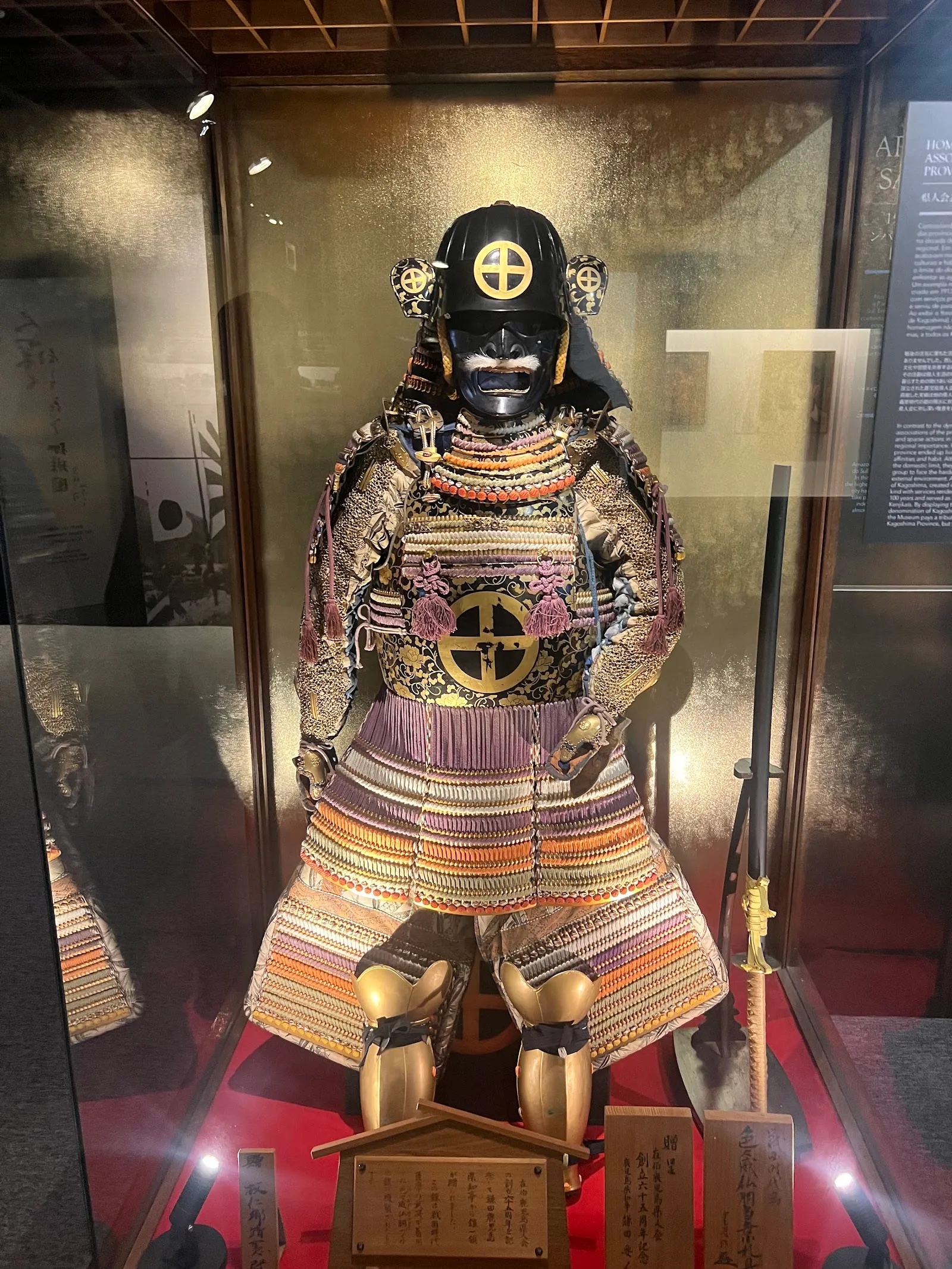
The exhibitions begin on the building’s seventh floor and continue through the eighth and ninth. Their sequence takes visitors from the reasons for immigration through the difficulties immigrants encountered in Brazil. Later sections address the impact of World War II, recognition and assimilation, and modern events.

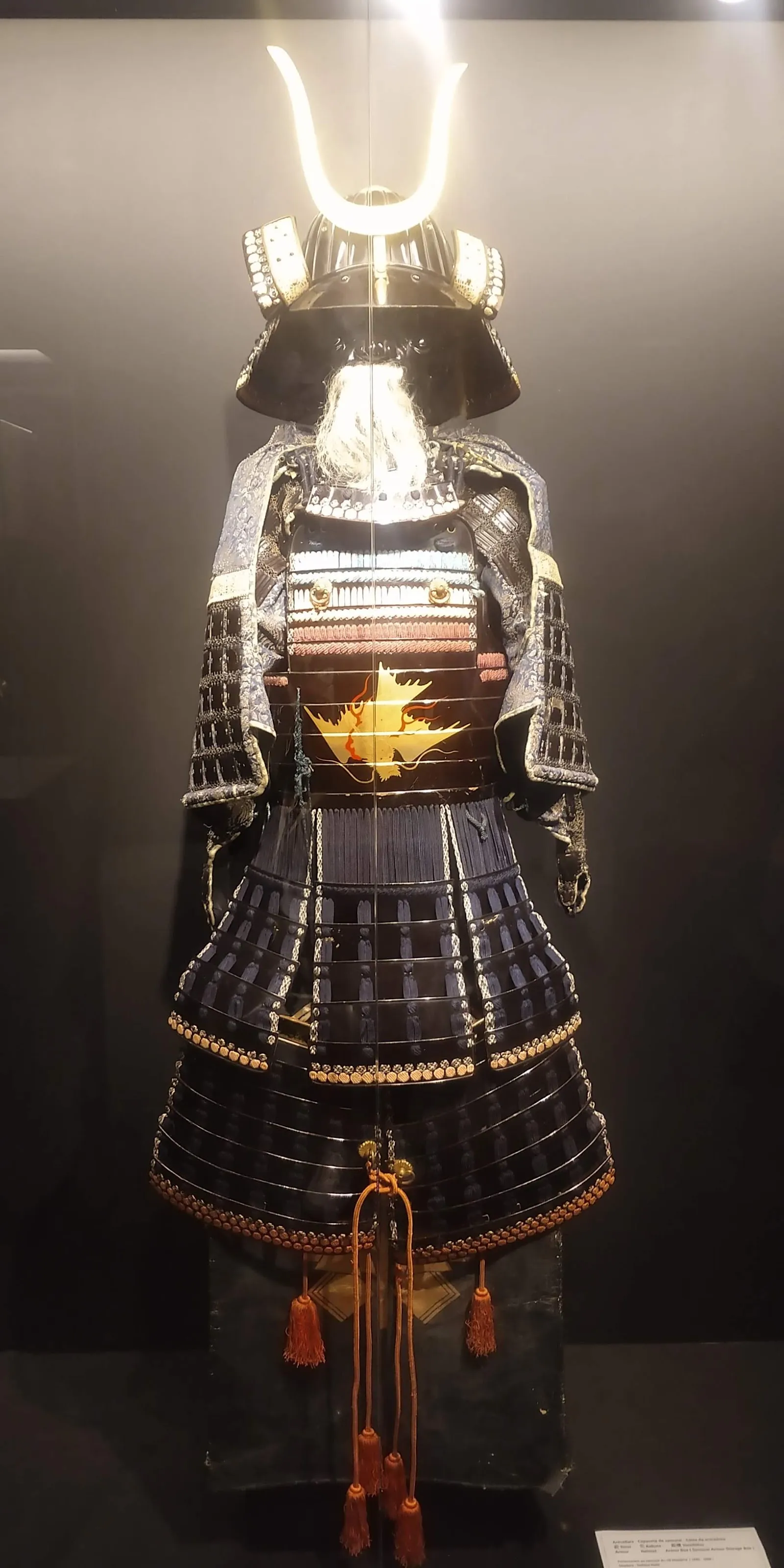
Photographs, films, videos and historical objects appear alongside recreated scenes. A reconstruction of the ship that brought the first Japanese immigrants to Brazil and a life-size recreation of a field worker’s home help illustrate the journey and working life. Other displays cover farm life and Japanese contributions to Brazilian horticulture. World War II memorials are also part of the museum.

Languages and practical details

Exhibit information is available in Japanese, Portuguese and English, making the museum accessible to visitors who do not read Portuguese. Allow time to move through all three floors and read the displays; the suggested visit time is around 30 to 60 minutes per floor.

Keep the paper receipt after entry. Scanners and turnstiles are used between floors, and the receipt is needed to pass through. The museum is free on Wednesdays, while entry is charged on other days. A small cafe and museum shop are on the top floor, where you can pause for refreshments or look for souvenirs.

FAQ

Where is the Japanese Immigration Museum in São Paulo?

It is at R. São Joaquim, 381, in the Liberdade neighborhood.

How long should I plan for a visit?

Allow about 30 to 60 minutes for each of the three floors, or roughly 1.5 to 3 hours for the museum.

Is the museum free to enter?

Entry is free on Wednesdays. A fee applies on other days.

What languages are used in the exhibits?

Exhibit information is available in Japanese, Portuguese and English.
Autres incontournables à São Paulo

Tout explorer