
Prainha Beach is a small crescent of sand on Rio de Janeiro’s western coast, backed by Atlantic Forest hills and cliffs. Its strong surf draws surfers, while the quieter cove and natural setting make a welcome change from the city’s busier beaches. Waves can be gentler in the morning and more active later in the day. There is little infrastructure, with a kiosk and restaurant for food, so plan this as a beach trip rather than a stop with plenty of services.
A small cove on Rio’s western coast
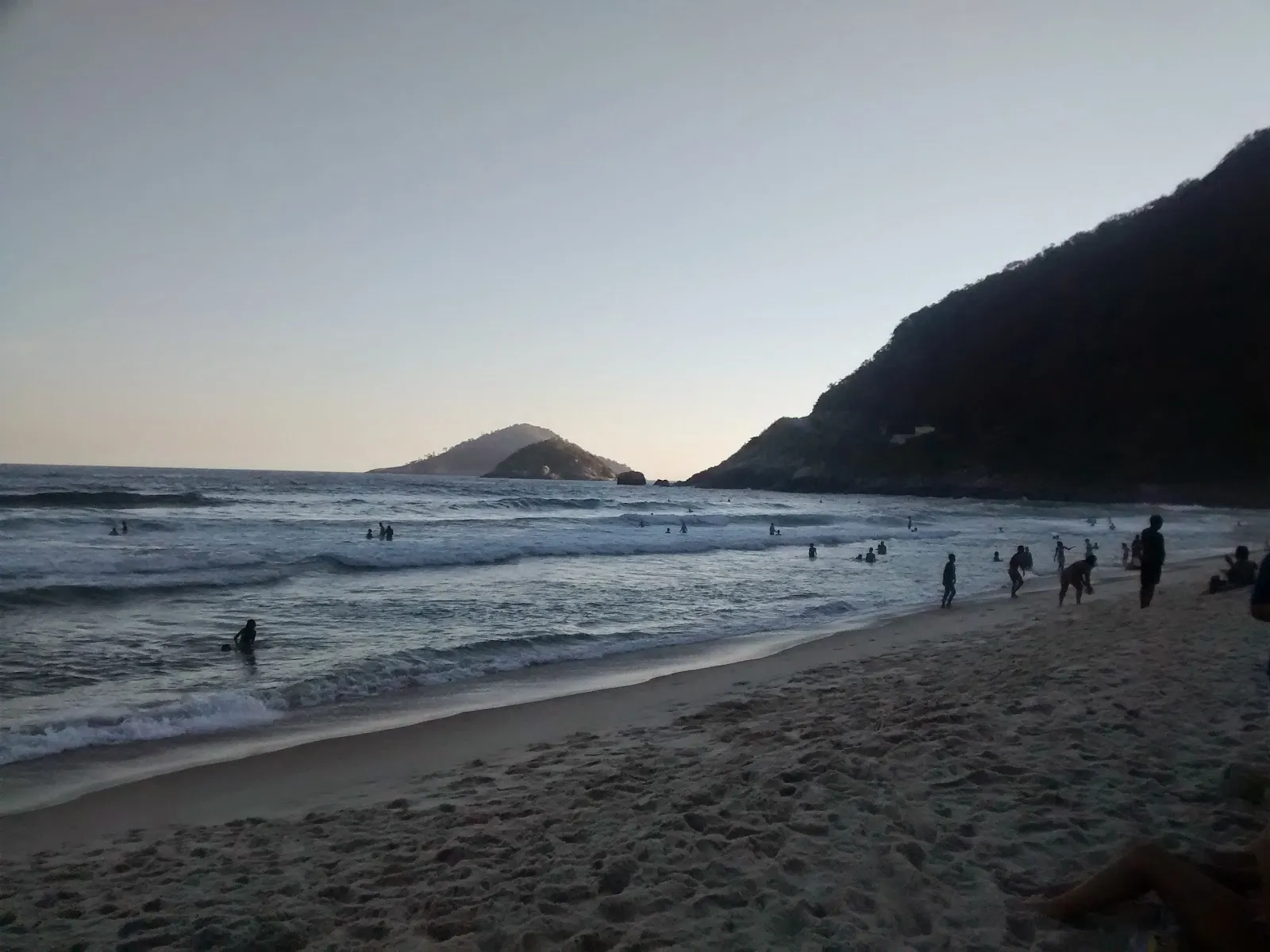
Prainha, or “Little Beach,” is a crescent of sand on the far western side of Rio de Janeiro. Forested hills and rocky cliffs surround the shore, with the Atlantic Forest reaching down toward the water. The lack of high-rises and extensive development gives the beach a more natural setting than the city’s better-known stretches of sand.
The cove is compact, so it can feel busy when people gather to surf or spend the day on the beach. Weekends tend to draw more people; weekdays are a better choice if you want a quieter visit.
Surf and swimming conditions
Prainha is known for its surf, with waves that can become powerful. Conditions may be calmer in the morning and livelier later in the day. Experienced surfers come for the stronger breaks, while body surfing is another way to enjoy the water when conditions suit.
Swimming calls for care. Strong currents have been reported at the beach, and surf conditions are not a reliable guide to whether it is safe to swim. Pay attention to conditions before entering the water, and take particular care when waves are large.
Getting there and planning your visit
Prainha is not served by public transport, and the drive from central Rio takes about an hour. A car is a practical option, but parking is limited. The road leading to the beach has viewpoints where you can pause to see the cove from above.
Phone reception can be poor, which may complicate arranging a ride-share pickup. Plan how you will get back before setting off, especially if you are not travelling by car. Arriving before 11 am can help you avoid the larger weekend crowds.
Food and facilities
Facilities are limited. A kiosk and a restaurant serve food and refreshments, but there are few other services at the beach. Bring what you need for the day and do not count on a wide choice of places to eat. The modest facilities are part of the reason Prainha feels more removed from the city, but they make a little planning useful.
FAQ
How do you get to Prainha Beach?
Public transport does not reach the beach. The drive from central Rio takes about an hour, and arranging your return in advance is sensible because phone reception can be poor.
Is Prainha Beach good for surfing?
Yes. It is known for strong surf and attracts surfers. Waves can be more active later in the day.
Is it safe to swim at Prainha Beach?
Strong currents can make swimming dangerous. Check the conditions before entering the water and do not assume that surf conditions are safe for swimming.
When is the best time to visit Prainha Beach?
Go before 11 am, especially on weekends, to avoid the busiest period. Weekdays are usually quieter.


