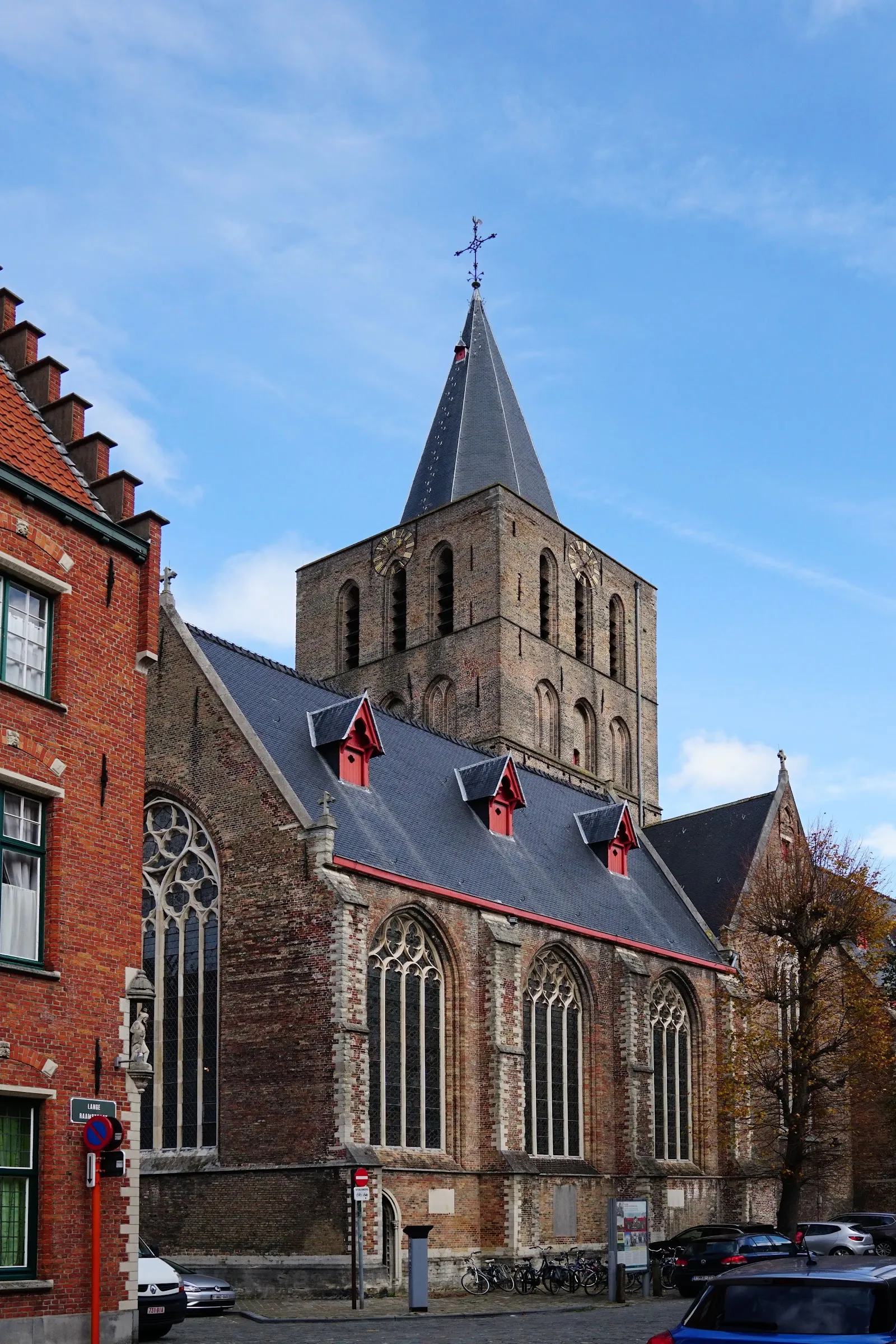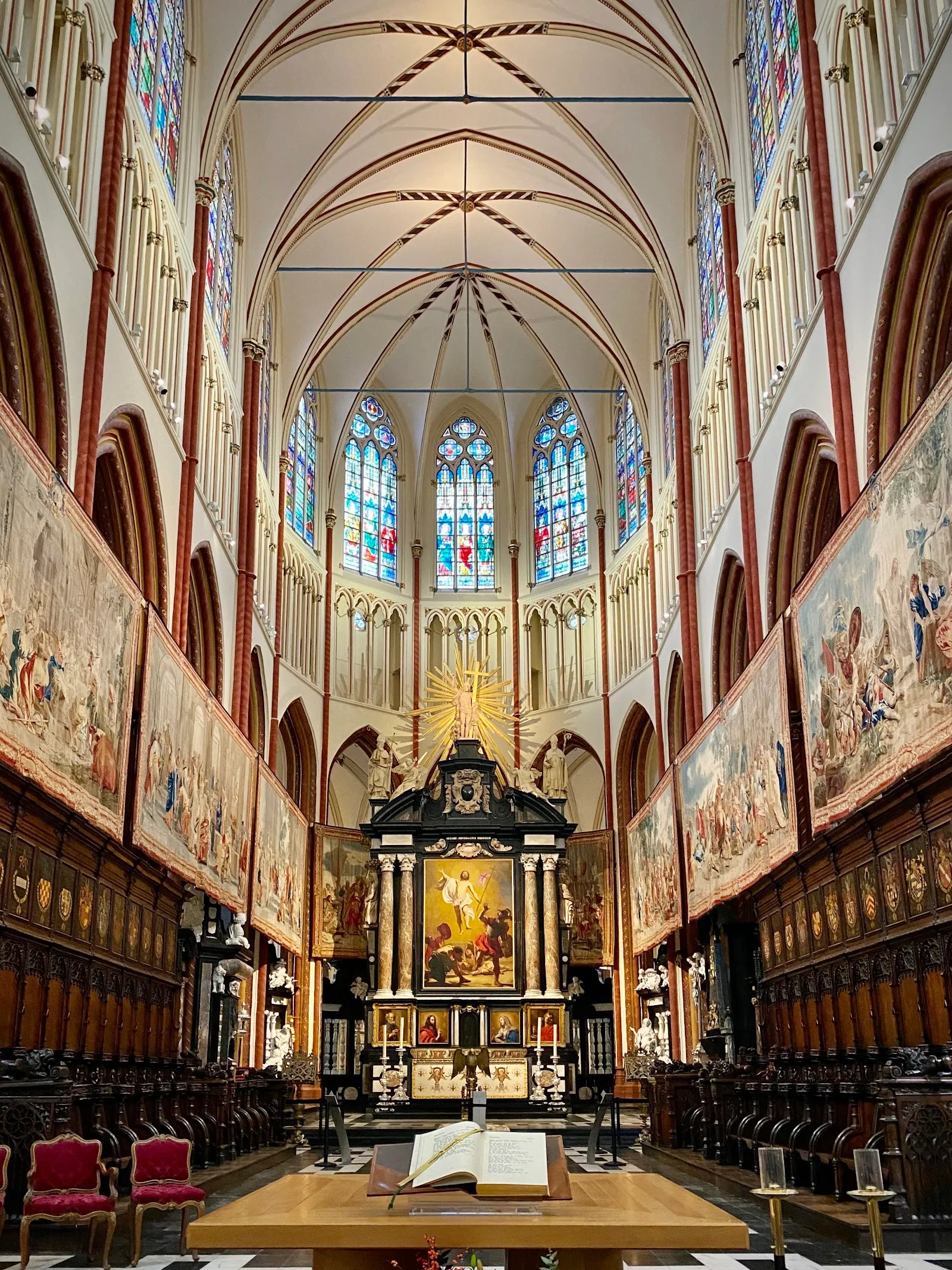
On Steenstraat in Bruges, Sint-Salvatorskathedraal is the city’s oldest parish church and has been its cathedral since 1834. Its Gothic exterior and tower are worth seeing, but the collection inside is a reason to linger: look for stained glass, paintings, tapestries, memorial stones and carved altarpieces. The interior also contains a baroque organ and pulpit. Entry is free, with donations appreciated, so you can spend time with the art and architecture without a ticket.
A parish church becomes the cathedral
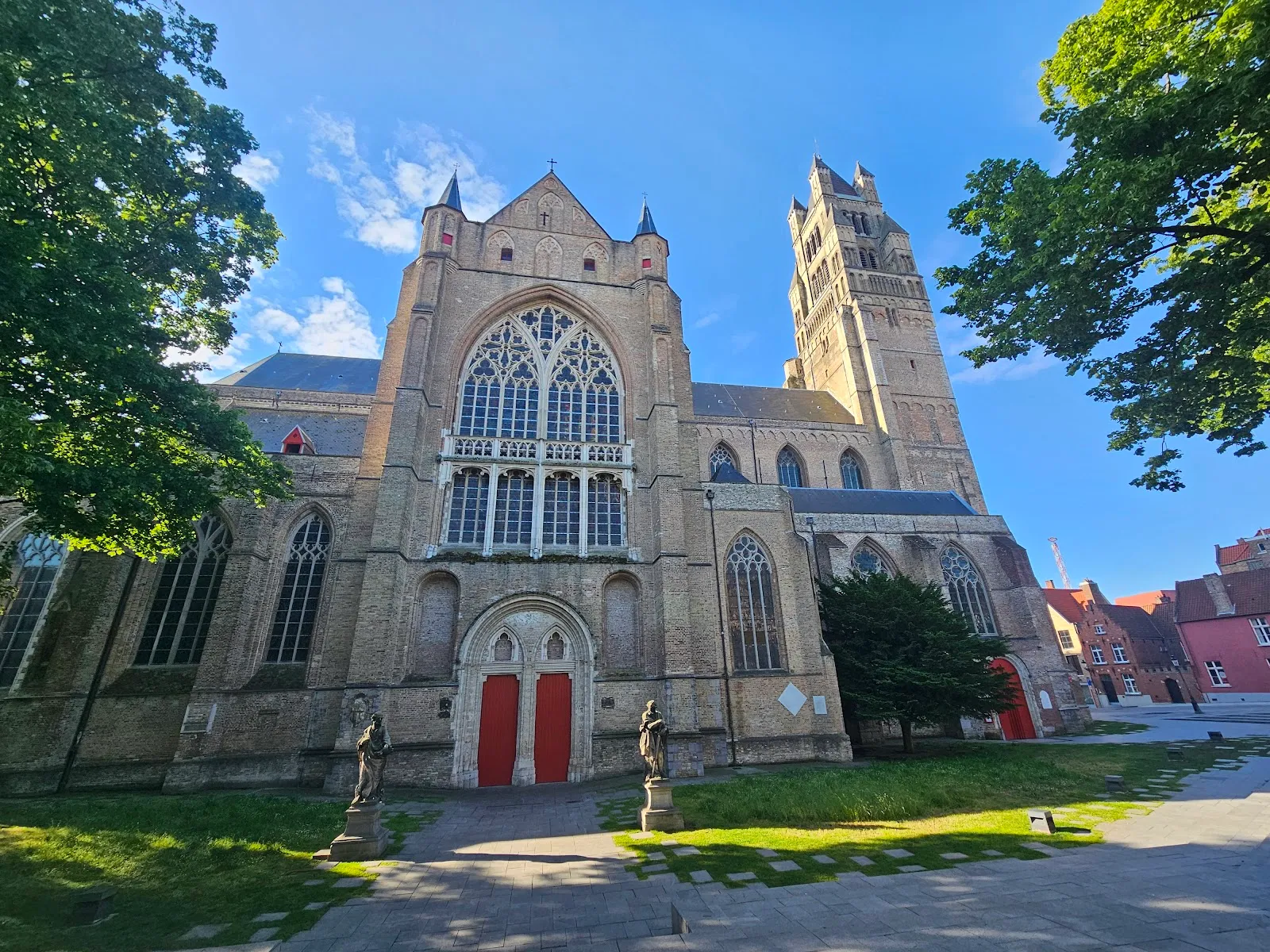
Sint-Salvatorskathedraal is Bruges’ oldest parish church. Its history reaches back to the 10th century, while much of the present building dates from the 12th and 13th centuries. The church became the city’s cathedral in 1834, when the diocese of Bruges was re-established.
The building’s exterior has a fortress-like character, with a tower that forms part of Bruges’ skyline alongside the Belfry and the Church of Our Lady. The cathedral was restored in the 19th century. After a fire in 1839 brought down the roof, English architect Robert Chantrell was commissioned to oversee its restoration. The tower was also intended to rise above the Church of Our Lady’s tower.
Art and details inside
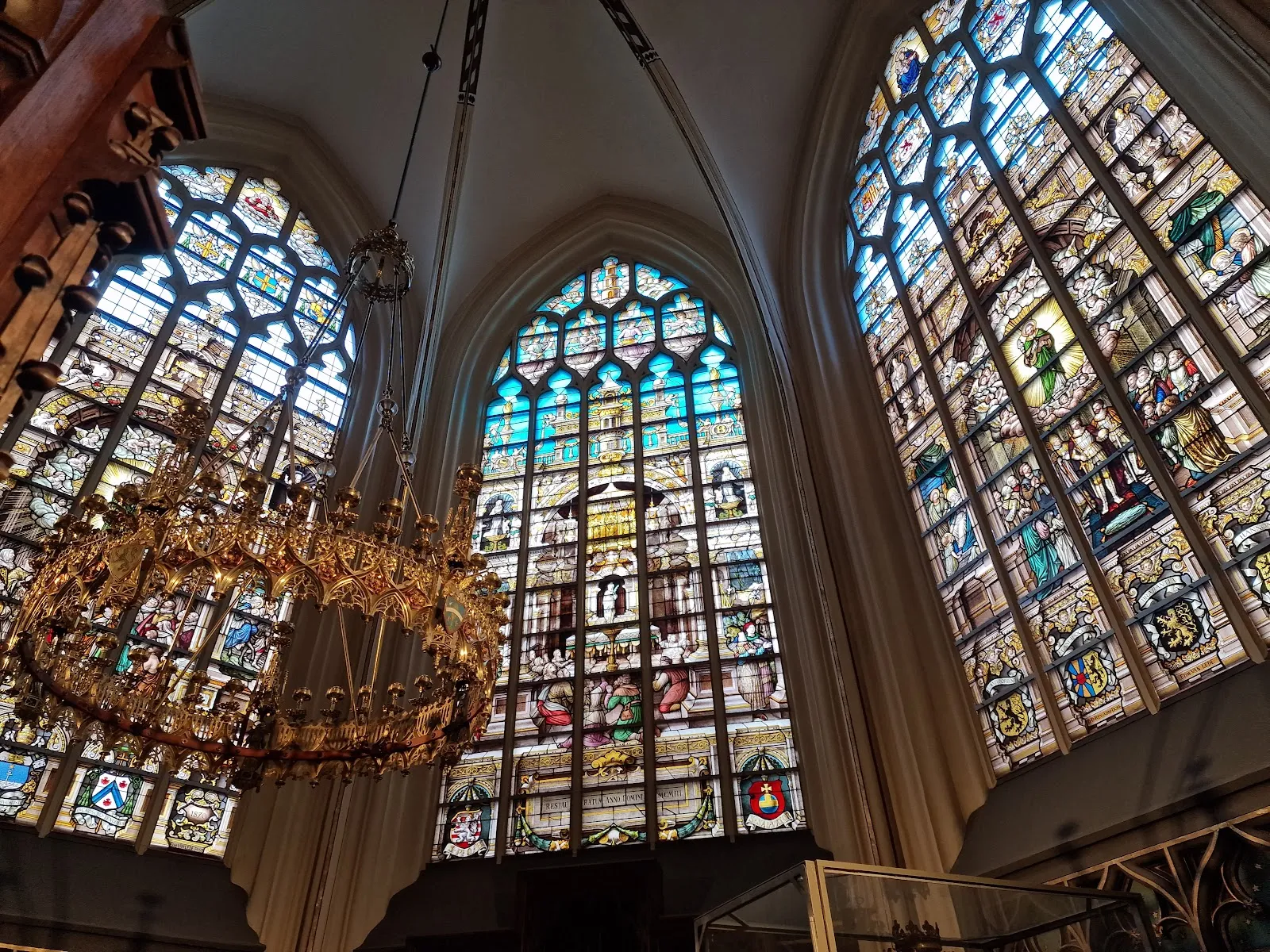
Inside, the scale of the Gothic architecture gives way to a collection of works spanning several centuries. Stained-glass windows bring colour into the interior, while paintings, sculptures, tapestries and memorial stones reward a slower look. The choir area and the church’s carved details are also worth taking time over.
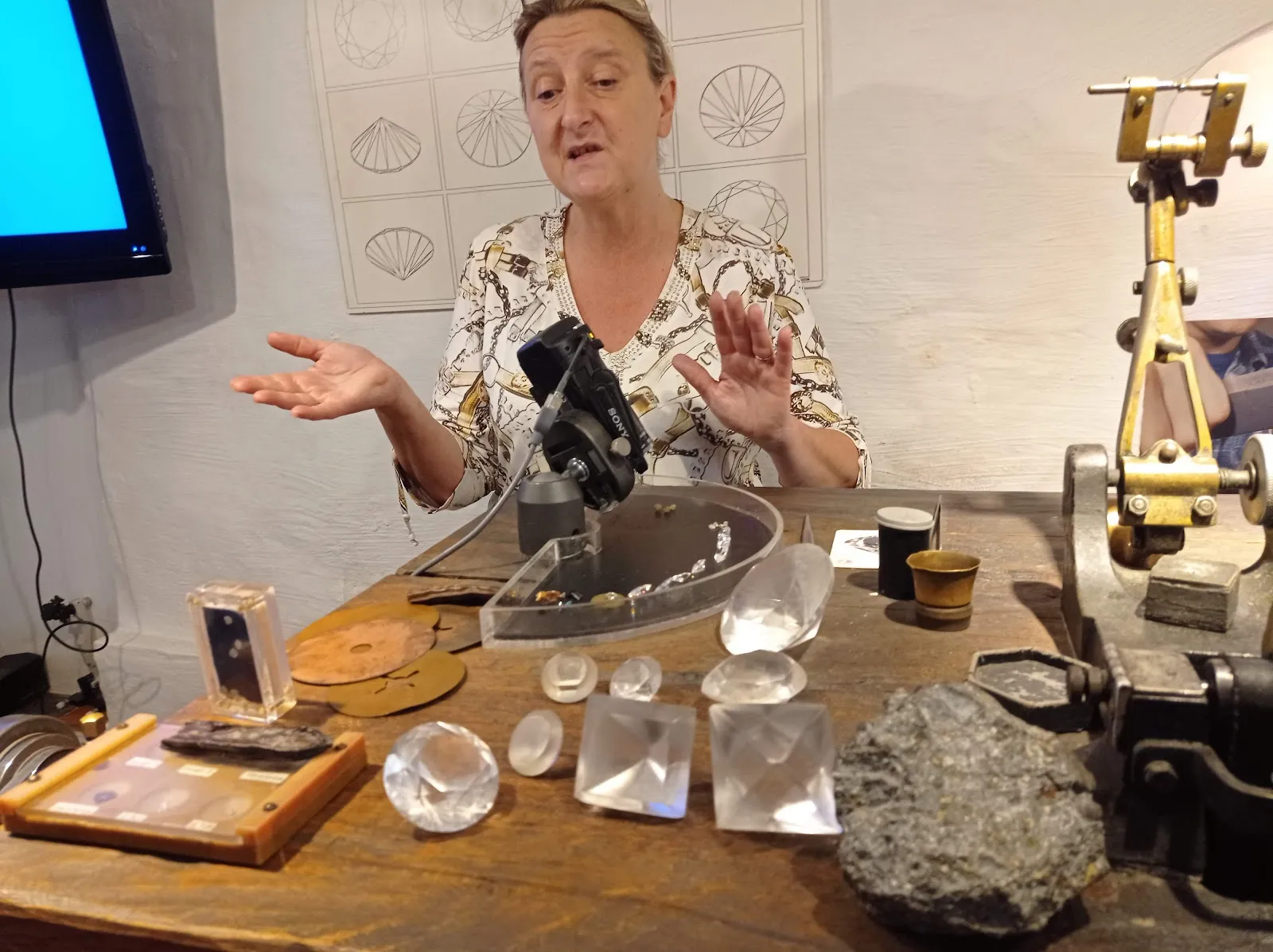
Among the notable objects are the baroque organ and pulpit, as well as retables, or three-dimensional altarpieces. The collection includes works from the cathedral and former religious institutions in Bruges. A museum is housed in the neo-Gothic chapter building, constructed in 1912. Its collection includes objects from Sint-Salvatorskerk, the demolished Sint-Donaaskerk and monasteries dissolved during the French period, tracing more than 13 centuries of art history.
Planning a respectful visit
The cathedral is on Steenstraat, a major shopping street in Bruges, and is a short walk from the Church of Our Lady. Entry is free, and donations help support the building’s upkeep. The interior is also used for worship, so keep your voice low and be mindful of services and people who are praying. Modest, respectful clothing is appropriate in this religious space.
The entrance and parking are listed as wheelchair accessible. If you want to ask about the art or the building’s history, voluntary workers may be able to share information. Take time to look around the side areas as well as the central space, where tapestries and altarpieces are easy to miss on a quick pass.
FAQ
Is Sint-Salvatorskathedraal free to enter?
Yes. Entry is free, and donations are appreciated.
What should I see inside Sint-Salvatorskathedraal?
Look for the stained-glass windows, paintings, tapestries, memorial stones, baroque organ, pulpit and carved altarpieces.
When did Sint-Salvatorskathedraal become Bruges’ cathedral?
It became the cathedral in 1834, when the diocese of Bruges was re-established.
Is Sint-Salvatorskathedraal wheelchair accessible?
The entrance and parking are listed as wheelchair accessible.