The Capuchin Church, at Tegetthoffstraße 2 in central Vienna, is a working Catholic church above the Imperial Crypt. The church is modest in scale and decoration; the crypt below holds the tombs of Habsburg family members, including Empress Elisabeth, known as Sisi. Its baroque-era coffins, some made of cast bronze, reward a slow visit. Come for the contrast between the quiet church and the elaborate burial chambers, and to trace a part of Austria’s royal history.
A church above the Imperial Crypt
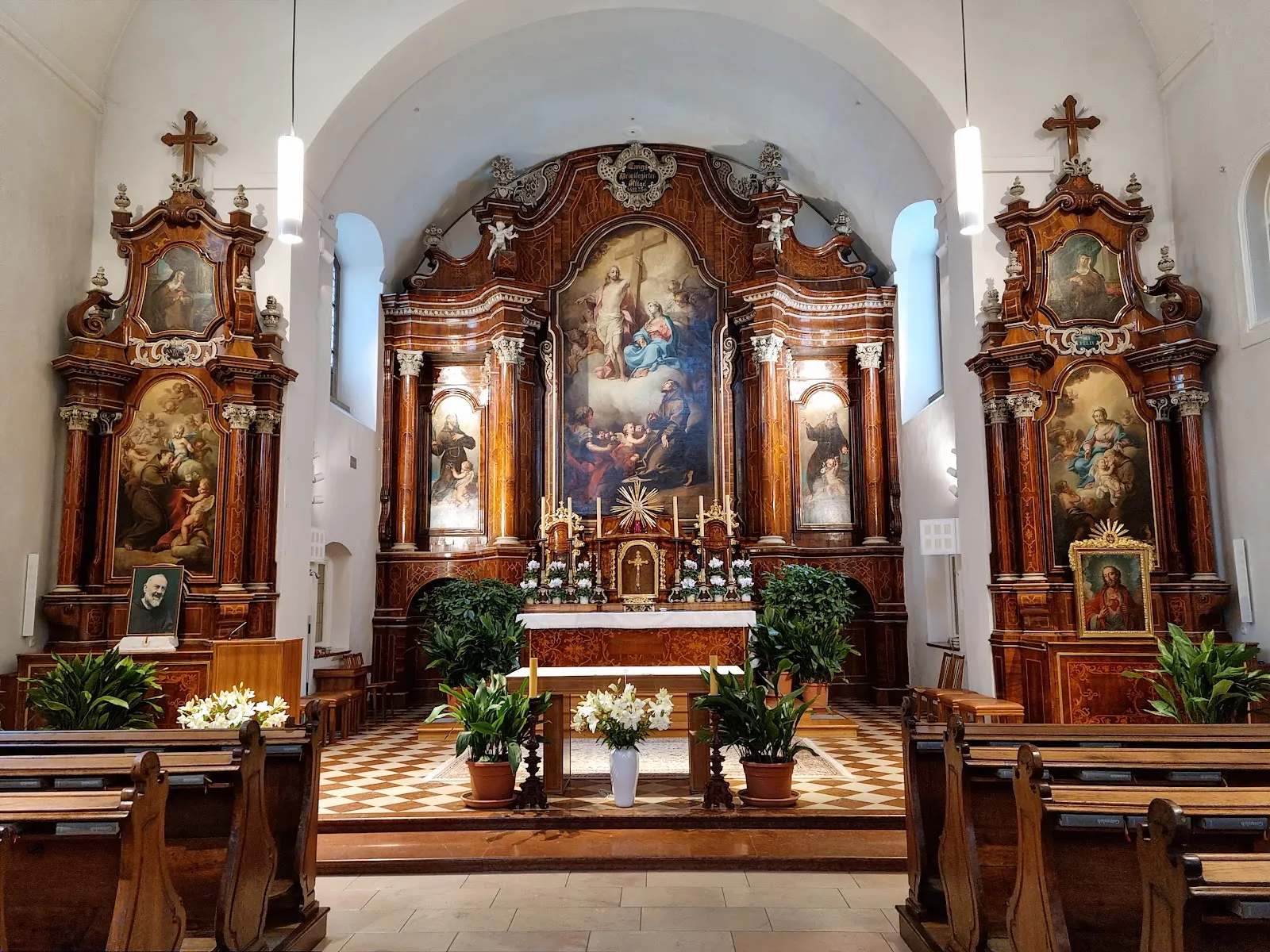
The Capuchin Church, formally the Church of Saint Mary of the Angels, is both a Catholic place of worship and a monastery of the Capuchin friars. It was consecrated in 1632. The friars have cared for the church and its crypt for more than four centuries, combining religious life with responsibility for the burial place beneath the building.
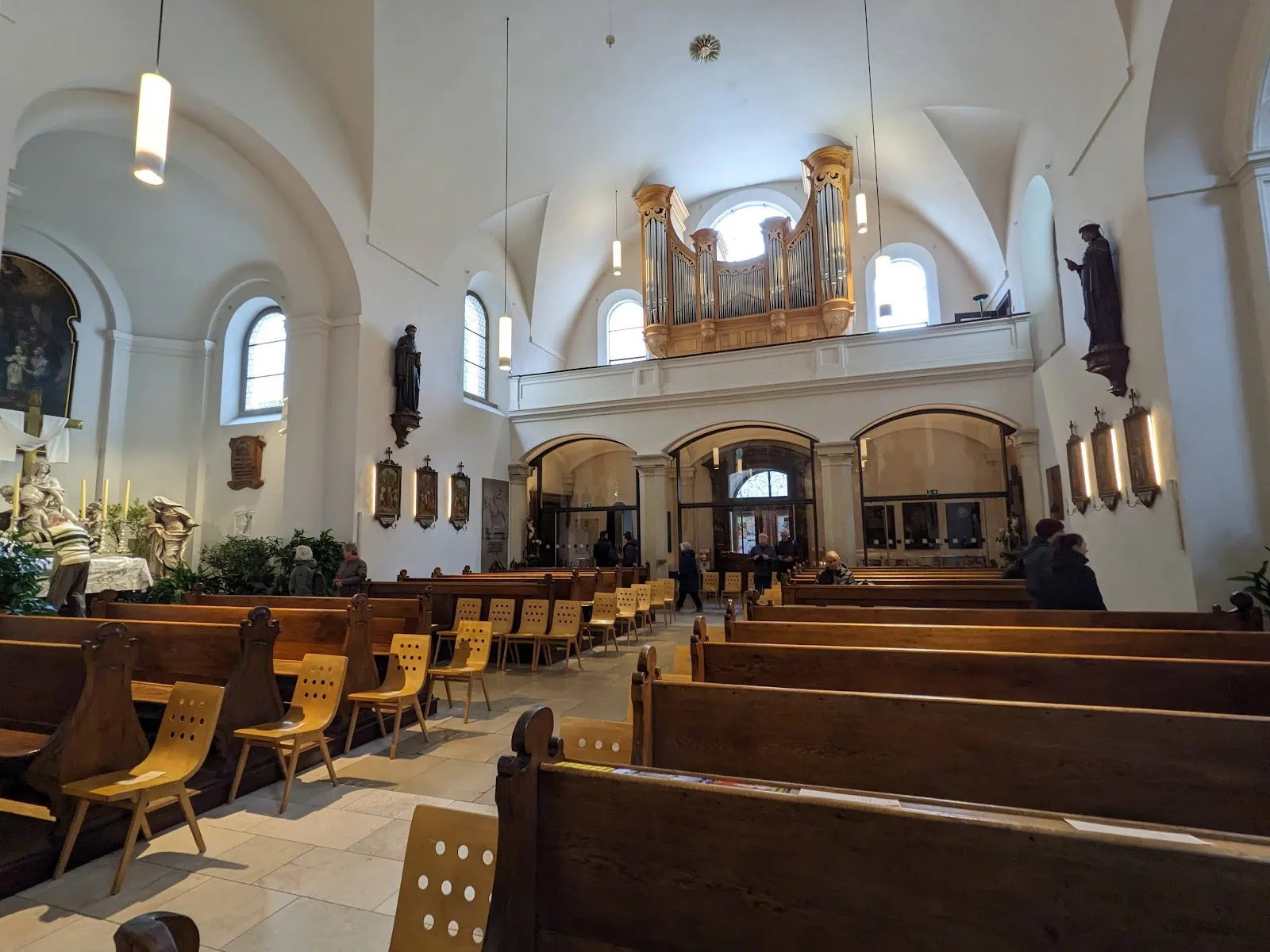
The church itself is small and restrained. Whitewashed walls, orderly seating and a simple altar give little indication of the elaborate tombs below. A Pietà inside serves as a focus for devotion. Visitors who come primarily for the crypt can still pause here to see the church as an active religious space.
The Habsburg tombs
The Imperial Crypt, also called the Capuchin Crypt, has served as the principal burial place of the House of Habsburg since the 17th century. It contains the remains of about 150 members of the dynasty, among them emperors and empresses. Empress Elisabeth of Austria, widely known as Sisi, is buried here.
The tombs are notable for their ornate coffins and sarcophagi, including cast-bronze work and intricate decoration. The crypt is extensive, so allow time to look closely at individual designs rather than treating it as a quick passage through the building. The coffins are the focus of the visit; the remains themselves are not on display.
A visit in a working church
The church and crypt bring together two different settings: a plain, functioning place of worship above and a series of richly decorated royal tombs below. The crypt’s information plates provide context for the people commemorated there. The contrast helps make the visit more than a look at elaborate funerary art: it places the burials within the history of the Habsburg family and the Capuchin community that has guarded the site.
The church has also hosted light classical music, including programs featuring works by Mozart, Schubert, Haydn and Bach. A concert can give you another reason to visit, but availability and programs depend on the event schedule. Check the church’s website for current details before planning around a performance.
FAQ
Who is buried in the Imperial Crypt?
The crypt holds the remains of about 150 members of the House of Habsburg, including Empress Elisabeth, known as Sisi.
Is the Capuchin Church the same as the Imperial Crypt?
The church is above ground, and the Imperial Crypt is beneath it. The crypt is the burial place associated with the Habsburg family.
How much does entry cost?
The supplied information gives an entry price of €8. Check the church’s website for current ticket details.
When is the best time to visit?
Go early in the day for a quieter visit. Be considerate if you enter during Mass.