
Phu Quoc Prison History Museum is the former Coconut Tree Prison in the south of Phu Quoc Island. French colonists built it in 1949, and it was used during the Vietnam War. Its cells, barracks, tiger cages and watchtowers are preserved, and models and photographs show how prisoners were held and treated. The visit is a sober, educational stop on the island's wartime past and on the endurance of the people held here. Allow time to see the whole route, since the path is not always clear. The site sits near Khem Beach and other sights in southern Phu Quoc, so it fits easily into a day on that side of the island.
From Coconut Tree Prison to a museum
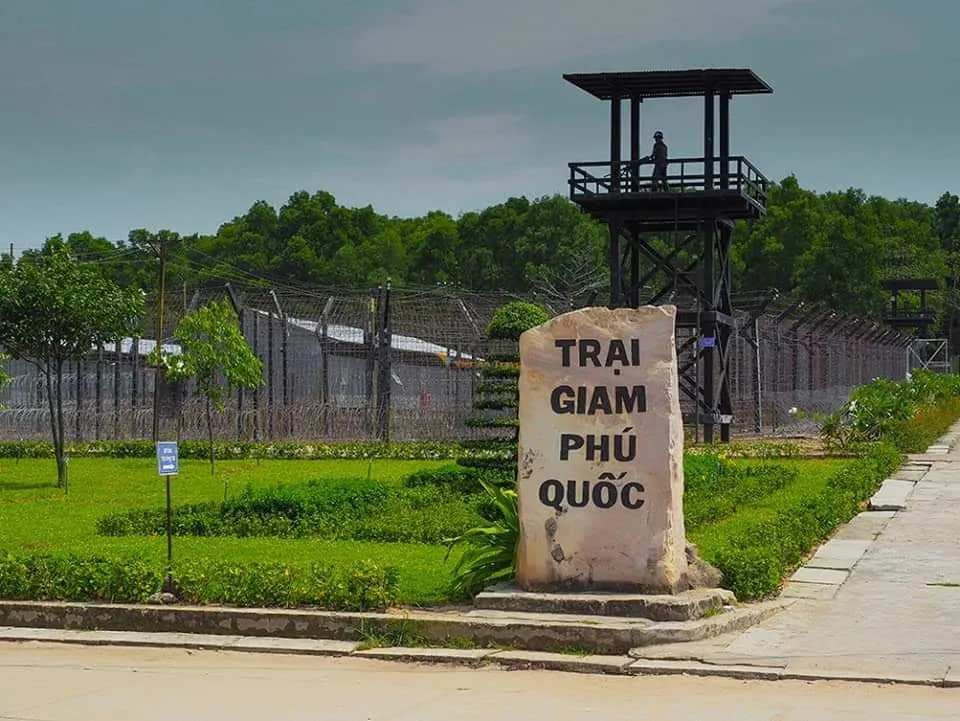
The site is also known as Coconut Tree Prison, or Cay Dua Prison Camp. French colonists built it in 1949. During the Vietnam War it was expanded, and South Vietnam used it to detain political prisoners and prisoners of war. Some of the people held there were North Vietnamese soldiers, who were tortured inside its walls.
Between 1967 and 1973, more than 4,000 prisoners died there from brutal torture, and thousands more were left permanently disabled. The site is now one of the island's most important historical sites, and it is preserved to document this period.
What the site contains
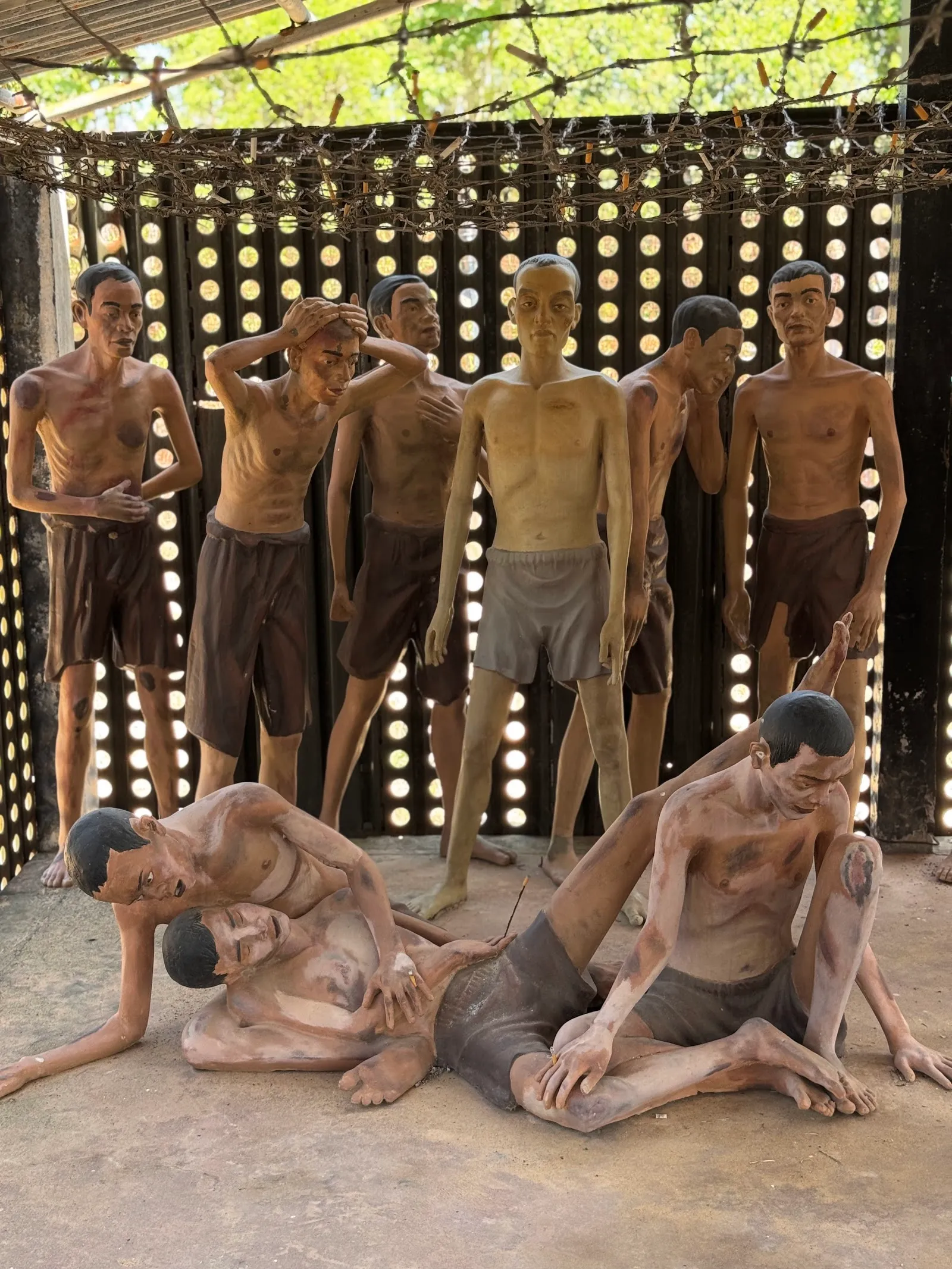
Visitors walk through reconstructed barracks, barbed-wire areas, tiger cages, solitary cells and torture rooms. Watchtowers stand on the grounds, and outdoor displays sit alongside the buildings.
Inside, the exhibition rooms hold authentic torture instruments and photographs of former detainees. Models show how prisoners were treated and what daily life was like behind the walls. The grounds cover about 400 hectares and are spacious and well maintained.
Getting there and planning the walk
The museum is at 350 Nguyen Van Cu Street in An Thoi, about 28 km from Duong Dong Town. A scooter or taxi is the practical way to reach it, and parking is available on site.
The route is not always clear. There is no overall map, and some information boards are reflective and hard to read. The tunnel path leads straight to the exit, so see the displays before taking it. A guide from the center can explain the displays and help you follow the route.
Nearby stops in southern Phu Quoc
Khem Beach, Sao Beach, Ho Quoc Pagoda, the An Thoi Islands and the An Thoi market are all in the same southern part of the island. The Hon Thom Cable Car is also within reach, so the museum can be one stop in a longer day on the south coast.
FAQ
What is the museum's other name?
It is also called Coconut Tree Prison or Cay Dua Prison Camp. French colonists built the prison in 1949.
How long do you need?
Plan 20 to 60 minutes. The grounds are spacious, so take time to look at each display before leaving.
How do you get there?
The museum is at 350 Nguyen Van Cu Street in An Thoi, about 28 km from Duong Dong Town. A scooter or taxi is the practical way to reach it, and parking is available.
Is a guide available?
You can hire a guide from the center. A guide helps explain the displays and the route.
What should you bring?
Bring an umbrella or cap and water, because the site is very sunny.


